Why Similar Tones Calm the Eye
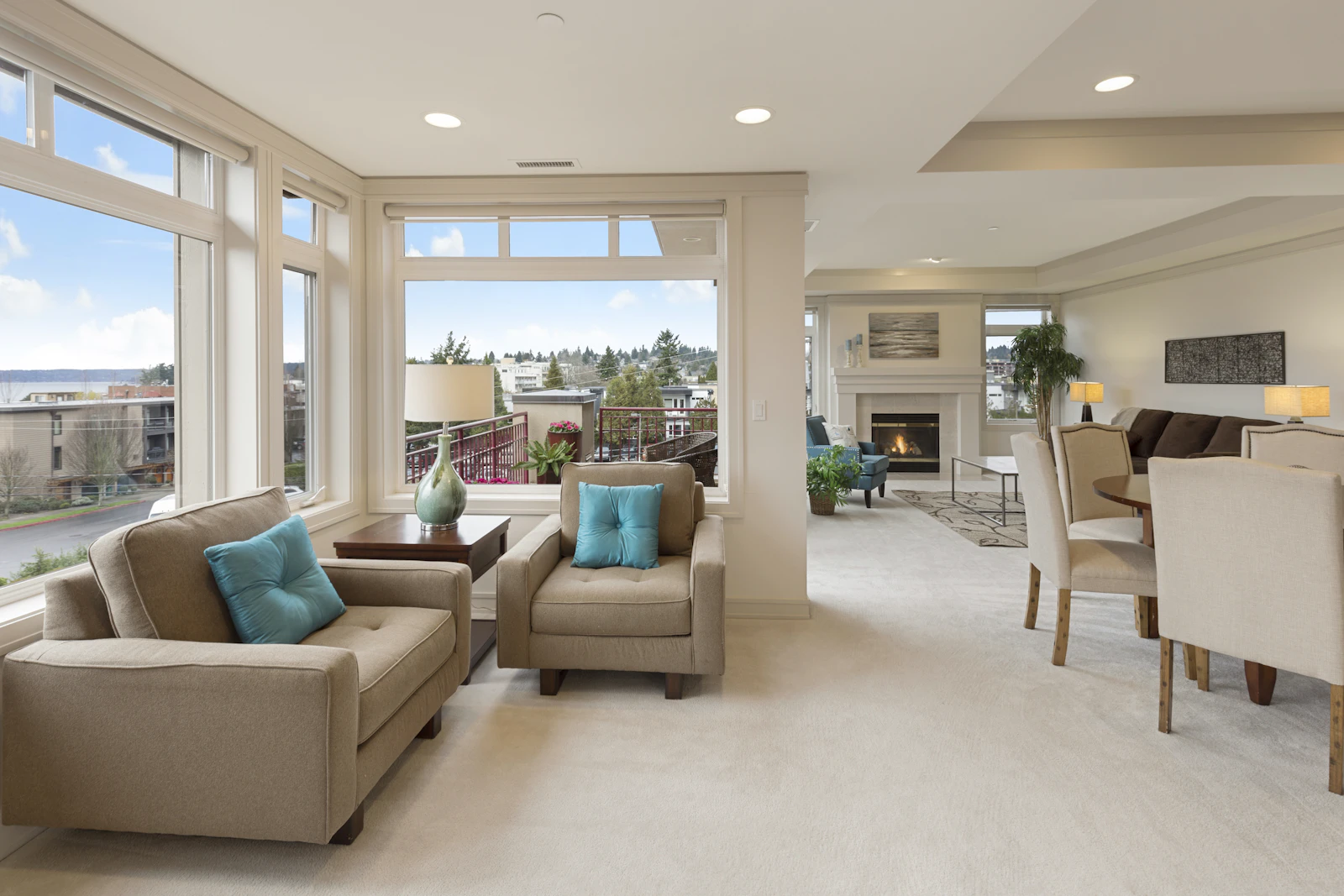
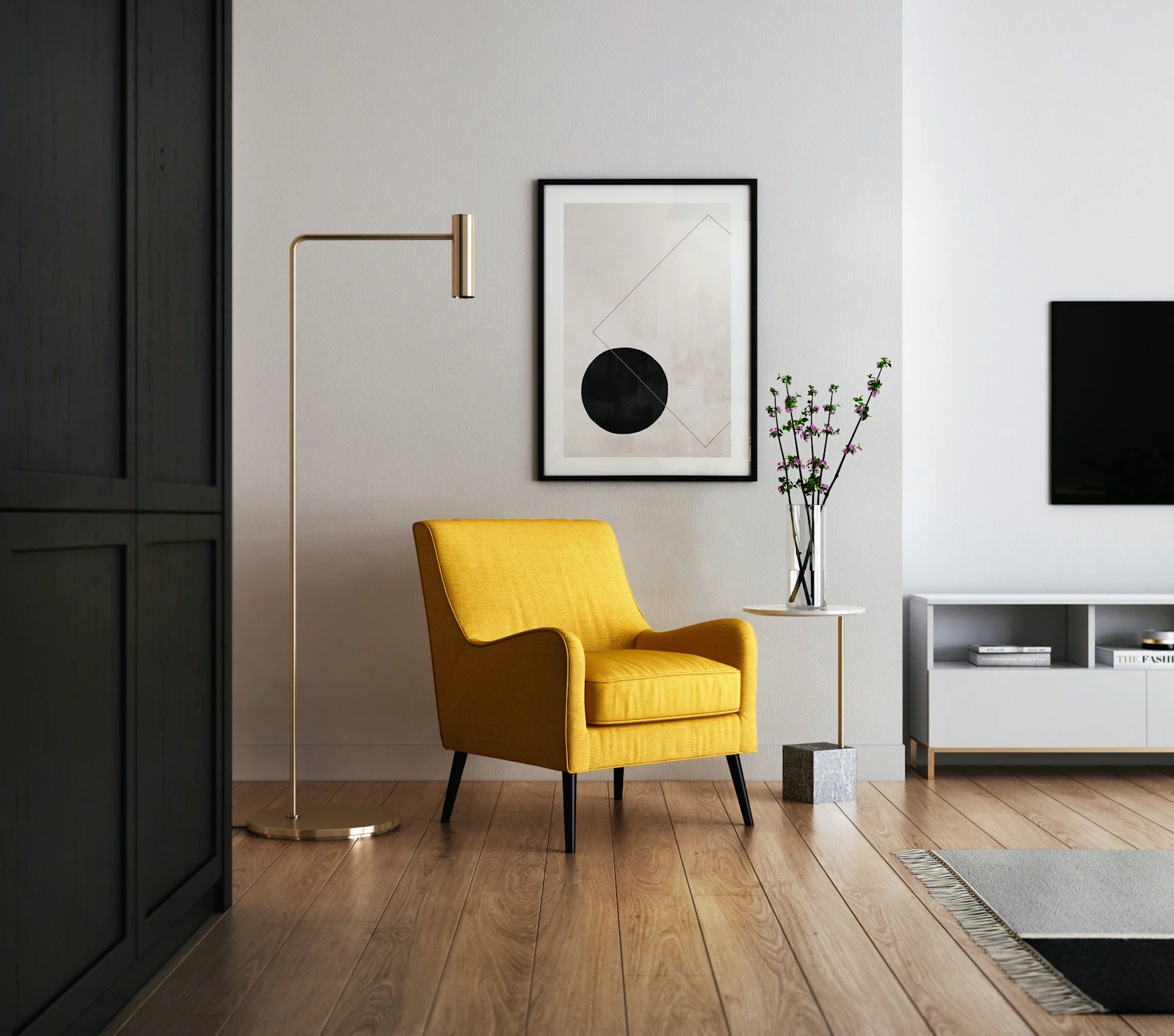
A room of similar warm tones feels more relaxing than one with many accent colors because the eye has less to resolve. When every object competes for attention, the brain stays slightly alert. A warm neutral palette lowers that visual noise and lets the mind rest.
This does not mean the room has to feel lifeless. Warm beige, oatmeal, camel, and soft clay create depth without contrast. The variation comes from material and texture, not from color drama. The room holds still long enough for you to relax into it.
Texture is the New Color
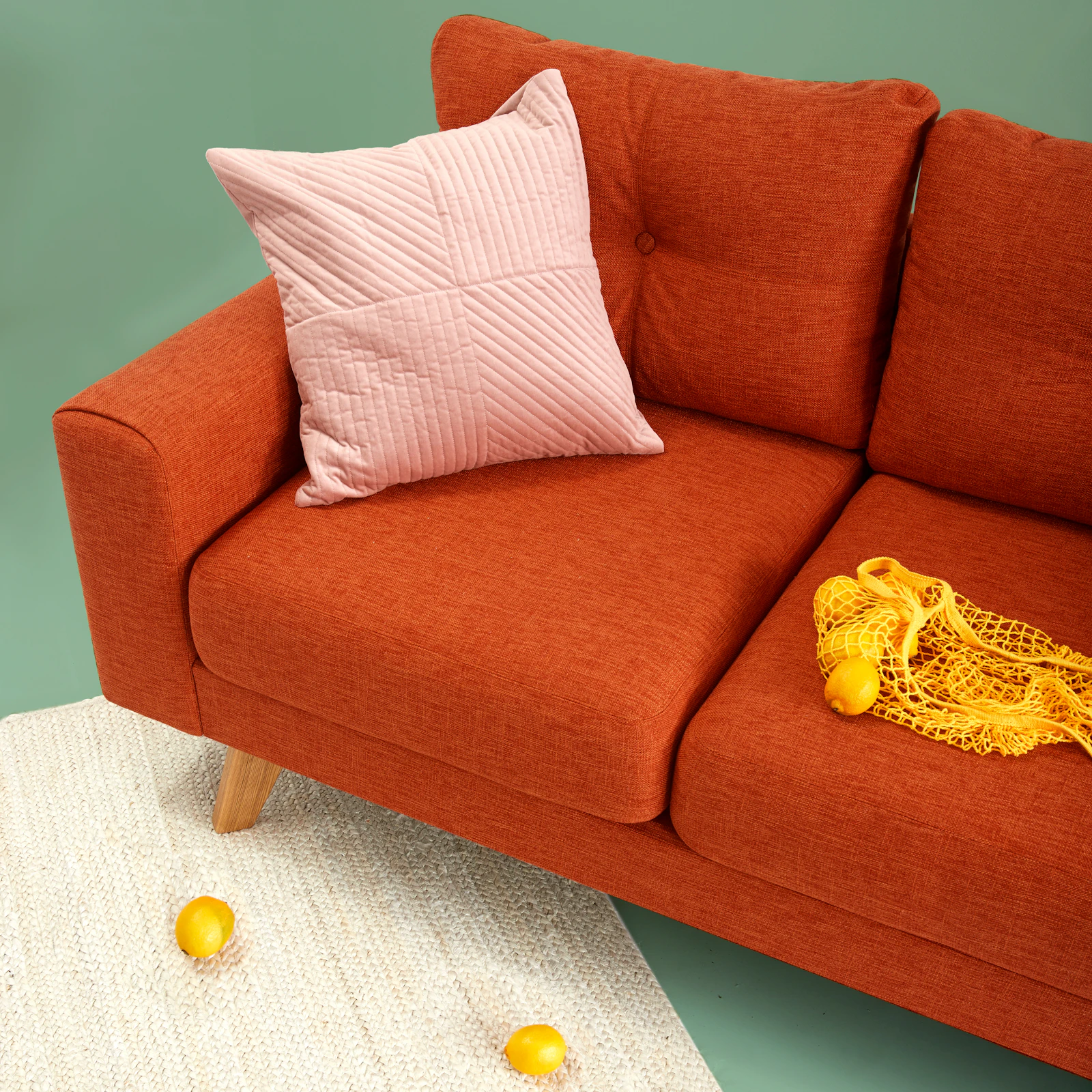
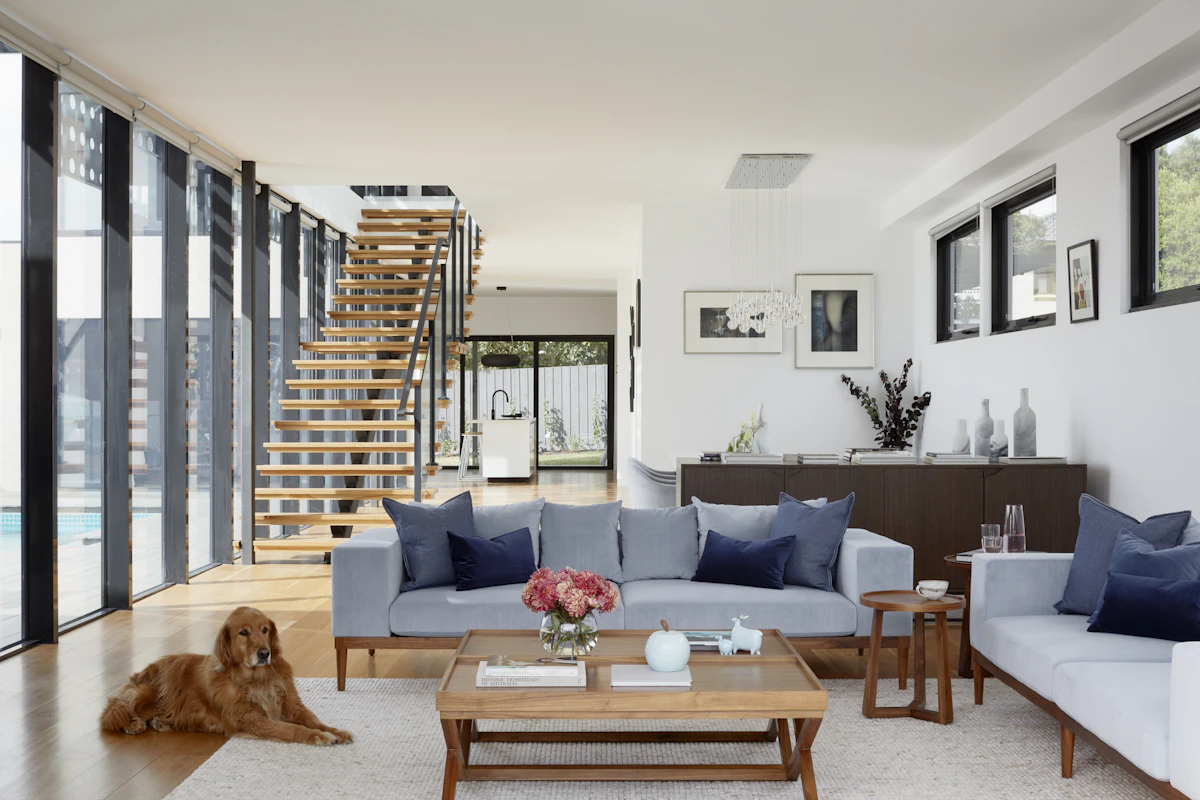
A neutral room does not need a pop of color. It needs a pop of texture. Linen cushions, a chunky knit throw, a nubby wool rug, and a raw wood coffee table all add interest without introducing competing hues. Texture creates shadow and variation, which the eye reads as richness.
Mix matte and slightly reflective surfaces too. A ceramic lamp, a leather pouf, and brass candle holders catch light differently. Our guide to <a href="/reading/materials/textures-that-calm/">textures that calm</a> explores how these material contrasts support relaxation in any room.

Layering Without Clutter
Layering is the secret to a warm neutral room that feels collected rather than staged. Start with a base of warm walls or a large neutral sofa. Add one textured rug, a few cushions in related tones, and one meaningful object. Then stop before the room feels busy.
The restraint is what makes the layers visible. In a colorful room, each layer competes for attention. In a neutral room, every texture gets its moment. Less competition means each choice matters more.

Light in a Neutral Room
Warm neutrals come alive in natural light. South-facing rooms make them glow, while north-facing rooms can turn them cool and flat. If your room lacks warm light, choose paint and textiles with slightly warmer undertones to compensate. Incandescent or warm LED bulbs help in the evening.
Evening light matters too. A room that looks bright at noon can feel cavernous at night without the right lamps. Layer your lighting with a floor lamp, a table lamp, and perhaps candles. The goal is a room that feels warm at every hour.

A Room That Holds Still
The real appeal of a warm neutral living room is emotional. It does not demand a reaction. It offers a place where you can land after a busy day. The palette supports rest because it avoids the visual spikes that keep the nervous system alert.
If you are drawn to this feeling but want guidance on balancing simplicity and warmth, explore <a href="/reading/style/warm-minimalist-living/">warm minimalist living</a>. The ideas overlap closely with creating a room that feels grounded rather than empty.
Frequently Asked Questions
Q: Does a neutral room feel boring over time?
A: Not if you vary textures, materials, and subtle tone shifts. A neutral room can evolve by swapping throws, cushions, and small accessories without repainting.
Q: What colors count as warm neutrals?
A: Beige, oatmeal, camel, terracotta, soft brown, warm gray, and creamy white all count as warm neutrals. Avoid cool grays and stark whites if you want the cozy effect.
Q: How do I keep a neutral room from looking muddy?
A: Include a few lighter elements to create contrast. White curtains, pale wood, or a cream rug can brighten the palette while keeping the overall warmth.
Related reads
- Warm Minimalist Living: A Cozy Take on Having Less
- How to Make a Small Living Room Feel Like a Hug
- Textures That Calm
- Rainy-Day Living Room Ideas for Cozy Indoor Days
- A Pet-Friendly Living Room That Still Looks Grown Up
- A Living Room for Slow Sunday Mornings
- Bohemian Living Room Ideas: Layered, Colorful, and Personal
- Living Room Symmetry Ideas: 7 Balanced Layouts That Calm
Frequently asked questions
What is the warm neutral living room?
Why beige is not boring when it has texture
Why does the warm neutral living room matter?
A room of similar warm tones feels more relaxing than one with many accent colors because the eye has less to resolve.
How do I start with the warm neutral living room?
A neutral room does not need a pop of color.
What is a simple tip for the warm neutral living room?
Layering is the secret to a warm neutral room that feels collected rather than staged. Start with a base of warm walls or a large neutral sofa.