Letting the Room Match the Sky
Most living rooms are designed for maximum brightness. White walls, big windows, bright bulbs, reflective surfaces. The assumption is that light equals cheer, and cheer is always the goal. But on a rainy afternoon, that same bright room can feel exhausting. It fights the weather instead of responding to it.
The rainy-day living room takes a different approach. It accepts that some days are gray and low, and it designs for them. The walls might be a soft taupe or a muted sage. The curtains are heavy enough to soften the window. The lighting comes from lamps, not the ceiling. The result is a room that does not try to cheer you up. It meets you where you are.
This is not the same as surrender. A room that matches the sky is not a depressed room. It is a room that understands context. It says: you do not have to be bright today. You can be quiet. You can be slow. The space will keep you company in that mood rather than trying to fix it.
Why Low Energy Needs Lower Light
When your energy is low, bright light can feel like a demand. It says: wake up, focus, perform. Dim light says something gentler. It says: rest, slow down, recover. This is why a rainy-day living room benefits from lamps, candles, and shaded fixtures rather than one strong overhead source.
The body understands this intuitively. Low light signals the nervous system to relax. It supports naps, slow reading, quiet conversation, and doing absolutely nothing. A room that can go dim is a room that respects the full range of human energy, not just the productive part. You do not need to turn on every light. Let the room follow the weather.
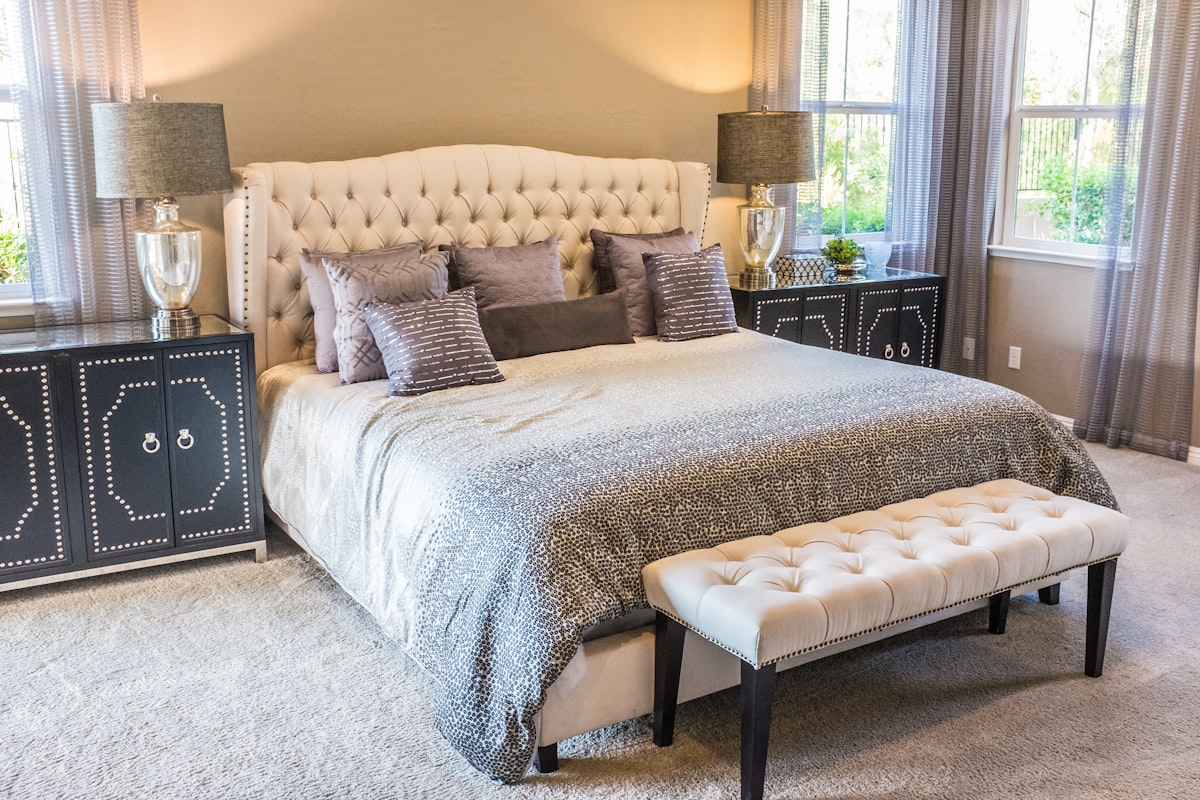
Layered lighting is especially useful here because it lets you adjust the mood without flipping one switch. A floor lamp near the sofa, a table lamp by the chair, a candle on the mantel: each one adds a small pool of warmth. Together they create depth. The room feels held rather than illuminated.

Wool, Texture, and the Sound of Rain
On a rainy day, the senses become more sensitive. The sound of water against glass, the cool air, the muted light: all of it calls for touch. A wool throw, a nubby cushion, a soft rug underfoot. These textures give the body something to settle into while the world outside slows down.
Wool is especially good at this because it is heavy, warm, and slightly rough in a comforting way. It does not slip off the shoulders like synthetic fleece. It holds you. When you wrap yourself in wool while rain falls outside, you are experiencing one of the oldest forms of shelter. The living room becomes a contemporary cave: protected, warm, and intentionally still.
Other textures matter too. Velvet catches the dim light and changes color as you move. Linen breathes against the skin. A knitted cushion adds softness without bulk. The goal is variety. A room full of smooth surfaces feels cold on a rainy day. A room full of touchable textures feels alive.

The Freedom of Doing Nothing
Rainy days carry a strange gift: permission. The weather gives you a reason to cancel plans, stay inside, and stop achieving. A living room designed for rainy days makes the most of that permission. It does not fill the silence with screens or busyness. It holds space for stillness.
This is where the layout matters. A sofa facing a window lets you watch the rain. A chair angled away from the television invites reading or staring. A low table within reach of the sofa holds a cup of tea without requiring a trip to the kitchen. These small spatial choices make doing nothing feel like a real activity, not a failure of productivity.
The furniture should encourage slowness. Deep seats, soft arms, surfaces that do not demand tidiness. A rainy-day living room is not a showroom. It is a place where you can let yourself go slightly slack. Where you can leave a blanket crumpled and a book open and no one, including you, minds.
Moody Does Not Mean Dark
There is a difference between moody and gloomy. A moody living room uses deep, soft tones to create atmosphere. A gloomy one feels neglected or cave-like. The distinction usually comes down to texture and light quality. Soft textures absorb sound and feel welcoming. Warm bulbs prevent the room from feeling cold.
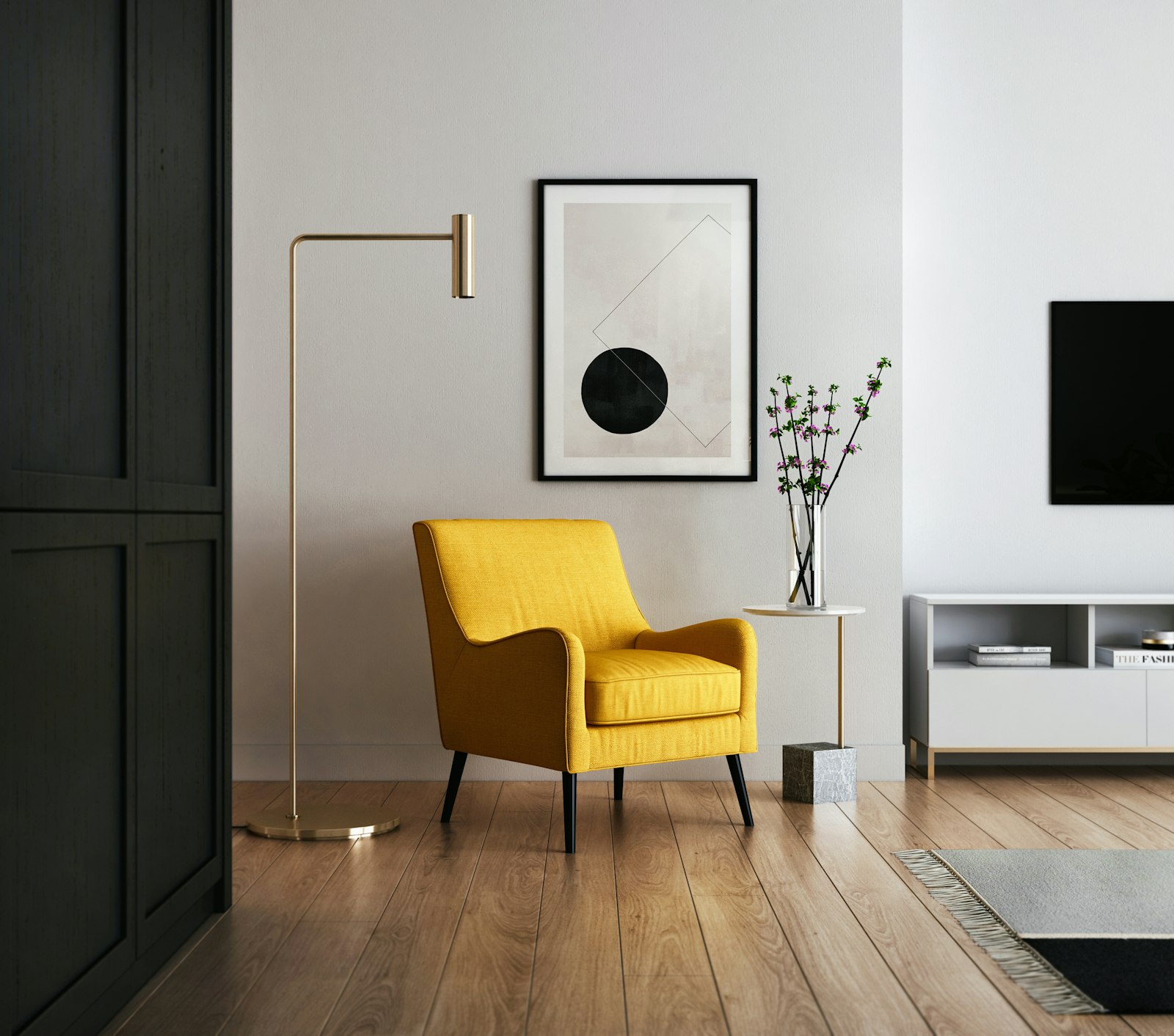
A rainy-day living room should still feel cared for. Fresh flowers or a single branch in a vase, a stack of books, a candle on the mantel: these small signs of life keep the mood from becoming heavy. The goal is not to replicate the gray outside. It is to create a warm contrast to it. For more on creating calm at home, explore our guide to <a href="/reading/style/moody-dark-walls-for-calm/">moody dark walls for calm</a> or the <a href="/reading/living-room/couples-sunday-living-room/">slow Sunday living room</a>.

Designing for Gray Light
Gray light is not bad light. It is soft, even, and forgiving. A room designed for gray light uses colors that glow rather than glare. Warm neutrals, muted greens, dusty blues, and soft terracottas all come alive in diffused daylight. White, by contrast, can look flat and cold.
The windows themselves deserve attention. Heavy curtains that can be drawn make the room feel sheltered. Sheer curtains soften the light without blocking it. A window seat turns the gray view into a feature. The room should not hide from the rain. It should frame it.

Frequently Asked Questions
Q: Should I paint my living room dark for a rainy-day feel?
A: Not necessarily. Muted mid-tones like taupe, sage, or warm gray can create atmosphere without making the room feel dark. Test colors in both natural and artificial light.
Q: How do I light a living room without overhead fixtures?
A: Use a combination of floor lamps, table lamps, and candles. Layering light at different heights creates depth and warmth without harsh brightness.
Q: What textures work best for a cozy rainy-day room?
A: Wool, linen, cotton, and velvet are all excellent. The goal is variety and softness so the room invites touch and relaxation.
Q: How do I keep a moody room from feeling depressing?
A: Add warm light, living plants or flowers, and objects that feel personal. The room should feel sheltered, not abandoned.

Related reads
- Moody Dark Walls for People Who Need to Calm Down
- A Living Room for Slow Sunday Mornings
- Sunday Reading Nook Ideas for a Calm Weekend
- Warm Neutral Living Room Ideas for Easy Elegance
- Why a Small Room Doesn't Need to Look Bigger
- Natural Wood Home Office Ideas for Calm Focus
- Living Room Curtains: 10 Ideas That Soften Your Windows
- Living Room Color Schemes: Calm Palettes That Work
Frequently asked questions
What is the rainy-day living room?
Designing for gray light and low energy
Why does the rainy-day living room matter?
Most living rooms are designed for maximum brightness.
How do I start with the rainy-day living room?
When your energy is low, bright light can feel like a demand.
What is a simple tip for the rainy-day living room?
On a rainy day, the senses become more sensitive. The sound of water against glass, the cool air, the muted light: all of it calls for touch.