Waking Up Without a Plan
For many couples, the week is a series of handoffs. Work, errands, messages, appointments, meals, and the quiet exhaustion of coordinating two lives. Sunday morning is often the first chance to simply exist in the same room without a destination. The living room becomes the container for that unplanned time.
A living room designed for slow Sunday mornings does not need an itinerary. It needs a quality of openness. There should be places to sit that do not face a screen, surfaces for coffee and magazines, and enough softness to make lingering feel natural. The best mornings here are the ones that refuse to become afternoons too quickly.
The absence of agenda is the luxury. In a world that rewards scheduling, a room that allows time to pass unstructured is a small act of resistance. The living room says: today, you do not have to earn your rest. You only have to be here.
Why Togetherness Needs Less Structure
There is a common idea that couples need scheduled date nights, shared hobbies, or coordinated activities to stay connected. But there is another kind of intimacy that comes from doing very little together. Reading separate books on the same sofa. Passing a cup of coffee back and forth. Listening to the same silence.
This kind of togetherness is harder to plan than a dinner reservation, but it is easier to support with space. A living room that allows parallel presence, where two people can be near each other without performing conversation, protects a rare and valuable kind of closeness. Doing nothing together can feel more intimate than doing something together.
The room should make this easy. Seats close enough for touch but angled so neither person is forced to perform. Tables within reach of both. Lighting soft enough for morning eyes. These are not dramatic design choices. They are quiet invitations.

One Shared Seat
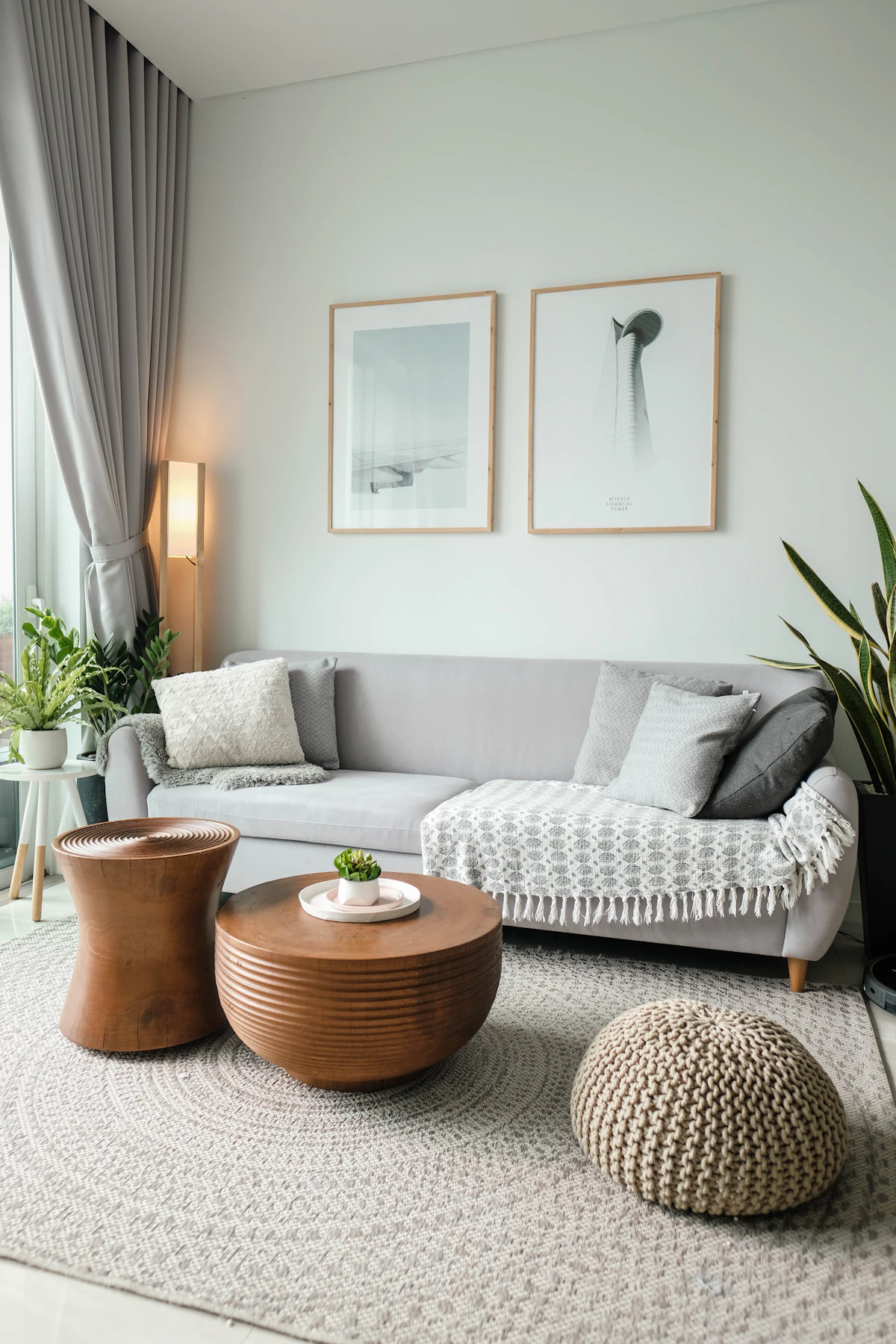
Here is a counter-intuitive idea for a couple's living room: you may not need two designated seats. One generous sofa that both people want to occupy can become the center of the room. It creates a gravitational pull toward togetherness without forcing it.
Of course, separate chairs have their place. But a shared seat acknowledges that closeness is often physical before it is emotional. The ability to sit thigh-to-thigh, to lean into each other, to claim a corner together: these small arrangements matter. The furniture layout is not just functional. It is a statement about how you want to spend time.
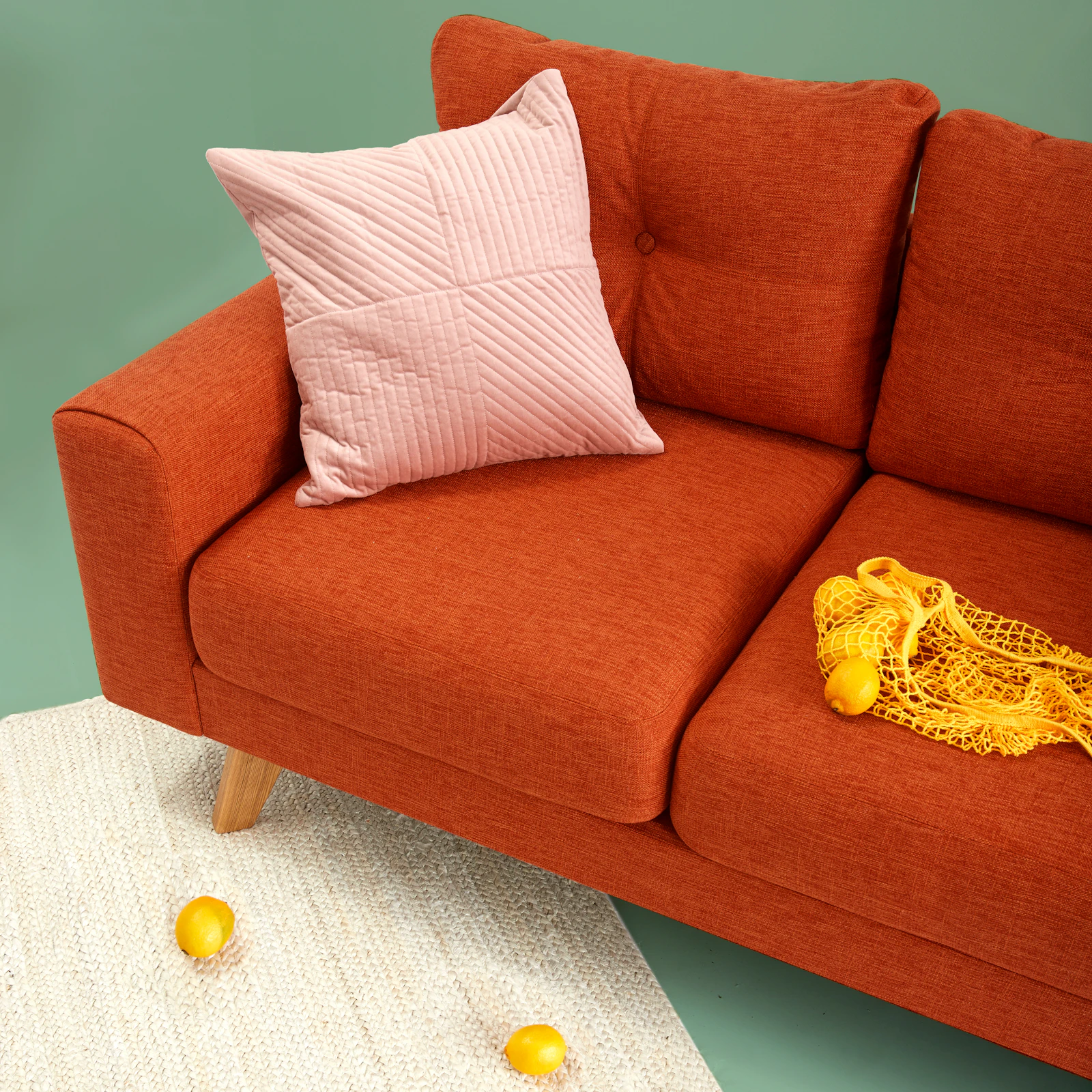
The sofa itself should be deep enough for lounging and soft enough for naps. Arms that are wide enough to hold a cup. Upholstery that forgives spills and wrinkles. This is not formal furniture. It is furniture for real life.

Sunlight and Slow Movement
Sunday morning light is different from weekday light. It arrives without urgency and moves slowly across the floor. A living room that captures this light becomes a stage for the morning. The sun does the decorating. All the room has to do is let it in.
Mid-century furniture pairs beautifully with this kind of light. The clean lines and raised legs create space underneath, so the room feels airy without being cold. Linen upholstery catches the sun and softens it. Wood warms it. Together they create a setting that invites slow movement: stretching, pouring coffee, settling back down.
The orientation of the room matters too. If possible, place the main seating where the morning sun will reach it. A patch of sunlight on the sofa becomes a destination. It draws you in. It gives the morning a focal point that is not a screen.

Mid-Century Calm
Mid-century design is often celebrated for its looks, but its real gift is restraint. The shapes are simple, the ornamentation is minimal, and the materials are honest. In a couple's living room, that restraint becomes a form of peace. There is less visual competition, less clutter, less background stress.
This does not mean the room should feel like a museum. A few personal objects, a worn book, a plant that has survived several seasons, a throw that one of you always steals: these details make the room alive. The mid-century frame simply holds them more quietly. It creates a backdrop for life rather than a demand for attention.
The palette usually helps. Warm woods, muted textiles, and soft neutrals create a room that feels timeless. Bright colors and trendy patterns can make the space feel restless. On a Sunday morning, restlessness is the enemy.
The Quiet Architecture of Intimacy
A couple's living room is not really about the furniture. It is about the gaps between the furniture. The space where one person walks past the other with a cup. The shared armrest where a hand rests. The ottoman that becomes a footrest for two. These in-between spaces are where intimacy lives.
Designing for them means leaving room. Do not push every piece of furniture against a wall. Allow a few inches of breathing space. Create pathways that feel natural rather than efficient. The room should encourage drifting, not directing. For more living room ideas, see <a href="/reading/living-room/rainy-day-living-room/">the rainy-day living room</a> or <a href="/reading/living-room/friends-over-without-stress/">hosting friends without stress</a>.
Frequently Asked Questions
Q: What kind of sofa works best for a couple's slow morning living room?
A: A sofa that is wide enough for two people to lounge comfortably without touching if they want, but soft enough that leaning together feels natural. Linen or cotton upholstery in a warm neutral is ideal.
Q: How do I design a living room for both togetherness and alone time?
A: Create multiple seating options. A shared sofa for closeness, a separate chair for solo reading, and a layout that allows both parallel presence and conversation.
Q: Does a couple's living room need a television?
A: Not necessarily. A room without a central screen encourages conversation, reading, and rest. If you do have one, consider placing it off-center so it does not dominate the room.
Q: How can sunlight improve a Sunday morning routine?
A: Natural light helps regulate mood and energy. Arrange seating near windows and use sheer or light curtains to let the morning sun into the room.
Related reads
- Rainy-Day Living Room Ideas for Cozy Indoor Days
- Having Friends Over Without the Stress
- Sunday Reading Nook Ideas for a Calm Weekend
- A Pet-Friendly Living Room That Still Looks Grown Up
- Tiny Dining Area, Real Weeknight Dinners
- Wabi-Sabi Living Room Ideas for Imperfect Calm
- Living Room Color Schemes: Calm Palettes That Work
- Scandinavian Living Room Ideas: Bright, Functional, and Calm
Frequently asked questions
What is a living room for slow sunday mornings?
For couples who want to wake up without rushing
Why does a living room for slow sunday mornings matter?
For many couples, the week is a series of handoffs.
How do I start with a living room for slow sunday mornings?
There is a common idea that couples need scheduled date nights, shared hobbies, or coordinated activities to stay connected.
What is a simple tip for a living room for slow sunday mornings?
Here is a counter-intuitive idea for a couple's living room: you may not need two designated seats. One generous sofa that both people want to occupy can become the center of the room.