Texture Speaks Before Color
When you walk into a room, your hand often notices the space before your eyes do. A nubby throw, cool linen sheets, or a smooth wooden table send instant messages of comfort to the body before a single color registers.
Color may set the mood, but texture determines whether a room feels inviting or distant. By choosing materials you genuinely want to touch, you create a home that welcomes you back each day with quiet familiarity.
Softness becomes a language everyone understands without needing explanation.

The Quiet Luxury of Linen
Linen carries a kind of effortless softness that no amount of ironing can manufacture. Its gentle wrinkles and breathable weave refuse to be perfect, which is exactly what makes a home feel human and lived-in.
Draped over a sofa or bed, linen brings instant ease. Choose curtains that move with the breeze, bedding that cools in summer, or napkins that soften with every wash. This fabric asks for nothing but offers calm in return.

The Grounded Warmth of Wool
Wool is the comfort of winter made tangible. A thick rug underfoot or a heavy blanket over your lap turns a drafty evening into a cozy refuge, holding warmth close without weighing you down.
Beyond its practical warmth, wool brings texture that begs to be touched. Whether woven into a throw, pressed into felted cushions, or left as raw fleece, it adds depth and a sense of shelter to any room.
The Honest Presence of Wood
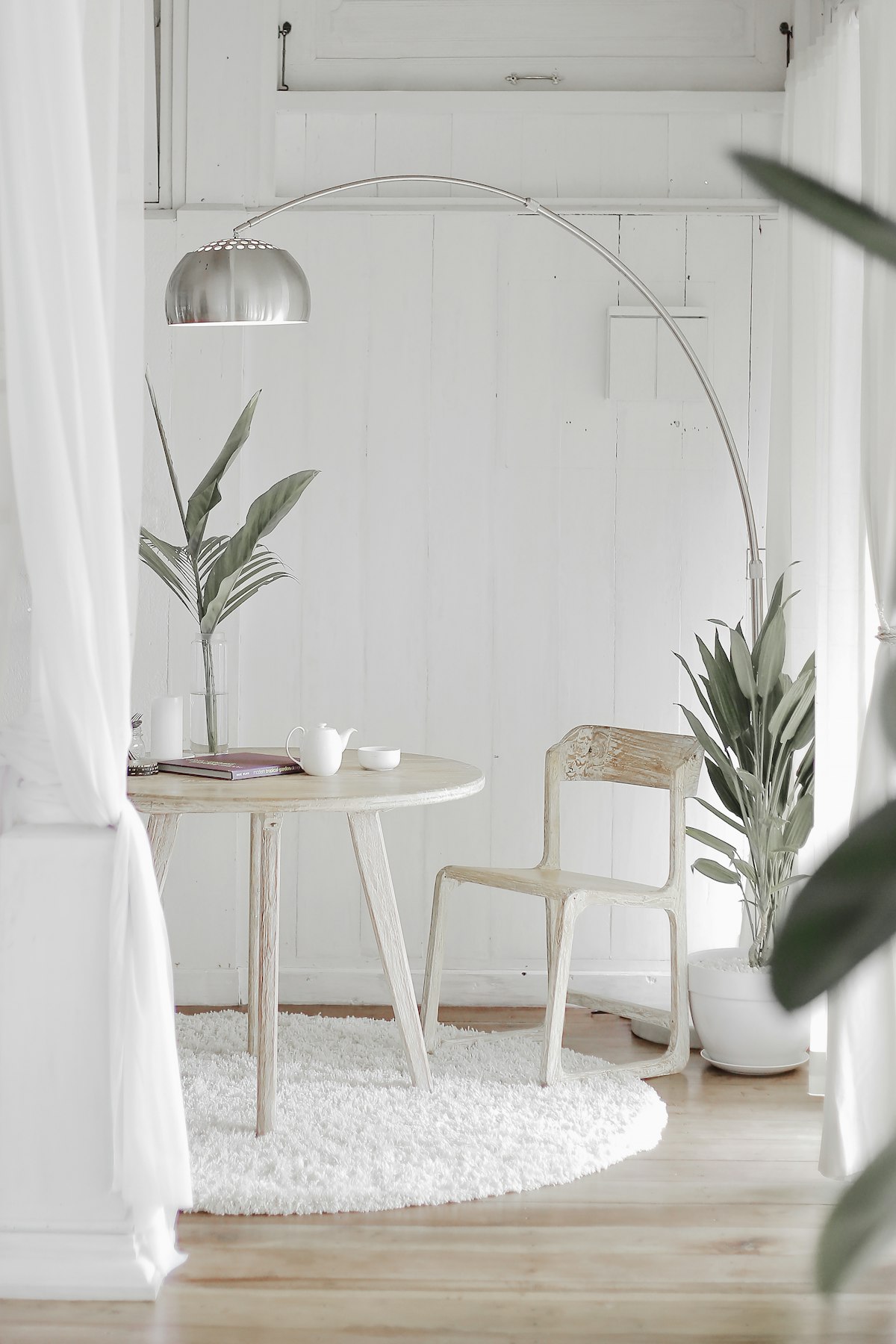
Wood connects a room to the natural world in a way few manufactured materials can. Its grain, weight, and warmth ground the eye and invite the hand. A wooden bowl, stool, or tabletop carries the quiet memory of trees.
Mixing wood with soft fabrics creates a beautiful dialogue between strength and comfort. Let wood be the steady anchor while linen and wool provide softness around it, balancing the senses.
Over time, wood develops a patina that records the life lived with it.

Clay, Stone, and Woven Wonders
Calming textures extend far beyond fabric. A matte clay vase, a smooth river stone on a shelf, or a handwoven basket introduces organic irregularity. These small details slow the eye and reward closer looking.
Natural materials carry imperfections that make a home feel real rather than staged. Place a single handmade ceramic piece where the morning light hits it, and let its quiet character become part of the room's rhythm.
Even a small stone paperweight can become a touchstone for returning to the present moment.

Layering Textures Without Chaos
A calm home is not about using only one texture; it is about arranging them with intention. Pair rough with smooth, matte with subtle shine, heavy with light. Contrast keeps a room from feeling flat or sterile.
Start with a neutral base and add one or two tactile accents at a time. Step back and see how the room feels. Editing is part of the process, and restraint is what keeps the result peaceful rather than busy.
Creating a Home That Feels Safe
At the end of a busy day, home should feel like a place that catches you. Soft textures signal safety to the nervous system, encouraging shoulders to drop and breath to slow.
Surround yourself with materials that feel good against your skin. A worn-in throw, a favorite cushion, or a smooth wooden chair arm can become a small ritual of returning to yourself.
These small, sensory anchors remind you that you have arrived, not just physically, but emotionally. Texture, after all, is the first welcome home.

Related reads
Frequently asked questions
What are calming textures?
Calming textures are natural materials like linen, wool, wood, and clay that feel good to the touch and create a softer, more peaceful home.
How do textures affect mood?
Soft, organic textures signal safety and comfort to the body, helping the nervous system relax when you enter a room.
Can I mix different textures?
Yes. Pairing rough with smooth and matte with subtle shine adds depth, as long as the overall palette stays quiet and intentional.
Where should I start with calming textures?
Begin with one everyday textile, such as linen bedding or a wool throw, then slowly introduce wood, clay, and woven pieces.