Stop apologizing for the size
Most small living room advice tries to fake space. Mirrors, pale colors, and raised furniture legs all whisper that the room wishes it were bigger. But a room that pretends to be something else often feels uncertain and anxious, never quite at ease.
The alternative is to let the room be exactly what it is. A small living room can feel enclosed, safe, and intentional. The goal is not grandeur. It is comfort, and comfort does not require square footage or expensive furniture.
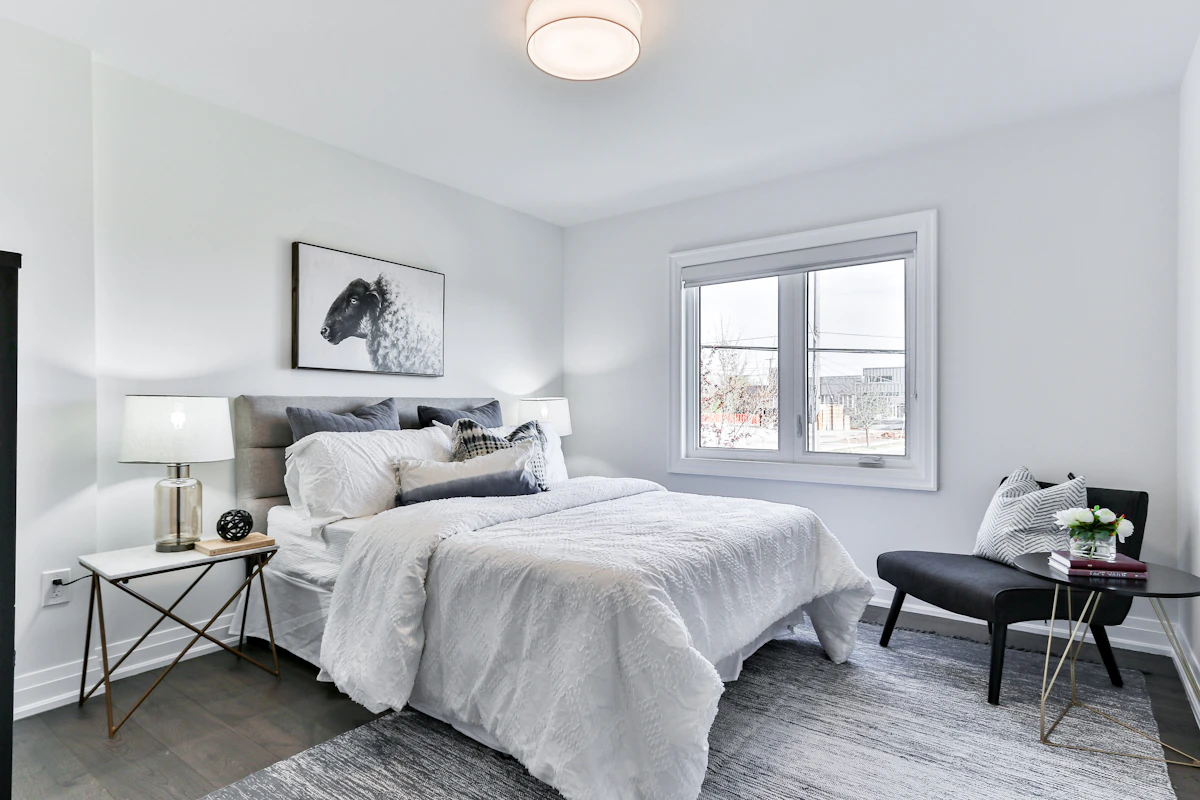
One large piece beats many small ones
It sounds backwards, but a single well-scaled sofa often makes a tiny room feel larger than several small chairs. Too many pieces break the space into visual fragments that make the eye work harder than it needs to.
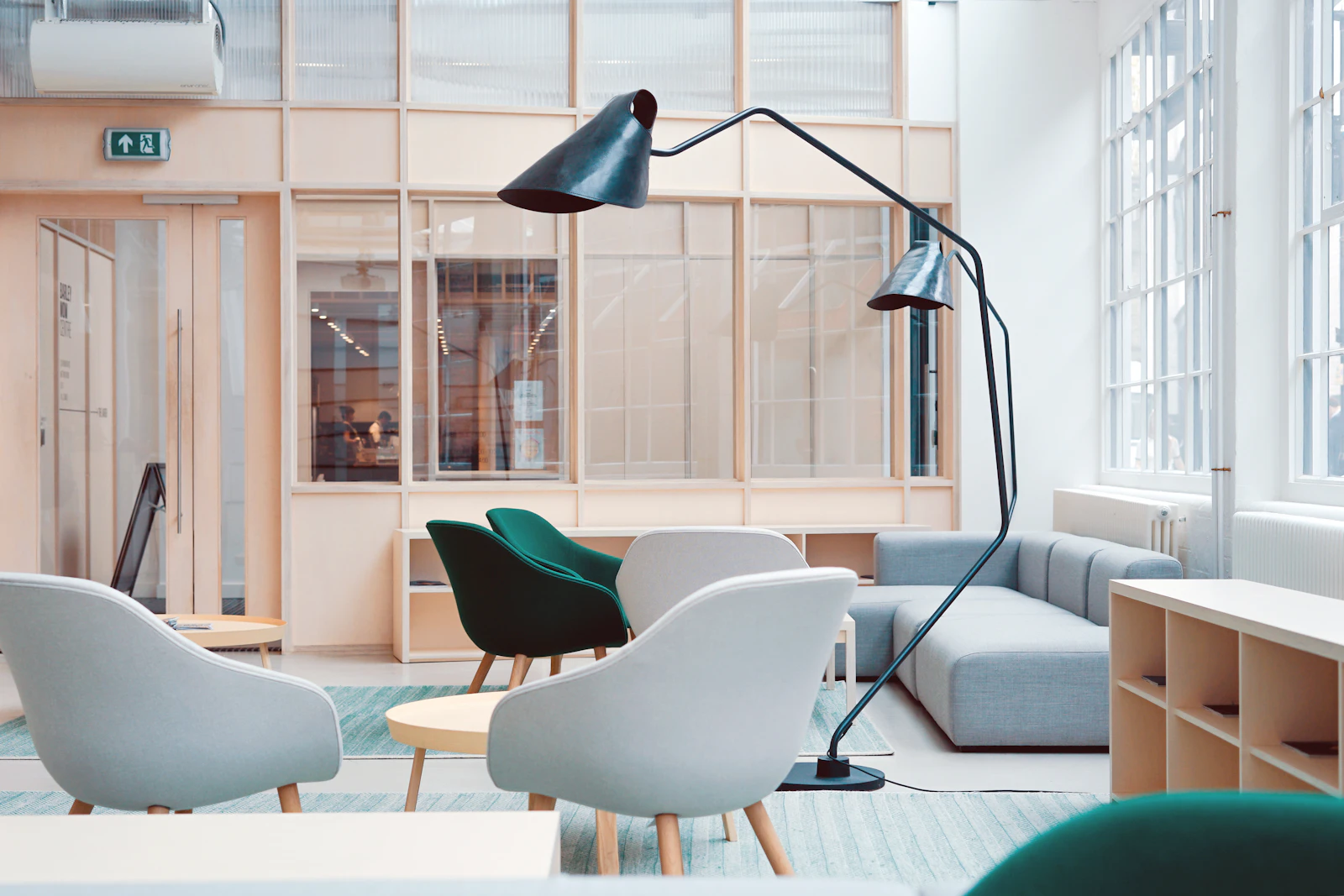
Choose one rug that fills most of the floor, one sofa that anchors the room, and one lamp that does the heavy lifting. The eye reads the room as one complete gesture, and that wholeness feels calming and surprisingly spacious.
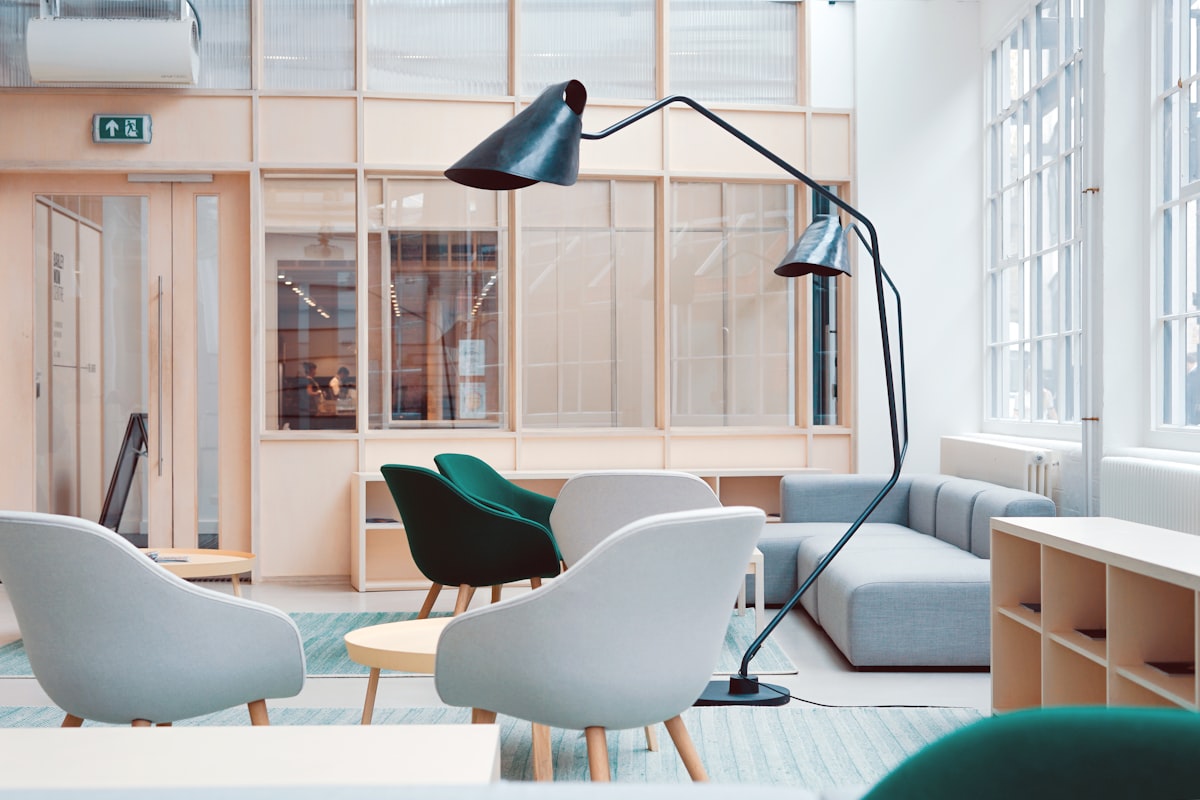
Lower the light
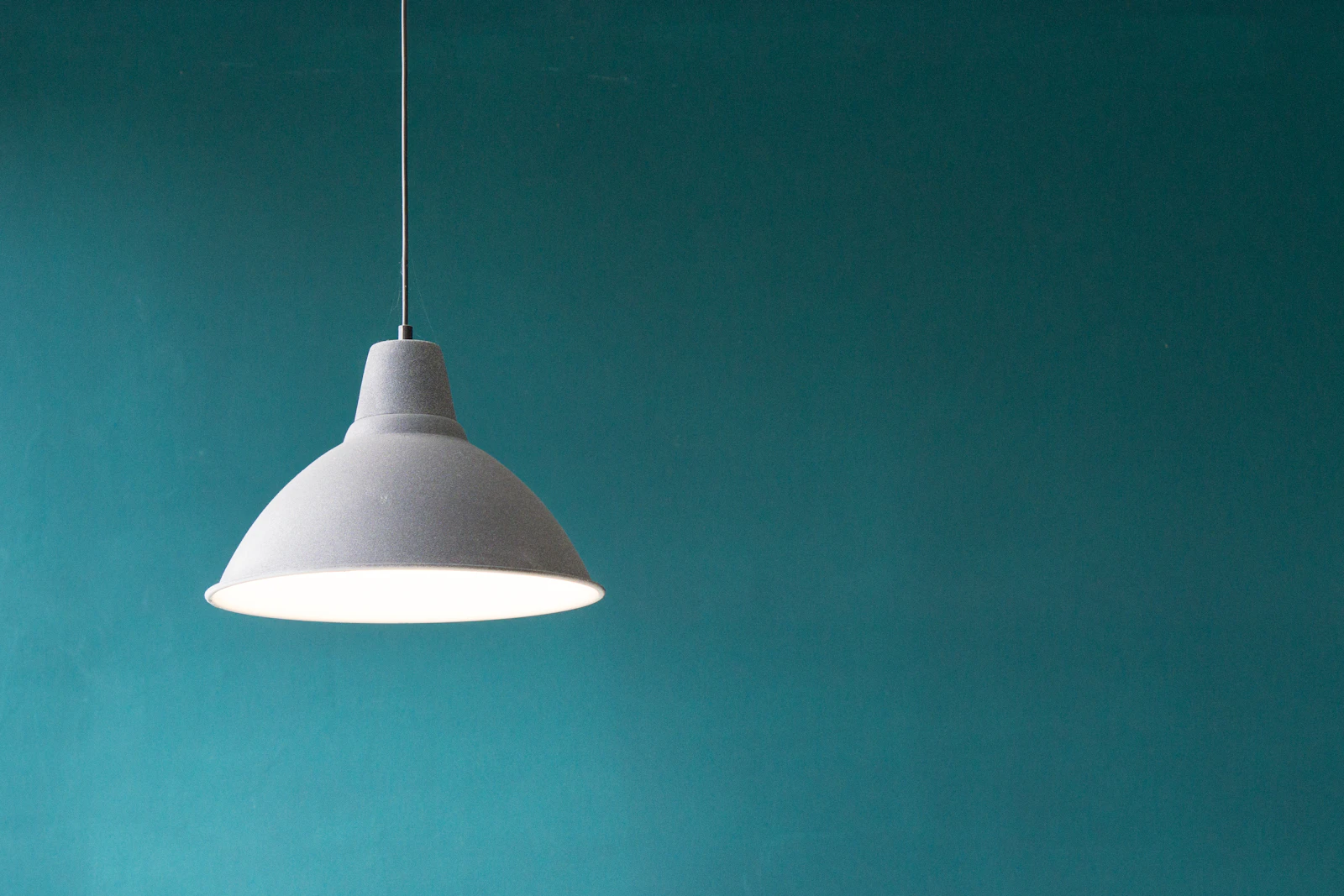
Overhead lighting makes a small room feel like an interrogation. It flattens everything and draws attention to the ceiling, which is the last thing you want in a cozy space. It removes depth, warmth, and any sense of refuge.
Instead, rely on table lamps, floor lamps, and candles. Keep the bulbs warm, around 2700K. The light should pool rather than flood, making the room feel like it is holding you instead of examining you.

Layer textures that invite touch
When you cannot add square footage, add depth through texture. A nubby throw, a velvet pillow, a worn leather chair, and a wool rug all make the room feel more generous than it is. They ask to be touched.
These materials do more than look good. They absorb sound, hold warmth, and make the space feel lived in. A tactile room feels like a hug before anyone even sits down.

Choose warm, quiet colors
Bright white and cool gray can make a small room feel sterile. Instead, look for warm neutrals like oatmeal, camel, terracotta, sage, and dusty rose. These colors breathe and soften the edges of the room.
They recede in a gentle way. They do not demand attention. They create a backdrop that lets people and objects feel like they belong there, which is the real definition of coziness.
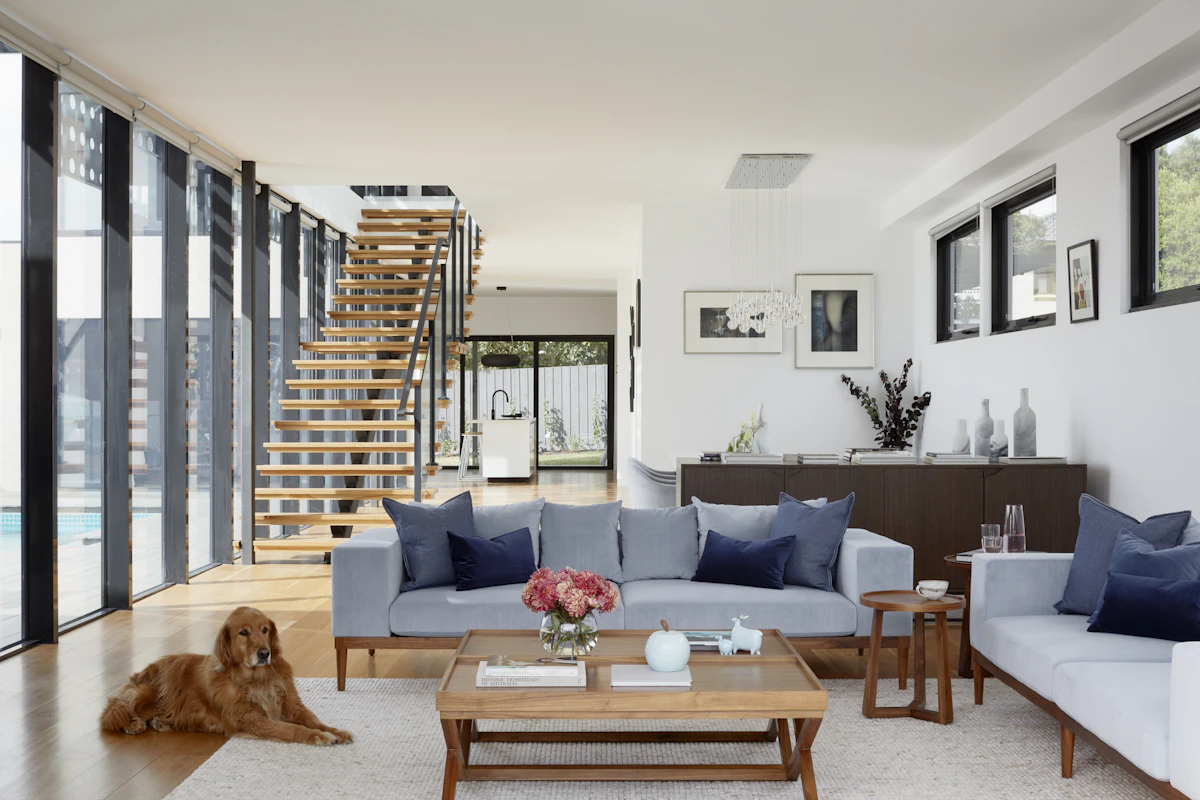
Edit until it breathes
Small rooms do not forgive clutter. Every object competes for attention, so choose carefully. If something is not beautiful or useful, it probably does not belong. The eye needs room to rest.
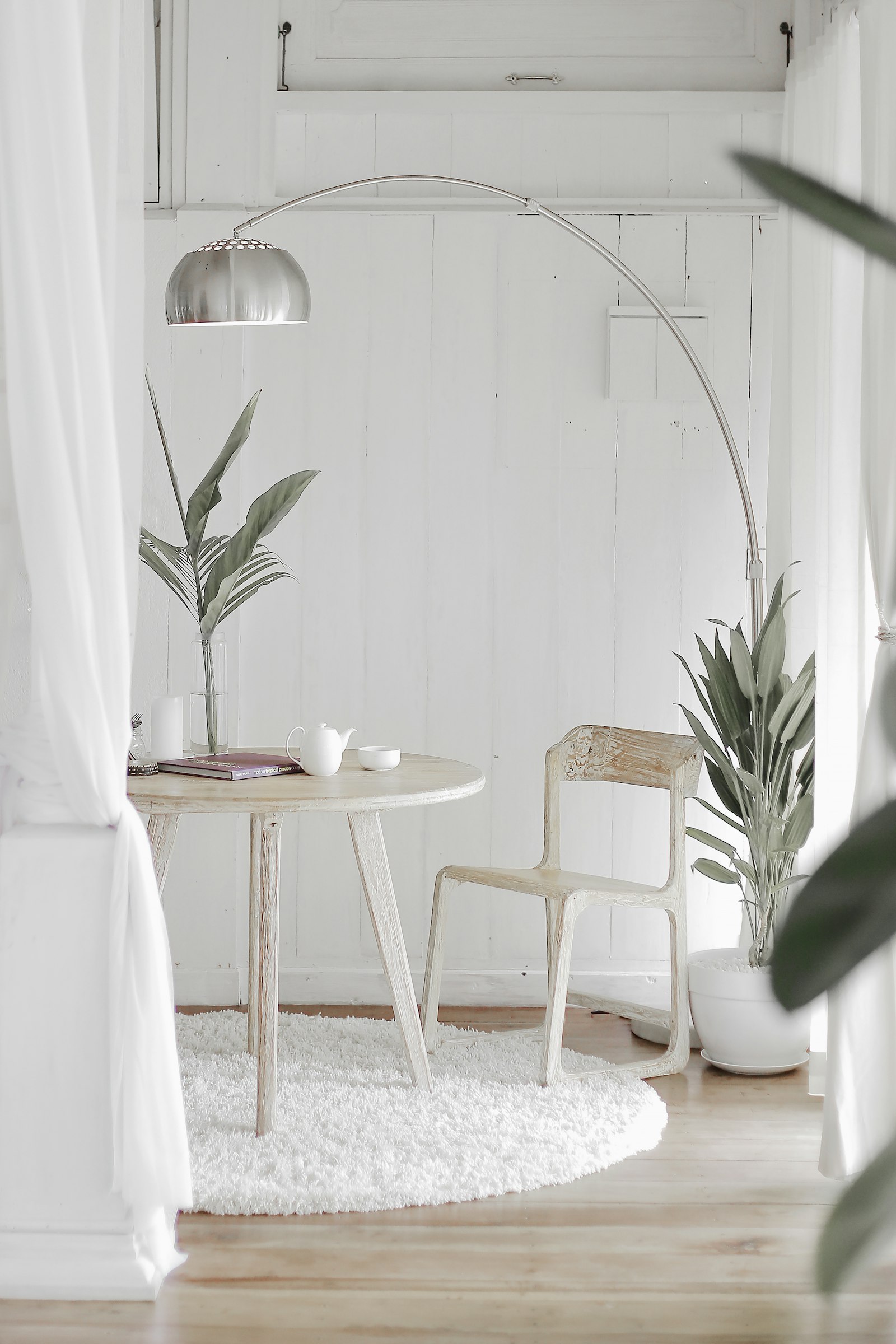
Leave surfaces mostly empty. A single candle, one book, or a small plant is enough. Negative space is what lets a small room feel calm instead of crowded. Less becomes the luxury.
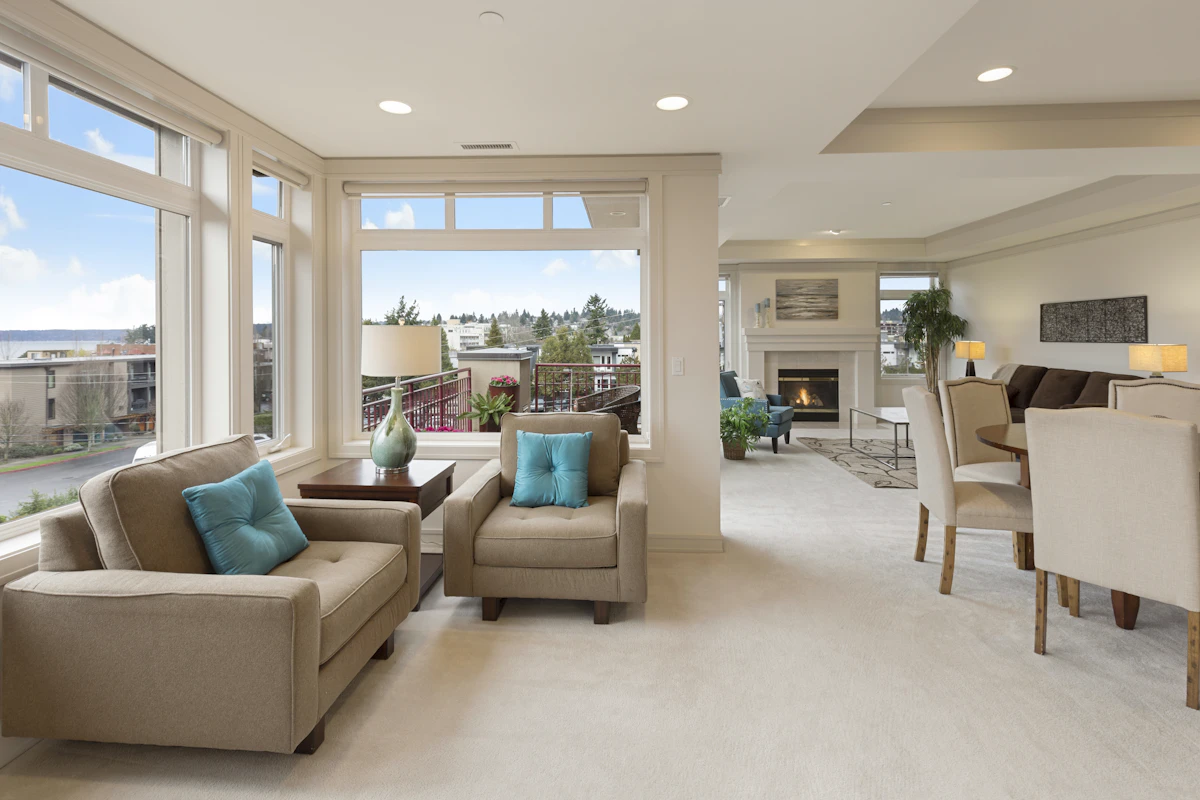
Live in it fully
A hug-like living room is not a showpiece. It is a place for real life: long conversations, afternoon naps, messy snacks, and quiet evenings. The more memories it holds, the warmer it feels.
The more you actually use the room, the more it gives back. Small spaces have a way of gathering meaning quickly. Before long, it will feel less like a room and more like a familiar embrace.
Related reads
Frequently asked questions
Should I use mirrors to make my small living room look bigger?
Only if you want more light. Do not use mirrors just to fake space. A small room can be beautiful without pretending to be larger.
What colors make a small living room feel cozy?
Warm neutrals like oatmeal, camel, terracotta, sage, and dusty rose create a welcoming feeling. Avoid cold gray and bright white if you want warmth.
How do I keep a small living room from feeling cluttered?
Edit ruthlessly. Remove one item for every new one you add, and keep surfaces mostly empty. Negative space is essential in small rooms.
Is it okay to have one large sofa in a tiny room?
Often yes. One well-scaled piece can make the room feel whole, while several small pieces can make it feel busy and broken up.