Start With a Quiet Foundation
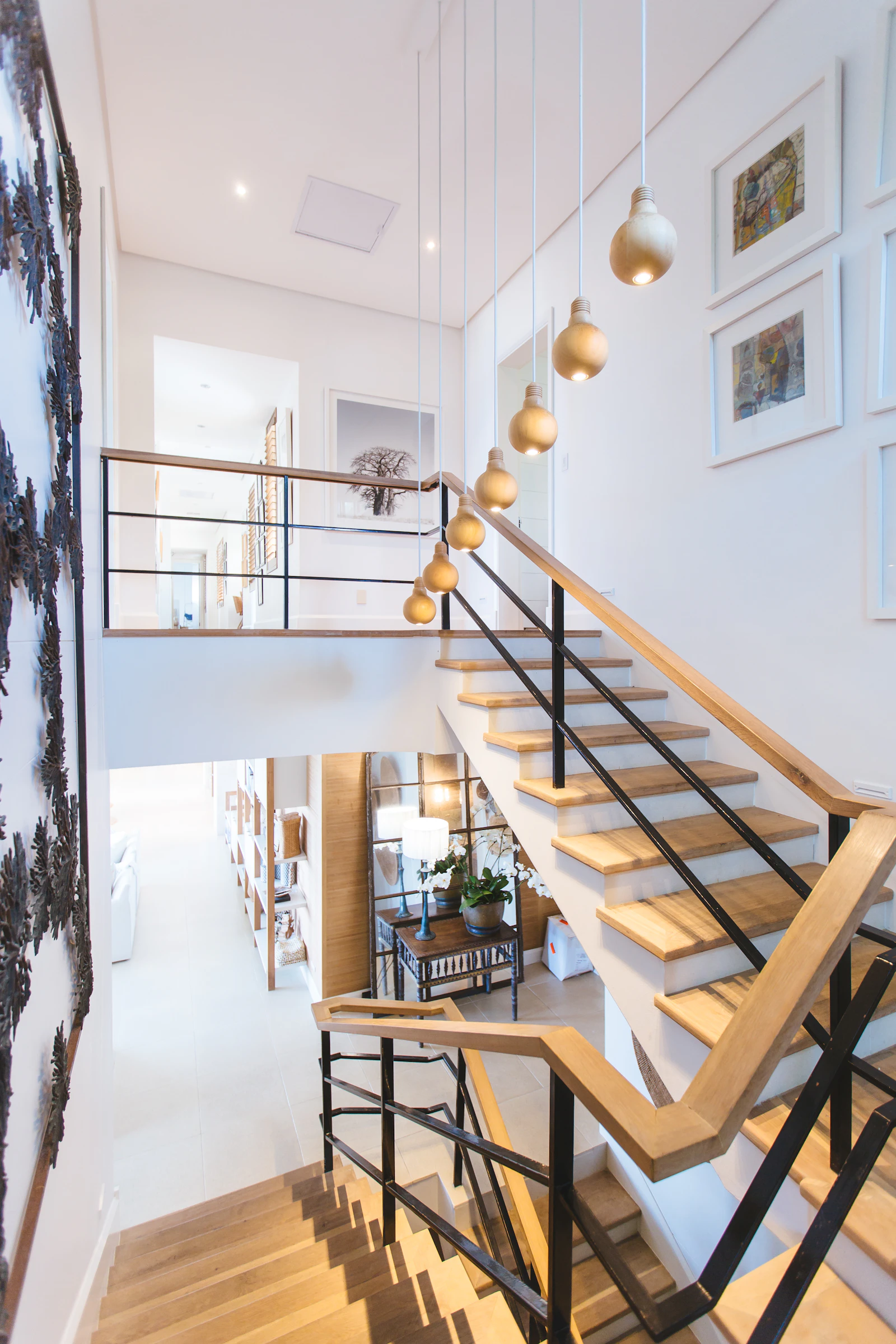
The Japandi living room begins with a muted background that lets natural materials speak rather than compete. Think warm white walls, pale oak floors, or a soft clay-toned plaster that catches afternoon light. Avoid bright whites that feel clinical; instead choose pigments with a hint of grey, beige, or greige so the room settles in around you. The goal is a quiet envelope that supports everything else.
Keep base colors consistent across large surfaces so the eye can rest. In a typical American living room, painting trim the same shade as the walls removes visual breaks and makes the ceiling feel higher. A single tone from floor to ceiling sets the stage for furniture and textiles. Once the foundation is calm, each object you add carries more weight.
Choose Low, Honest Furniture
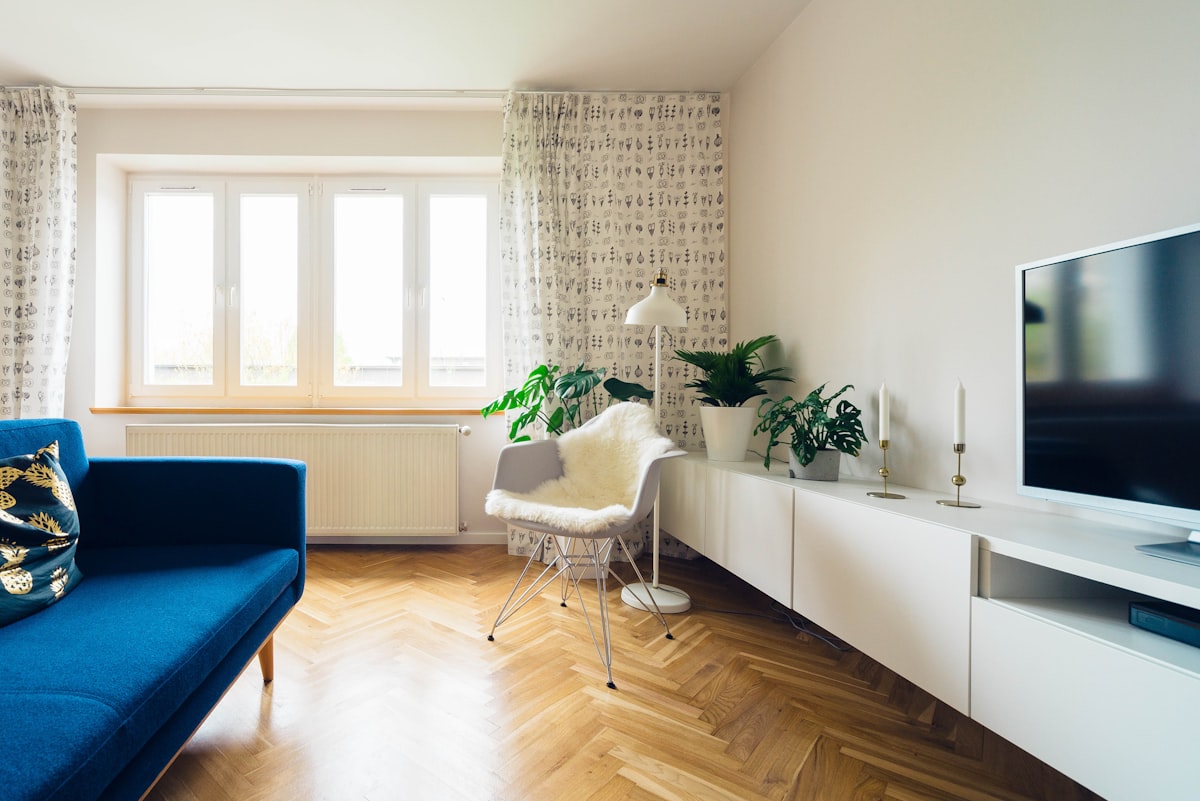
Low furniture is the signature of a Japandi living room. A sofa with a low back and exposed wooden legs keeps sightlines open and the mood grounded, while a simple rectangular coffee table in ash, walnut, or bamboo shows the material's honest grain. The horizontal lines encourage a slower, lounging posture. Choose frames with clean joinery and no heavy ornamentation so each piece feels considered rather than showy.
American retailers often sell mid-century frames that work well when stripped of bulky cushions and loose covers. Avoid oversized sectionals that dominate the floor plan; a two or three-seat sofa plus one armchair gives you flexibility without filling the room. Leave a clear path between pieces so the space can breathe. Negative space around furniture is what makes Japandi feel calm, not empty.
Layer Natural Textures Without Clutter
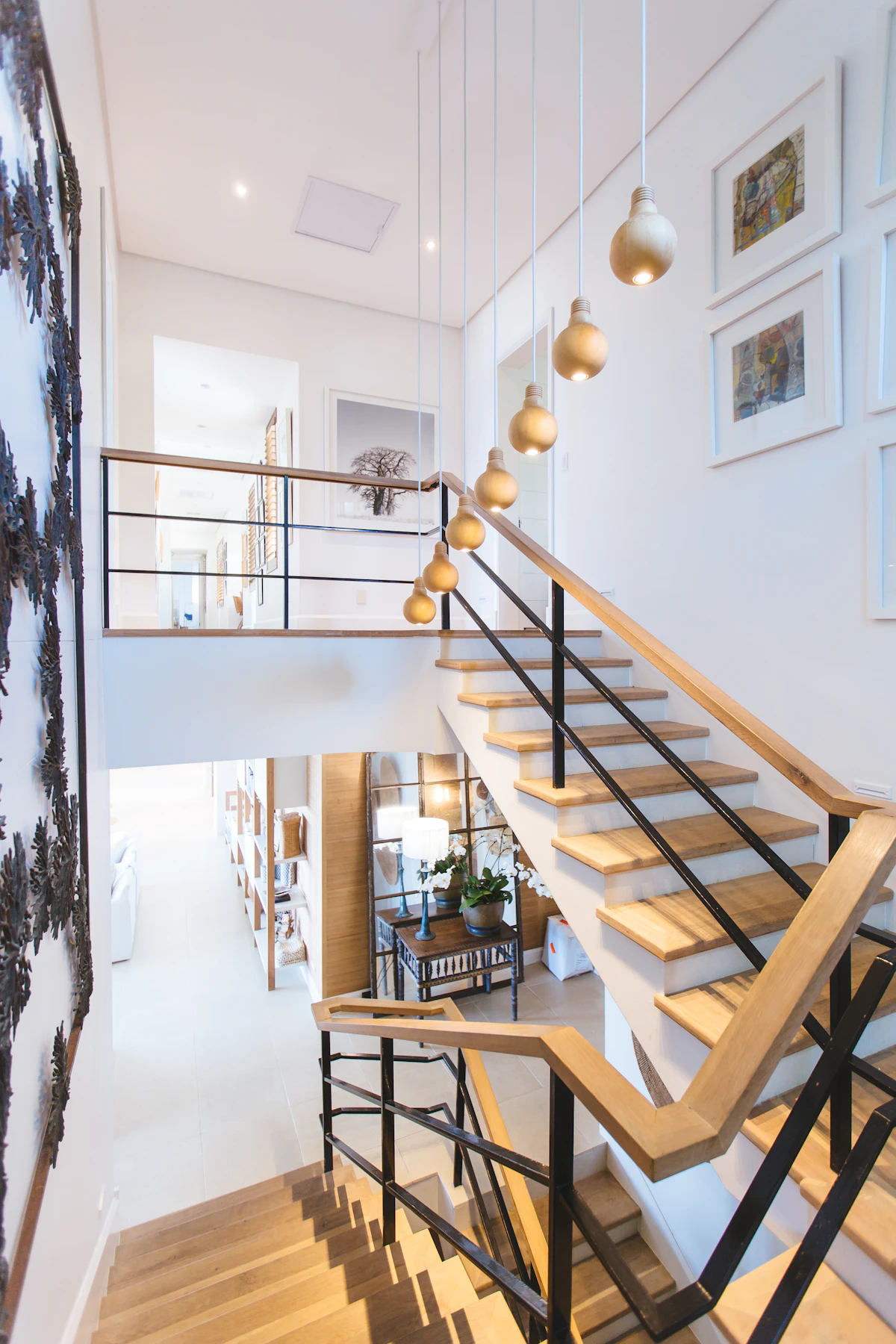
Texture replaces pattern in Japandi design. Combine linen curtains, a wool throw, a woven jute rug, and ceramic accents to add warmth without noise. Each textile should feel good to touch because comfort is part of the philosophy, not an afterthought. Keep textures within a tight tonal range so the room stays cohesive rather than busy. A tonal palette lets a rough texture sit next to a smooth one without conflict.
Limit each texture to one or two appearances so the room does not become busy. A single chunky knit across the sofa, paired with a flat-weave rug, is enough to keep the space interesting. Store small items in woven baskets to maintain the clean surfaces that make the style restful. The fewer competing textures, the more each one matters. Rotate textiles seasonally so the room always feels a little different.

Balance Light and Shadow
Japandi spaces borrow from Japanese interiors by celebrating both light and shadow. Use sheer linen curtains to soften harsh daylight while preserving privacy and framing the window. In the evening, rely on paper or rice-shade floor lamps instead of harsh overhead fixtures. The glow should feel like dusk, not a spotlight. Layered light also helps define separate zones for reading, conversation, and quiet.
A warm 2700K bulb keeps the glow flattering after sunset. Place one lamp beside the sofa and another in a corner so the light pools rather than floods the room. This layering creates the calm, dusky atmosphere that makes a living room feel like a retreat. Avoid cool white bulbs that flatten color and texture. Paper shades diffuse light gently and cast soft shadows on the walls.

Add Greenery as Sculpture
Plants in a Japandi living room should feel intentional, not random. Choose one sculptural specimen such as a fiddle leaf fig, olive tree, or Japanese maple in a simple ceramic pot. Place it where it can stand alone as a focal point rather than blending into a crowd. One strong plant shape reads as art. Place the pot on a simple wooden stand to lift the plant into the sightline.
If natural light is limited, a few stems in a narrow vase on the mantel or shelf work just as well. The goal is restraint; a single branch can have more impact than a cluster of small pots. Treat greenery like a rotating art piece and give it breathing room. Remove anything that has started to look tired or leggy.

Edit Decor Down to What Matters
A Japandi room does not display everything you own. Pick a few objects with meaning, a handmade ceramic bowl, a framed ink drawing, or a smooth river stone, and let them sit on open shelves or a side table. When every item has a story, the room feels personal instead of decorated. Quality wins over quantity here. Each object should feel like a small gift rather than a decoration. A single well-chosen object often says more than a dozen decorative items.
Rotate objects seasonally rather than adding more. Empty surfaces are not wasted; they give the chosen pieces space to matter and the eye a place to rest. This discipline is what separates Japandi from a generic minimalist look. It also makes cleaning and rearranging far easier throughout the year. The fewer items on display, the more each one means. This habit makes the room feel lighter every season.
Keep the Floor Plan Open
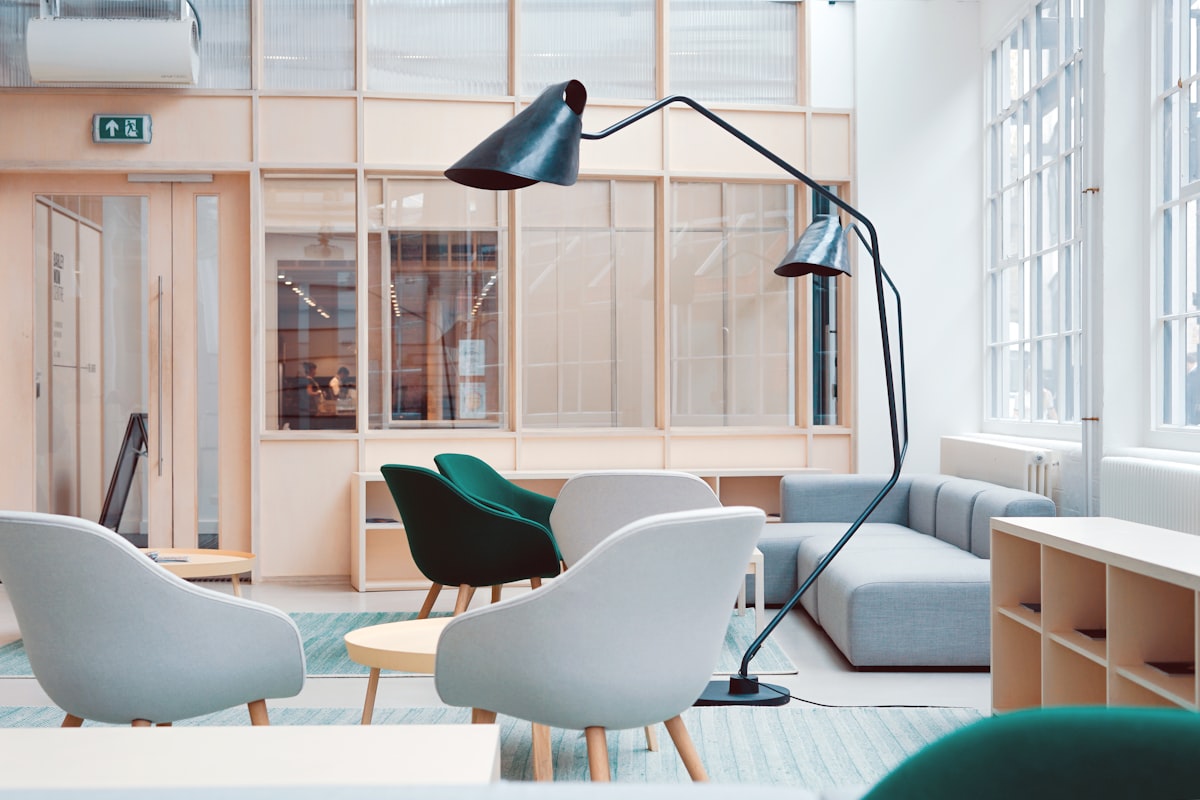
Movement matters in Japandi design. Leave clear pathways between seating and avoid pushing every piece against the wall. Float the sofa slightly away from the wall and create a small conversation zone in the center of the room. The arrangement should invite slow circulation rather than block it. A clear path from entry to window makes the whole room feel longer.
Negative space is as important as the furniture. In a compact American living room, this can mean choosing a narrower sofa and one side table instead of a full set. The result is a room that breathes and feels larger than its square footage. Resist the urge to fill every corner; the emptiness is part of the design. Editing the furniture list is often harder than buying more, but the result is calmer.

Related reads
- Cozy Night Living Room Ideas: 9 Setups for Real Wind-Down Time
- Rainy-Day Living Room Ideas for Cozy Indoor Days
- Natural Wood Home Office Ideas for Calm Focus
- A Living Room for Slow Sunday Mornings
- Open Concept Living Room Ideas: Define Spaces Without Walls
- Bookshelf Ideas: Storage That Shows Off Your Style
Frequently asked questions
What is the difference between Japandi and Scandinavian design?
Scandinavian design leans brighter and more casual, while Japandi adds Japanese restraint, darker wood tones, and a focus on asymmetry and empty space.
Can I use color in a Japandi living room?
Yes, but keep it muted. Clay, moss, charcoal, and indigo work well as small accents against a neutral base.
What wood tones work best for Japandi furniture?
Light ash, pale oak, and warm walnut are ideal. Avoid orange-toned woods and high-gloss finishes.
How do I keep a Japandi room from feeling cold?
Add texture through linen, wool, and ceramics. Warm lighting and one live plant make the space feel lived-in.