Designing Around the Evening Hour
A living room can look completely different at night than it does during the day. Sunlight hides clutter and flatters every color, but evening exposes harsh shadows, cold corners, and spaces that feel too bright or too dim. Designing for nighttime means planning for the mood you want after the sun sets.
The best evening rooms feel enclosed and safe without being cave-like. Lower light levels, softer textures, and furniture grouped for conversation all help. Think about where you actually sit after dinner. That spot should be the most comfortable place in the room, not an afterthought pushed against the far wall.
Start by walking through the room after sunset. Notice which lights feel harsh, which corners disappear into darkness, and where you naturally want to settle. Those observations will guide every decision better than any design formula. Your evening self knows what the room needs better than a magazine spread.
Layered Lighting for Soft Shadows
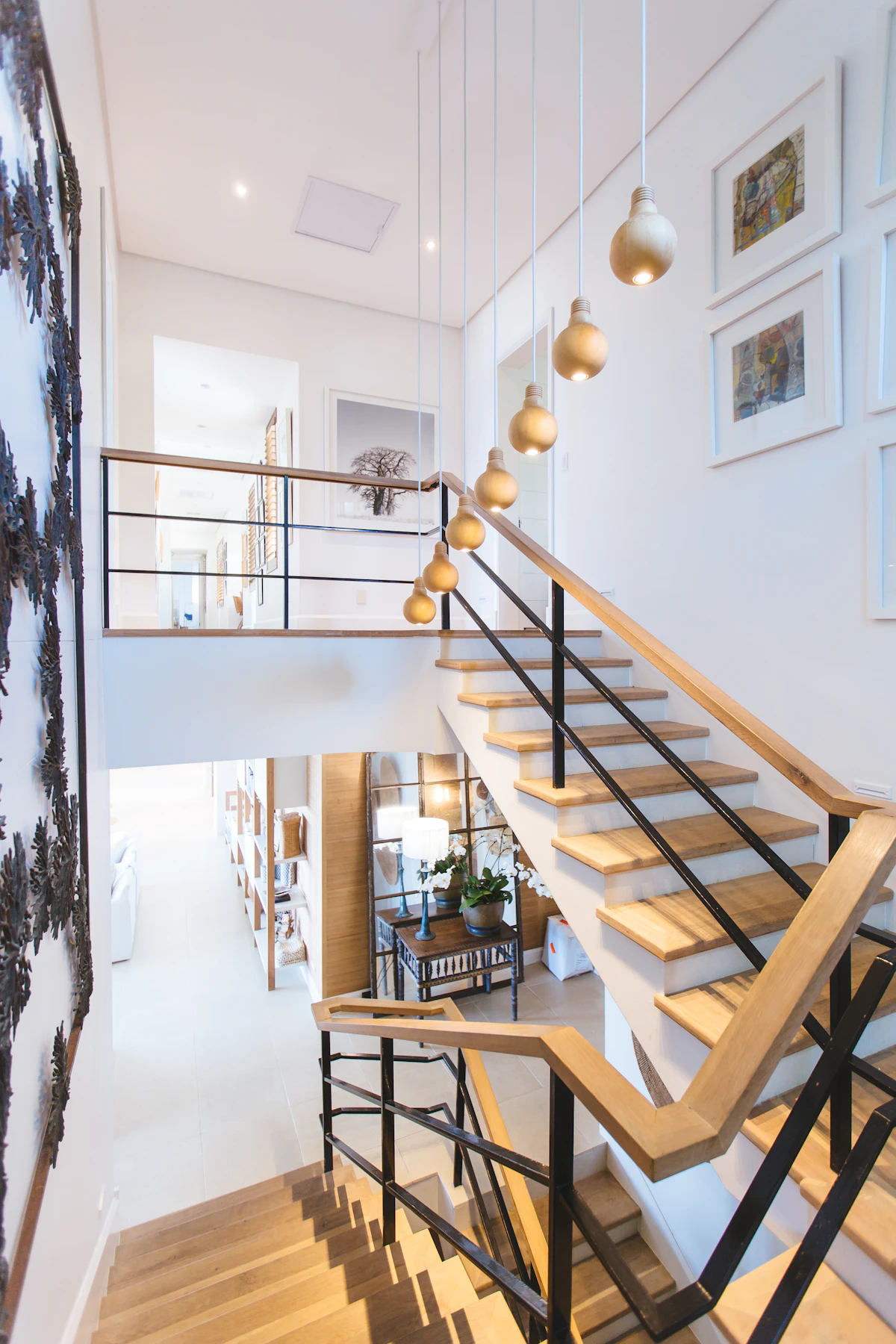
Overhead lighting is rarely cozy at night. Instead, build layers of light from multiple sources. Floor lamps, table lamps, and wall sconces create pools of warmth rather than one flat wash. Aim for at least three light sources in a medium-sized living room, each at a different height for visual depth.
Dimmer switches let you adjust the mood without changing bulbs. Warm color temperatures around 2200 to 2700 Kelvin feel most relaxing after dark. Avoid daylight bulbs in the evening because their blue tones can suppress melatonin and make it harder to wind down before bed.
Candles add movement and warmth that electric light cannot match. Place a few on a coffee table or mantel, but keep them away from drapes and upholstery. Flameless LED candles are a safer option for households with pets or children, and modern versions flicker convincingly enough to fool the eye.

The Right Temperature and Texture
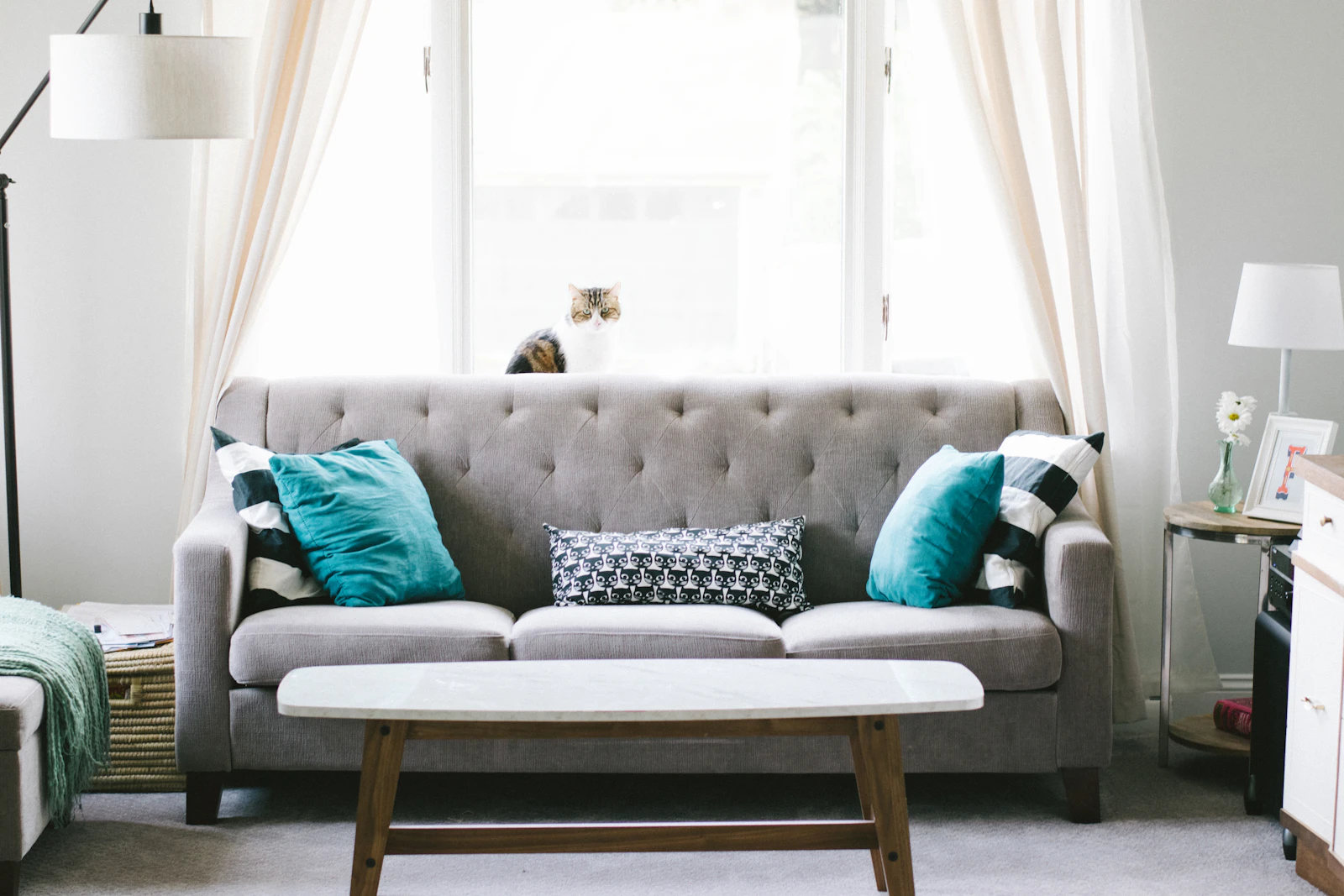
A cozy room needs to feel warm, not just look warm. Layer throws and pillows in natural materials like wool, cotton, and linen. Chunky knit blankets draped over the sofa arm invite use. Extra pillows on the floor create a relaxed atmosphere and give guests somewhere to lean during long conversations.
Rugs matter at night because they absorb sound and soften hard surfaces. A large area rug that extends under the front legs of the sofa anchors the seating area. In colder months, a thicker pile feels better underfoot. Choose darker or richer tones for evening since they absorb light and hide shadows.
Curtains add another layer of softness and help block streetlights. Velvet, linen, or heavy cotton panels frame the windows and make the walls feel less bare. Close them as part of your evening routine to signal that the day is done and the room is now for rest instead of productivity.

A Place to Put Your Feet Up
Every cozy living room needs at least one spot where you can fully recline. An ottoman, chaise, or deep sofa with a footrest lets your body relax completely. Without this option, you may end up retreating to bed just to get comfortable, which defeats the purpose of having a dedicated evening space.
Position the footrest within reach of the main seat but not blocking traffic. A storage ottoman doubles as a blanket chest. A small pouf can move where it is needed and tucks away easily. The best setups let you shift positions without getting up to rearrange furniture.
If the sofa is too deep for shorter family members, add a pillow behind the lower back. This small adjustment makes the same piece more comfortable for everyone. Comfort is personal, and the room should support different bodies and preferences without forcing anyone into an awkward posture.

Sound and Silence
Noise shapes how cozy a room feels as much as light does. Soft furnishings absorb echo, which is why an empty room can feel cold even when it looks beautiful. Add curtains, rugs, pillows, and upholstered furniture to dampen sound. Bookshelves and plants also break up hard surfaces and add texture.
For intentional sound, a small Bluetooth speaker or record player can fill the room with music. Choose a speaker with warm audio rather than one that sounds tinny at low volumes. Soft jazz, acoustic guitar, or ambient playlists work better than upbeat pop when you are trying to relax after a busy day.
Sometimes the coziest choice is silence. Turn off the television, close the laptop, and let the room settle. A quiet living room gives your mind a place to land. Build the space so silence feels welcome rather than empty, like a breath held between activities.
Screen-Free Corners
Screens emit blue light that keeps the brain alert. A living room designed for evening relaxation should offer at least one place where screens are not the focus. This might be a reading chair near a lamp, a window seat with cushions, or a small table for puzzles, cards, and conversation.
Make the screen-free corner the most inviting spot. Angle the chair toward the room, add a soft throw, and place a side table within reach for tea. The easier it is to settle in, the more likely you are to choose a book over scrolling before bed.
If the television must stay, hide it behind sliding panels or inside a cabinet. Out of sight, out of mind is a real effect. When the screen disappears, the room immediately feels more human and less like an entertainment center demanding attention.
Scents That Signal Rest
The nose is a direct path to relaxation. A diffuser with lavender, sandalwood, or vetiver can make the living room feel like a retreat. Place it near the seating area but not so close that the scent becomes overwhelming. Start it an hour before you plan to unwind so it fills the room gently.
Scented candles add both fragrance and flicker. Keep the scent subtle and consistent throughout the house so different rooms do not compete. Avoid synthetic fragrances if you are sensitive to headaches. Natural soy or beeswax candles with essential oils tend to burn cleaner and throw scent more gently.
Fresh air still matters in the evening. Open a window for ten minutes before settling in, or run an air purifier on low. Stale air makes even the warmest room feel heavy. A gentle exchange of air keeps the space feeling alive and breathable through the night.
Related reads
- Movie Night Room Ideas: Cozy Home Theater on a Budget
- Rainy-Day Living Room Ideas for Cozy Indoor Days
- Japandi Living Room Ideas: 10 Calm Spaces That Blend Form and Warmth
- Bookshelf Ideas: Storage That Shows Off Your Style
- A Living Room for Slow Sunday Mornings
- Open Concept Living Room Ideas: Define Spaces Without Walls
Frequently asked questions
What color temperature is best for evening lighting?
Warm light between 2200 and 2700 Kelvin feels most relaxing after dark. Use dimmers to adjust brightness as the evening progresses.
How do I make my living room cozy without buying new furniture?
Add layered lighting, a soft throw, a few pillows, and dim the overhead lights. Rearrange seating into a conversational grouping if possible.
Are LED candles a good alternative to real candles?
Yes. Modern flameless candles flicker realistically and are much safer around pets, children, and curtains.
What scents help with relaxation in the evening?
Lavender, sandalwood, and vetiver are calming choices. Use a diffuser or natural soy candles for a subtle, consistent scent.