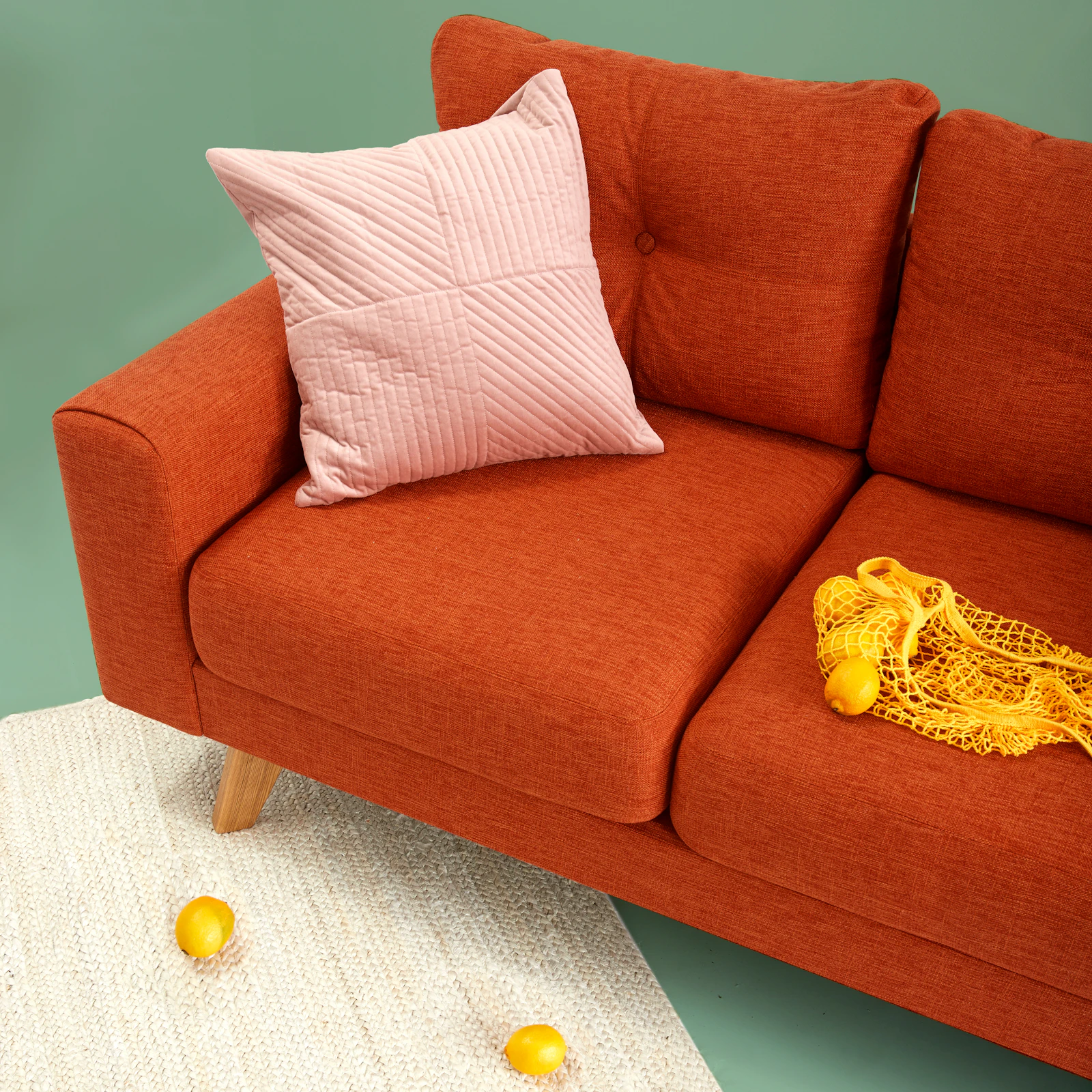
Introduction to Open Concept Living Room Ideas: Define Spaces Without Walls
An open concept living room flows into dining or kitchen areas. Use rugs, furniture placement, and lighting to create distinct zones. Whether you are starting fresh or refreshing one corner, the best results come from looking at the room from several angles at once.
This guide covers ideas across budget, layout, style, materials, and daily use. You do not need to follow every suggestion; pick the ones that fit your space and routine.
By the end, you will know how to balance comfort, function, and personality without making the room feel crowded or overdone.
Layered Lighting for Every Activity
Ambient light from the ceiling provides overall brightness. A dimmable overhead fixture lets you shift from tasks to evening relaxation.
Task lighting near reading chairs or desks prevents eye strain. Aim for a lamp height where the bulb is not visible when seated.
Accent light highlights art, plants, or architectural details. Small spotlights or picture lights add depth after dark.
Use warm bulbs, around 2700K, for a cozy atmosphere. Cooler light is better for detail work but can feel clinical in a living room.

Layout That Encourages Conversation
Start with the largest piece, usually the sofa, and angle it toward the main activity. In most homes that means facing a fireplace, TV, or window.
Keep seating within eight feet of each other. Larger rooms feel cold when chairs are scattered along the walls.
Leave a clear path from the entry to the seating area. A narrow opening makes the whole room feel cramped before anyone sits down.
Use a rug to anchor the conversation zone. Front legs of the sofa and chairs should sit on the rug for a connected look.

Color Palette and Texture Mixing
Start with a neutral base for large pieces. Sofas, rugs, and walls in beige, grey, or cream are easier to live with long term.
Add contrast through texture, not just color. Linen, wool, leather, and wood create interest without relying on bold patterns.
Repeat one accent color three times in different scales. A pillow, a book spine, and a vase in the same tone feel intentional.
Balance dark and light. Every room needs a little black or deep charcoal to ground lighter tones.

Common Mistakes to Avoid
Buying furniture without measuring is the most expensive mistake. A piece that is too large blocks flow; one too small looks lost.
Ignoring scale and proportion makes even beautiful pieces feel wrong. A tiny rug under a large sofa is a classic example.
Copying a photo exactly rarely works. Your light, ceiling height, and lifestyle are different from the room in the image.
Adding too many items too fast. Live with the basics first, then add personality in layers over time.

Where to Start This Weekend
Pick the biggest pain point first. The area that frustrates you daily is where small changes will feel most rewarding.
Clear everything out that does not belong. A clean surface makes it easier to see what the room actually needs.
Make one anchor decision: a paint color, a rug, or a key piece of furniture. Everything else can follow that choice.
Set a firm budget and timeline. Scope creep is real; finishing one defined project feels better than starting three.

FAQ
Q: How do I start with open concept living room? A: Choose one anchor decision, such as layout, color, or budget, then build the rest of the room around it.
Q: What is the most cost-effective upgrade? A: Lighting and textiles usually give the biggest visual change for the smallest budget.
Q: How do I keep the room from feeling cluttered? A: Leave empty space on every surface, store items behind closed doors when possible, and edit decor regularly.
Related reads
- A Pet-Friendly Living Room That Still Looks Grown Up
- Living Room Curtain Ideas That Frame Your Windows
- Living Room Organization Ideas: Keep Your Main Space Tidy
- TV Stand Ideas: Style and Storage Around the Screen
- Bookshelf Ideas: Storage That Shows Off Your Style
- Apartment Living Room Ideas: Maximize Style in Small Space
Frequently asked questions
How do I start with open concept living room?
Choose one anchor decision, such as layout, color, or budget, then build the rest of the room around it.
What is the most cost-effective upgrade?
Lighting and textiles usually give the biggest visual change for the smallest budget.
How do I keep the room from feeling cluttered?
Leave empty space on every surface, store items behind closed doors when possible, and edit decor regularly.