Light Is a Signal, Not Just Illumination
We tend to think of light as something that helps us see. But light also tells the body what time it is. Bright, cool light signals morning and alertness. Dim, warm light signals evening and rest. The lamps we choose after sunset are not just decorative. They are part of our circadian rhythm.
When the home stays brightly lit until bedtime, the brain receives mixed messages. The body knows it is dark outside, but the artificial environment says otherwise. This conflict can delay melatonin production, making it harder to fall asleep and harder to sleep deeply.
Evening light quality affects sleep hours later. A softly lit living room at eight in the evening can help you fall asleep more easily at eleven. The transition is gradual, invisible, and surprisingly powerful.
Why Bright Light Keeps Us Wired
Modern homes are designed for visibility above all else. Ceiling fixtures, recessed cans, and under-cabinet strips flood rooms with uniform brightness. This is useful for cooking, cleaning, and working. It is not useful for winding down.
Bright overhead light flattens a room. It removes shadows, depth, and the sense of enclosure that makes a space feel cozy. It also keeps the nervous system alert. The body interprets high light levels as a sign that activity is still required.
At night, you do not need to illuminate every corner. You need to illuminate the places where you are. A reading lamp beside the sofa. A bedside lamp for the bedroom. A small counter light in the kitchen. These pools of light create intimacy without demanding alertness. Shadows become part of the architecture, letting the room settle into itself rather than performing at full brightness.
The Case for Warm Bulbs
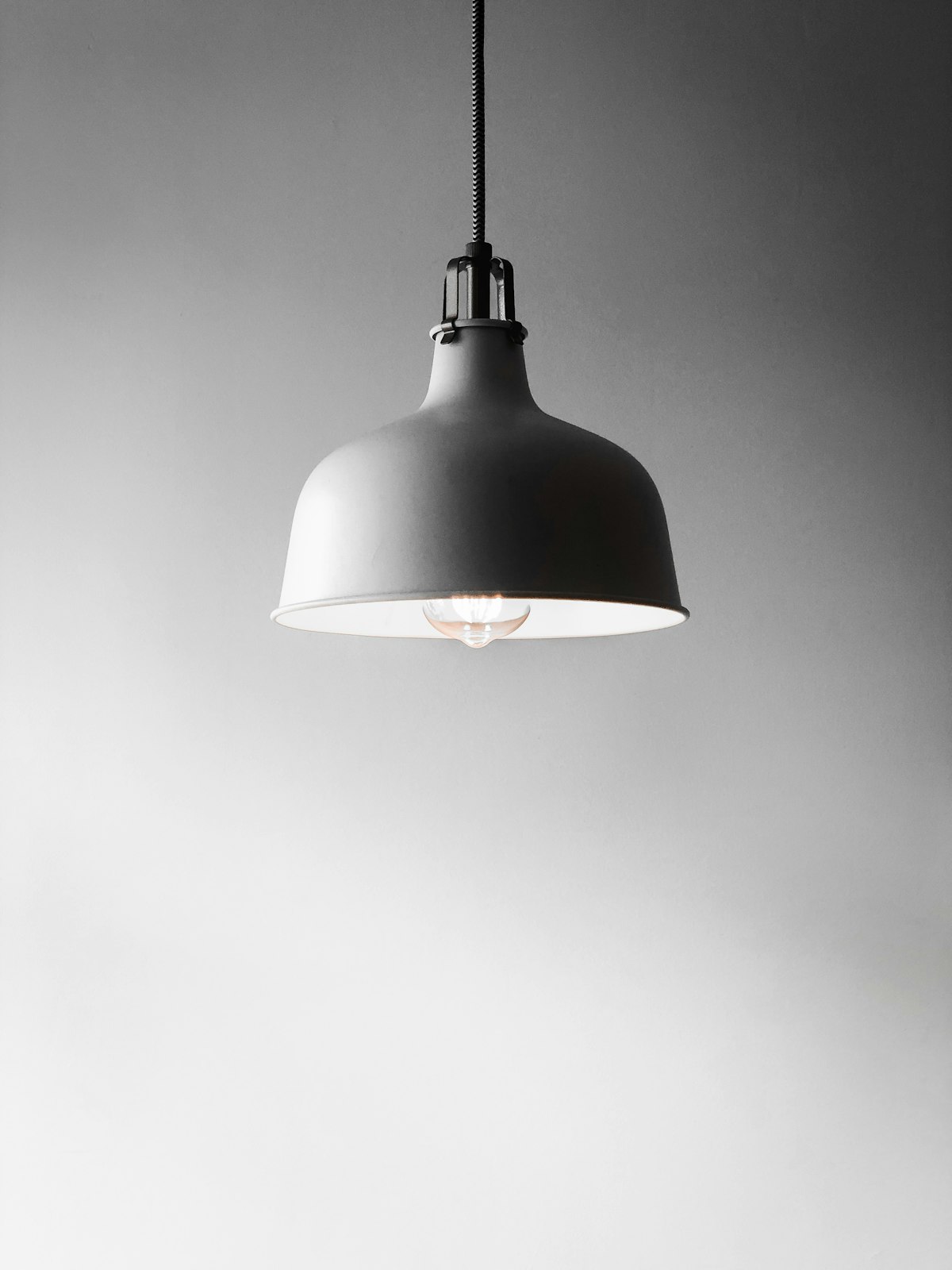
Color temperature is measured in Kelvin. Lower numbers mean warmer, yellower light. Higher numbers mean cooler, bluer light. For evening spaces, bulbs between 2200 and 2700 Kelvin are ideal. They mimic the warm glow of sunset and candlelight.
Cool white bulbs around 4000 Kelvin or higher are better suited for daytime tasks. Using them at night is like serving coffee at bedtime. The light may look clean and modern, but it works against your biology. Swapping evening bulbs for warm ones is one of the cheapest and most effective lighting upgrades you can make.
Look for bulbs labeled warm white, soft white, or amber. Dimmable versions give you even more control. The ability to lower intensity as the night goes on lets the home wind down with you. For more on layered lighting strategies, read <a href="/reading/lighting/layered-lighting-for-real-life/">Layered Lighting for Real Life</a>.

Layering Light for Evening Calm
A single ceiling light cannot create evening mood. Recovery lighting relies on layers. Each layer has a different height, intensity, and purpose. Together they create a room that feels wrapped in light rather than flooded by it.
Start with ambient light at a low level. This might be a dimmed ceiling fixture or a few wall sconces. Then add task lighting where you actually need to see, such as a reading lamp or kitchen counter light. Finally, add accent light for atmosphere. Candles, fairy lights, or a small table lamp in a dark corner all count.
The goal is contrast. Bright spots next to darker areas give the eye places to rest. A fully bright room feels active. A room with depth feels calm. Evening lighting should create shadow as much as it creates light.
Room by Room Transitions
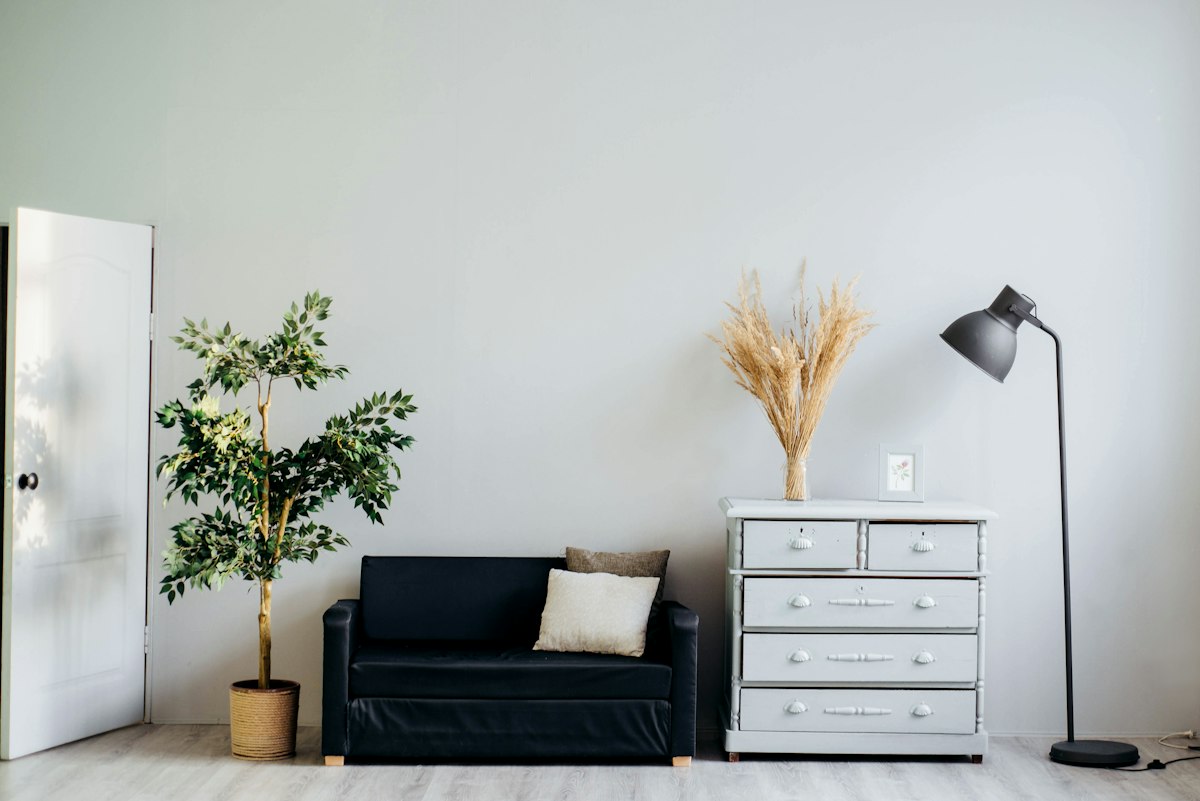
Each room in the home can participate in the evening wind-down. In the living room, turn off overhead lights and rely on lamps. In the kitchen, use a single under-cabinet light instead of the full ceiling array. In the bathroom, a dim night-light or a warm vanity bulb makes late-night visits less jarring.
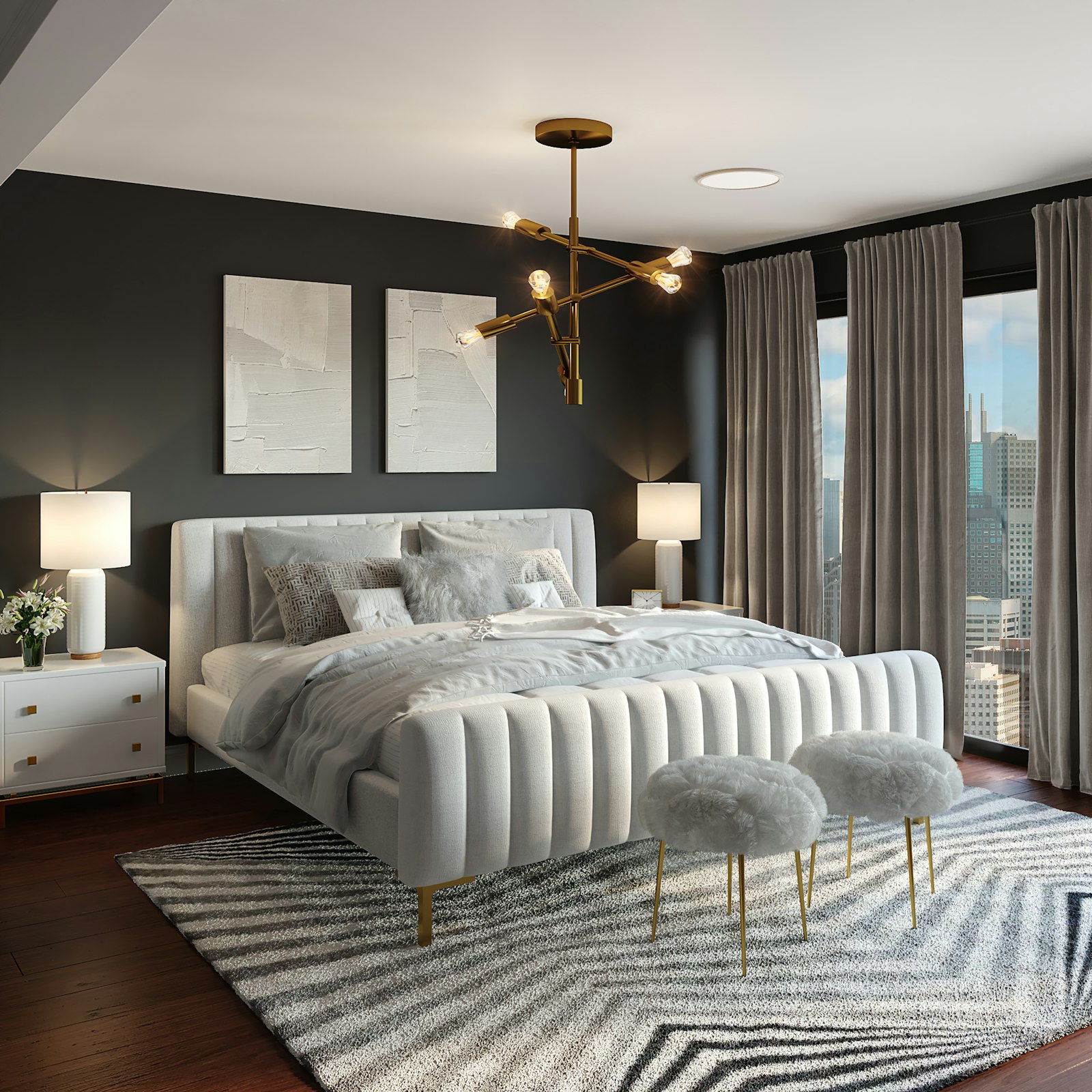
The bedroom deserves the softest light of all. A bedside lamp with a warm bulb is enough for reading and preparing for sleep. Avoid screens and bright ceiling lights in the hour before bed. The bedroom should be the dimmest room in the house.
Hallways and entryways are often forgotten. A small sconce or plug-in night-light keeps these spaces navigable without pulling the whole house back into daytime mode. Consistency across rooms helps the entire home feel like it is settling in for the night.
Building an Evening Lighting Habit
The best lighting design is useless if you never dim the switches. Create a simple evening routine that gradually reduces light intensity. An hour after sunset, turn off the brightest overhead fixtures. Thirty minutes before bed, switch to lamps and candles only.
Smart bulbs and dimmers make this easier, but they are not necessary. A few well-placed lamps with warm bulbs and manual switches can do the same job. The ritual matters more than the technology. The act of dimming the lights becomes a signal to the body that the day is ending.
Soft light is not about darkness. It is about the right kind of brightness at the right time. A home that dims with the sun becomes a home that helps you recover. The reward is not just better sleep. It is a gentler end to every day. For more on designing bedrooms for rest, explore <a href="/reading/bedroom/japandi-bedroom-for-sleep/">The Japandi Bedroom That Actually Helps You Sleep</a>.
Frequently Asked Questions
Q: What color temperature is best for evening lighting?
A: Look for bulbs between 2200 and 2700 Kelvin. These warm tones support relaxation and help your body prepare for sleep.
Q: Can I use smart bulbs for evening lighting?
A: Yes. Smart bulbs let you schedule dimming and color temperature changes. Just make sure they can produce truly warm, low light.
Q: Is it okay to use candles instead of lamps?
A: Candles provide excellent warm light, but they should be used safely and never left unattended. They are best as accent light alongside lamps.
Q: How do I make my bright rental feel calmer at night?
A: Add plug-in lamps with warm bulbs and avoid using overhead lights. Even in a rental, lamps can completely change the evening mood.
Q: Does dim light really improve sleep?
A: Dim, warm light signals to your brain that the day is ending. This supports melatonin production and makes the transition into sleep easier than bright, cool light.
Related reads
- Layered Lighting for Real Life
- The Japandi Bedroom That Actually Helps You Sleep
- Rainy-Day Living Room Ideas for Cozy Indoor Days
- Soft Light Ideas: Make Your Home Feel Calm at Night
- Natural Wood Home Office Ideas for Calm Focus
- Layered Lighting Ideas: Build Warmth and Depth at Home
- Luxury Bathroom Ideas: Elevated Details That Feel Worth It
- Bedside Lighting Ideas: 8 Fixtures for Better Sleep
Frequently asked questions
What is soft light for evening recovery?
How to wind down a home after sunset
Why does soft light for evening recovery matter?
We tend to think of light as something that helps us see.
How do I start with soft light for evening recovery?
Modern homes are designed for visibility above all else.
What is a simple tip for soft light for evening recovery?
Color temperature is measured in Kelvin. Lower numbers mean warmer, yellower light.