Why One Overhead Light Fails
Most homes are built around a single overhead light in the center of each room. It is practical, cheap, and easy to install. But it is also one of the worst ways to light a space where people actually live. A single ceiling light creates hard shadows under eyes, flattens the texture of a room, and erases the natural rhythm of the day. It turns every hour into the same washed-out moment.
The problem is not brightness. The problem is uniformity. When every corner of a room is lit the same way, nothing feels intimate, nothing feels focused, and nothing feels restful. You cannot relax in a room that feels like a conference center. You cannot read comfortably in a room where the light comes from directly above your head. And you cannot host a dinner that feels special when the same bulb is glaring over the table.
Layered lighting fixes this by dividing the job of illumination into different roles. Instead of one light doing everything, multiple light sources each do one thing well. The result is a room that changes with the time of day, the activity, and the mood you want. It is the difference between a room that is merely visible and a room that is truly livable.

The Three Layers You Actually Need
Layered lighting is usually described as three layers: ambient, task, and accent. Ambient light is the general glow that makes a room usable. It does not need to come from the ceiling. Floor lamps, wall sconces, and even indirect light bounced off walls can provide ambient light without the clinical feeling of a central fixture.
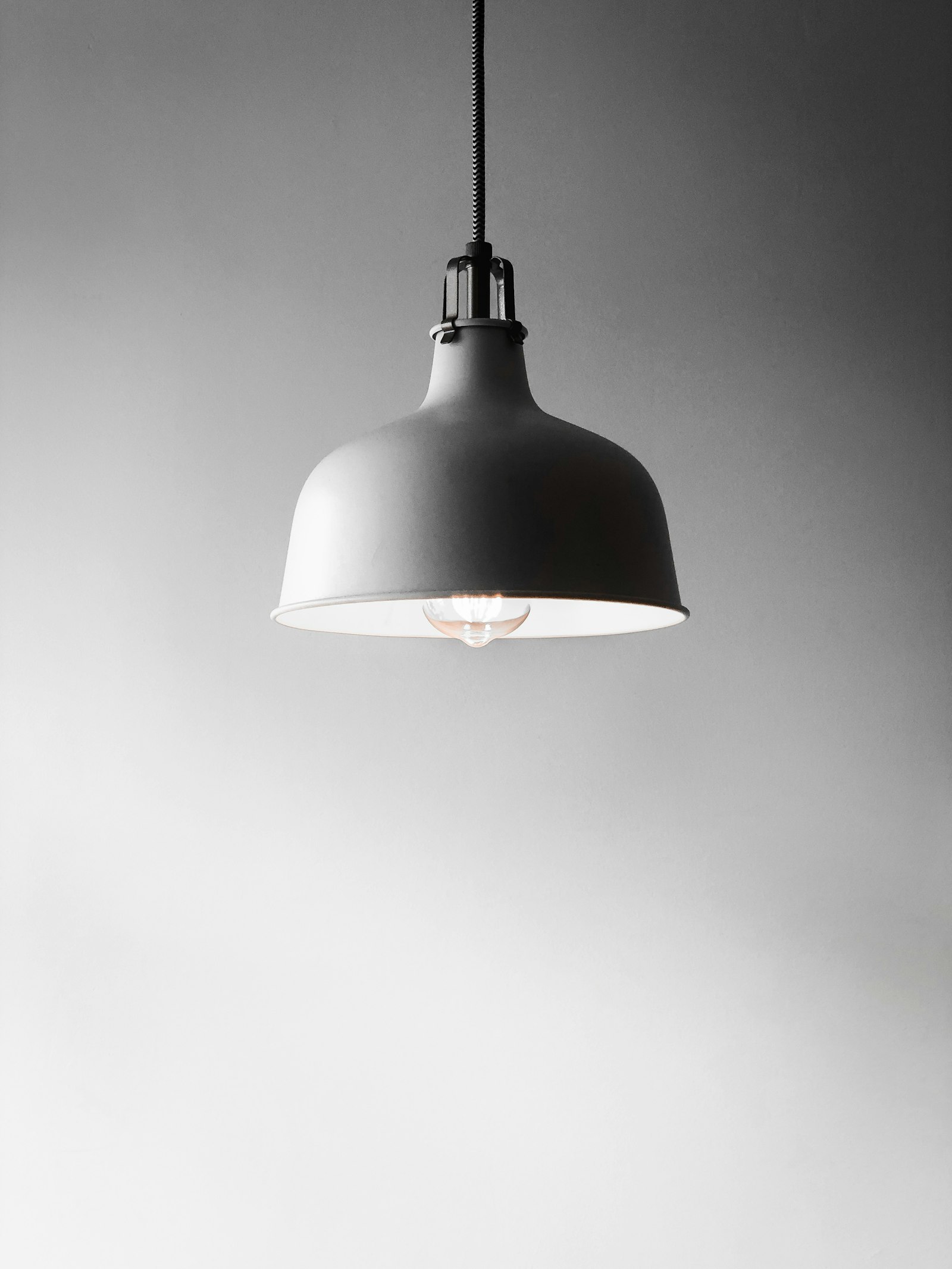
Task lighting is focused light where you need it. A desk lamp for working, a pendant over a kitchen island for chopping, a reading lamp next to a chair. Task lights put the right amount of brightness exactly where the activity happens, which means the rest of the room can stay softer. This is what prevents the all-over glare that makes rooms feel flat.
Accent lighting adds depth and emotion. It highlights a plant, a piece of art, a textured wall, or a bookshelf. It gives the eye places to land and creates the feeling that a room has been composed rather than simply illuminated. Without accent light, even a beautifully decorated room can feel two-dimensional at night.

Brighter Is Not Always More Comfortable
There is a common belief that a well-lit room is a bright room. But comfort and brightness are not the same thing. A room can be bright and still feel exhausting. Fluorescent offices are bright. Hospital waiting rooms are bright. What makes a room feel comfortable is the control you have over the light, not the total amount of it.
Dimmers are the simplest way to add that control. Being able to lower the lights in the evening changes how your body prepares for sleep. It signals that the active part of the day is ending. It also makes social gatherings feel more relaxed, because faces look softer and shadows become part of the atmosphere rather than problems to be eliminated.
Warm light temperature matters too. Bulbs in the 2700K to 3000K range feel more like candlelight and sunset. Cooler bulbs, especially those above 4000K, feel more like daylight or commercial spaces. For a home, warm light is usually the better default. It flatters skin tones, wood, and textiles in a way that cool light simply does not.
How to Light a Real Day
A real day in a home includes many different activities, and each one needs different light. In the morning, you might want brighter, cooler light in the kitchen to help you wake up and prepare food. In the afternoon, natural light may do most of the work, with just a floor lamp to fill in shadows. In the evening, the goal shifts to relaxation, which means dimmer, warmer light in the living areas.
The transition between these modes is just as important as the modes themselves. A home that snaps from bright to dark feels jarring. A home that gradually softens as the evening progresses feels natural. This is why having multiple circuits, dimmers, and portable lamps matters. You are not just turning lights on and off. You are conducting the mood of the house.
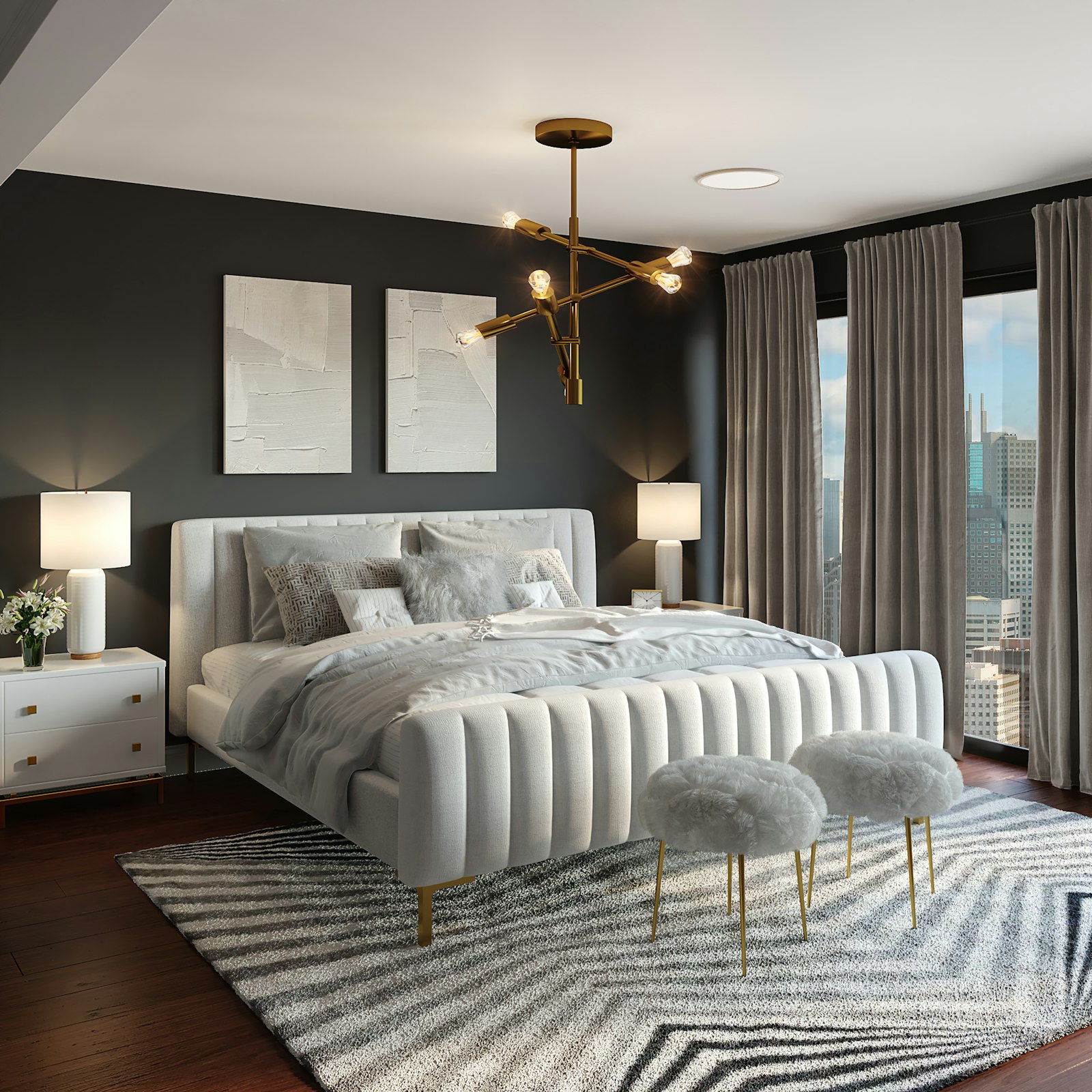
Bedrooms deserve special attention. Bright overhead light before bed can delay sleep by suppressing melatonin. Instead, bedside lamps with low-wattage bulbs, wall sconces with dimmers, or even candlelight can help the body wind down. For more on evening lighting, see our guide to <a href="/reading/lighting/soft-light-for-evening/">soft light for evening recovery</a>.
Choosing Fixtures That Work Together
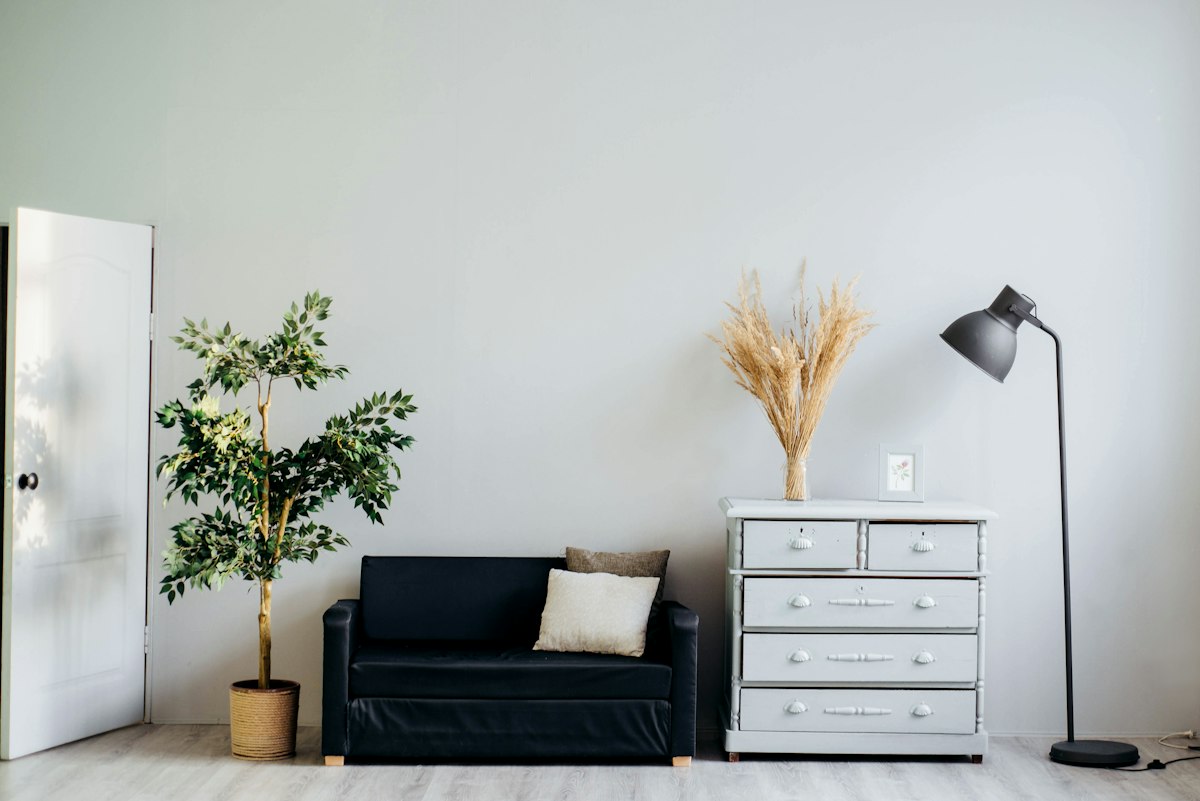
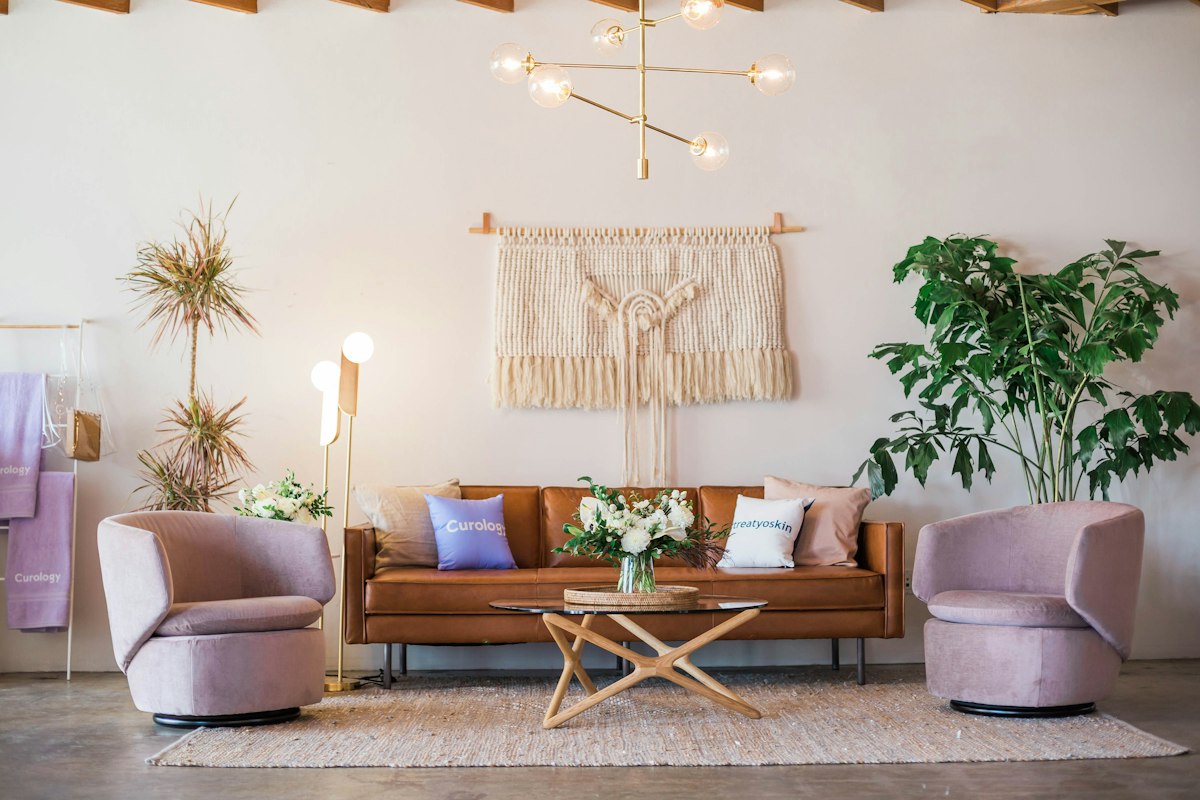
Layered lighting is not about buying more lamps. It is about buying the right lamps. Each fixture should serve a clear purpose. A dramatic pendant over a dining table is ambient or accent light, not task light. A slim reading lamp next to a chair is task light, not ambient light. When every fixture has a defined role, the layers work together instead of competing.
Scale and placement matter. A tiny lamp on a large console looks lost. A massive floor lamp next to a delicate chair feels aggressive. The best lighting plan considers the size of the furniture, the height of the ceiling, and the flow of the room. Light should feel intentional, not accidental.
Cord management is also part of the design. Nothing ruins a calm room faster than a tangle of visible cords running across furniture. Look for fixtures with fabric cords, cordless rechargeable options, or recessed outlets. The less you notice the infrastructure, the more you notice the light itself.
Small Changes With Big Impact
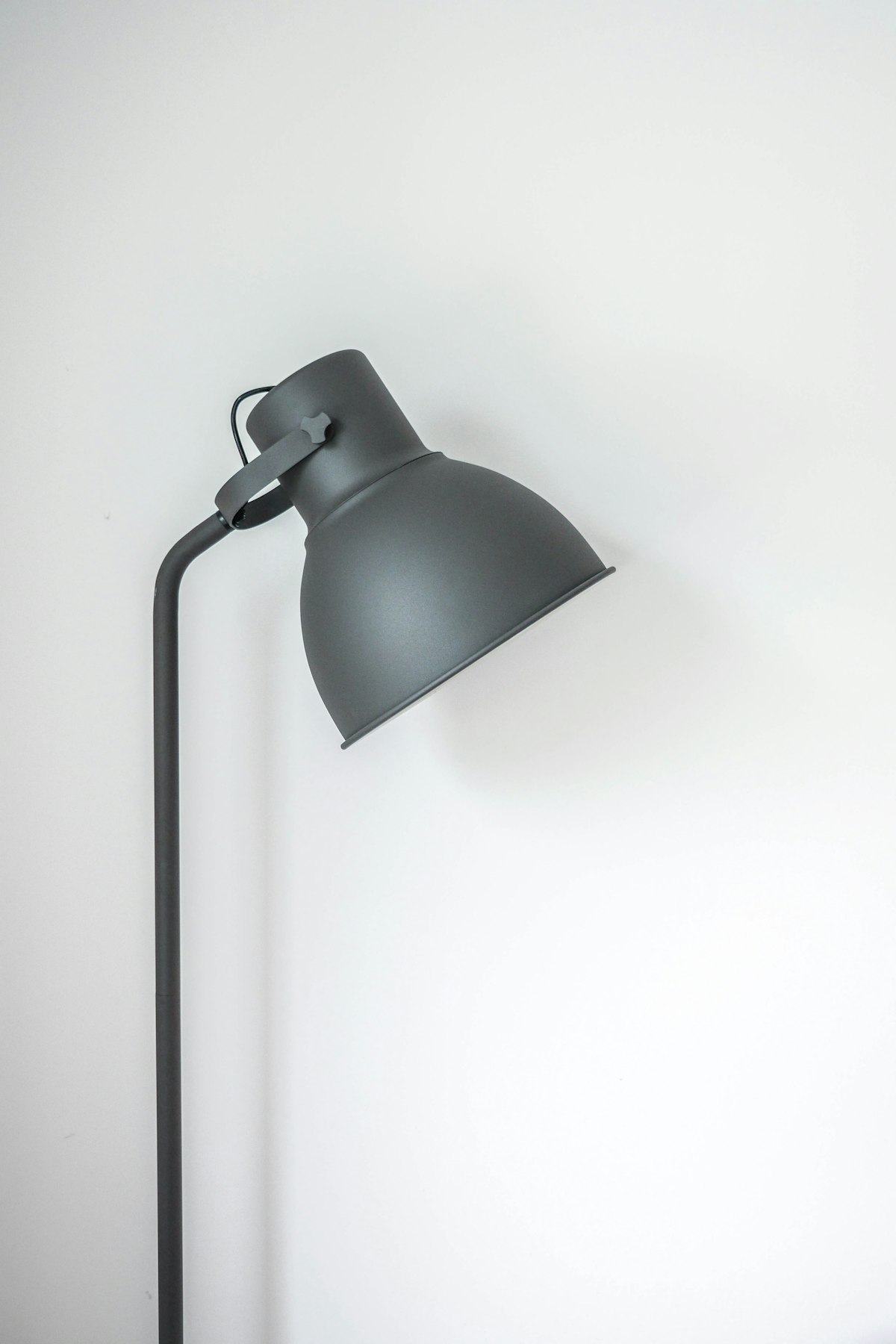
You do not need to rewire your home to get better lighting. Some of the most effective changes are small and inexpensive. Swapping cool bulbs for warm ones immediately makes a room feel more inviting. Adding a dimmer to an existing overhead fixture gives you control you did not have before. Placing a floor lamp in a dark corner can transform the whole feeling of a room.
Candles and indirect light are also powerful tools. A few candles on a coffee table or mantel add movement, warmth, and a sense of occasion. Indirect light, such as a lamp aimed at a wall or placed behind a plant, creates glow without glare. These small touches make a room feel designed without looking decorated.
If you are decorating a space that also needs to feel calm, lighting should be your first consideration. Even the most beautiful furniture will look wrong under bad light. And even the simplest room can feel special when the light is right. For more ideas on creating calm through design, explore our thoughts on <a href="/reading/style/moody-dark-walls-for-calm/">moody dark walls</a> and how light behaves against them.

Frequently Asked Questions
Q: Do I need all three lighting layers in every room? A: Not necessarily. Bedrooms and living rooms benefit most from all three. Kitchens and bathrooms need strong task lighting, but can still be improved with dimmers and accent light. Even adding one extra layer makes a noticeable difference.
Q: What bulb color temperature is best for a home? A: For most living spaces, 2700K to 3000K is ideal. It feels warm and flattering. Cooler temperatures around 4000K to 5000K are better for task-oriented spaces like laundry rooms, garages, or detailed workspaces.
Q: Can I use smart bulbs instead of dimmers? A: Yes. Smart bulbs can adjust brightness and color temperature, which gives you a lot of flexibility. Just make sure they are set to warm temperatures in the evening and avoid cool bright settings before bed.
Related reads
- Soft Light for Evening Recovery
- Rainy-Day Living Room Ideas for Cozy Indoor Days
- The Japandi Bedroom That Actually Helps You Sleep
- Soft Light Ideas: Make Your Home Feel Calm at Night
- Layered Lighting
- Natural Wood Home Office Ideas for Calm Focus
- Corner Home Office Ideas: 10 Workspaces That Fit Anywhere
- Dining Table Centerpieces: 10 Ideas for Everyday Meals
Frequently asked questions
What is layered lighting for real life?
One switch is never enough
Why does layered lighting for real life matter?
Most homes are built around a single overhead light in the center of each room.
How do I start with layered lighting for real life?
Layered lighting is usually described as three layers: ambient, task, and accent.
What is a simple tip for layered lighting for real life?
There is a common belief that a well-lit room is a bright room. But comfort and brightness are not the same thing.