The Bedroom You See Before You Sleep
Most advice about sleeping better focuses on what you cannot see. It is the thread count, the foam layer, the temperature-regulating fabric. These things matter, but they matter later. Long before your cheek touches the pillow, your brain has already begun deciding whether this room is a place to let go.
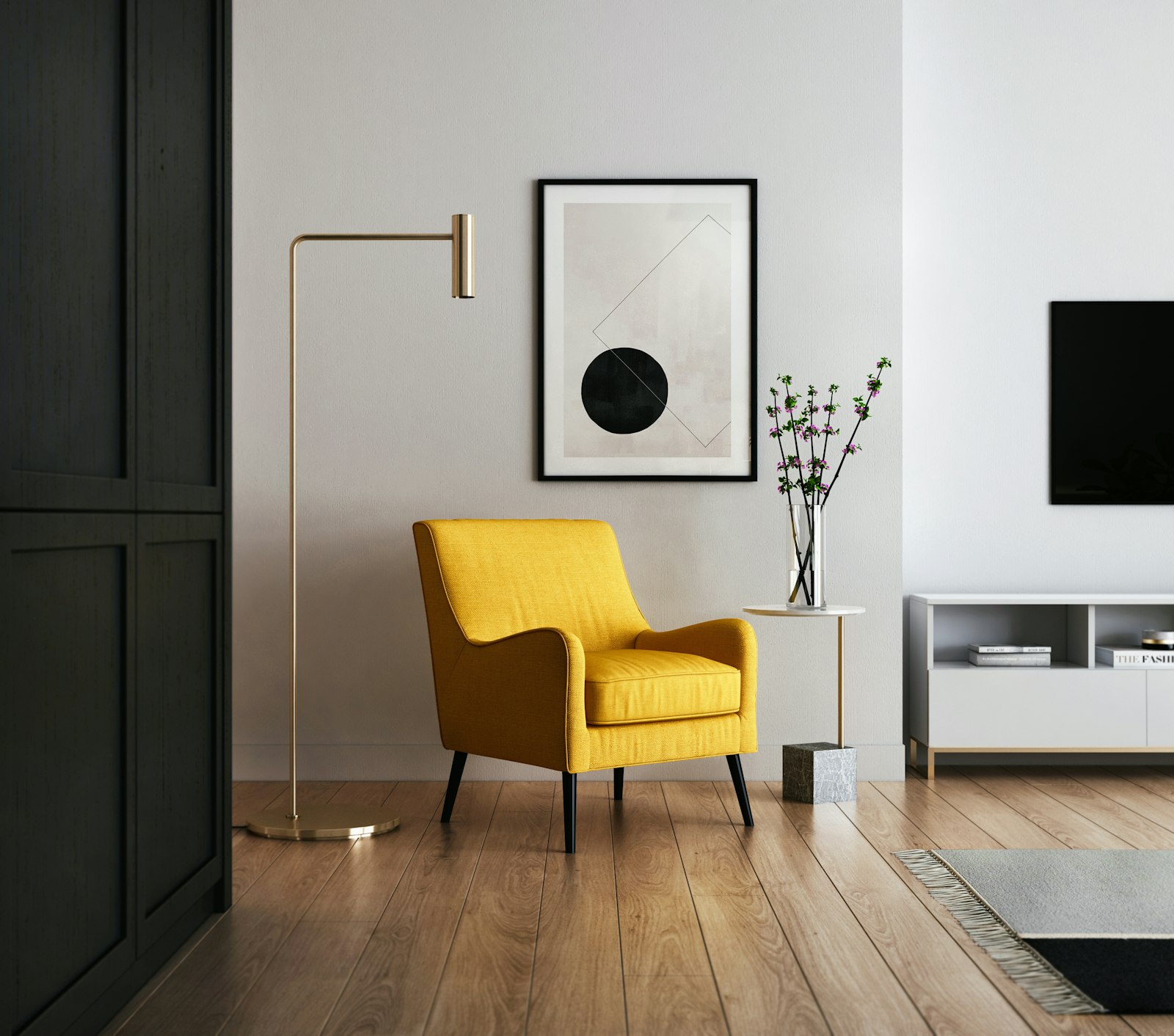
The first thing a Japandi bedroom offers is visual quiet. There are no competing patterns, no dramatic headboards, no shelves crowded with objects catching the last light. The walls are muted, the furniture low, the surfaces almost empty. This is not austerity. It is the removal of small invitations to think.
When the eye has nowhere urgent to land, the mind follows. A calm bedroom does not need to feel expensive. It needs to feel finished in a way that allows you to stop editing it in your head. That is the real luxury.

Why Visual Quiet Beats Soft Sheets
Luxury bedding is comfortable, but comfort is only one part of sleep. The other part is permission. Your nervous system scans the room for unfinished business: a chair piled with clothes, a bright screen, a color that feels energetic instead of restful. Until those signals calm down, your body stays partially alert.
Japandi design understands this. It borrows from Japanese restraint and Scandinavian warmth to create spaces that do not ask anything of you. Wood grain becomes the main texture. Linen softens without pattern. Every object earns its place by being useful and calm at the same time.
In a well-designed Japandi bedroom, the sheets may be simple cotton rather than silk. The mattress may be thin by luxury standards. Yet people sleep better because the room itself is not performing. It is not trying to impress you. It is simply letting you arrive.

The Low Bed and the Feeling of Grounding
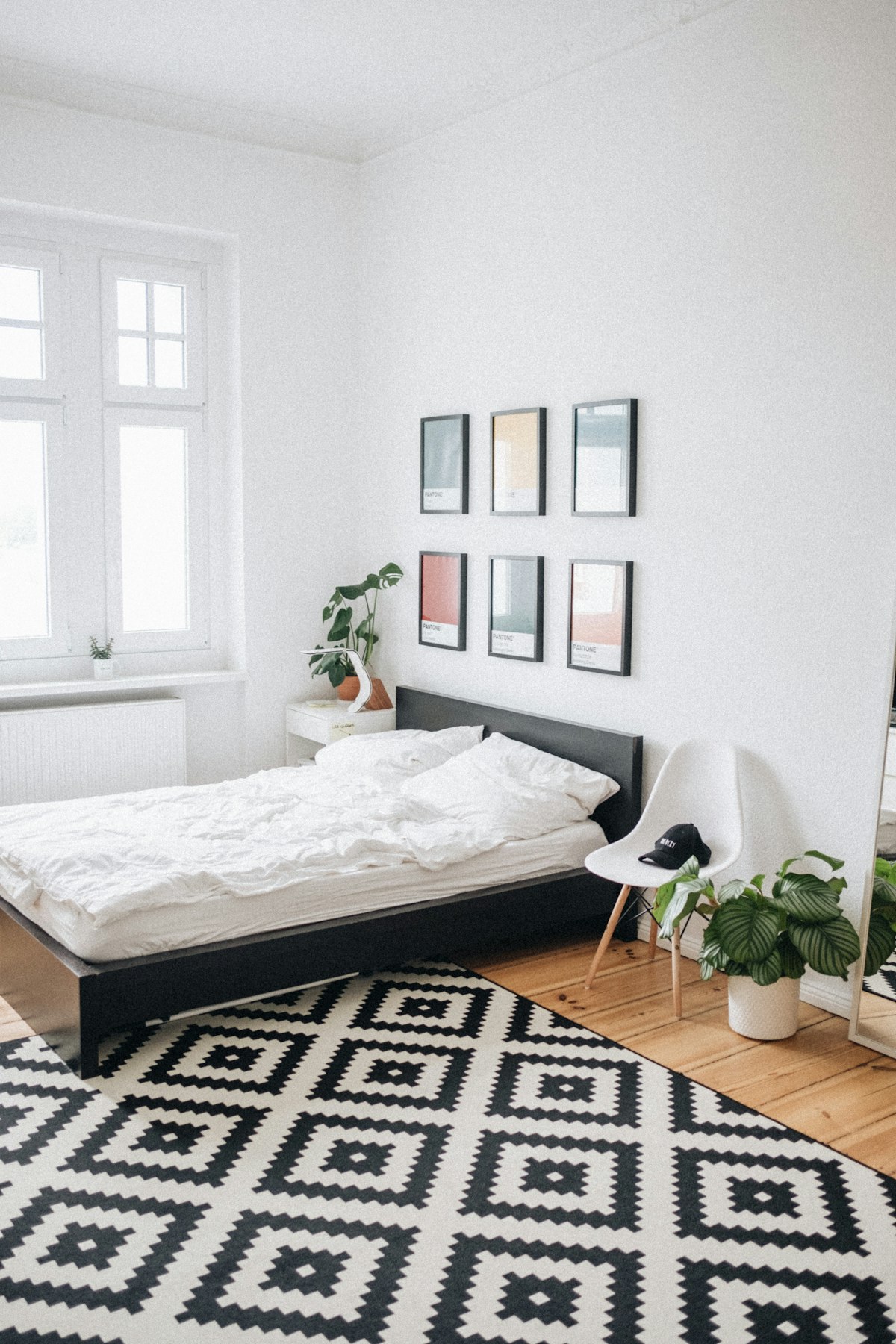
A low bed changes the geometry of rest. When you sleep closer to the floor, the room feels more enclosed, more sheltered. The ceiling seems higher, the space around you gentler. This is one of the quiet tricks of Japandi bedrooms: they use height, or the lack of it, to create emotional safety.
The platform bed also removes visual weight. There is no bulky frame to dust around, no decorative posts, no upholstered mass competing with the wall. The bed becomes a horizontal plane, simple and grounded. It suggests stillness before you even lie down.
If you are used to a tall mattress and dramatic headboard, going low can feel strange for a night or two. Then it starts to feel inevitable. You notice how much easier it is to settle in. How the room stops feeling like a showroom and starts feeling like a place that belongs to the dark.
Wood, Cotton, and Materials That Breathe
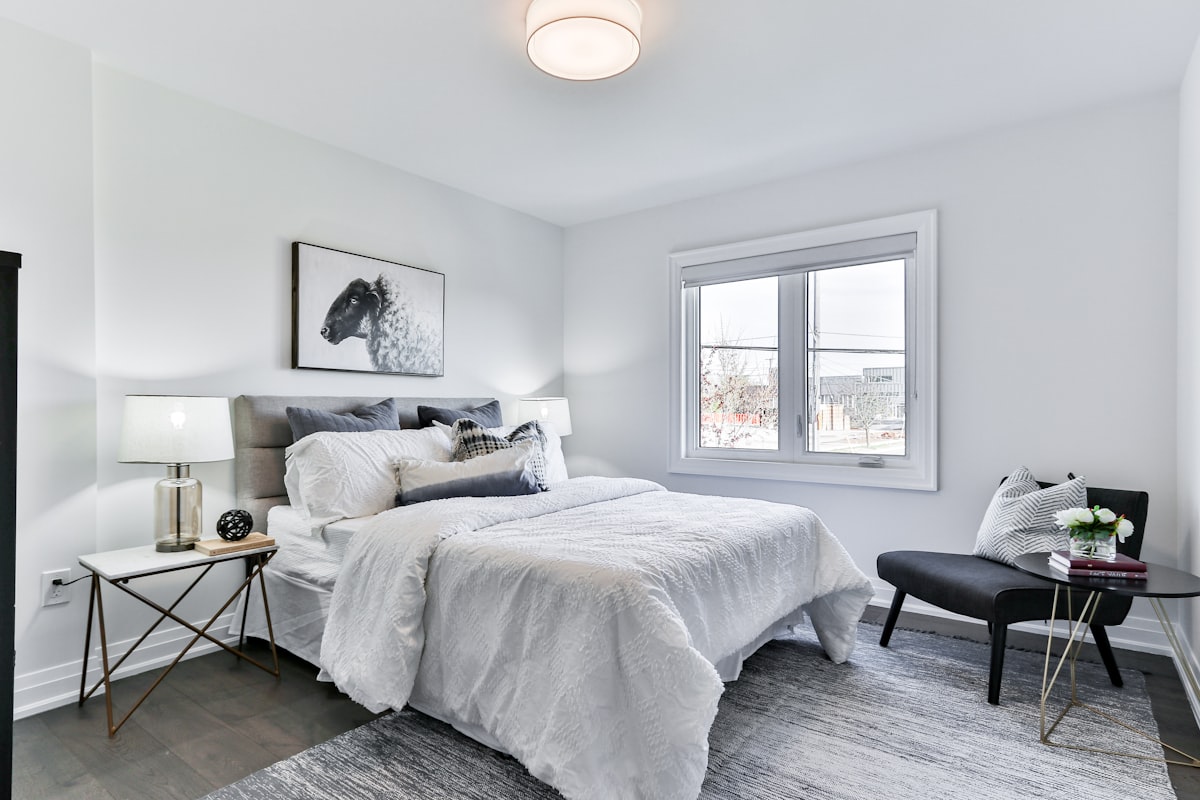
Japandi bedrooms favor natural materials because they behave quietly. Wood absorbs sound and reflects warmth. Cotton and linen regulate temperature without synthetic drama. A woven rug underfoot adds softness without demanding attention. These materials age well, which means the room does not change its mood every season.
Synthetic surfaces and glossy finishes often feel active. They catch light, create faint reflections, and remind the eye that it is in a designed space. Natural materials do the opposite. They absorb. They settle. They let the room feel like it has always been there.
This choice also simplifies maintenance. Natural fibers can be washed, wood can be oiled, and small signs of wear become part of the texture rather than flaws. A bedroom that tolerates living is a bedroom that does not keep you awake with the fear of ruining it.
Soft Light as a Sleep Signal
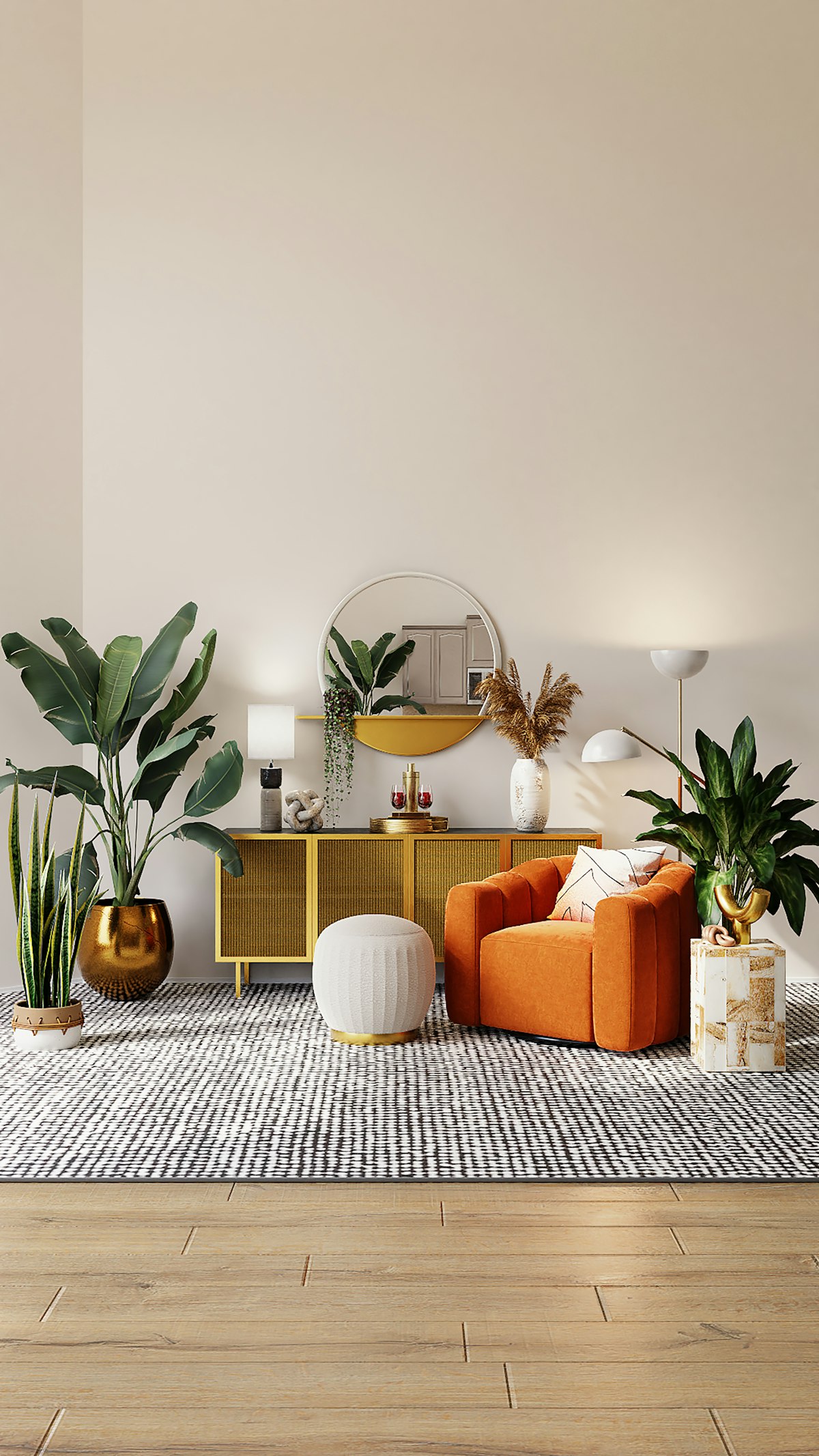
Bright overhead light tells the brain that the day is still happening. A Japandi bedroom uses layered, warm light to say the opposite. Bedside lamps with fabric shades, dim wall sconces, and perhaps one paper lantern create a gradient of brightness that moves toward rest.
The goal is not romance or atmosphere. The goal is biology. Warm light in the evening supports the body's transition toward sleep. Dimmable fixtures let you lower the room gradually, matching your own slowing rhythm. By the time you reach the bed, the light has already prepared you.
If you want to extend this idea beyond the bedroom, read our guide on <a href="/reading/lighting/soft-light-for-evening/">soft light for evening recovery</a>. The same principle applies throughout the home, but it matters most in the room where you close your eyes.

A Bedroom Should Feel Boring
This is the counterintuitive truth. A bedroom does not need to feel cozy, dramatic, or inspiring. It needs to feel boring in the best possible way. Boring means nothing is asking for your attention. Boring means your thoughts can finally slow down.
Design magazines often celebrate bedrooms with bold wallpaper, sculptural lighting, and art above the bed. Those rooms photograph beautifully. They also give your brain a long list of things to notice when you are trying to fall asleep. A Japandi bedroom refuses that noise.
The boredom of a good sleep space is protective. It is the visual equivalent of white noise. Once you experience it, you may find yourself craving it in other rooms too. Rest becomes something the room does with you, not something you fight for against the design.
Small Changes That Make the Biggest Difference
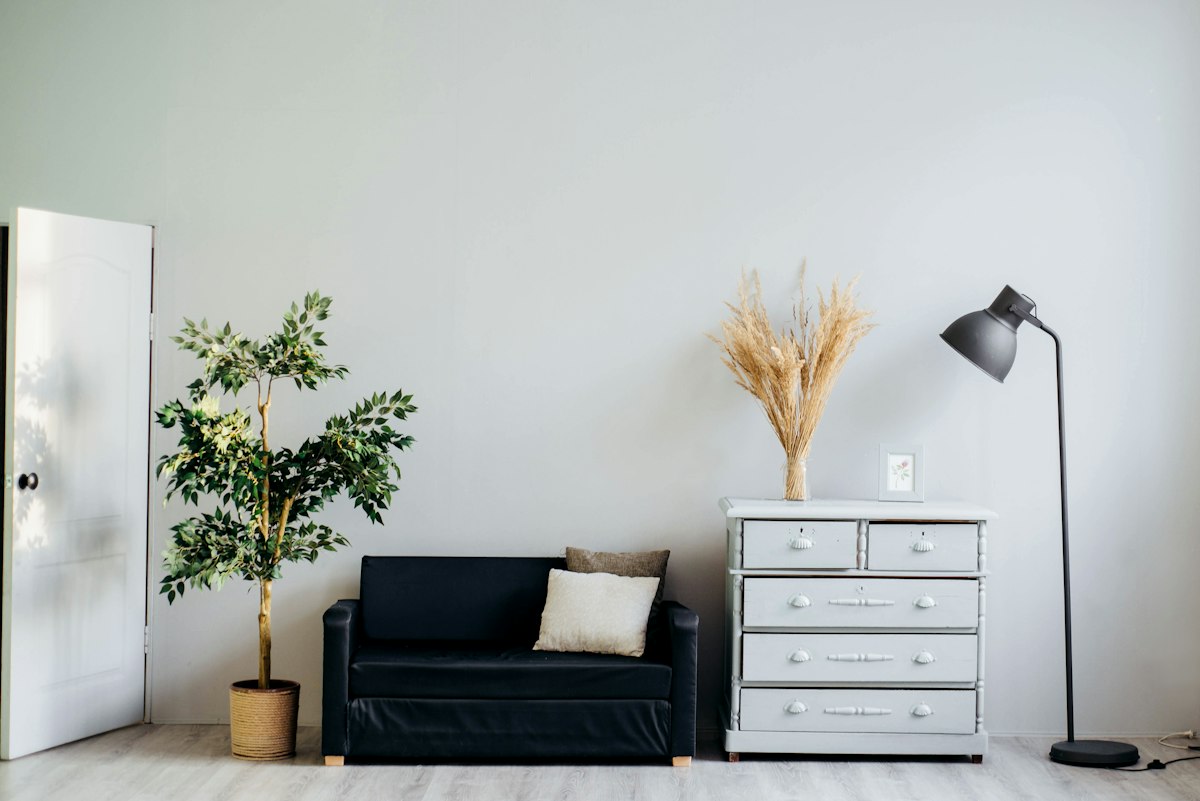
You do not need to rebuild your bedroom to make it feel more Japandi. Start by removing one category of visual noise. It might be the pile of books on the nightstand, the busy curtains, or the decorative pillows you have to arrange every morning. One clear surface is enough to feel the shift.
Next, lower the light after sunset. Use a single warm lamp instead of the ceiling fixture for the last hour before bed. Move devices out of sight or into a drawer. The screen is not the only distraction; its presence is. Even a dark rectangle on the nightstand can feel like an open task.
Finally, choose one natural material to bring in. A wooden tray, a linen throw, or a cotton rug can introduce the texture that Japandi depends on. These small changes accumulate. After a week, you may notice that entering the bedroom feels like exhaling. For more ideas on calm bedroom design, see our article on <a href="/reading/bedroom/textured-calm-bedroom/">textures that calm a bedroom</a>.
Frequently Asked Questions
Q: Do I need to buy expensive Japanese or Scandinavian furniture to create a Japandi bedroom? A: No. Japandi is a set of principles, not a brand list. Focus on low, simple furniture, natural materials, and a muted palette. A plain wooden bed frame, cotton bedding, and a clear nightstand will get you most of the way there.
Q: Is a Japandi bedroom too plain or cold? A: It can look plain in photographs, but the feeling in person is usually warm and grounded. The softness comes from materials like linen, wood, and wool, not from color or pattern.
Q: Can I have plants in a Japandi bedroom? A: Yes, but keep them minimal. One well-placed plant with simple foliage adds life without creating visual clutter. Avoid clustering many small plants on the nightstand.
Q: What colors work best in a Japandi bedroom? A: Stick to warm neutrals: off-white, oatmeal, soft gray, taupe, and natural wood tones. You can add one muted accent, such as sage green or terracotta, but use it sparingly.
Related reads
- Textured Calm Bedroom Ideas for Better Sleep
- Soft Light for Evening Recovery
- Moody Dark Walls for People Who Need to Calm Down
- Natural Wood Home Office Ideas for Calm Focus
- Guest Bedroom Ideas That Make Visitors Feel at Home
- Wabi-Sabi Living Room Ideas for Imperfect Calm
- Under Bed Storage Ideas: Hide Clutter and Free Up Space
- Bathroom Vanity Lighting: 8 Fixtures for Better Mornings
Frequently asked questions
What is the japandi bedroom that actually helps you sleep?
Why calm design is better than luxury bedding
Why does the japandi bedroom that actually helps you sleep matter?
Most advice about sleeping better focuses on what you cannot see.
How do I start with the japandi bedroom that actually helps you sleep?
Luxury bedding is comfortable, but comfort is only one part of sleep.
What is a simple tip for the japandi bedroom that actually helps you sleep?
A low bed changes the geometry of rest. When you sleep closer to the floor, the room feels more enclosed, more sheltered.