Start With the Right Bulb
The bulb matters more than the fixture when it comes to bedside lighting. Look for warm bulbs in the 2700K range. They cast a golden light that helps your body relax, unlike the harsh blue-toned bulbs often sold for task lighting.
Brightness should be adjustable. A bulb around 400 to 800 lumens is usually enough for reading without disturbing a partner. Dimmable bulbs or smart bulbs let you lower the light as you wind down for sleep.
Avoid exposed bare bulbs at eye level. Even a warm bulb can feel glaring without a shade or diffuser to soften the light.

Pick a Table Lamp That Fits the Scale
A bedside lamp should feel balanced with the nightstand and headboard. A tiny lamp on a large table looks lost, while an oversized shade on a small stand feels top-heavy. As a general rule, the lamp should be roughly one-third the width of the nightstand.
Height matters too. The bottom of the lampshade should sit around eye level when you are sitting up in bed. That positions the light where you need it for reading and prevents glare from shining directly into your eyes.
Ceramic, linen, and wood bases all bring different moods. Choose a material that complements your bedding and furniture for a pulled-together look.
Save Space With Wall Sconces
Wall sconces are ideal for small bedrooms or for anyone who prefers a clean nightstand. Mount them beside or slightly above the headboard, with the light source at a comfortable reading height. Swing-arm sconces are especially practical because you can pull the light closer when reading and push it back when done.
If you are not able to hardwire, plug-in sconces with a cord cover or hidden cord route offer almost the same look without the electrician. Look for designs with a switch on the base or cord for easy control from bed.
Sconces also free up surface area for books, glasses, and alarms, which is a major win in compact bedrooms.

Hang Pendants for a Modern Look
Pendant lights hung on either side of the bed create symmetry and a boutique-hotel feel. They work best when mounted high enough that you do not bump your head sitting up, usually around two feet above the mattress or higher depending on ceiling height.
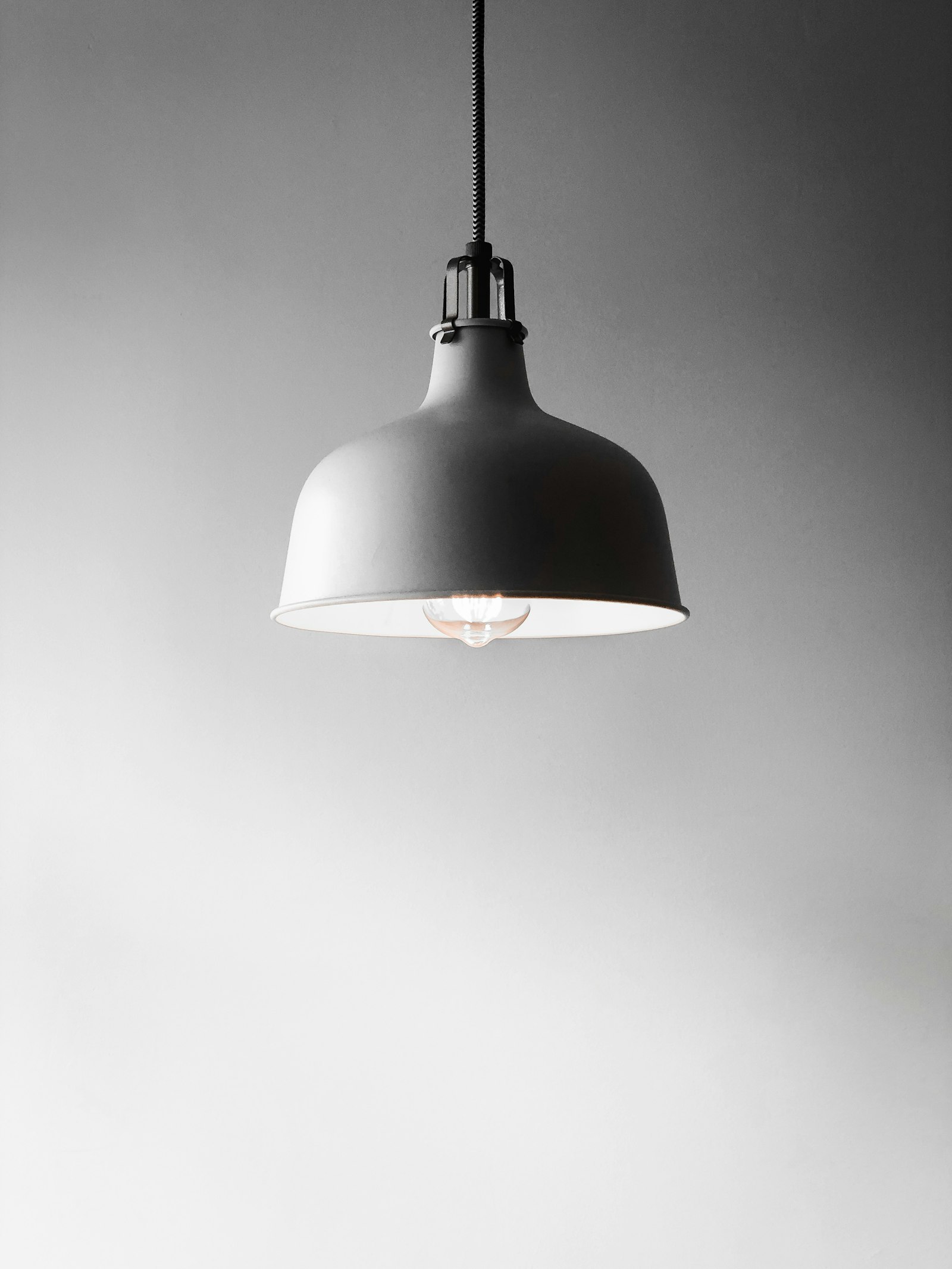
Smaller pendants with opaque shades work better than bare bulbs for bedside use. The shade diffuses the light and keeps the glow soft. Match the metal finish to other hardware in the room for cohesion.
Because pendants require hardwiring, they are best installed during a renovation or by an electrician. Plan the placement before hanging to avoid awkward centering.

Add Task Lighting for Reading
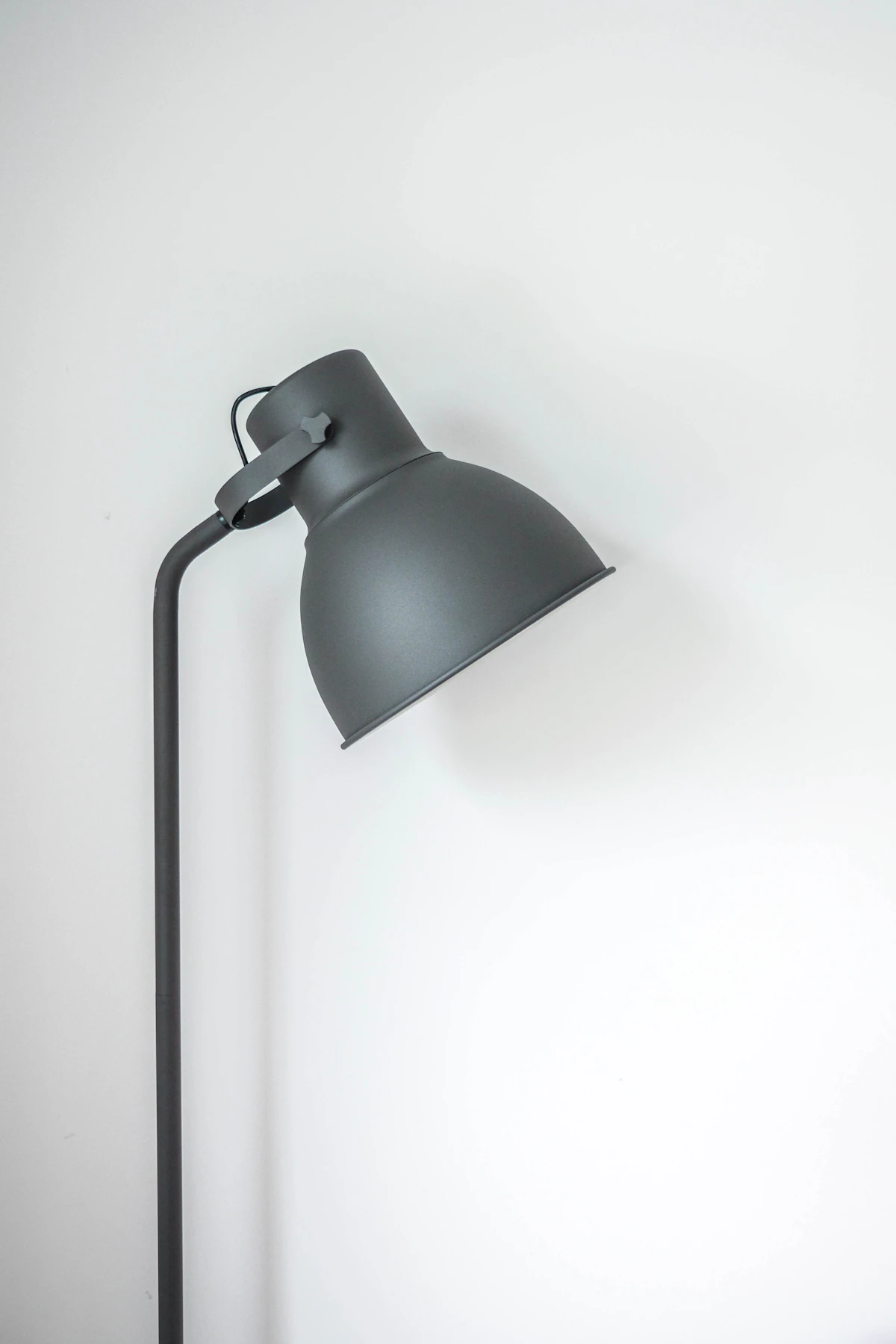
If you read in bed, a focused light is essential. Adjustable table lamps, clip-on book lights, or directional sconces let you aim light exactly at the page without lighting up the whole room. This is especially considerate if you share the bed with someone who falls asleep earlier.
Position the light over your shoulder on the side you read. For right-handed readers, the light should come from the left and vice versa. This reduces shadow across the page.
A reading light with a warm color temperature and focused beam will make pages easier on your eyes without disrupting your sleep cycle.

Layer Ambient Light Around the Room
Bedside lighting should not be the only source of light in the room. A floor lamp in a corner, a small table lamp on a dresser, or LED strip lighting behind the headboard can add layers of soft light. Layers prevent the room from feeling dark and flat when only one fixture is on.
Dimmers are the easiest way to control mood. Install them on overhead fixtures or choose smart bulbs that adjust brightness and color temperature from your phone. Lower light in the evening signals your brain that it is time to rest.
For a gentle morning wake-up, place a sunrise alarm or smart bulb near the bedside and set it to brighten gradually.

Match Style With Function
The best bedside light is one you will actually use. A beautiful sculptural lamp is fine if it gives enough light. A bargain lamp that flickers or buzzes is not worth keeping, no matter how good it looks. Test switches, dimmers, and shades before committing.
Cord management matters. A lamp with a visible cord trailing across the floor breaks the calm of the room. Use cord clips, a fabric cord cover, or furniture placement to hide the line.
When bedside lighting is right, the whole bedroom feels calmer. It becomes easier to read, rest, and transition from the busy day into quiet sleep.

Related reads
Frequently asked questions
What color temperature is best for bedside lighting?
Choose 2700K warm bulbs for a relaxing glow that supports winding down and does not interfere with sleep.
How tall should a bedside lamp be?
The bottom of the lampshade should sit at about eye level when you are sitting up in bed, usually 24 to 28 inches total height.
Are wall sconces better than table lamps for small bedrooms?
Yes. Wall sconces free up nightstand space and can be positioned exactly where you need reading light without cluttering surfaces.
Can I use smart bulbs in bedside lamps?
Yes. Smart bulbs let you dim the light, adjust color temperature, and set schedules, making them a flexible choice for bedside lighting.