Why Quiet Colors Help
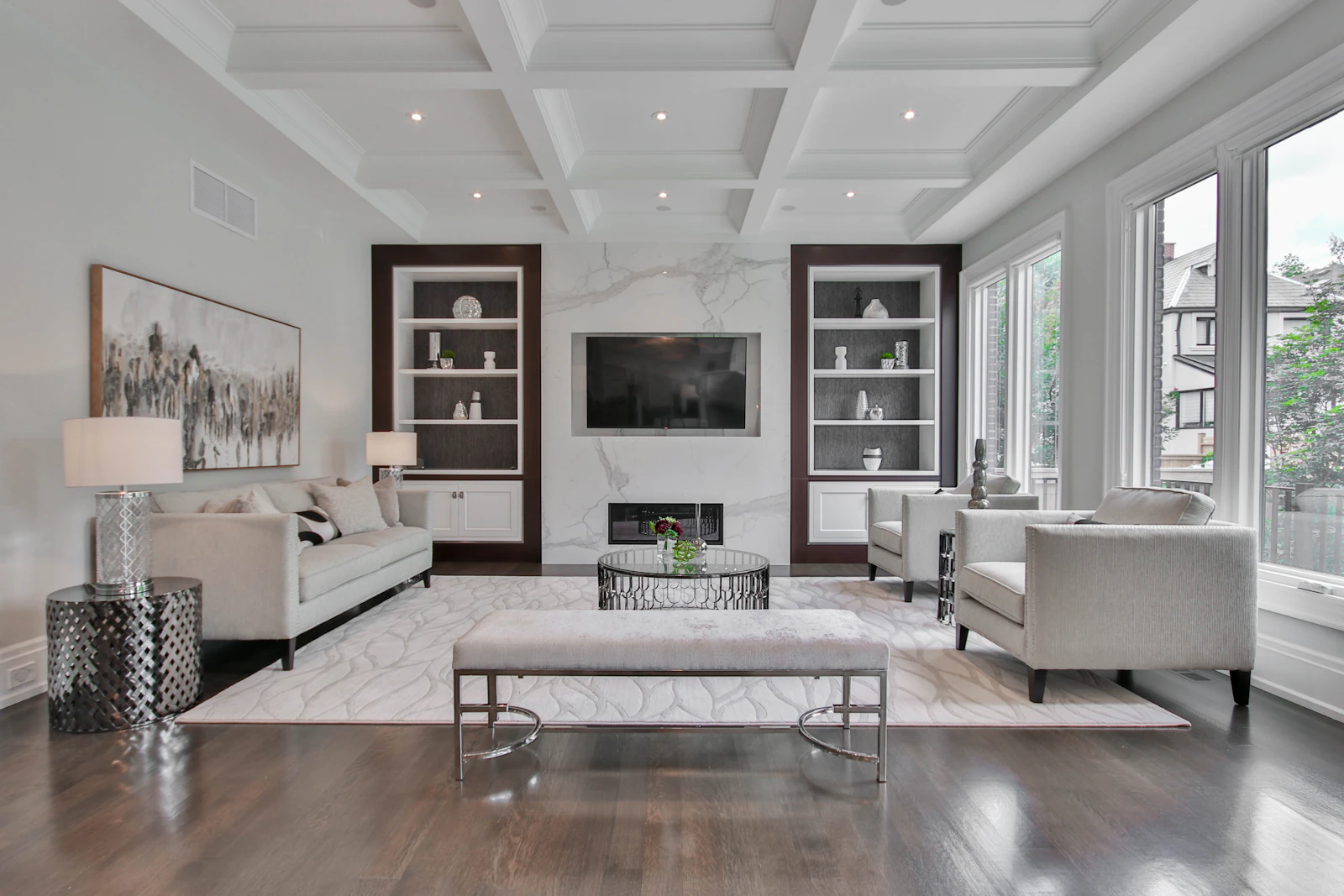
Why do children often calm down faster in rooms with muted colors than in bright primary spaces? Because bright colors stimulate the nervous system. Soft greens, warm whites, pale woods, and gentle earth tones allow the mind to settle. The room becomes a place for rest as well as play.
A kids room does not need to be colorful to be playful. Toys, books, and art supplies bring plenty of color on their own. The walls and furniture can provide a quiet stage so the child's imagination takes center stage.

Low Shelves and Independence
Montessori-inspired design puts everything within a child's reach. Low shelves hold a few curated toys, books stand face-forward, and clothing hangs on low rods. When children can access their belongings, they gain confidence and responsibility.
The independence also reduces parental negotiation. A child who can reach their own water cup or put away their own puzzle feels capable. Natural materials reinforce this sense of calm, which is why our guide to a <a href="/reading/materials/natural-wood/">natural wood home</a> pairs well with this approach.
Toy Rotation Basics
Too many toys at once create overwhelm, even in a beautiful room. Toy rotation keeps only a small selection available while storing the rest. Every few weeks, swap a few items. Old toys feel new again, and the room stays tidy without constant nagging.
Use baskets or bins that fit on the low shelves. Label them with simple pictures if your child cannot read yet. Clear organization helps children know where things belong, which makes cleanup faster and less stressful.

Sleep and Soft Light
A calm room supports better sleep. Blackout curtains or shades help children fall asleep in summer when the sun stays up late. A dim nightlight offers comfort without disrupting melatonin. The goal is a room that signals rest after dark.
Avoid screens in the bedroom. The blue light and stimulating content work against the quiet atmosphere you have built. A basket of books near the bed replaces the tablet as a bedtime ritual.
A Room That Grows
A calm, neutral room can adapt as the child grows. The same low shelves can hold toddler toys now and chapter books later. A simple wooden bed can transition from toddler size to twin. This longevity makes the initial restraint worthwhile.
If you are also thinking about how the rest of the home supports calm routines, a <a href="/reading/small-space/small-room-feels-smaller/">small room that feels intentional</a> uses similar ideas. Less clutter means more room for living.
Frequently Asked Questions
Q: Will children miss bright colors in a neutral room?
A: Not usually. Children get plenty of stimulation from toys, books, and artwork. A neutral room gives their belongings room to stand out without the walls competing for attention.
Q: What is Montessori bedroom design?
A: It emphasizes child-sized furniture, accessible storage, and a simple environment that supports independence, concentration, and calm play.
Q: How do I keep a kids room from getting cluttered?
A: Rotate toys, provide clear storage with labels, and regularly remove broken or outgrown items. When everything has a home, children are more likely to help put things away.
Related reads
- Why a Small Room Doesn't Need to Look Bigger
- Textures That Calm
- Natural Wood
- The Japandi Bedroom That Actually Helps You Sleep
- Textured Calm Bedroom Ideas for Better Sleep
- Guest Bedroom Ideas That Make Visitors Feel at Home
- Bedroom Color Schemes: 9 Calming Palettes for Better Sleep
- Bedroom Reading Light Ideas: 7 Fixtures for Better Sleep
Frequently asked questions
What is a calm kids room without plastic brights?
Why children sleep better in quieter spaces
Why does a calm kids room without plastic brights matter?
Why do children often calm down faster in rooms with muted colors than in bright primary spaces?
How do I start with a calm kids room without plastic brights?
Montessori-inspired design puts everything within a child's reach.
What is a simple tip for a calm kids room without plastic brights?
Too many toys at once create overwhelm, even in a beautiful room. Toy rotation keeps only a small selection available while storing the rest.