The Pressure to Expand
Every small room seems to come with the same goal: make it look bigger. We are told to paint the walls white, hang mirrors, choose transparent furniture, and keep everything minimal. The advice is well-meaning, but it assumes that bigger is always better. It is not.
A small room has a different gift to offer. It can hold you. It can feel like a nest, a corner, a place apart from the open world. Trying to make it look bigger often strips away the very qualities that make small spaces feel good: enclosure, softness, and a sense of being wrapped in.
The best small rooms do not apologize for their size. They lean into it. They use color, texture, and light to create intimacy instead of illusion. The result is a room that feels generous emotionally, even if it is modest in square footage.

Why Openness Can Feel Lonely
There is a strange thing that happens in a small room painted white with sparse furniture. It looks bigger, yes, but it also feels emptier. The space expands visually, but the person inside it can feel smaller. The proportions shift, and not in a comforting way.
Openness works in large rooms because there is enough architecture and activity to fill the void. In a small room, openness often reads as absence. The walls seem to recede, but nothing warm comes forward to meet you. You are left with the feeling of standing in a box that is trying to be something else.
Intimacy solves this. A darker wall color, a low lamp, a soft textile, and a piece of furniture scaled to the body all say: this room is for you. It does not need to be impressive. It needs to be near.
Dark Colors as an Embrace
Dark walls are the fastest way to make a small room feel intentional. Deep charcoal, forest green, warm brown, or midnight blue absorb light instead of bouncing it around. The boundaries of the room become visible and present. Rather than disappearing, the walls come closer, and that closeness can feel safe.
In a dark room, light behaves differently. A single lamp creates a pool of warmth. Candles feel appropriate. Shadows become part of the design instead of mistakes to fix. The room gains depth and mood that white walls rarely achieve in a small footprint.
If you are nervous about painting every wall dark, start with one. An accent wall behind a bed or sofa can change the whole feeling of the room without overwhelming it. For more on this approach, see our guide to <a href="/reading/style/moody-dark-walls-for-calm/">moody dark walls for calm</a>.
Texture Over Pattern
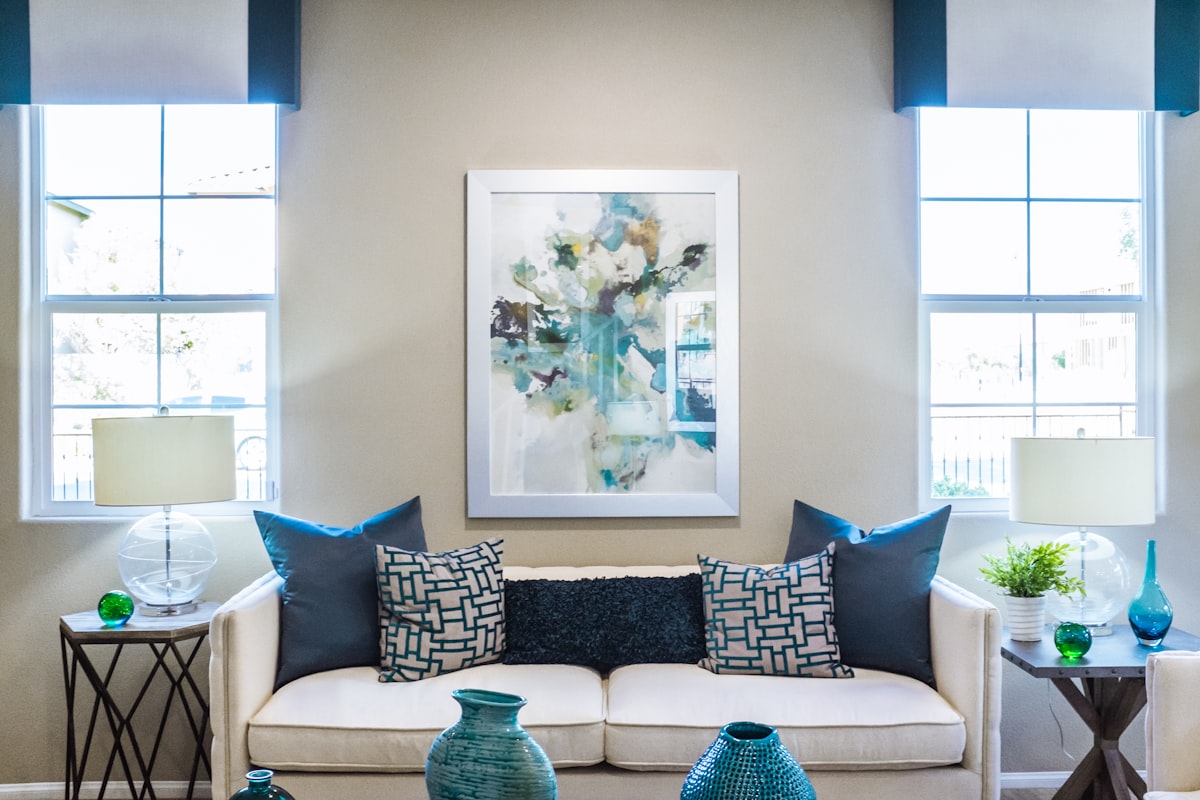
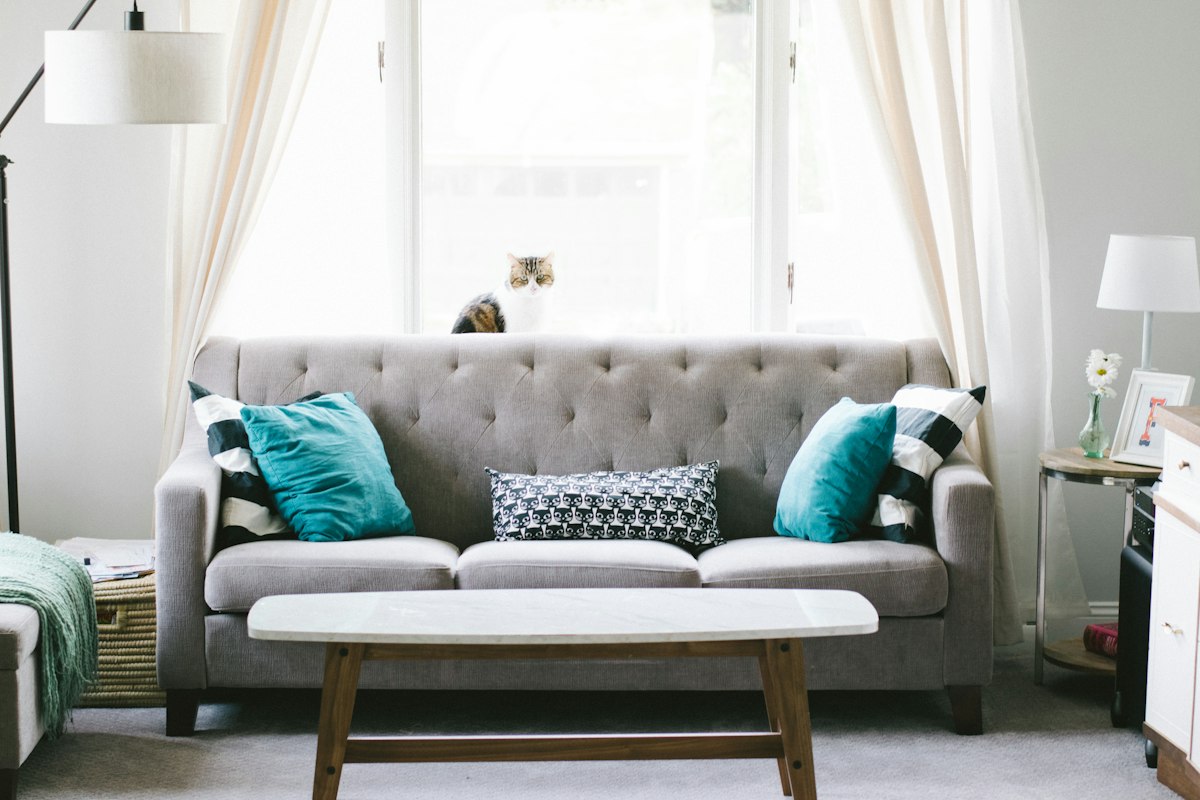
Small rooms do not have much surface area to work with, so every surface matters. Pattern can make a small room feel busy quickly. Texture, on the other hand, adds depth without adding noise. A velvet cushion, a wool throw, a nubby linen curtain, or a handwoven rug creates interest through touch rather than print.
Layering textures in a small room is like layering clothes in winter. Each piece adds warmth and dimension. The room becomes richer without becoming louder. You can combine several neutral tones as long as the textures vary. Cream wool, taupe linen, and warm wood can live together peacefully.
The goal is to give the senses something gentle to notice. A soft rug underfoot, a plush cushion behind your back, a knitted blanket within reach. These tactile signals tell the body that the room is safe and comfortable, which is more important than any optical illusion of size.
Furniture That Fits the Body, Not the Room
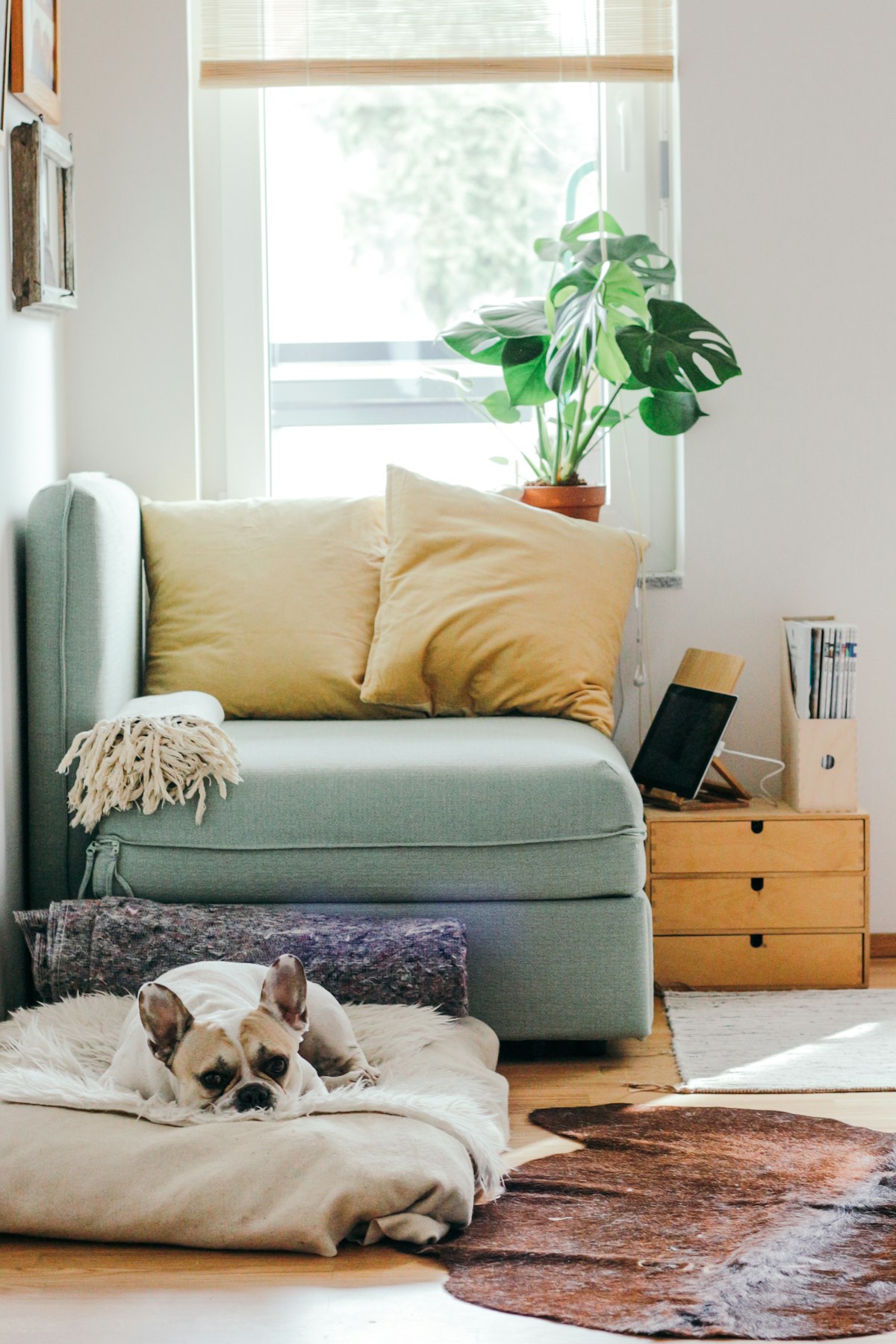
One of the biggest mistakes in small rooms is choosing furniture that is too small. Tiny pieces may leave more floor visible, but they can also make the room feel like a dollhouse. They emphasize the smallness instead of resolving it.
Better to choose fewer, fuller pieces. A single comfortable armchair with a reading lamp can feel more generous than a narrow loveseat and two side tables. A bed with a real headboard and good bedding feels like a real bedroom, not a temporary sleeping corner.
Curved furniture can be especially kind in tight spaces. A round ottoman, a sofa with softened arms, or an oval side table removes sharp corners and helps the room feel more welcoming to the body. Learn more in our article on <a href="/reading/small-space/curved-furniture-small-space/">curved furniture in a small space</a>.
Light That Creates a World
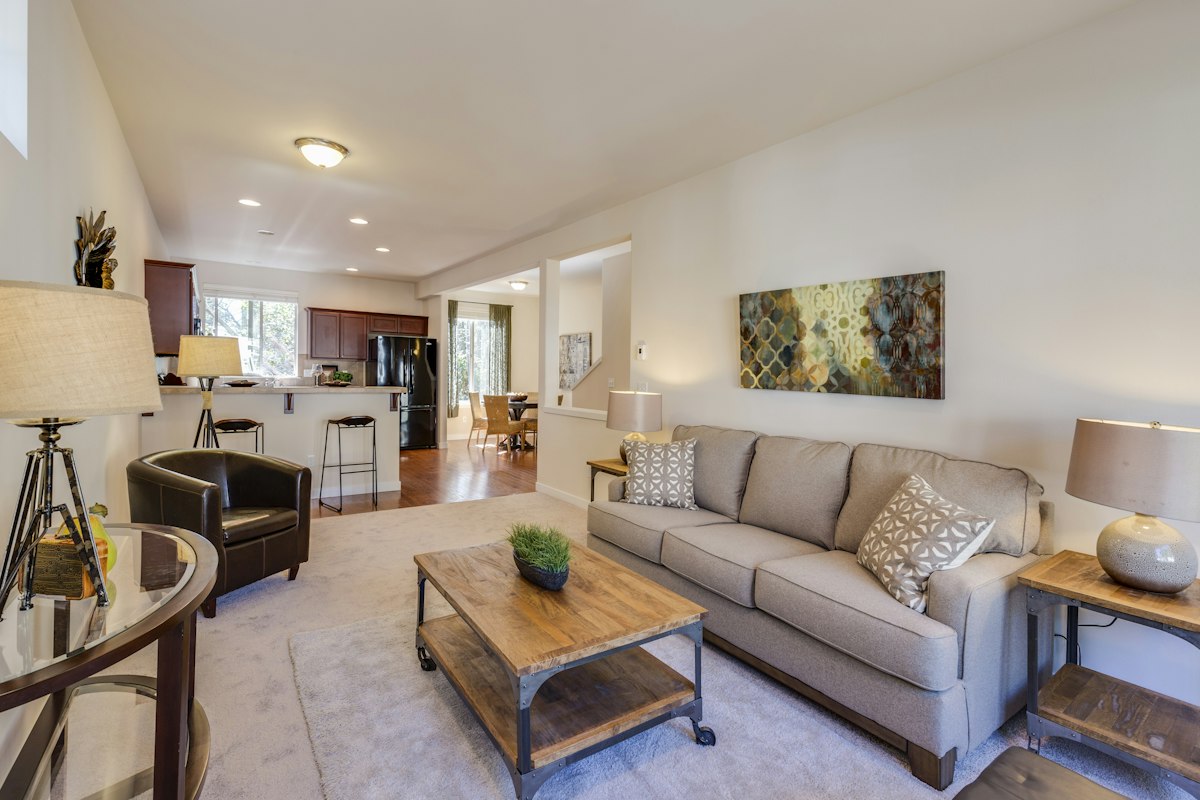
In a small room, lighting is not just functional. It is architectural. A single overhead light flattens everything and leaves no mystery. Multiple small light sources create layers, corners, and moods. They make the room feel larger emotionally even if it stays the same size physically.
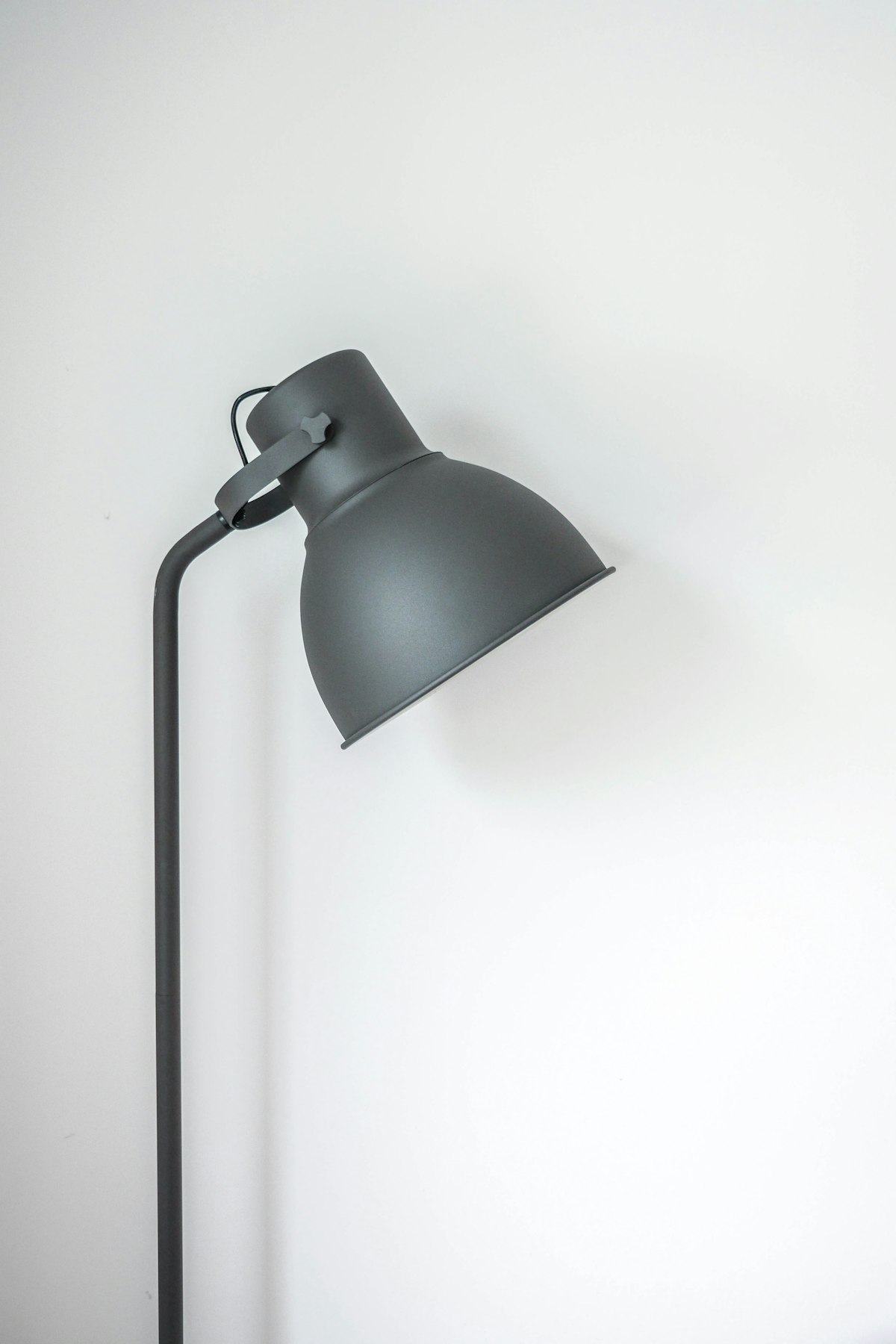
Use a floor lamp to wash one wall with warmth. Add a small table lamp on a shelf or side table. If possible, include candles or a dimmable fixture. The room will feel different at 7 p.m. than it does at 10 p.m., which gives it the complexity of a much larger space.
Warm light also flatters dark colors. What might look heavy under cool white light becomes rich and enveloping under amber tones. The room stops feeling cave-like and starts feeling cocoon-like. That single shift in temperature changes everything.
The Permission to Be Small
Design culture often treats small rooms as problems to be solved. But a small room can also be a choice. It can be a deliberate retreat from the scale and speed of the rest of life. When you stop trying to make it look bigger, you free it to become something better.
An intimate room invites slowness. It is easier to read, to rest, to think, to talk. There is less walking distance between comforts. Everything you need is within arm's reach. This is not a limitation. It is a kind of abundance.
The next time you look at your small room, try asking a different question. Instead of how can I make this look bigger, ask how can I make this feel more like me. The answer will almost always involve less apology and more atmosphere.
Frequently Asked Questions
Q: Won't dark colors make my small room feel even smaller? A: Dark colors make the walls visually present, but that does not mean the room feels cramped. In fact, darkness can create depth and coziness that white walls cannot. The key is balancing dark walls with warm light and soft textures.
Q: What furniture layout works best in a small room? A: Choose fewer, well-scaled pieces and arrange them for conversation or rest rather than open floor space. Pull furniture slightly away from walls if possible to create breathing room, even in a tight footprint.
Q: How do I keep a moody small room from feeling gloomy? A: Use warm lighting at multiple heights, add texture through textiles, and include one or two natural wood or warm metal accents. The warmth of materials and light prevents darkness from feeling heavy.
Q: Should I use mirrors in a small moody room? A: Mirrors can still work, but use them intentionally rather than as a trick to expand space. One beautiful mirror reflecting a lamp or a window can add depth without making the room feel like it is pretending to be larger.
Related reads
- Curved Furniture in a Small Space
- Moody Dark Walls for People Who Need to Calm Down
- A Multifunctional Small Space That Actually Works
- Textured Calm Bedroom Ideas for Better Sleep
- Natural Wood Home Office Ideas for Calm Focus
- Small Living Room Layout Ideas That Actually Work
- Sofa Bed Ideas for Small Spaces: 9 Sleepers That Fit
- Bathroom Vanity Lighting: 8 Fixtures for Better Mornings
Frequently asked questions
What is why a small room doesn't need to look bigger?
The case for intimate, wrapped-in spaces
Why does why a small room doesn't need to look bigger matter?
Every small room seems to come with the same goal: make it look bigger.
How do I start with why a small room doesn't need to look bigger?
There is a strange thing that happens in a small room painted white with sparse furniture.
What is a simple tip for why a small room doesn't need to look bigger?
Dark walls are the fastest way to make a small room feel intentional. Deep charcoal, forest green, warm brown, or midnight blue absorb light instead of bouncing it around.