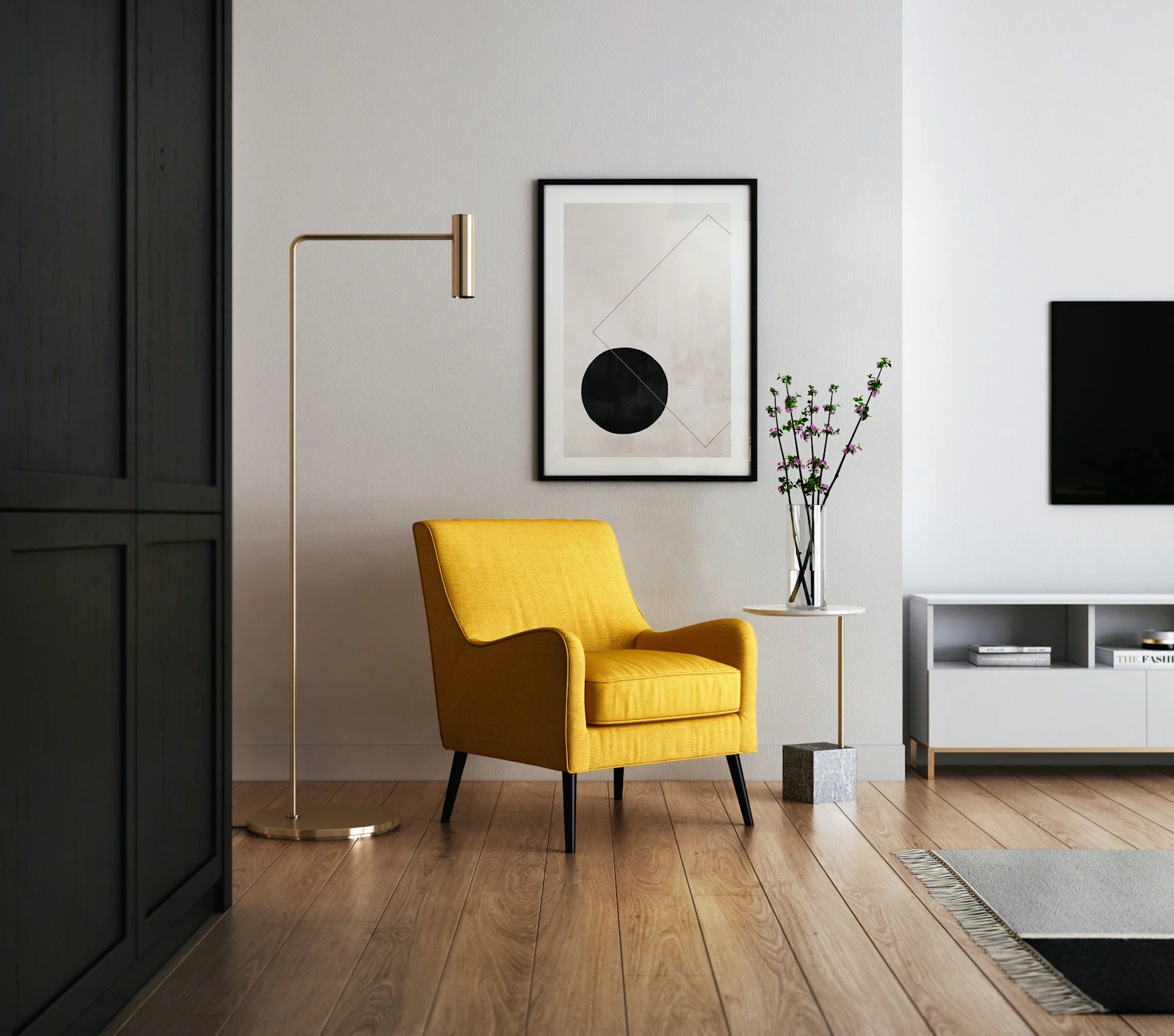
Introduction to How to Style a Bookshelf Like a Designer
Simple steps to turn a basic bookcase into a curated focal point. Whether you are refreshing one corner or rethinking the whole room, small changes can make a big difference in how the space looks and feels.
This guide covers practical ideas for how to style a bookshelf that work in real homes. You do not need a big budget or professional help to get a polished result.
By the end, you will have clear steps you can use today to create a space that feels more comfortable, functional, and personal.
Use the tips below as a starting point, then adapt them to your own style, space, and daily routine.

Start With a Clean Slate
Before you arrange a single object, pull everything off the bookshelf and set it aside so you can evaluate the empty structure with fresh eyes. Starting with bare shelves lets you see the true proportions of each compartment and plan a balanced layout that feels intentional rather than random.
A styled bookshelf works best when it has generous breathing room. Leave about one-third of each shelf empty so the eye has places to rest between groupings and the overall display does not feel overwhelming or chaotic.
Think of your bookcase as a grid of small compositions. Each shelf is its own mini scene, but the whole unit should feel connected through color, texture, and repetition that ties the display together into one coherent story.
Take a moment to dust the shelves and fix any sagging boards while the bookcase is empty. A clean, level surface makes styling easier and the final result more polished and professional.

Build Layers and Heights
Place larger anchor items such as vases, sculptural objects, or stacked books toward the back of each shelf. Then layer smaller pieces in front to create depth and visual interest that draws the viewer in for a closer look.
Vary the height of objects within each shelf to keep the eye moving. A tall ceramic vase next to a low bowl creates contrast and keeps the display from feeling flat or monotonous from top to bottom.
Use horizontal stacks of books as natural pedestals. A small plant or framed photo on top of a short stack adds instant height variation without extra stands or risers cluttering the space.
Step back frequently as you style and view the whole bookcase from a distance. This habit helps you spot gaps, clumps, or shelves that feel too busy before you consider the arrangement finished.

Add Color and Greenery
Stick to a limited color palette so the shelves feel intentional rather than accidental. Neutrals with one or two accent colors usually look more pulled together than a rainbow mix of unrelated objects.
Trailing plants like pothos or ivy soften hard edges and bring life to a bookshelf. Even a single small succulent can make a compartment feel complete and welcoming.
Rotate a few decorative objects seasonally to keep the display feeling fresh. Swapping in a textured basket or a ceramic piece keeps the bookshelf interesting without requiring a full restyle every few months.
If you collect books with colorful spines, try turning some spine-in for a calmer, more unified look. This small trick reduces visual noise while keeping your favorite titles easily accessible.
FAQ
Q: How many items should be on each shelf? A: Aim for five to eight objects per shelf, including books. Less is usually more when you want a curated, gallery-like look rather than a cluttered display.
Q: Should books be stacked vertically or horizontally? A: Use both orientations. Vertical rows fill space and make titles easy to read, while horizontal stacks create platforms and visual breaks across a shelf.
Q: What if my bookshelf is also storage? A: Use baskets or lidded boxes on lower shelves to hide clutter, then style upper shelves with objects you want to display. Functional and beautiful can coexist happily.

Related reads
Frequently asked questions
How many items should be on each shelf?
Aim for five to eight objects per shelf, including books. Less is usually more when you want a curated, gallery-like look rather than a cluttered display.
Should books be stacked vertically or horizontally?
Use both orientations. Vertical rows fill space and make titles easy to read, while horizontal stacks create platforms and visual breaks across a shelf.
What if my bookshelf is also storage?
Use baskets or lidded boxes on lower shelves to hide clutter, then style upper shelves with objects you want to display. Functional and beautiful can coexist happily.