What Wabi-Sabi Really Means at Home
Wabi-sabi is often reduced to a visual style, something that looks rustic, muted, and a little unfinished. But at its heart, wabi-sabi is a way of seeing. It asks us to notice the beauty in things that are incomplete, temporary, and touched by time. In a living room, that means the scratch on the coffee table is not a flaw to hide. It is evidence of life. The faded throw, the uneven ceramic bowl, the floorboard that creaks in one spot, all of these become part of the room's character rather than problems to fix.
A living room does not need to look new to look beautiful. That sentence is the starting point for anyone drawn to wabi-sabi. The goal is not perfection but presence. When we stop trying to make a space look untouched, we start to notice what actually makes it feel good. The way afternoon light falls across a worn textile. The way a handmade vase sits slightly off-center and looks more alive because of it. These details do not come from a catalog. They come from time, use, and attention.
Wabi-sabi also offers a kind of relief. In a culture that rewards polish and newness, choosing imperfection is a small act of resistance. It says that your home is allowed to look like it is being lived in. It says that wear is not shameful. For people who feel exhausted by the pressure to keep every surface pristine, this approach can feel like permission to breathe.
The Quiet Power of Aged Wood
If there is one material that embodies wabi-sabi, it is wood that has been allowed to age. Aged wood carries memory in its grain. The color deepens, the surface softens, and small dents record years of contact. In a wabi-sabi living room, a reclaimed beam, a vintage coffee table, or a hand-planed shelf becomes more than furniture. It becomes a quiet record of time.
New wood can be beautiful too, but it often tries too hard to look perfect. Aged wood does not perform. It simply exists. That presence gives a room grounding. When the rest of the space is kept simple, a single piece of weathered timber can hold the entire composition. It draws the eye without demanding attention.
You do not need to fill the room with antique furniture to get this effect. One or two pieces with visible age are enough. A bench by the window, a side table with water rings, a stool that has lost its original finish. These items create contrast against cleaner surfaces and remind us that a home is a place of use, not display.
Imperfection as a Design Feature
One of the easiest ways to bring wabi-sabi into a living room is to stop correcting every imperfection. A wall with uneven plaster, a crack in a terracotta pot, a rug with a faded patch, these are not defects. They are moments where the room tells a story. The Japanese concept of kintsugi, repairing broken pottery with visible gold, is the extreme version of this idea. But you do not need gold leaf. You only need to look at what you already own with softer eyes.
This does not mean living with broken things that are unsafe or uncomfortable. It means distinguishing between damage and character. A sagging sofa should still be replaced. A stained cushion can be cleaned. But a hairline crack in a ceramic dish? A faded corner of a vintage rug? These can stay. They give the room texture that no designer can manufacture.
If your space feels too polished, try introducing one imperfect object on purpose. A hand-thrown bowl with an uneven rim. A found branch used as a bookend. A painting by a friend that is not technically perfect. These choices signal that the room is yours, not a showroom.
Natural Materials That Get Better Over Time
Wabi-sabi favors materials that change. Linen softens with every wash. Leather darkens and develops a patina. Copper tarnishes. Stone etches. These materials do not fail as they age. They transform. Choosing them for a living room means accepting that the room will look different in five years than it does today, and that this is the point.
Synthetic materials often promise permanence. They resist stains, hold their color, and stay smooth. But that same permanence can feel sterile. A polyester sofa looks the same after a decade, which is not always a compliment. Natural materials, by contrast, reward patience. A linen slipcover looks better after it has been slept on by a dog and washed a dozen times. A leather pouf becomes more interesting once it has absorbed the oils of hands and feet.
This approach also changes how you buy. Instead of asking whether something will stay pristine, ask whether it will age gracefully. A raw oak shelf will darken. A hand-woven cotton rug will thin in places. A cast-iron kettle will rust if neglected. These possibilities are not risks. They are part of the material's life.
Arranging a Room That Feels Lived In
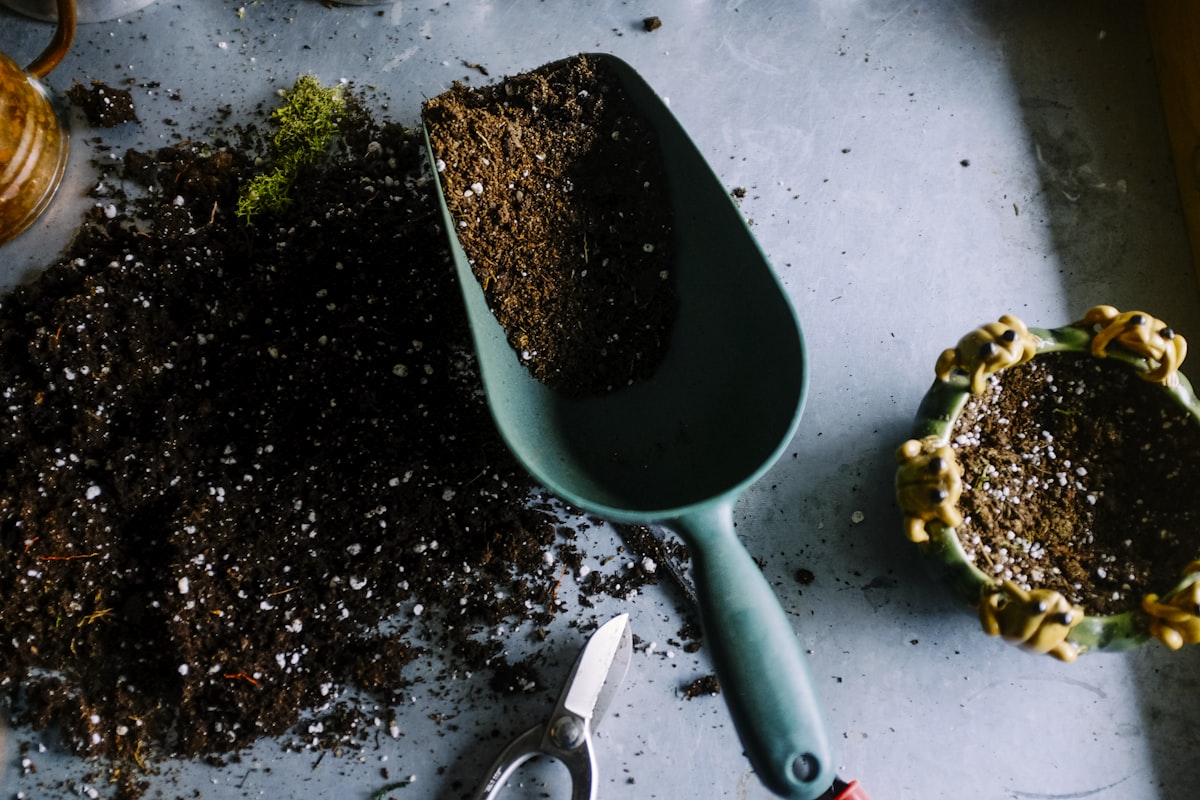
The layout of a wabi-sabi living room should feel accidental in the best way. Not messy, but unforced. Furniture does not need to be symmetrical. A chair can angle slightly toward a window. A stack of books can live on the floor beside the sofa. A blanket can remain draped over an armrest. These small signs of use make the room feel inhabited rather than staged.
That said, intention still matters. Wabi-sabi is not an excuse for clutter. Every object should have a reason to be there, even if that reason is simply that you love it. The difference is that wabi-sabi allows objects to show their history. A well-used basket for firewood. A tray that holds yesterday's tea cup. These are not messes. They are the residue of living.
You can also look at how other calm spaces arrange their seating. A <a href="/reading/living-room/rainy-day-living-room/">rainy-day living room</a> uses similar principles, choosing comfort and low light over display. The goal in both cases is to create a room that welcomes you back at the end of the day, not one that makes you feel like you need to tidy up before you can relax.
Letting Go of the Perfect Living Room
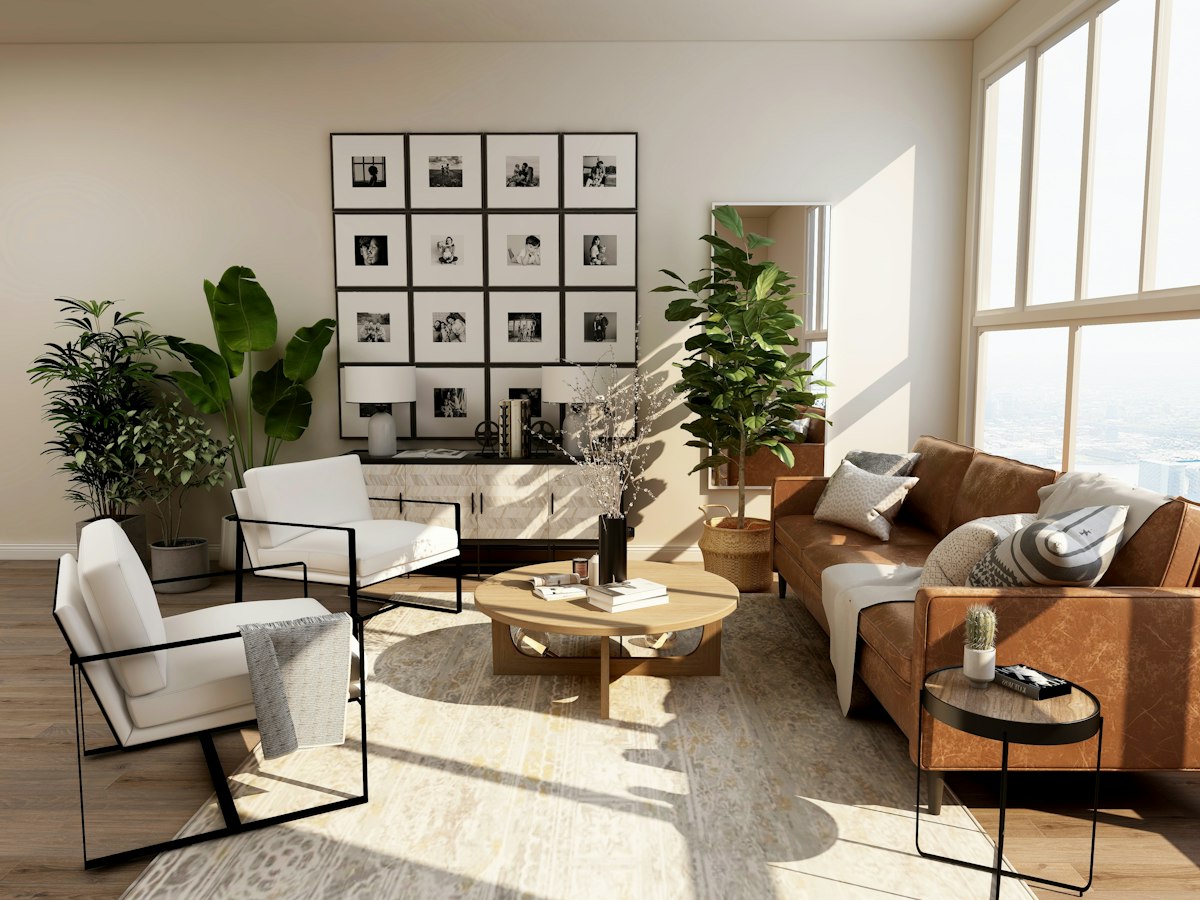
The hardest part of wabi-sabi is not finding the right objects. It is letting go of the idea that your home should look finished. There is a persistent fantasy of the complete room, the one where every pillow is in place, every surface is clear, and every color matches. That room does not exist in real life, and even if it did, it would not feel like anyone actually lives there.
A wabi-sabi living room gives up that fantasy in exchange for something better. It becomes a space that can absorb real life. A child can spill juice. A guest can put their feet on the table. A cat can sharpen its claws on the rug. None of these events ruin the room because the room was never supposed to be perfect.
This shift has practical benefits. You spend less money replacing things that show wear. You feel less stress when someone drops a glass. You stop chasing trends because your room is already grounded in something older and more personal. If you want to extend this calm to the rest of the home, the <a href="/reading/bedroom/japandi-bedroom-for-sleep/">Japandi bedroom</a> offers a related philosophy, using quiet materials and visual restraint to create rest. The common thread is that a home should support life, not demand performance.
Frequently Asked Questions
**Is wabi-sabi just another word for minimalism?**
No. Minimalism often aims for precision and absence, while wabi-sabi accepts imperfection and presence. A wabi-sabi room might contain many objects, as long as they show age, use, or natural character.
**Can a modern apartment feel wabi-sabi?**
Yes. You do not need a farmhouse or a tatami room. One aged wood piece, natural textiles, and a willingness to leave things imperfect can bring wabi-sabi into any space.
**Does wabi-sabi mean I should not clean or repair things?**
Not at all. Wabi-sabi is not neglect. Clean what is dirty, repair what is broken, but do not erase every sign that the room is lived in. The goal is care, not preservation in plastic.
**What colors work best in a wabi-sabi living room?**
Muted, earthy tones tend to feel most natural. Off-whites, warm grays, soft browns, and faded greens all support the wabi-sabi mood. The key is to avoid colors that look too loud or synthetic.
Related reads
- Rainy-Day Living Room Ideas for Cozy Indoor Days
- The Japandi Bedroom That Actually Helps You Sleep
- A Plant-Filled Home Without the Chaos
- Moody Dark Walls for People Who Need to Calm Down
- Natural Wood Home Office Ideas for Calm Focus
- Sunday Reading Nook Ideas for a Calm Weekend
- Dining Room Shelves: 8 Ideas for Display and Storage
- Neutral Color Palette Ideas: Keep a Home Calm and Cohesive
Frequently asked questions
What is the wabi-sabi living room?
Finding beauty in the imperfect and used
Why does the wabi-sabi living room matter?
Wabi-sabi is often reduced to a visual style, something that looks rustic, muted, and a little unfinished.
How do I start with the wabi-sabi living room?
If there is one material that embodies wabi-sabi, it is wood that has been allowed to age.
What is a simple tip for the wabi-sabi living room?
One of the easiest ways to bring wabi-sabi into a living room is to stop correcting every imperfection. A wall with uneven plaster, a crack in a terracotta pot, a rug with a faded patch, these are not defects.