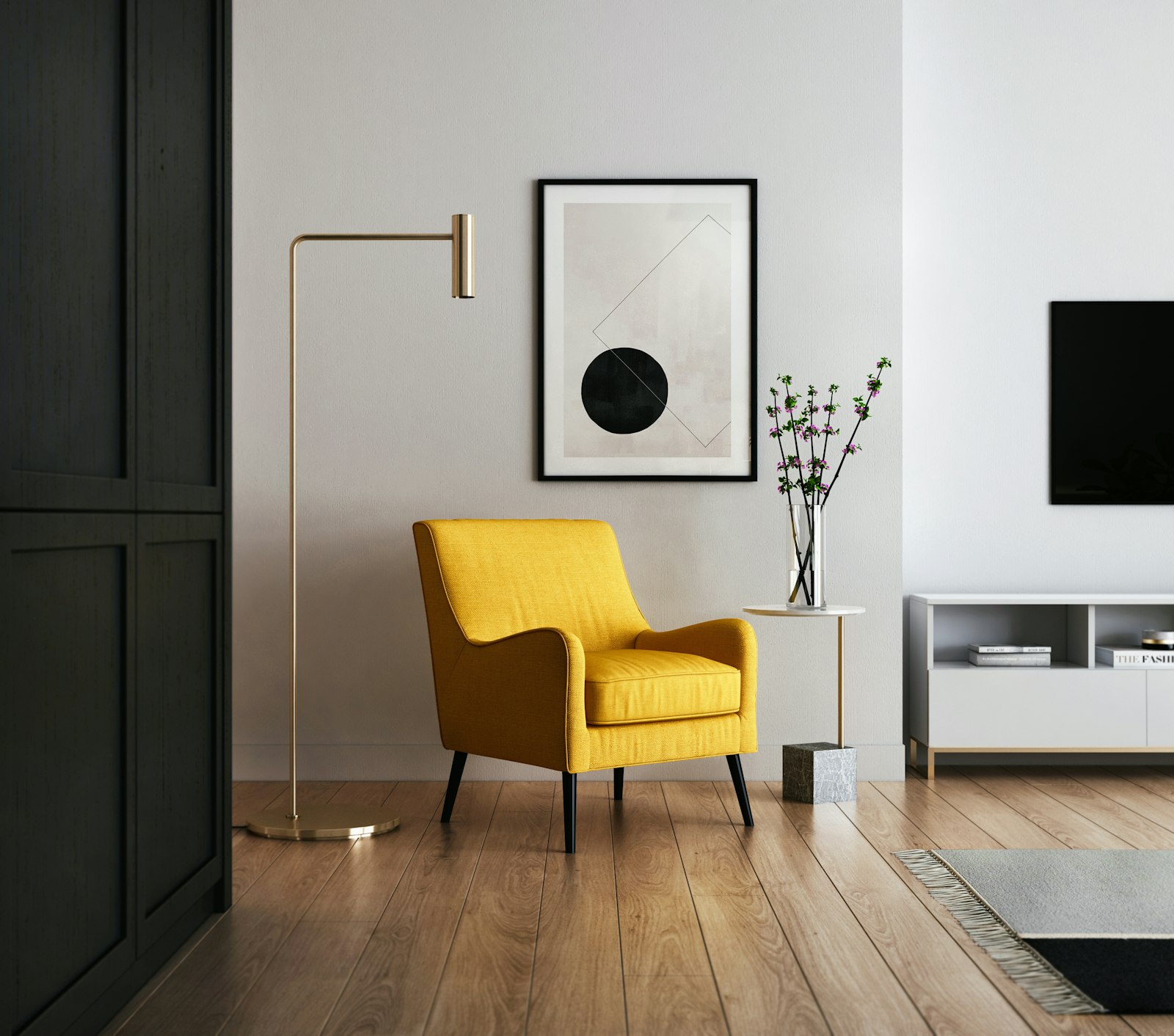
The Template Trap
Gallery walls are everywhere online, and many of them look suspiciously similar. Same white mats, same frame size, same evenly spaced grid. The result is tidy but soulless. A wall like that might look good in a catalog, but it rarely feels like it belongs to the people who live there.
The counter-intuitive insight is that a gallery wall does not need matching frames. It needs pieces you want to keep looking at. The moment you stop chasing symmetry, the wall can start reflecting your actual life.

Why Imperfect Feels Personal
A slightly imperfect arrangement feels human. It suggests choices made over time, not a single shopping trip. A mix of frame finishes, print sizes, and subject matter keeps the eye moving and rewards repeated viewing. That is the difference between decoration and a real collection.
Personal photos, drawings, pressed flowers, and small objects can all share the same wall. When the pieces carry meaning, the overall composition feels intentional even if the spacing is not mathematically perfect.

The Hanging Process
Start with one anchor piece, usually the largest, and build around it. Keep roughly 2 to 3 inches between frames, but do not measure every gap. Step back often and trust your eye. It helps to lay everything on the floor first or cut paper templates to tape on the wall.
Do not worry about filling the wall all at once. A gallery wall can grow over months as you find pieces that belong. That slow accumulation is part of what makes it feel like you.

Choosing the Right Wall
Gallery walls work best in spaces where people naturally pause. A living room wall behind a sofa, a hallway, or the space above a desk are all good candidates. The wall should have enough room for the arrangement to breathe.
Lighting matters too. A wall that gets soft natural light or a picture light will show the work better than a dark corner. The goal is to make the art easy to see without fighting glare or shadows.
Mixing Old and New
One of the most satisfying gallery walls combines thrifted frames, family photos, and a few contemporary prints. The contrast gives the wall depth and keeps it from feeling like a matching set. A vintage frame around a modern photo can be especially striking.
This approach also ties into the idea of mixing old and new furniture. See our guide on <a href="/reading/style/mix-old-new-furniture/">mixing old and new furniture</a> for more on creating collected spaces.
Frequently Asked Questions
Q: Do gallery wall frames have to match?
A: No. Mixed frames often feel more personal and interesting than perfectly matching ones.
Q: How do I plan a gallery wall layout?
A: Start with a large anchor piece and arrange the rest around it on the floor before hanging.
Q: What should I hang besides art?
A: Photos, postcards, textiles, pressed plants, and small objects can all become part of the display.
Q: Can a gallery wall work in a small space?
A: Yes. Even a few pieces in a small hallway or corner can tell a story. See <a href="/reading/style/power-of-empty-wall/">the power of an empty wall</a> for more.
Related reads
Frequently asked questions
What is a gallery wall that feels like you, not a template?
How to hang art without following a grid
Why does a gallery wall that feels like you, not a template matter?
Gallery walls are everywhere online, and many of them look suspiciously similar.
How do I start with a gallery wall that feels like you, not a template?
A slightly imperfect arrangement feels human.
What is a simple tip for a gallery wall that feels like you, not a template?
Start with one anchor piece, usually the largest, and build around it. Keep roughly 2 to 3 inches between frames, but do not measure every gap.