Find one common language
The biggest mistake when mixing eras is treating every piece as a bold statement. A room full of statements becomes an argument rather than a comfortable conversation.
Find one unifying thread, such as warm wood tones, soft curves, or a muted color palette. When different pieces share a visual language, the room feels intentional instead of accidentally assembled. Once you see the connection, you can trust your instincts and stop second-guessing every pairing.

Follow the 80/20 rule
A room should feel contemporary with vintage accents, not the other way around. Aim for about eighty percent modern or neutral pieces and twenty percent carefully chosen vintage finds. This ratio keeps the room from feeling themed or dated while still honoring the past.
The vintage pieces then become the moments that make the room interesting and personal. Too much vintage can feel like a shop, while none at all can feel flat and forgettable.
Match visual weight
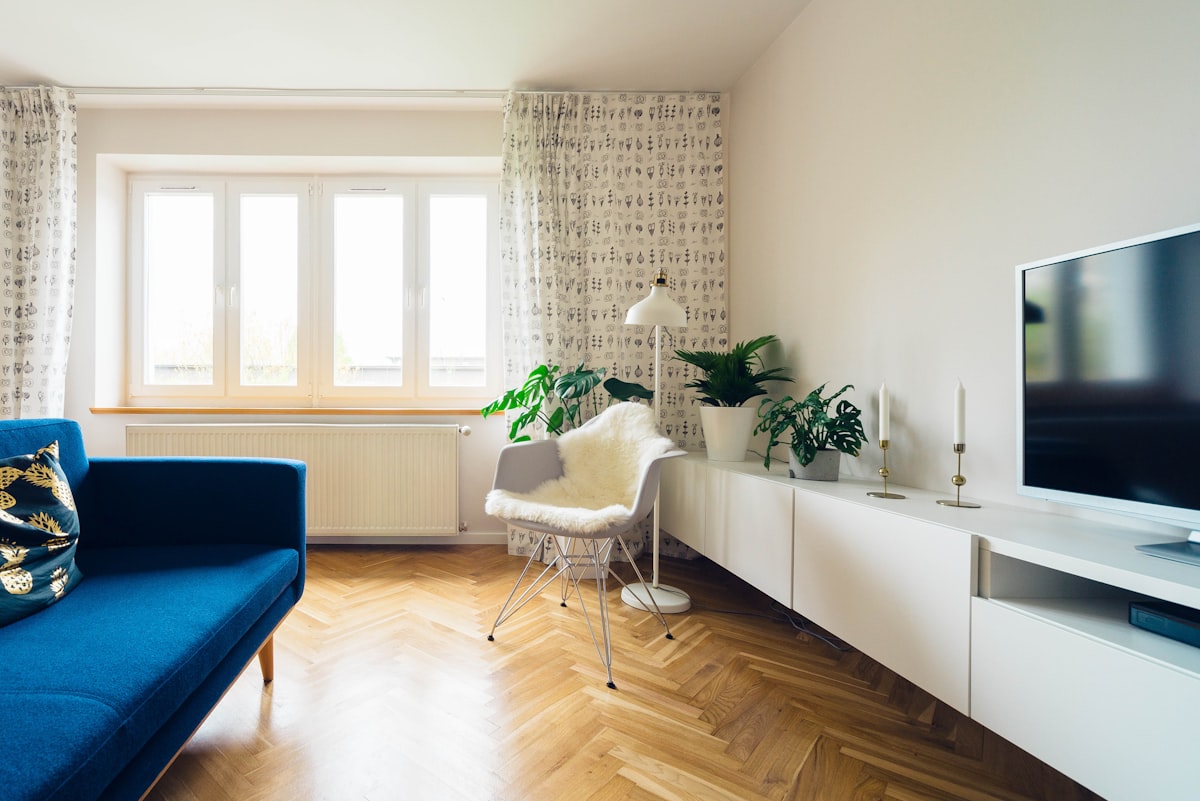
A delicate antique chair placed next to a heavy modern sofa can feel visually out of place. Match the thickness of legs, the height of backs, and the overall silhouette so the pieces feel balanced.
Similar visual weight makes different styles feel surprisingly related. A slender vintage table pairs beautifully with a low modern sofa if both share a light, airy presence. Balance is more important than matching styles exactly.

Let one piece tell a story
Every room benefits from at least one piece with real history. It might be a chair from your grandmother, a table found at a weekend flea market, or a mirror brought home from a favorite trip. The story does not need to be dramatic. It only needs to be real.
Build the room around that piece without letting it dominate everything else. One well-told story gives the room depth, while a dozen competing stories make it feel noisy and scattered. Let it sit among simpler pieces so it can speak quietly.
Bridge with color and texture
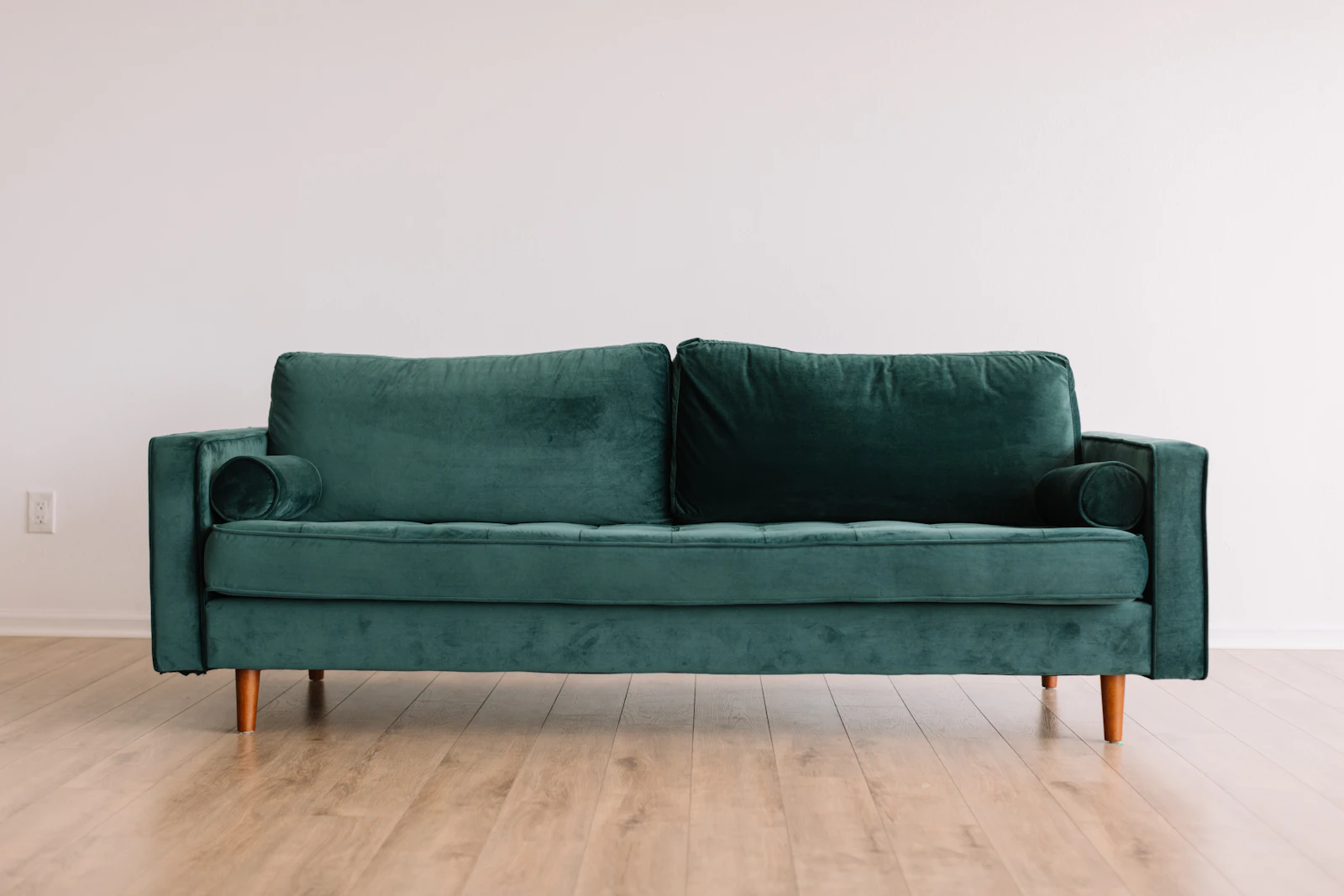
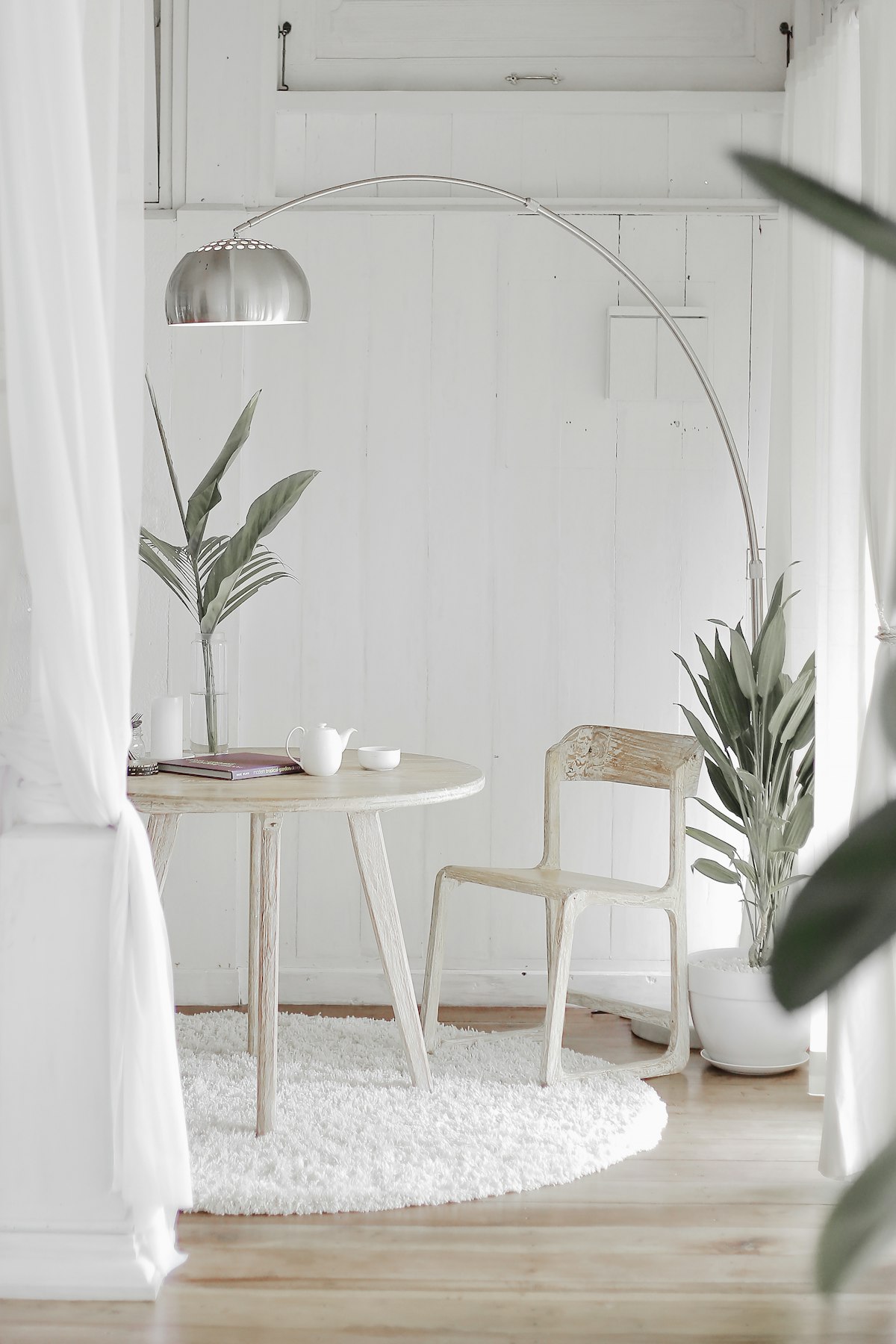
Color and texture are the quiet bridges between old and new. A vintage leather chair can sit comfortably beside a modern linen sofa if they share a warm, earthy tone.
Use rugs, throws, and pillows to repeat colors across the room. These soft connections help pieces from different decades feel like they were always chosen for the same home. A single repeated color can do more to unify a room than any matching furniture set.

Repeat shapes across eras
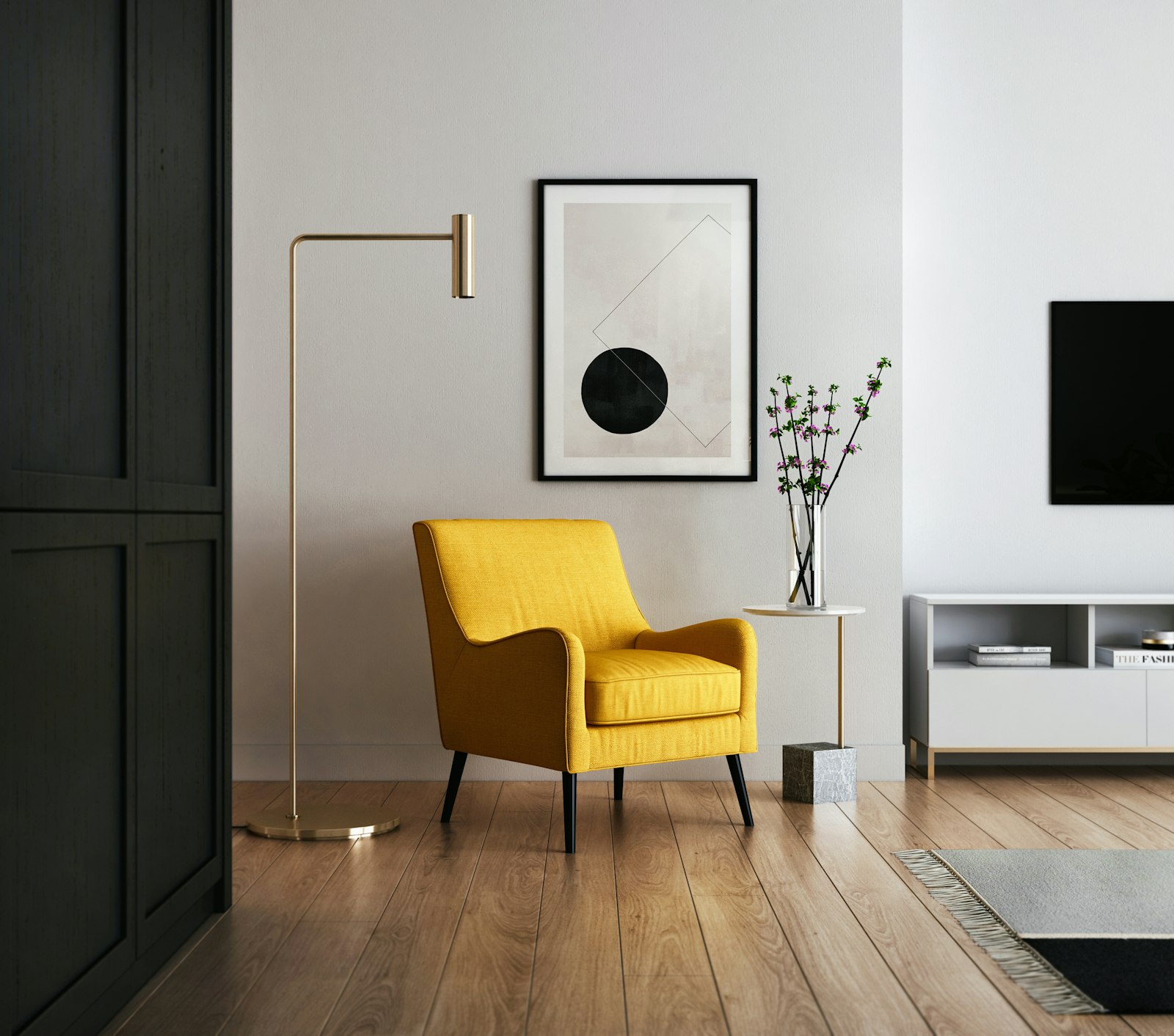
A curved vintage armchair can echo the rounded arms of a modern sofa across the room. Repeating shapes creates rhythm and helps your eye move smoothly from one piece to the next.
Look for common details like tapered legs, gentle tufting, or woven cane panels. These small visual echoes tie together furniture that was made decades apart. These details are easy to miss individually, but together they create a sense of harmony.
Live with it before you perfect it
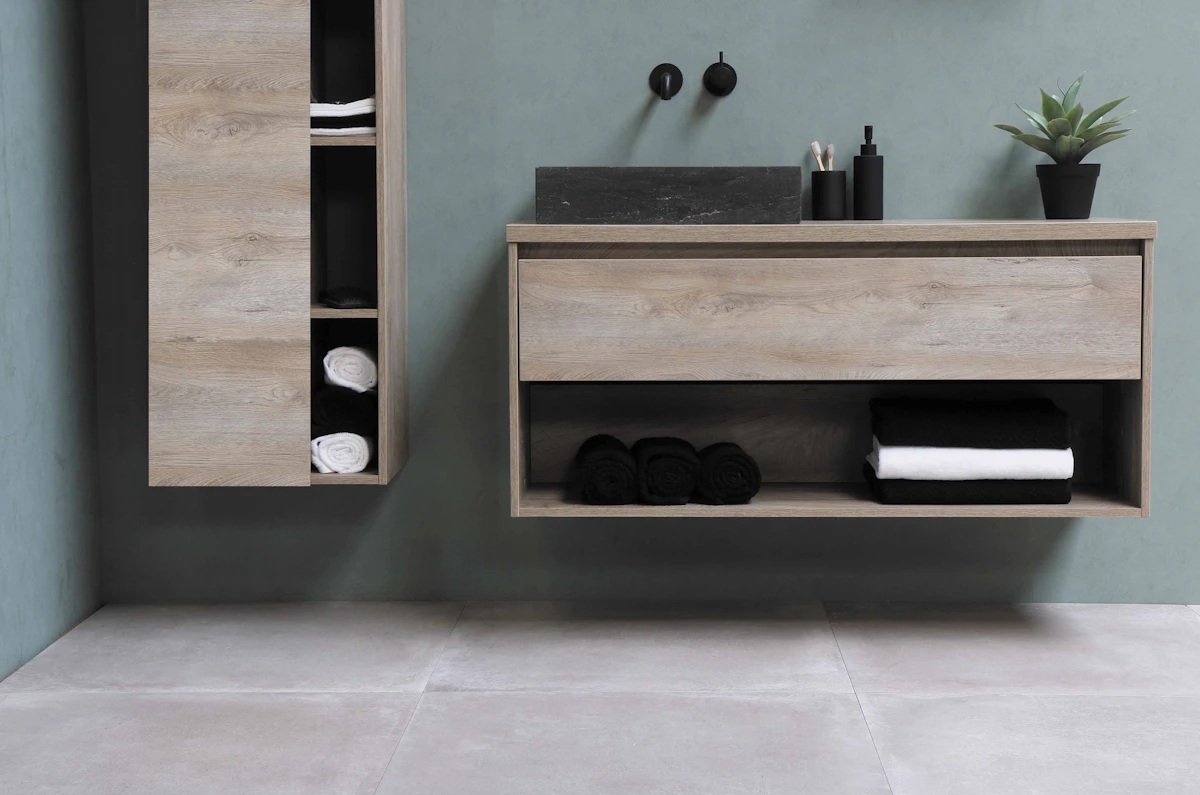
The best mixed rooms evolve slowly over time. Move pieces around, swap the art, and let the arrangement settle before you decide that something is wrong.
A room that looks too perfectly staged often lacks soul. Give yourself permission to let the mix feel lived-in, because that is where old and new furniture truly come alive. The best rooms look like they were assembled over time, not ordered in a single afternoon.
Related reads
Frequently asked questions
Can I mix wood tones in one room?
Yes, keep them in the same temperature family and add one neutral tone to bridge them.
How much vintage furniture should a room have?
Aim for about twenty percent vintage accents and eighty percent modern or neutral pieces.
What is the easiest way to mix old and new?
Start with one vintage piece you love and choose modern pieces that echo its shape or color.