Why the Sofa Loses
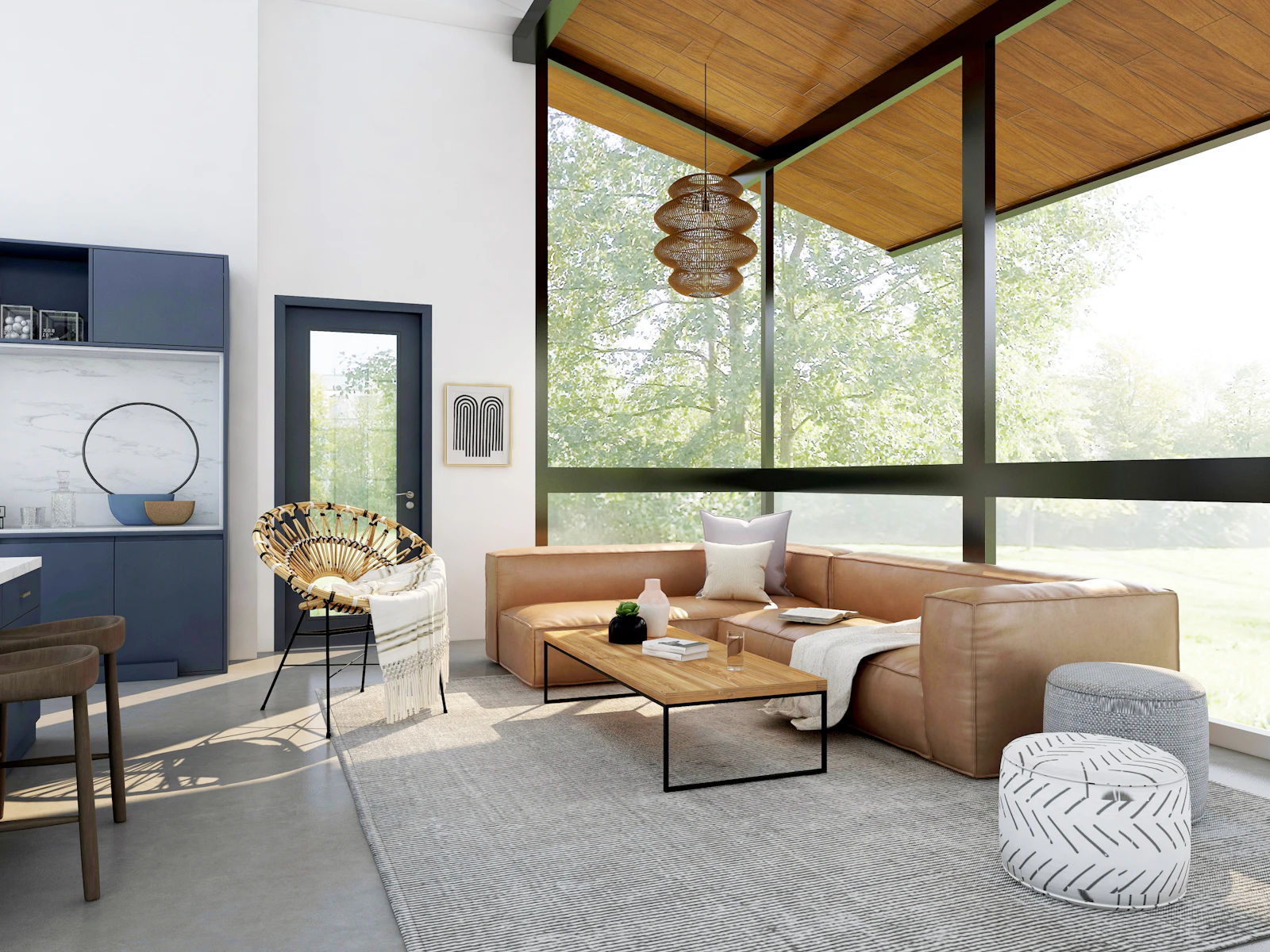
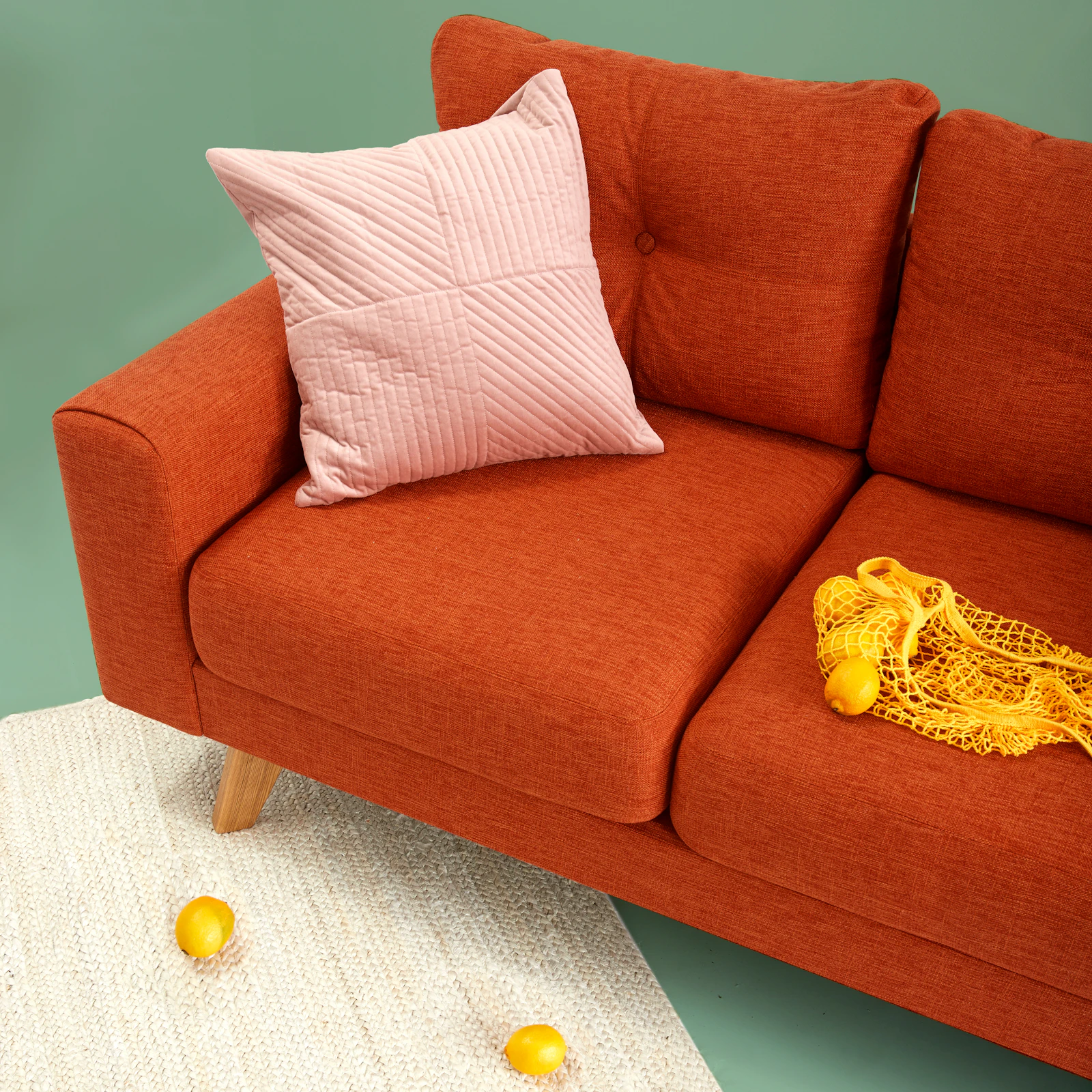
Eating on the sofa feels easy at the end of a long day. You collapse, plate in hand, and turn on something to watch. But the body reads the couch as a place for rest, not digestion. Posture softens, chewing slows, and the meal becomes background noise.
A dining area does not need to seat six. It needs to make two people sit facing each other. The simple act of facing your food and your companion changes the entire experience of dinner. The food becomes the event, not the screen.

The Table as a Signal
Why does eating at a table feel more nourishing than eating on the sofa, even with the same food? Because the table signals a transition. It tells your brain that the workday is over and a different kind of time has begun. That boundary is what makes dinner feel restorative.
The table also holds objects differently. A plate sits level, a glass rests safely, and napkins stay where you put them. These small physical cues allow you to relax into the meal instead of balancing it on your lap.
Making Two Seats Enough
A tiny dining area forces you to edit. You do not need a buffet, a sideboard, or extra leaves for guests you rarely host. A small round table and two chairs can feel complete. Choose chairs that are comfortable enough for a lingering meal but small enough to tuck underneath.
If space is tight, consider a wall-mounted drop-leaf table or a narrow console that doubles as a dining surface. The goal is not to replicate a formal dining room. The goal is to claim a specific spot for eating.

Lighting the Small Table
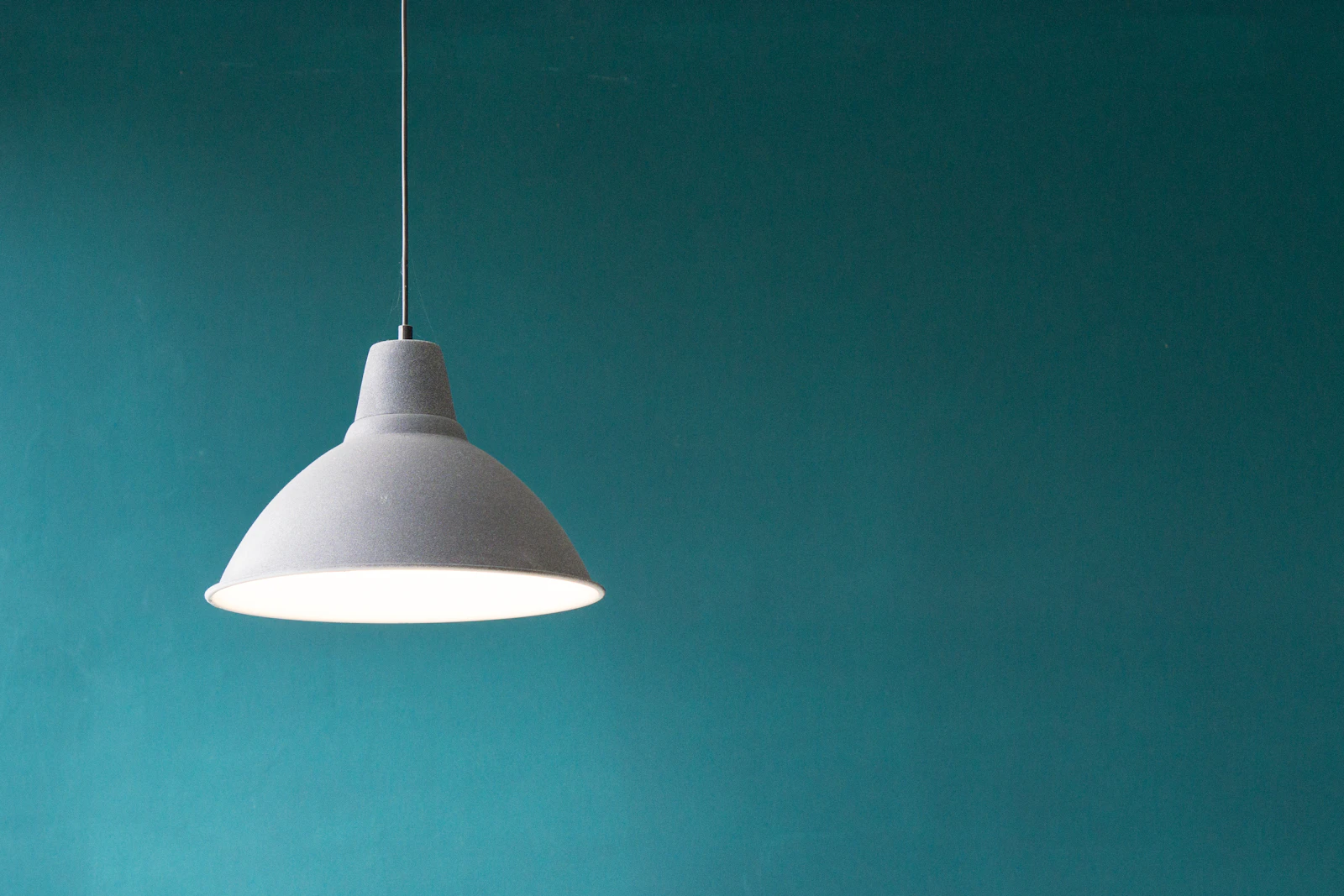
Overhead lighting in an open-plan apartment can feel harsh and impersonal. A small pendant over the table creates a zone of intimacy. If you often have people over, our tips for <a href="/reading/entertaining/friends-over-without-stress/">friends over without stress</a> work especially well in these small but social spaces.
Candles also do serious work in a tiny dining area. They lower the light and slow the pace. One or two candles on a small table feel ceremonial without requiring a special occasion.

The Weeknight Dinner Ritual
The ritual does not need to be elaborate. Set the table, even if dinner is reheated leftovers. Sit down before the food gets cold. Take three breaths before the first bite. These tiny gestures accumulate into a sense of care for yourself and whoever shares the meal.
For more ideas on making a small eating space feel special, read about a <a href="/reading/kitchen/tiny-dining-area-feels-special/">tiny dining area that feels special</a>. The principles are the same: intention matters more than square footage.
Frequently Asked Questions
Q: How small can a dining table be for two people?
A: A table around twenty-four to thirty inches wide and thirty to forty inches long is usually enough for two. Round tables can work in tighter footprints.
Q: What shape table works best in a tiny dining area?
A: Round tables often feel more social and take up less visual space. Rectangular tables work well pushed against a wall when not in use.
Q: Is a dining area worth it in a studio apartment?
A: Yes, even a dedicated corner for eating can improve digestion, conversation, and the mental separation between work and rest.
Related reads
Frequently asked questions
What is tiny dining area, real weeknight dinners?
A table for two that beats a couch dinner
Why does tiny dining area, real weeknight dinners matter?
Eating on the sofa feels easy at the end of a long day.
How do I start with tiny dining area, real weeknight dinners?
Why does eating at a table feel more nourishing than eating on the sofa, even with the same food?
What is a simple tip for tiny dining area, real weeknight dinners?
A tiny dining area forces you to edit. You do not need a buffet, a sideboard, or extra leaves for guests you rarely host.