Look for an Adjustable Arm First
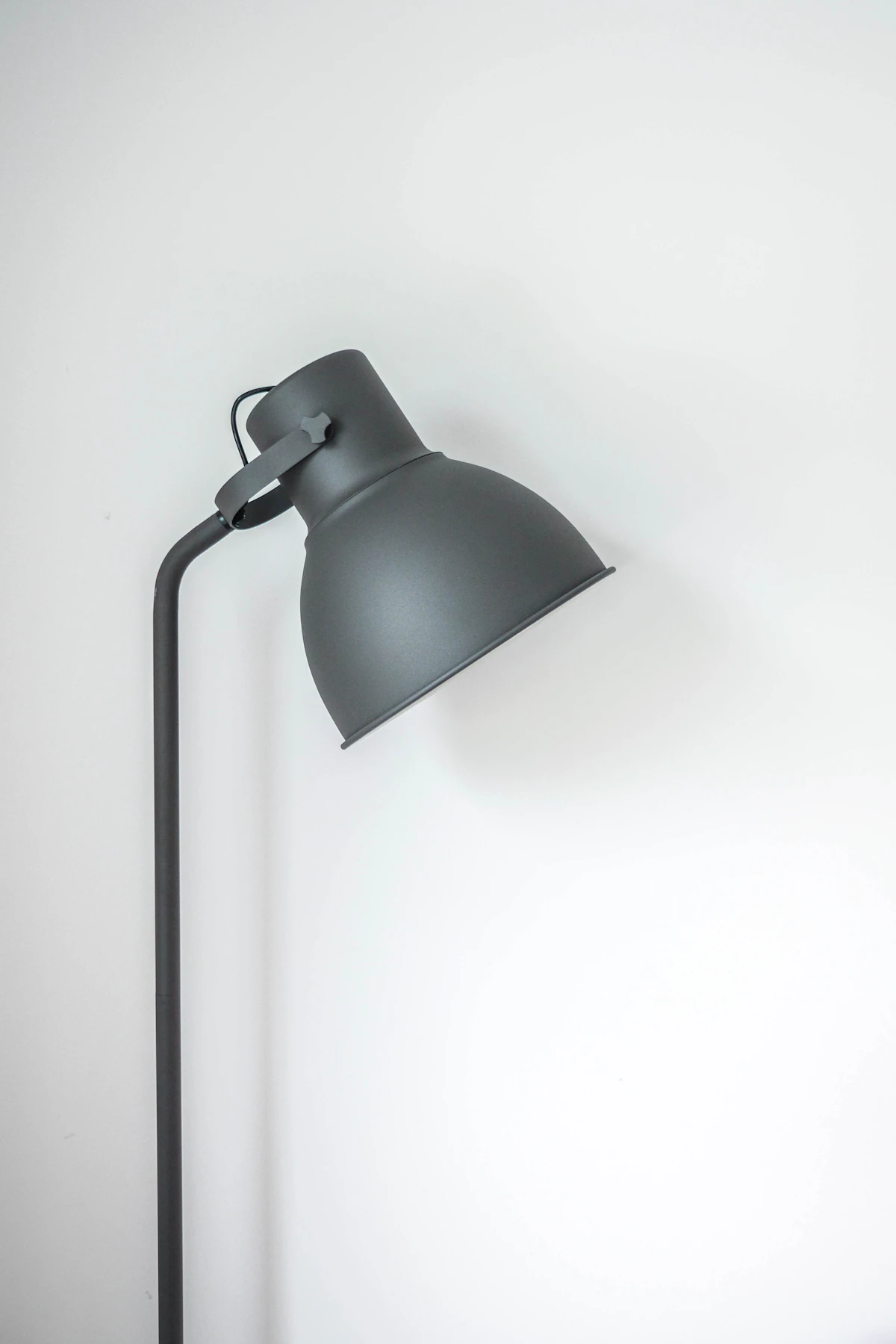
A reading lamp is only useful if it can aim light where you need it. Adjustable arms and swivel heads let you direct illumination over your shoulder, across a book, or toward a tablet without repositioning the entire fixture. This flexibility matters whether you read in an armchair, sofa, or bed.
Arc floor lamps are a popular choice because their curved arm reaches out from behind seating. Task lamps with articulated joints offer even more precision. Test the range of motion before buying to make sure the head clears your shoulder and does not shine directly in your eyes.
The base should be heavy enough to stay put when you adjust the arm. A wobbly lamp is frustrating and can tip in homes with pets or children.
Choose the Right Bulb Temperature
Color temperature affects how comfortable reading feels. A warm white bulb around 2700K to 3000K mimics evening light and reduces eye strain during long sessions. Cooler daylight bulbs are better for detail work but can feel harsh when you are trying to relax.
Dimmable LEDs give you the most control. Brighten the light for morning crossword puzzles and dim it for late-night novels. Look for bulbs with a high color rendering index so pages look natural rather than washed out.
Avoid bare bulbs that expose the filament or diode. A shaded or diffused source spreads light evenly and cuts glare.

Position the Lamp Beside, Not Behind
The best reading light comes from the side and slightly behind your dominant hand. If you are right-handed, place the lamp to your left so your hand does not cast a shadow across the page. Left-handed readers should reverse this.
The bottom of the lampshade should sit roughly at eye level when you are seated. This places the brightest part of the beam on your book instead of your face. Too high and the light scatters; too low and it creates glare.
Leave enough cord length to reach an outlet without stretching across walkways. A cord cover or flat woven rug can hide the wire and prevent tripping.

Match the Lamp to Your Room Scale
A tiny lamp beside an oversized sectional looks lost, while a towering arc lamp can overwhelm a small bedroom. Measure your ceiling height and the surrounding furniture before shopping. In rooms with eight-foot ceilings, keep the lamp under six feet tall unless it is an arc style designed to sweep overhead.
Slim profiles work best in tight spaces. A narrow pharmacy floor lamp tucks neatly between a chair and side table without crowding the area. In larger living rooms, a wider arc or tripod base can anchor the seating arrangement.
Consider the finish too. Black or bronze reads modern, brass warms a traditional room, and matte white blends into Scandinavian spaces.

Explore Task and Pharmacy Styles
Pharmacy floor lamps have long been favorites for readers because their adjustable heads and focused beams put light exactly on the task. Many modern versions update the classic look with cleaner lines and LED compatibility. They pair well with leather chairs, wood side tables, and built-in bookshelves.
Task lamps with swing arms offer similar precision in a smaller footprint. Some clamp to a side table or desk, while others stand independently. These are ideal if you read in multiple spots and want a lamp that adapts.
For households where more than one person reads in the same room, consider a double-headed floor lamp. Each reader gets their own focused beam without disturbing the other.

Layer Reading Light With Ambient Light
A reading lamp should not be the only light source in a room. Layer it with overhead fixtures, wall sconces, or table lamps to avoid a spotlight effect. When you finish reading, the ambient light lets you move around comfortably without turning on a harsh ceiling fixture.
Use smart bulbs or plugs to control both layers from one switch or voice command. Dim the overhead light while brightening the reading lamp, then reverse it when you are done. This simple routine makes the room feel more sophisticated.
In bedrooms, pair a reading floor lamp with a dimmable ceiling fixture. The combination supports both focused reading and wind-down time.

Keep Cords and Controls Simple
A floor lamp with a foot switch or pull chain is easier to operate from a seated position than one with a tiny switch halfway up the pole. Look for lamps with reachable controls, especially if you read with limited mobility or from a low chair.
Cord management keeps the reading area tidy. Position the lamp so the cord runs along the wall or under furniture. If you have hard floors, a cord channel in a color matching the baseboard can make the wire nearly invisible.
The best reading lamp fades into the background. When the light is right, you forget about the fixture and lose yourself in the book.
Related reads
Frequently asked questions
What is the best height for a reading floor lamp?
The bottom of the shade should sit near eye level when you are seated so the beam falls on your book, not your face.
How bright should a reading floor lamp be?
Look for a dimmable LED between 400 and 800 lumens so you can adjust brightness based on the time of day.
Should a reading lamp be warm or cool light?
Warm white around 2700K to 3000K is best for relaxed reading and causes less eye strain in the evening.
Where should I place a reading floor lamp?
Place it beside and slightly behind your dominant hand so your arm does not cast a shadow on the page.