Why Solitude Needs a Boundary
In a shared home, alone time can feel like a concept rather than an experience. Someone is always in the kitchen, the television hums from the living room, and even the bedroom belongs to laundry piles and unfinished tasks. The idea of solitude becomes distant because there is no place that signals it has begun.
That is where a window seat becomes more than a design feature. It becomes a threshold. When you sit down with a cushion at your back and light on your face, the rest of the house does not disappear, but it steps back. The physical edge of the seat creates a soft boundary that tells your mind you are off duty. This small architectural moment can do what a closed door sometimes cannot. It gives you permission to be unavailable without leaving the room.
The window seat works because it occupies a space that is already overlooked. It is not a whole room that needs to be claimed or defended. It is a corner, a ledge, a few feet of wall. That modesty is its strength. You do not need to justify using it. You simply sit.
Choosing the Right Window
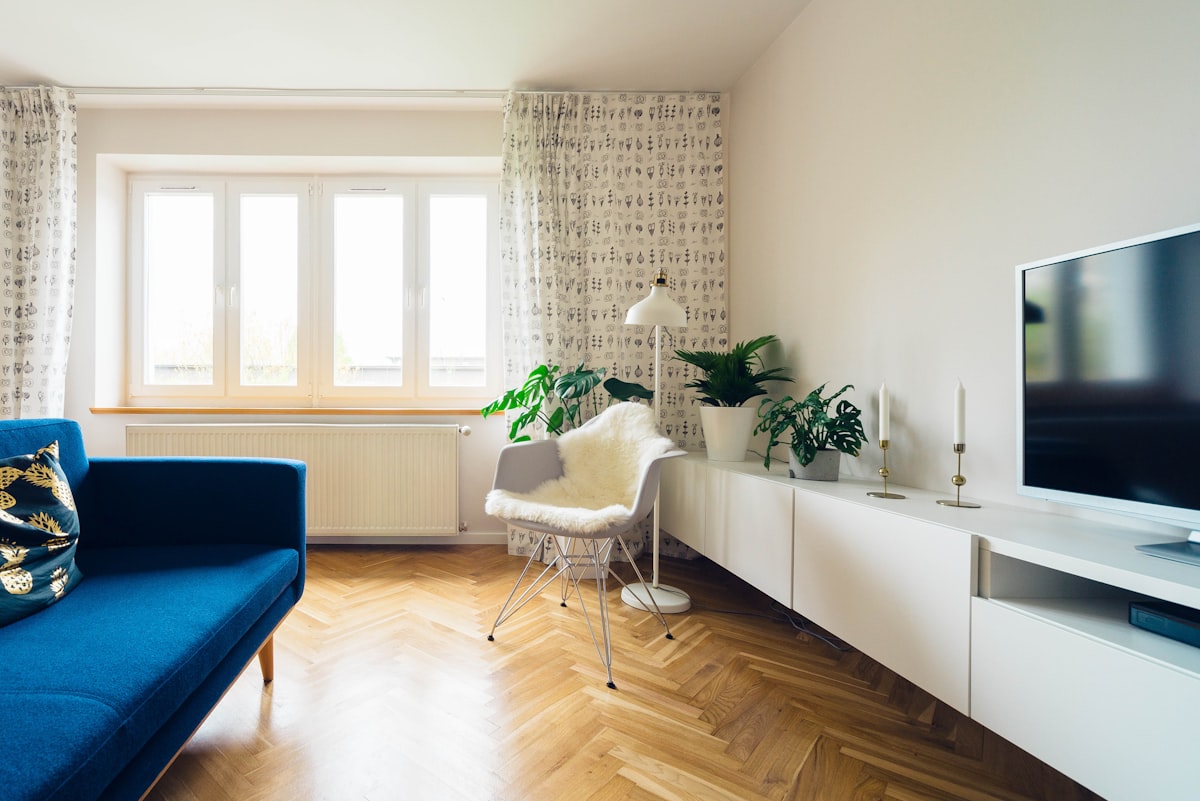
Not every window wants to become a seat. The best candidates are ones that receive gentle light for part of the day, face something worth looking at, and sit against a wall long enough to support your back. A south-facing window can be wonderful in winter and unbearable in summer, so consider how the light moves through the seasons before committing furniture to the spot.
The height of the sill matters too. A sill that sits just below seat height can be extended with a simple cushion. If the sill is too high, the seat becomes a perch rather than a lounge. If it is too low, you may feel exposed. The goal is a position where your knees bend comfortably and your shoulders can rest against the adjacent wall.
Privacy is another consideration. A window facing the street can still work if you add a sheer curtain or a bottom-up shade. The point is not to disappear from the world but to soften its presence. You want to feel connected to the outside without performing for it.
The Few Things You Actually Need
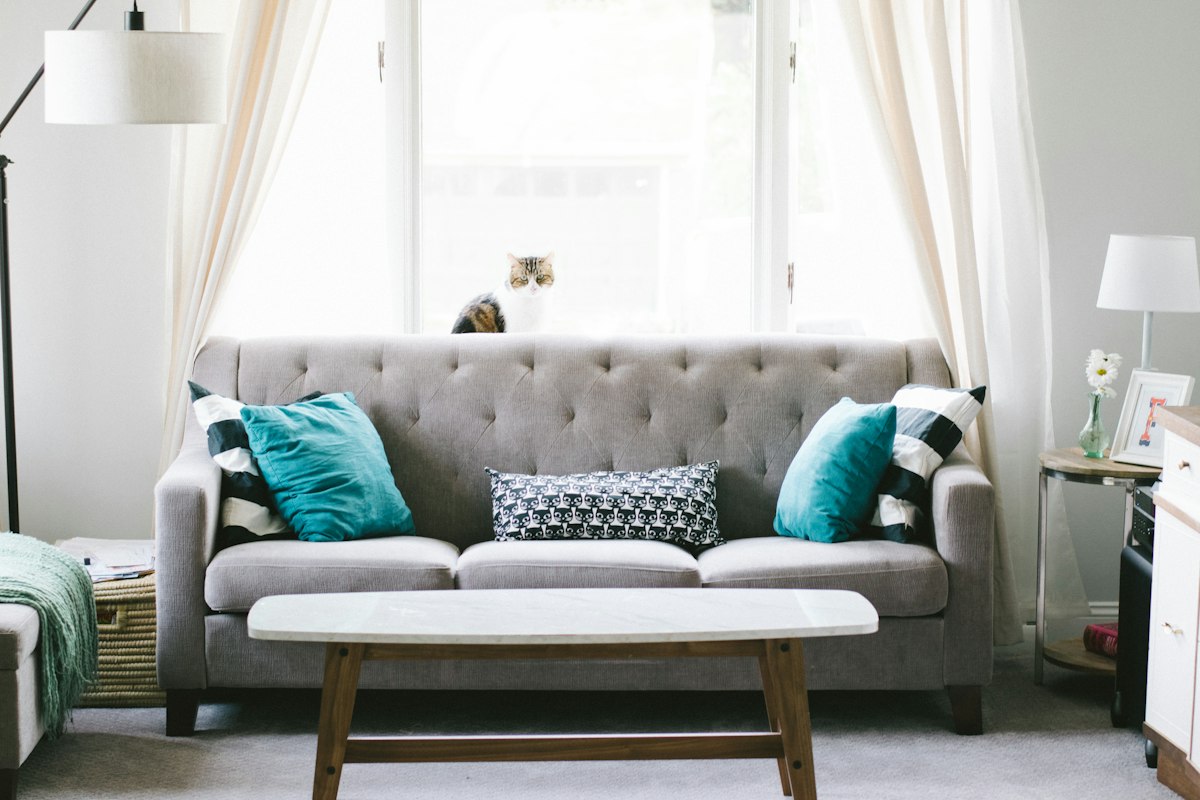
A window seat does not require a built-in bench or custom carpentry. A thick cushion cut to size, a small side table or stool, and one good blanket are enough to transform an ordinary ledge into a retreat. Resist the urge to decorate it like a showroom. The more objects you add, the more the seat starts to feel like another surface that needs maintaining.
The cushion is the most important piece. It should be firm enough to support you for twenty minutes but soft enough that you want to stay longer. Outdoor cushions often work well because they hold their shape and are easy to clean. A single lumbar pillow is better than a pile of decorative pillows that you will end up moving every time you sit down.
Add one item that invites slowness. That might be a book, a journal, or a pair of headphones. The object itself is less important than what it represents. It is a signal that this corner is for doing one thing at a time. For more ideas on designing slow corners, see our guide to <a href="/reading/daily-ritual/sunday-reading-nook/">The Sunday Reading Nook</a>.
Alone Time Without Leaving the House
One of the hardest parts of living with others is the unspoken expectation that you are always available. A window seat gives you a way to step back without walking out. Because it is in a common area, you are still present. Because it is clearly yours, you are also left alone.
The visual cue matters. When someone sees you curled into the window with a cup of tea, they understand that you are not waiting to be asked a question. The posture itself becomes a gentle do-not-disturb sign. Over time, the people you live with begin to honor the seat as your time rather than your location.
This is especially valuable for parents, partners, and anyone who works from home. You do not need a separate room to have a separate state of mind. You need a consistent place that your brain learns to associate with rest. The window seat becomes that anchor.
Designing for Quiet, Not Perfection
A window seat does not need to look like a magazine spread. It needs to feel like a sigh. The best ones are slightly rumpled. The cushion has a permanent indent. The blanket is never perfectly folded. These signs of use are proof that the corner is doing its job.
Color and texture should support the mood rather than compete with it. Natural linen, faded cotton, and warm wood all help the space feel approachable. Avoid high-contrast patterns or glossy finishes that keep the eye busy. You want the seat to recede so that your attention can rest on the light, the view, or your own thoughts.
If you are renting or cannot modify the architecture, use a bench placed against the window or even a narrow daybed. The spirit of the window seat is not about built-in carpentry. It is about creating a boundary between you and the rest of the day.
Making It a Habit
A beautiful corner does nothing if you never sit in it. The most important design decision is the habit that surrounds it. Choose a time of day when the seat is naturally appealing. Early morning light can make it a place to wake up slowly. Late afternoon light can make it a place to arrive home to yourself.
Start with ten minutes. You do not need to read, meditate, or accomplish anything. The only requirement is that you sit. Over time, the seat becomes associated with a particular quality of attention. You will find yourself going there not because you scheduled it but because some part of you recognizes that it is needed.
Alone time does not require a separate room. It requires a place that asks nothing of you. A window seat, no matter how small, can be that place. For another perspective on private corners, read about <a href="/reading/lifestyle/natural-wood-home-office/">The Natural Wood Home Office</a>.
Frequently Asked Questions
Q: Do I need a custom built-in bench to have a real window seat? A: No. A freestanding bench, a narrow daybed, or even a sturdy storage ottoman placed against a window can create the same feeling. The boundary matters more than the carpentry.
Q: What if my window faces a busy street or another building? A: Use sheer curtains, bottom-up shades, or a small plant on the sill to create a sense of separation without blocking light entirely. You want to soften the view, not eliminate it.
Q: How do I keep my window seat from becoming a dumping ground? A: Keep the surface almost empty. One cushion, one blanket, and one item that invites use. The less clutter it collects, the more it will feel like a destination rather than a shelf.
Q: Can a window seat work in a small apartment? A: Absolutely. In fact, it often works better in small homes where a whole private room is not possible. A single dedicated corner can provide the mental shift that a larger space would normally offer.
Related reads
- Sunday Reading Nook Ideas for a Calm Weekend
- Rainy-Day Living Room Ideas for Cozy Indoor Days
- Natural Wood Home Office Ideas for Calm Focus
- The Small Balcony Morning Retreat
- Wabi-Sabi Living Room Ideas for Imperfect Calm
- The Japandi Bedroom That Actually Helps You Sleep
- Home Office Plant Ideas: 8 Plants That Thrive on a Desk
- Small Balcony Garden Ideas: 11 Potted Green Corners
Frequently asked questions
What is the window seat for alone time?
A private corner in a shared home
Why does the window seat for alone time matter?
In a shared home, alone time can feel like a concept rather than an experience.
How do I start with the window seat for alone time?
Not every window wants to become a seat.
What is a simple tip for the window seat for alone time?
A window seat does not require a built-in bench or custom carpentry. A thick cushion cut to size, a small side table or stool, and one good blanket are enough to transform an ordinary ledge into a retreat.