The Open Shelf Paradox
Open shelving promises airiness, yet it often ends up looking messier than closed cabinets. The reason is simple: every object is on display, so quantity becomes visible instantly. A cabinet can hide mismatched mugs and takeaway containers. Open shelves cannot, which is exactly why they force better decisions.
Open shelving does not require perfect styling. It requires owning less. If you are curious why minimal spaces still feel cluttered, read our take on the <a href="/reading/style/minimalist-home-still-cluttered/">minimalist home that still feels cluttered</a>. When you keep only what is useful and beautiful, the shelves become a calm backdrop.
What to Actually Display
Start with the things you use daily. White plates, simple bowls, a few matching glasses, and wooden cutting boards all earn their spot. Group similar items together so the eye reads them as one shape instead of many scattered objects. Limit decorative items to one or two pieces that mean something.
Avoid displaying anything purely because it was expensive or because you feel guilty hiding it. If you do not use it at least once a week, it probably belongs behind a door. The best open shelves hold tools, not trophies.
The One-In-One-Out Rule
Open shelves stay calm only if you maintain them. The one-in-one-out rule is the simplest discipline: whenever a new item arrives, something old leaves. This prevents the gradual creep that turns airy shelves into crowded storage.
Apply the rule to mugs especially, since they multiply faster than almost anything else. Keep your favorites and donate the rest. A shelf with too many mugs starts to look like a souvenir shop rather than a kitchen.

Why Less Feels Calmer
Visual clutter creates low-level stress. When your eyes land on too many objects, the brain processes each one as a small task. Open shelves with fewer items reduce that cognitive load every time you enter the room. This is why open shelves feel calmer with fewer items than closed cabinets with everything hidden.
The calm comes from trust. You trust that what you need is there, visible and reachable. There is no mystery, no rummaging, no avalanche of containers when you open a door. That transparency is the real luxury.

Styling for Daily Use
Place everyday items at eye level and less-used items higher up. Stack plates vertically using a plate stand so they are easy to grab. Lean cutting boards against the backsplash instead of laying them flat. These small choices make the shelves practical as well as pretty.
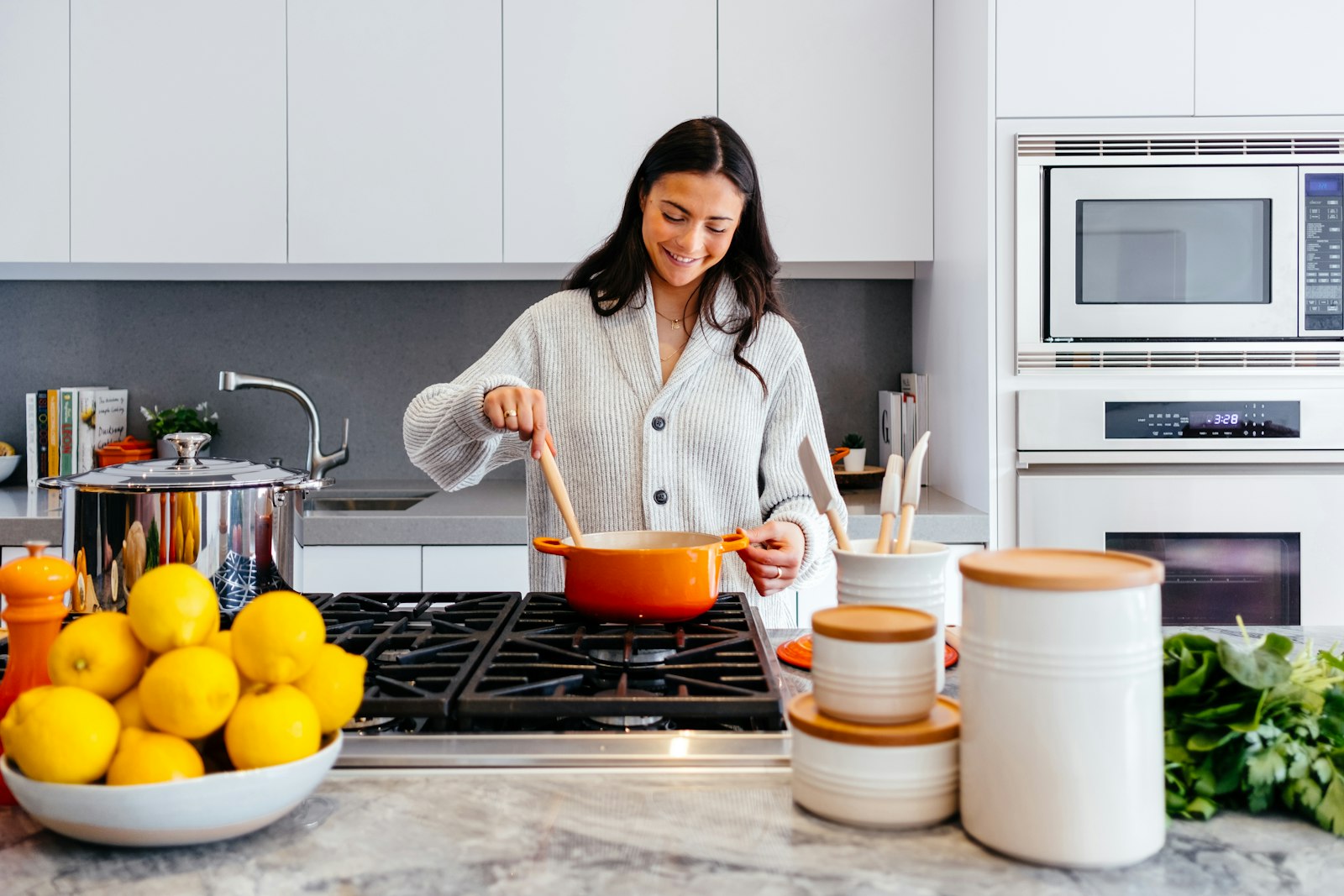
If your kitchen connects to a living area, the open shelves become part of the whole room's mood. A <a href="/reading/kitchen/warm-minimalist-kitchen/">warm minimalist kitchen</a> relies on this continuity. The dishes you choose to display are part of the decor, so choose them with intention.
Frequently Asked Questions
Q: Are open shelves practical for a busy kitchen?
A: Yes, if you keep only daily essentials on display and store occasional items elsewhere. The key is honest editing rather than decorative perfection.
Q: How do I keep open shelves from getting dusty?
A: Items used regularly do not collect much dust. For decorative pieces, a quick wipe during your weekly kitchen clean is enough. Avoid placing rarely used objects on open shelves.
Q: What color dishes work best on open shelves?
A: Neutral colors like white, cream, soft gray, and natural wood create the calmest look. Limit bold patterns to one or two pieces so the shelves do not feel visually noisy.

Related reads
- Warm Minimalist Kitchen Ideas for Calm Cooking
- Why Your Minimalist Home Still Feels Cluttered
- Textures That Calm
- A Warm Morning Coffee Corner for Winter
- A Small Kitchen Island for Cooking with Friends
- Kitchen Organization Ideas for Busy Households
- Kitchen Shelf Styling Ideas: 9 Ways to Style Open Shelves
- Kitchen Corner Shelf Ideas: 8 Ways to Use Awkward Angles
Frequently asked questions
What is open kitchen shelves that stay calm?
The case for showing less, not hiding more
Why does open kitchen shelves that stay calm matter?
Open shelving promises airiness, yet it often ends up looking messier than closed cabinets.
How do I start with open kitchen shelves that stay calm?
Start with the things you use daily. White plates, simple bowls, a few matching glasses, and wooden cutting boards all earn their spot.
What is a simple tip for open kitchen shelves that stay calm?
Open shelves stay calm only if you maintain them. The one-in-one-out rule is the simplest discipline: whenever a new item arrives, something old leaves.