Why a Small Island Changes Everything
In a small kitchen, a few extra feet of counter can transform the room from a workspace into a social one. A narrow island gives guests a place to stand, lean, and chat without cutting off the cook from the fridge, stove, or sink. That small shift in layout changes the feeling of the whole gathering.
People often assume an island needs stools, pendant lights, and a grand countertop to matter. The counter-intuitive truth is that a kitchen island does not need stools to be social. It needs to let the cook keep working while guests stay close.

Ritual: Cooking as Conversation
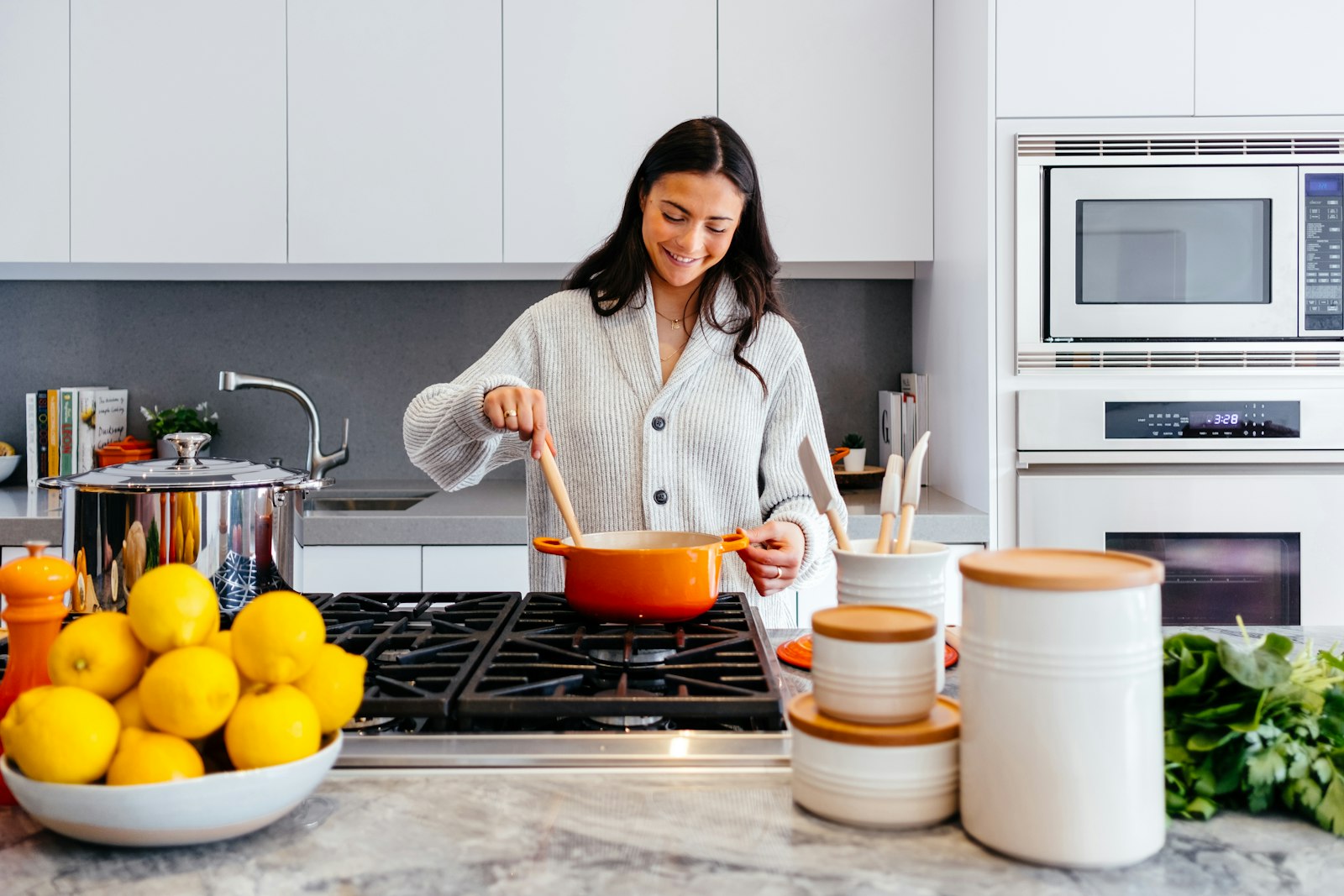
When friends gather around an island, cooking becomes a shared event instead of a hidden chore. The host chops vegetables while guests pour wine and pass plates. Everyone faces each other, and the conversation moves naturally. That feeling of connection is what makes the island worth the floor space.
The best islands support this rhythm. They give you room to prep on one side while guests occupy the other. Open shelving underneath keeps serving pieces within reach, so the host never leaves the conversation for long.

Sizing It Right
A small kitchen island should leave at least 36 inches of walkway on all sides. In very tight kitchens, a rolling cart or a narrow 12-inch ledge can serve the same purpose. The goal is workable circulation, not a statement piece.
If you do add seating, backless stools that tuck completely underneath keep the aisle clear. But remember, stools are optional. Sometimes a standing-height ledge is even better because people naturally lean, linger, and move on.

Materials for Real Life
A butcher block or warm wood top adds the lived-in feeling that makes a kitchen feel welcoming. It forgives small scratches and gains character over time. Pair it with a simple metal base or painted cabinets for a utilitarian look that is still warm.
Avoid high-maintenance materials in this high-traffic zone. The island is where spills, hot pans, and elbows collide. Choose surfaces that can handle it, then relax and enjoy the party.

Styling Without Clutter
Keep the island surface mostly clear so it can shift from prep station to serving bar. A bowl of fruit, a small cutting board, and a single vase are plenty. Storage underneath should hold the tools you use while entertaining, like platters, napkins, and wine glasses.
The styling should feel effortless, because the island is a working surface first and a display second. When it looks ready to use, people will actually use it.

Frequently Asked Questions
Q: How narrow can a kitchen island be?
A: A rolling cart or fixed island as narrow as 12 to 18 inches can still add valuable counter space and a gathering spot.
Q: Do I need seating at my kitchen island?
A: Not at all. A standing ledge often encourages more natural conversation than formal stools.
Q: What is the best material for a small kitchen island?
A: Butcher block or a durable quartz are both practical. Wood adds warmth and ages gracefully.
Q: How do I keep guests out of the cooking triangle?
A: Position the island between the cook and the guests so people can lean in without blocking work. Read more in <a href="/reading/entertaining/friends-over-without-stress/">friends over without stress</a>.

Related reads
- Having Friends Over Without the Stress
- Warm Minimalist Kitchen Ideas for Calm Cooking
- The Case for a Tiny Dining Area That Still Feels Special
- A Warm Morning Coffee Corner for Winter
- Open Kitchen Shelves That Stay Calm
- Kitchen Counter Decor That Looks Styled but Functional
- Rental Kitchen Makeover: Style Without Permanent Changes
Frequently asked questions
What is a small kitchen island for cooking with friends?
A little counter that changes how people gather
Why does a small kitchen island for cooking with friends matter?
In a small kitchen, a few extra feet of counter can transform the room from a workspace into a social one.
How do I start with a small kitchen island for cooking with friends?
When friends gather around an island, cooking becomes a shared event instead of a hidden chore.
What is a simple tip for a small kitchen island for cooking with friends?
A small kitchen island should leave at least 36 inches of walkway on all sides. In very tight kitchens, a rolling cart or a narrow 12-inch ledge can serve the same purpose.