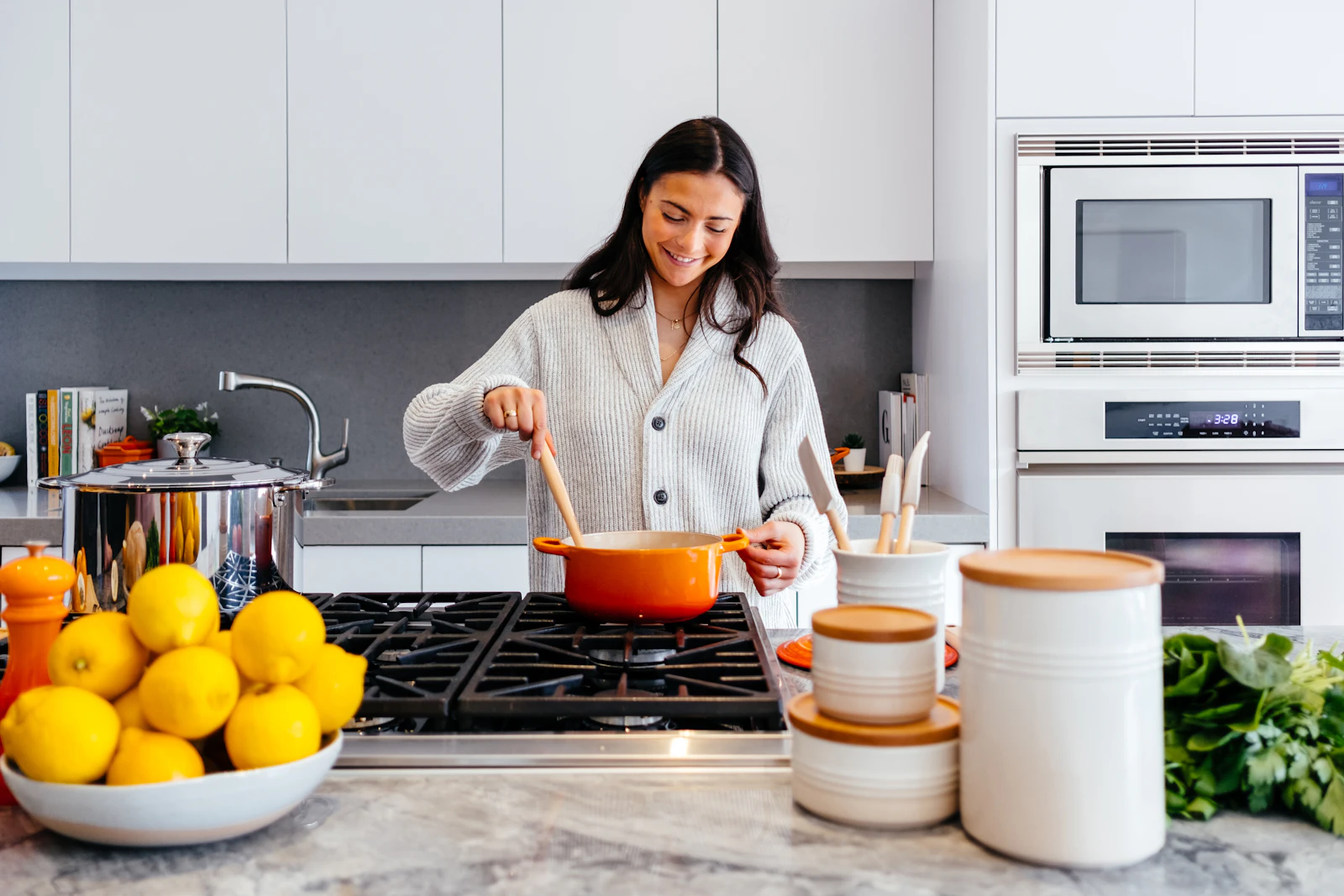
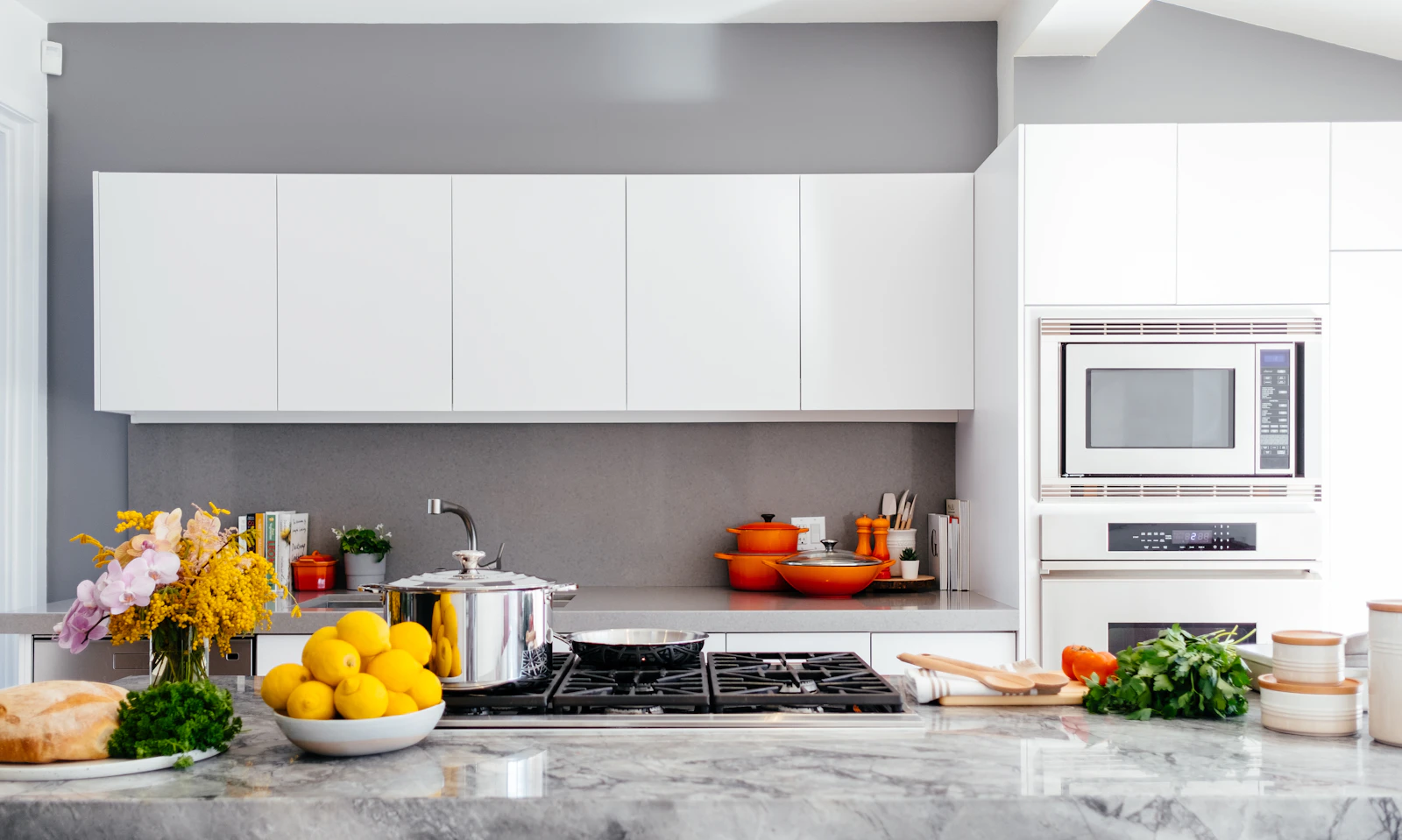
Introduction to Kitchen Shelf Styling Ideas: 9 Ways to Style Open Shelves
Open kitchen shelves are a stage for the things you use every day Whether you are starting fresh or refreshing one corner, the best results come from looking at the room from several angles at once.
This guide covers ideas across budget, layout, style, materials, and daily use. You do not need to follow every suggestion; pick the ones that fit your space and routine.
By the end, you will know how to balance comfort, function, and personality without making the room feel crowded or overdone.
Storage Zones That Match Your Habits
Store dishes near the dishwasher and glasses near the fridge. Daily routines become smoother when items live close to where they are used.
Use drawer organizers for utensils, spices, and gadgets. Deep drawers without dividers quickly become messy.
Open shelving looks beautiful but requires discipline. Closed cabinets hide mismatched containers and reduce visual noise.
A pantry shelf at eye level should hold the items you reach for most. Less-used appliances and bulk goods can go higher or lower.

Surfaces, Backsplashes, and Finishes
Choose countertops for durability first, looks second. Quartz resists stains and scratches; butcher board is warm but needs maintenance.
A backsplash protects the wall and adds personality. Subway tile is timeless; patterned tile becomes the room's focal point.
Mix metal finishes carefully. Two complementary finishes, such as matte black and brushed brass, look intentional. More than three can feel chaotic.
Matte cabinets hide fingerprints better than high gloss. Textured or wood-grain fronts add warmth to modern kitchens.

Work Triangle and Traffic Flow
The sink, stove, and refrigerator form the kitchen triangle. Keeping these three points within a few steps of each other reduces wasted movement.
In open-plan kitchens, think about work zones rather than a strict triangle. Prep, cook, clean, and store each deserve their own clear area.
Avoid placing the main path through the triangle. A walkway between the island and the counter can interrupt cooking flow.
Leave landing space next to appliances. At least 12 inches beside the stove and 18 inches beside the sink makes cooking safer and easier.

Common Mistakes to Avoid
Buying furniture without measuring is the most expensive mistake. A piece that is too large blocks flow; one too small looks lost.
Ignoring scale and proportion makes even beautiful pieces feel wrong. A tiny rug under a large sofa is a classic example.
Copying a photo exactly rarely works. Your light, ceiling height, and lifestyle are different from the room in the image.
Adding too many items too fast. Live with the basics first, then add personality in layers over time.

Where to Start This Weekend
Pick the biggest pain point first. The area that frustrates you daily is where small changes will feel most rewarding.
Clear everything out that does not belong. A clean surface makes it easier to see what the room actually needs.
Make one anchor decision: a paint color, a rug, or a key piece of furniture. Everything else can follow that choice.
Set a firm budget and timeline. Scope creep is real; finishing one defined project feels better than starting three.

FAQ
Q: How do I start with kitchen shelf styling? A: Choose one anchor decision, such as layout, color, or budget, then build the rest of the room around it.
Q: What is the most cost-effective upgrade? A: Lighting and textiles usually give the biggest visual change for the smallest budget.
Q: How do I keep the room from feeling cluttered? A: Leave empty space on every surface, store items behind closed doors when possible, and edit decor regularly.
Related reads
Frequently asked questions
How do I start with kitchen shelf styling?
Choose one anchor decision, such as layout, color, or budget, then build the rest of the room around it.
What is the most cost-effective upgrade?
Lighting and textiles usually give the biggest visual change for the smallest budget.
How do I keep the room from feeling cluttered?
Leave empty space on every surface, store items behind closed doors when possible, and edit decor regularly.