Introduction to Nursery Ideas That Grow With Your Baby
Design a calm, safe nursery that transitions into a toddler room. Whether you are refreshing one corner or rethinking the whole room, small changes can make a big difference in how the space looks and feels.
This guide covers practical ideas for nursery ideas that work in real homes. You do not need a big budget or professional help to get a polished result.
By the end, you will have clear steps you can use today to create a space that feels more comfortable, functional, and personal.
Use the tips below as a starting point, then adapt them to your own style, space, and daily routine.
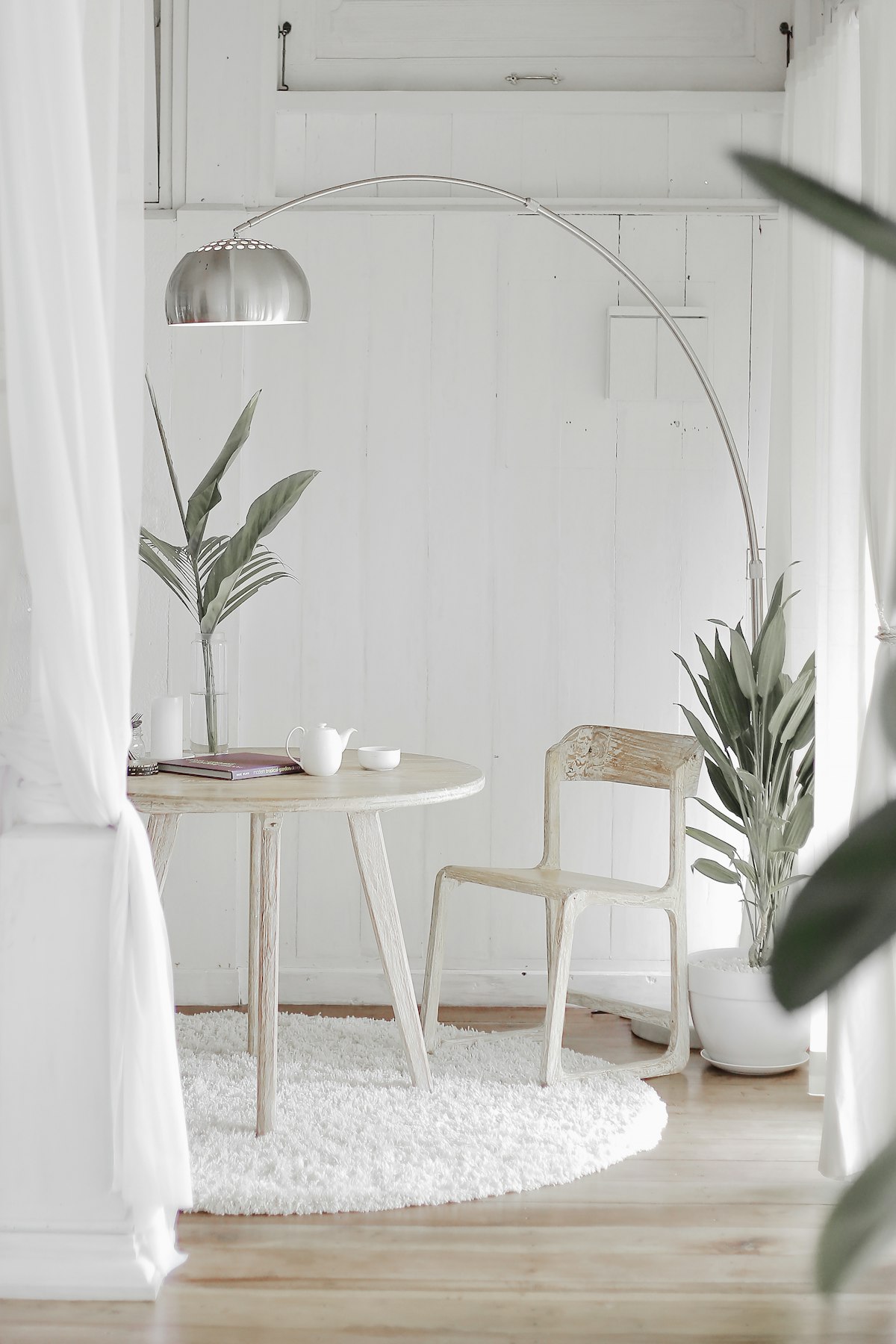
Plan for Longevity
Choose furniture that works beyond the baby stage. A crib that converts to a toddler bed and a dresser that becomes a changing table saves money and space. Choosing timeless furniture helps the room grow with your child through multiple stages.
Neutral walls and larger furniture pieces can last for years. Use textiles and art for the baby-specific theme.
Think about how the room will function when your child is two or three, not just during the newborn months.
Investing in adaptable pieces means fewer replacements and a room that evolves with your child.
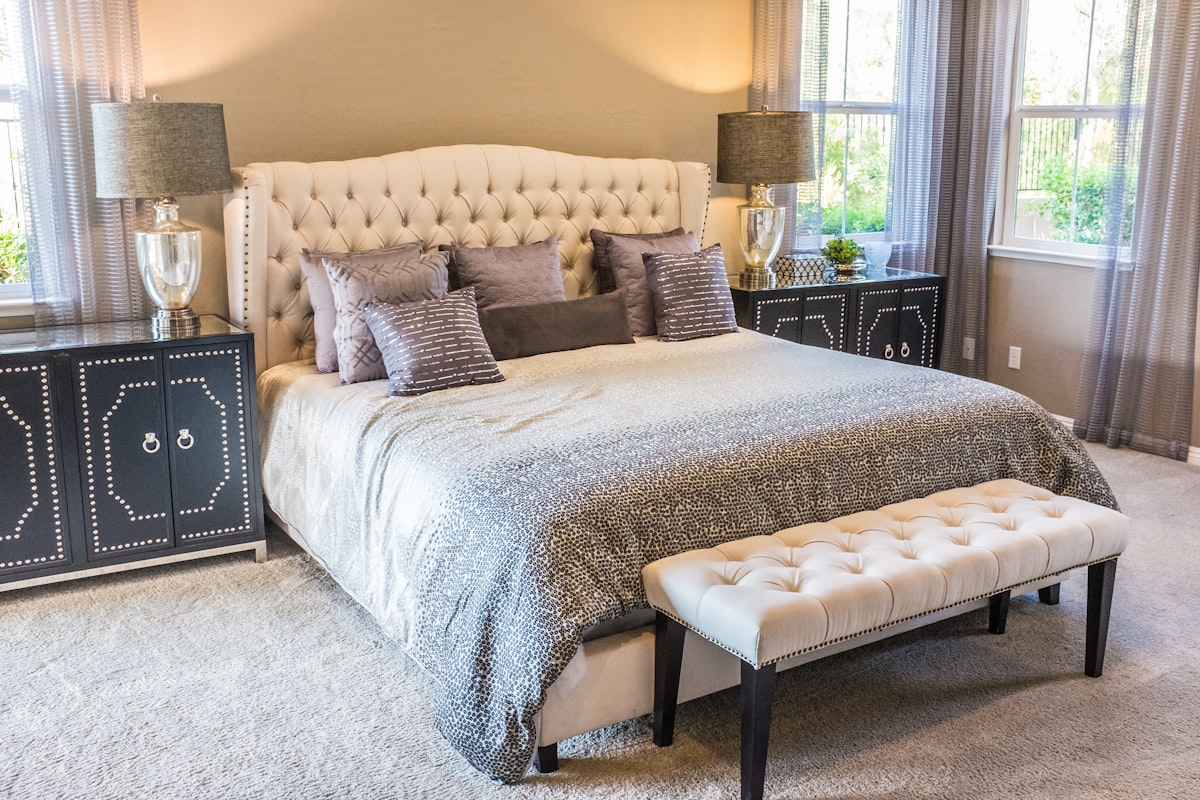
Prioritize Safety
Anchor all furniture to the wall. Babies become climbers faster than expected. Simple safety steps now prevent accidents as your baby becomes more mobile.
Keep the crib free of pillows, bumpers, and loose blankets. A fitted sheet is all a baby needs for safe sleep.
Use cordless window coverings and place the crib away from windows, heaters, and cords.
Choose non-toxic paints and finishes. Babies spend hours near surfaces, so air quality matters.

Create a Calming Atmosphere
Soft, dimmable lighting helps with nighttime feedings. A small lamp or nightlight keeps the room gentle without fully waking the baby. Soft textures and gentle colors help create a soothing environment for sleep and bonding.
Natural materials like wood, cotton, and wool add warmth and texture. Avoid overly bright plastics when possible.
A comfortable chair for feeding and reading will become the most-used spot in the room. Choose one with good back support.
Blackout curtains support naps by blocking daylight. They are one of the most useful additions to any nursery.

FAQ
Q: What furniture does a nursery really need? A: A safe crib, a changing surface, a dresser, and a comfortable chair for feeding are the essentials. Focus on a safe crib, changing area, storage, and a comfortable chair for feeding.
Q: How can I make a nursery safe? A: Anchor furniture, use cordless blinds, keep the crib clear, and avoid small decorations within reach. Secure furniture, use cordless window coverings, and keep small items out of reach.
Q: What colors are best for a nursery? A: Soft neutrals, muted greens, and gentle blues create a calm environment that grows with the child. Soft, muted colors create a calm backdrop that works for babies and older children alike.

Related reads
Frequently asked questions
What furniture does a nursery really need?
A safe crib, a changing surface, a dresser, and a comfortable chair for feeding are the essentials. Focus on a safe crib, changing area, storage, and a comfortable chair for feeding.
How can I make a nursery safe?
Anchor furniture, use cordless blinds, keep the crib clear, and avoid small decorations within reach. Secure furniture, use cordless window coverings, and keep small items out of reach.
What colors are best for a nursery?
Soft neutrals, muted greens, and gentle blues create a calm environment that grows with the child. Soft, muted colors create a calm backdrop that works for babies and older children alike.