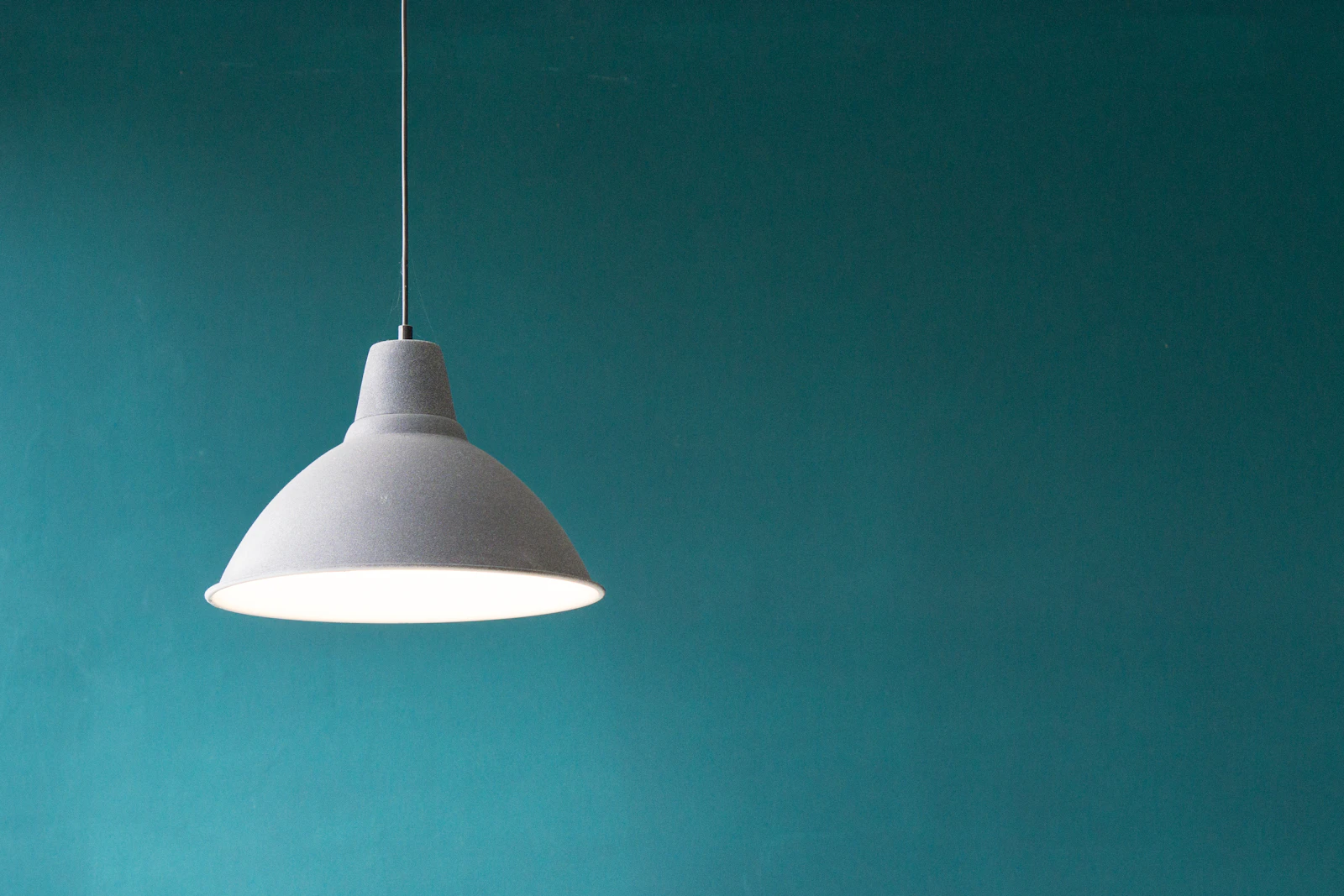
Why the best bedrooms disappear at night
Many bedrooms are styled like stage sets: bold headboards, dramatic chandeliers, and piles of pillows that look stunning in photos. Yet at night, those same details become visual noise. A Japandi bedroom takes the opposite path. It is designed not to impress, but to dissolve into the background.
This philosophy feels countercultural in a world that rewards clutter. Instead of adding more, Japandi asks what can be removed without losing comfort. The result is a room that feels generous rather than sparse. When you walk in at the end of a long day, the space greets you with quiet.
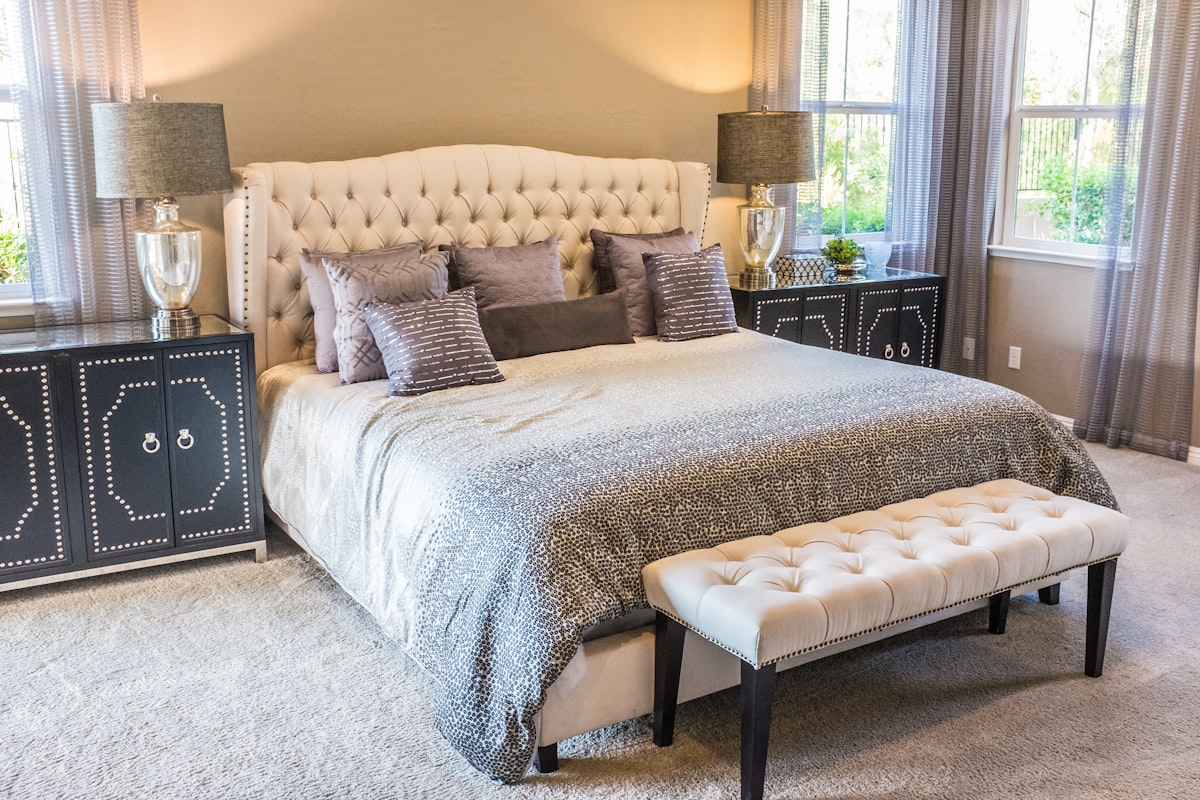
Ground yourself with a low bed frame
A low bed frame is one of the signature moves in Japandi design. When your sightline is closer to the floor, the body reads the room as stable. There is less distance between standing and lying down, which makes the transition into sleep feel gentler and more grounded.
You do not need a traditional tatami platform to capture this effect. A simple wooden frame with clean lines, or a low profile base, can achieve the same calm. Choose solid wood in a light or medium tone and keep the headboard minimal. The closer to earth, the better.

Choose materials that quiet the senses
Natural materials are not just a visual preference in Japandi bedrooms; they are functional. Cotton and linen bedding breathe better than synthetics and feel cooler. Solid wood nightstands absorb sound and soften acoustics. Woven baskets add tactility without visual clutter.
Each material should feel good to touch and pleasant to look at in soft light. Avoid glossy finishes and plastic veneers that catch glare. The goal is a room that rewards close attention without shouting. When every surface is honest and warm, the bedroom becomes a place to settle into.

Keep color soft and singular
Japandi color palettes rest on white, cream, pale gray, and light wood. These tones reflect morning light and never fight for attention. Rather than layering many accent colors, choose one deeper anchor, such as charcoal or terracotta, and repeat it in small doses.
The absence of bright color is restorative. In a bedroom, color competes for mental processing. Soft neutrals let the eye travel slowly and the breath deepen. If you crave pattern, introduce it through texture rather than print. These quiet variations are enough.

Edit light for deep rest
Lighting in a Japandi bedroom should behave like candlelight: low, warm, and contained. Overhead fixtures are best reserved for cleaning days. For daily life, rely on a dimmable table lamp, a wall sconce, or a paper lantern that glows rather than shines.
Create a wind-down habit by lowering lights half an hour before bed. This signals the brain that the day is ending. Place your light source to the side of the bed so illumination is indirect. In a well-lit Japandi room, darkness becomes a welcome guest.
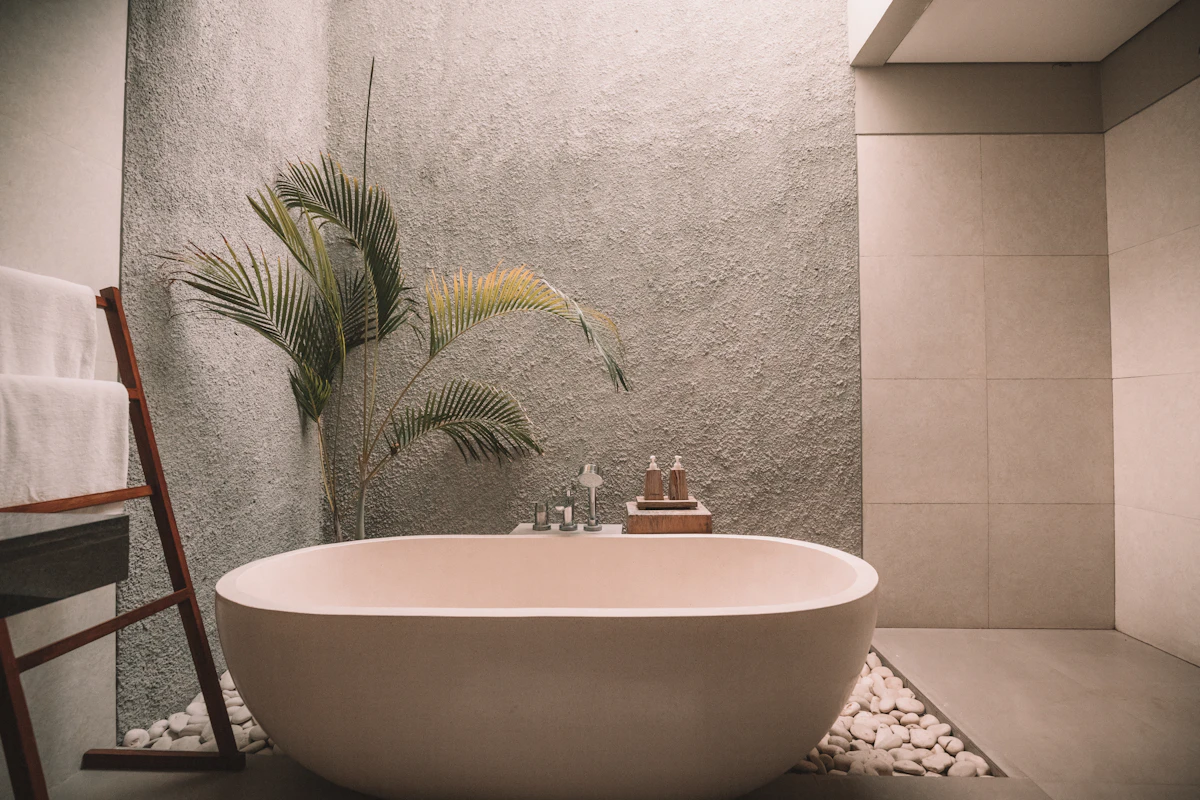
Embrace the beauty of almost empty
We often mistake fullness for coziness. A mountain of pillows may look inviting in a catalog, but in real life it creates visual weight. A Japandi bedroom embraces strategic emptiness. Surfaces are clear, walls are quiet, and only a few objects remain.
Start by removing one decorative layer from the room. Put away extra throw pillows and art you no longer notice. The room immediately feels lighter. The goal is not sterility but breathing space. When the bedroom holds less, what remains matters more.
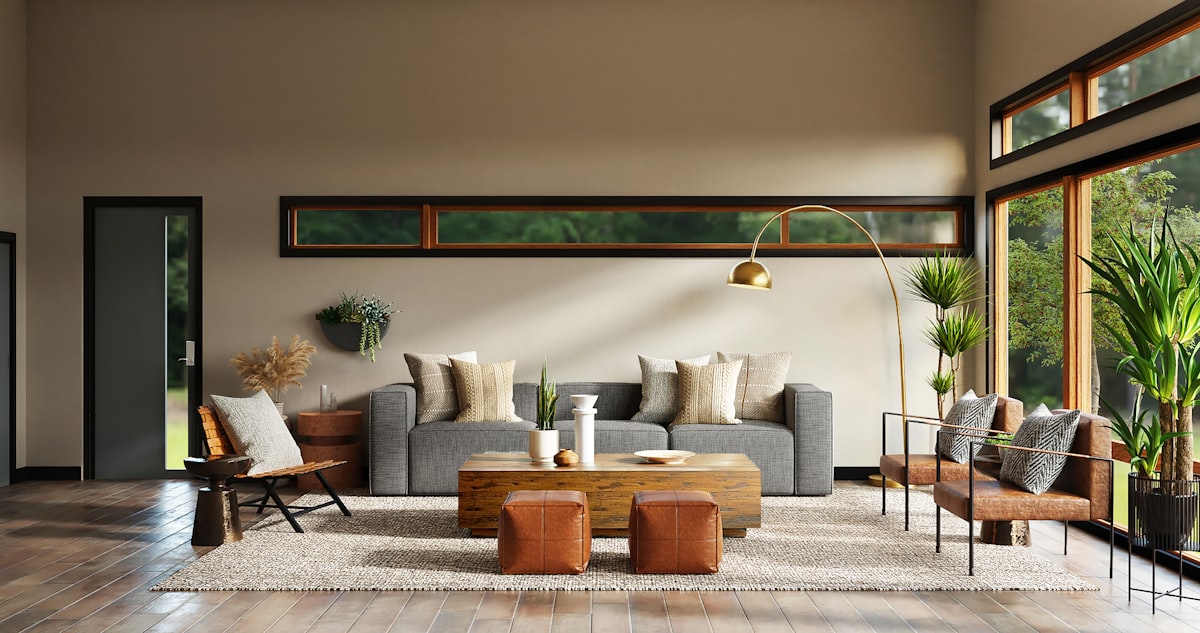
Make every object earn its place
In a Japandi bedroom, curation matters more than accumulation. Each item must justify its presence through daily use or genuine delight. A hand-thrown cup, a single branch, or a well-made wool blanket can carry more meaning than a shelf full of accessories.
This discipline extends to storage as well. Hide what you do not need to see and display only what serves a purpose. Over time, the room reflects a slower, more intentional life. You may own fewer things, but you will feel more at home among them.
Related reads
- Warm Minimalism
- Cozy Nights
- Soft Light Ideas: Make Your Home Feel Calm at Night
- The Japandi Bedroom That Actually Helps You Sleep
- Textured Calm Bedroom Ideas for Better Sleep
- Guest Bedroom Ideas That Make Visitors Feel at Home
- Small Bedroom Layout Ideas: Make a Tiny Room Feel Bigger
- Japandi Bedroom Ideas: Calm Design for Better Sleep
Frequently asked questions
What defines a Japandi bedroom?
A Japandi bedroom blends Japanese minimalism with Scandinavian warmth. It features low furniture, natural materials, soft neutrals, and restrained lighting to create a calm, sleep-friendly space.
Why does a Japandi bedroom help with sleep?
By reducing visual clutter and using soft, natural materials, the room lowers mental stimulation. Low beds and warm lighting also help the body relax and prepare for rest.
What colors work best in a Japandi bedroom?
Stick to white, cream, light gray, and pale wood tones. Add one deeper accent such as charcoal or terracotta for quiet contrast without overwhelming the space.
How do I start transforming my bedroom into Japandi style?
Begin by lowering the bed, clearing surfaces, switching to linen bedding, and replacing overhead lighting with a warm dimmable lamp. Let simplicity guide every choice.