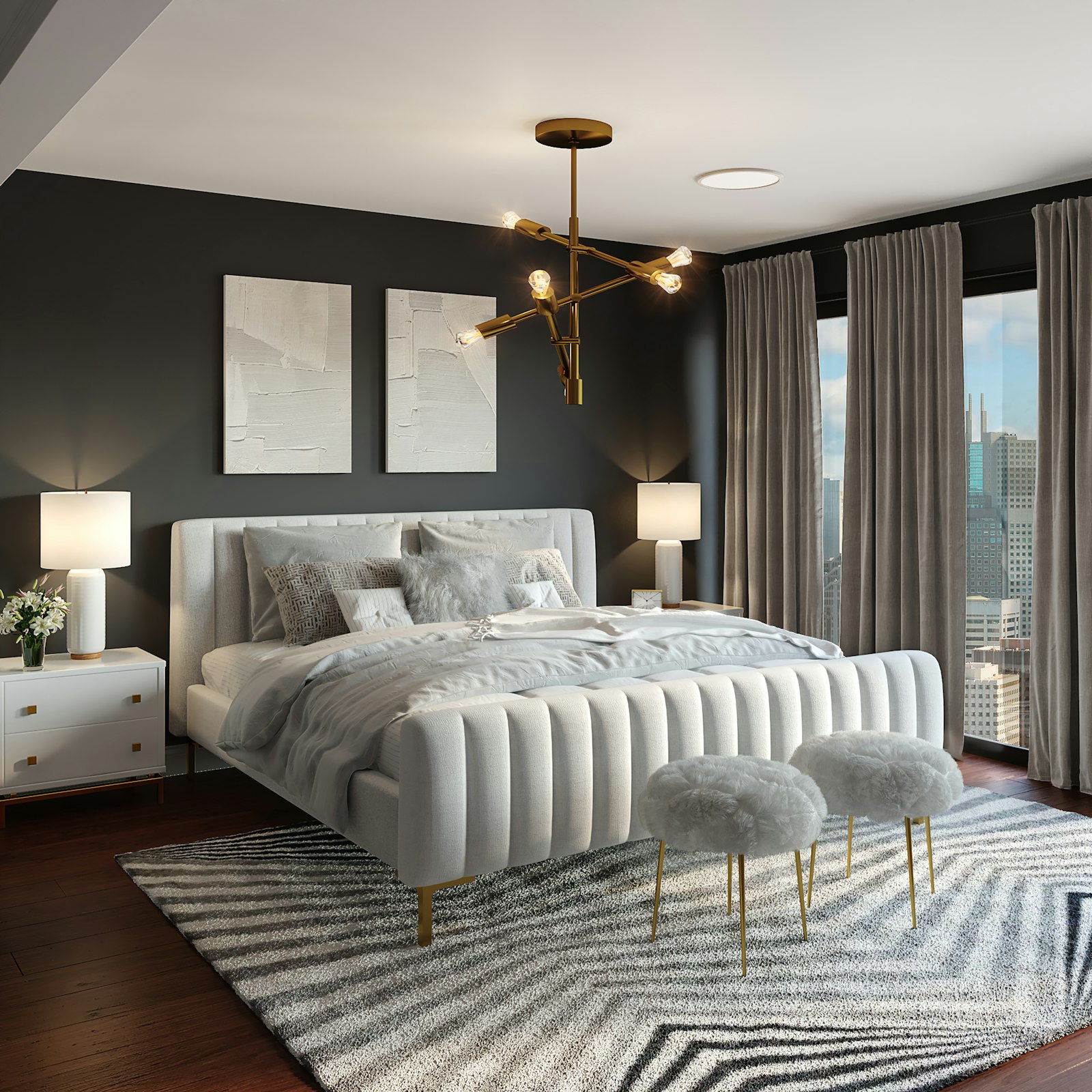
Why Bedrooms Need a Second Spot
Most bedrooms are built around one activity: sleeping. But a bedroom becomes a more complete room when it offers a place to sit that is not the bed. A small chair or bench in a corner gives you somewhere to put on shoes, read a page, or simply pause before starting the day.
The counter-intuitive insight is that a bedroom does not need a large seating area. It needs one chair you actually want to sit in. That single piece signals the room has more to offer than eight hours of rest.

Ritual: Morning and Evening Pauses
The seating corner becomes a ritual anchor. In the morning it is where you sip water, check the weather, or ease into the day. In the evening it is where you set down clothes, read a few pages, or talk with a partner before lights out. These small pauses matter because they separate sleep from the rest of life.
Without that separate spot, the bed becomes the only surface. It absorbs work, scrolling, dressing, and resting until the room feels blurry. A chair creates a boundary that helps the bed keep its real purpose.

Choosing the Right Chair
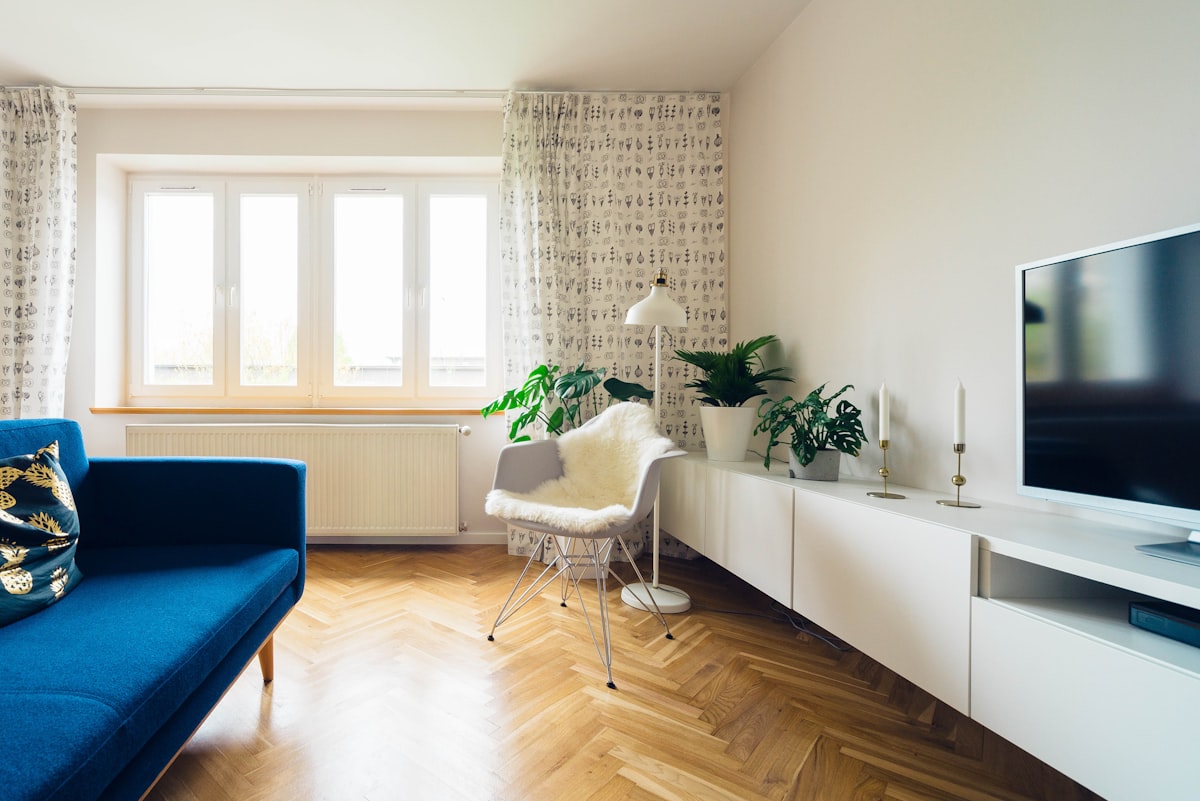
The chair should be comfortable enough to sit in for ten or fifteen minutes but not so deep that it becomes a second bed. A small armchair, a vintage wooden chair with a cushion, or a compact loveseat can all work. The scale should suit the room, not dominate it.
Place the chair near natural light if possible, and pair it with a small table or stool for a book and a cup. A soft throw draped over the back makes the spot feel welcoming without adding visual clutter.

Light and Softness
A bedroom seating corner needs gentle light. A small table lamp or wall sconce creates a pool of warmth that feels nothing like overhead lighting. That soft glow makes the corner feel private and intentional.
Layer in a small rug under the chair to define the zone and add warmth underfoot. The boundaries can be subtle, but they should be clear enough that the corner feels like its own small world within the larger room.
Aesthetic: Quiet and Collected
Keep the styling simple. One framed print, a small plant, and a good book are enough. The feeling should be restful, not staged. A seating corner is not a showroom vignette; it is a real place for real moments.
This simplicity also makes the room feel larger. A clear corner with one inviting chair gives the eye a place to rest. The result is a bedroom that feels calm, grown up, and complete.
Frequently Asked Questions
Q: How much space do I need for a bedroom seating corner?
A: A small chair and side table can fit in as little as three feet of wall space.
Q: What kind of chair works best in a bedroom?
A: Choose a chair with good posture support and compact arms. It should invite sitting but not napping.
Q: Where should I place a bedroom chair?
A: Near a window or beside a bedside table works well. Avoid blocking the main path through the room.
Q: Can a seating corner help with sleep?
A: Yes. Keeping non-sleep activities out of bed helps your brain associate the bed with rest. For more, see our <a href="/reading/bedroom/japandi-bedroom-for-sleep/">Japandi bedroom for sleep</a> guide.
Related reads
- The Japandi Bedroom That Actually Helps You Sleep
- Textured Calm Bedroom Ideas for Better Sleep
- Sunday Reading Nook Ideas for a Calm Weekend
- Guest Bedroom Ideas That Make Visitors Feel at Home
- Nursery Ideas That Grow With Your Baby
- Bedroom Rug Ideas to Add Warmth Underfoot
- Japandi Bedroom Ideas: Calm Design for Better Sleep
- Bedroom Color Ideas: Choose a Calm and Personal Palette
Frequently asked questions
What is the bedroom seating corner you actually use?
A place to sit that is not the edge of the bed
Why does the bedroom seating corner you actually use matter?
Most bedrooms are built around one activity: sleeping.
How do I start with the bedroom seating corner you actually use?
The seating corner becomes a ritual anchor.
What is a simple tip for the bedroom seating corner you actually use?
The chair should be comfortable enough to sit in for ten or fifteen minutes but not so deep that it becomes a second bed. A small armchair, a vintage wooden chair with a cushion, or a compact loveseat can all work.