
The Boundary Problem
Working from the sofa sounds comfortable until the whole living room starts feeling like an office. The couch becomes a desk, the coffee table becomes a conference table, and relaxation disappears. A dedicated work corner solves this by giving work a contained home within a shared room.
The counter-intuitive insight is that a work corner feels more peaceful when it faces a wall instead of the rest of the room. Facing away from the sofa reduces visual temptation and helps the brain switch into focus mode.
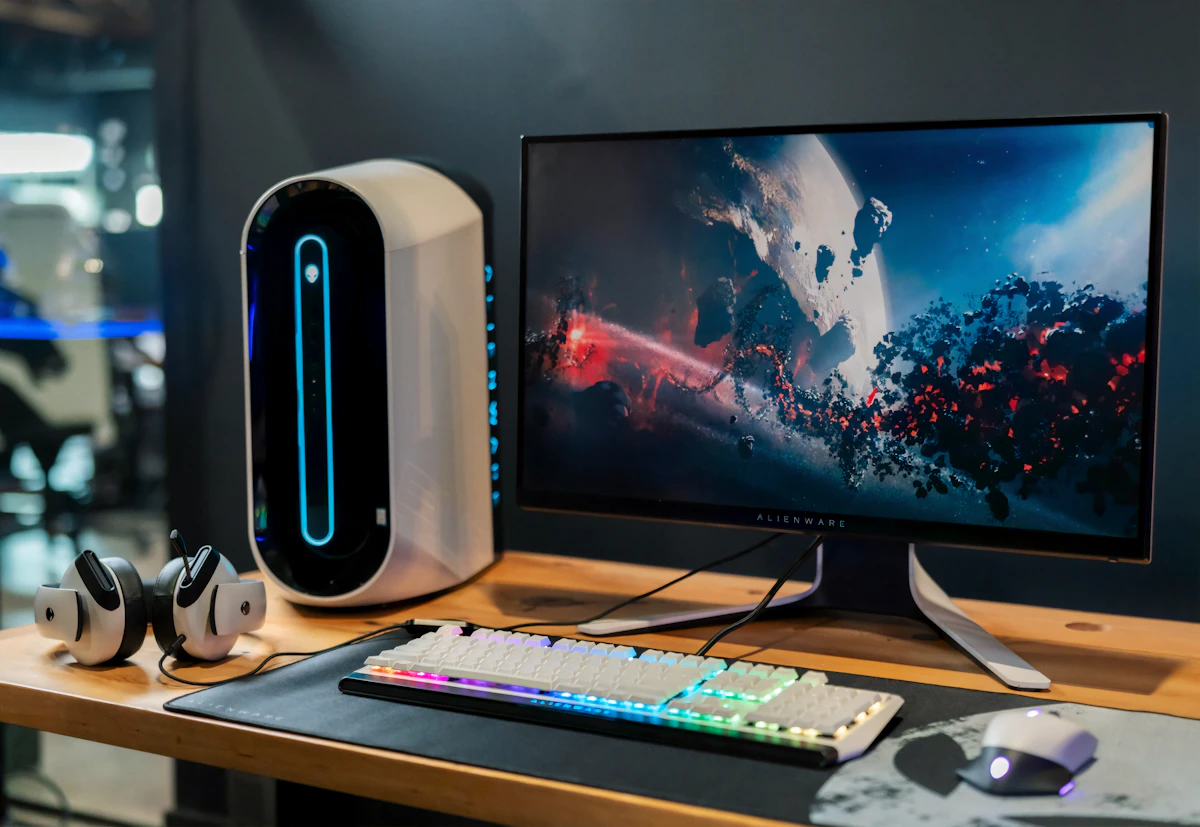
Ritual: Starting and Stopping Work
A home office does not need a whole room. It needs a clear beginning and end to the workday. A closing ritual like shutting the laptop, sliding the chair under the desk, or putting a small cloth over the keyboard signals that work is done.
Without that ritual, the desk becomes a nagging reminder of unfinished tasks. With it, the living room can return to being a place for rest and conversation. The physical boundary matters, but the mental boundary matters more.

Choosing the Right Spot
The best work corner is slightly separate from the main seating area. A corner near a window is ideal because natural light supports focus and mood. Avoid placing the desk directly across from the television or directly beside the main traffic path.
If the only option is to share a wall with the sofa, use a room divider, bookshelf, or tall plant to create a visual screen. The desk does not need its own room, but it does need some definition.

Furniture That Fits
A small desk with clean lines takes up less visual space than a bulky executive model. Wall-mounted or floating desks are excellent for tight corners. Pair it with a chair that is comfortable for work but not so plush that it invites lounging.
Storage should be minimal. A single drawer for supplies and a slim shelf for a few books prevent the work corner from spreading outward. The less it occupies, the less it dominates.

Softening the Zone
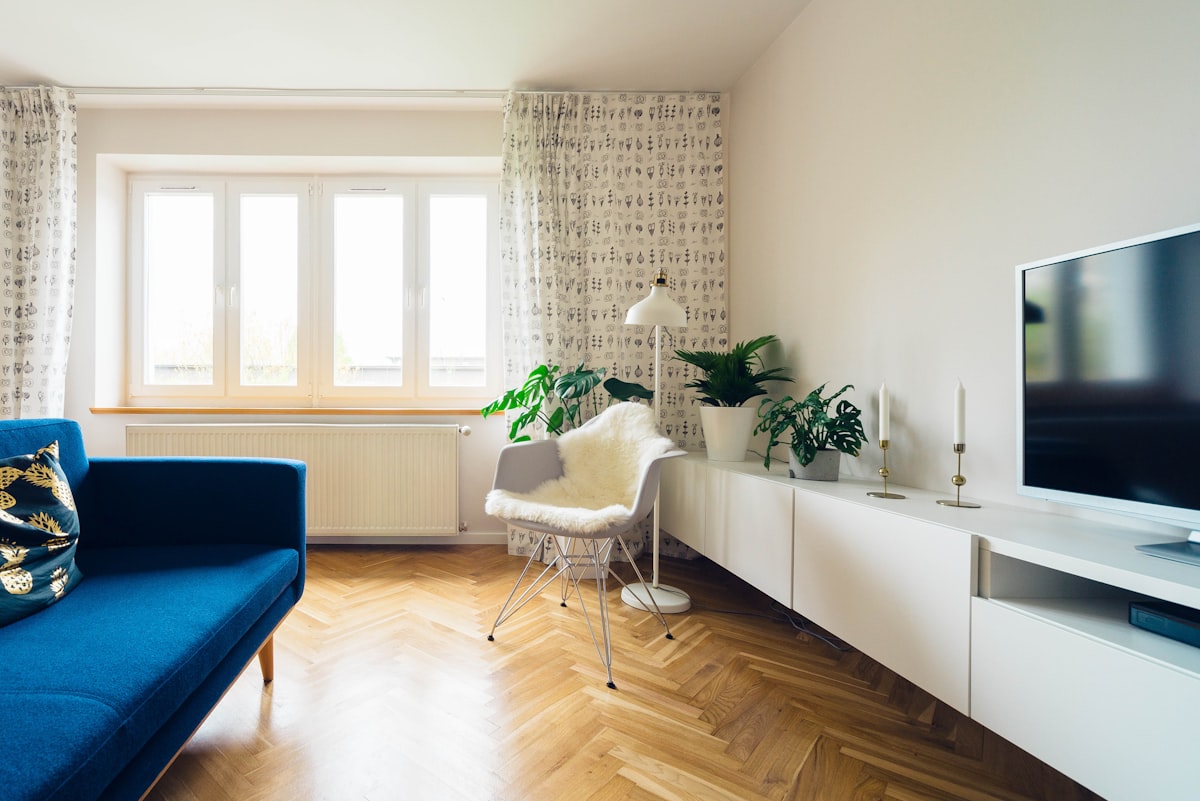
A work corner can still feel like part of the living room. A small plant, a textile on the chair, and a lamp that matches the room's style help the desk blend in. The goal is integration, not isolation.
Good task lighting keeps the desk from relying on harsh overhead bulbs. A warm, focused lamp creates a pool of light that feels personal and contained.
Frequently Asked Questions
Q: How do I create a home office in a living room?
A: Choose a corner away from the main seating, use a small desk, and establish a daily closing ritual.
Q: Should a living room desk face the room or the wall?
A: Facing a wall usually helps with focus and keeps work from visually taking over the room.
Q: What desk works best in a small living room?
A: A compact writing desk or wall-mounted desk takes up little space and looks less office-like.
Q: How do I stop work from taking over my home?
A: Define a work zone, clear it at the end of the day, and keep work items out of shared spaces. See our <a href="/reading/lifestyle/home-office-not-startup/">home office not startup</a> guide for more.

Related reads
Frequently asked questions
What is a work corner in the living room that does not take over?
How to keep work from swallowing the sofa
Why does a work corner in the living room that does not take over matter?
Working from the sofa sounds comfortable until the whole living room starts feeling like an office.
How do I start with a work corner in the living room that does not take over?
A home office does not need a whole room.
What is a simple tip for a work corner in the living room that does not take over?
The best work corner is slightly separate from the main seating area. A corner near a window is ideal because natural light supports focus and mood.


