Why multifunctional spaces can feel exhausting
When one room serves as office, dining room, and bedroom, the boundaries between work and rest start to dissolve. You finish dinner at the same table where you answered emails, and somehow the day never really ends. The space keeps asking you to be someone else.
The problem is not the size of the space. It is the lack of ritual. A truly supportive small home gives each activity a clear place and a clear end, so your mind can switch gears as easily as your furniture does. Boundaries protect your energy.
Give every function its own anchor
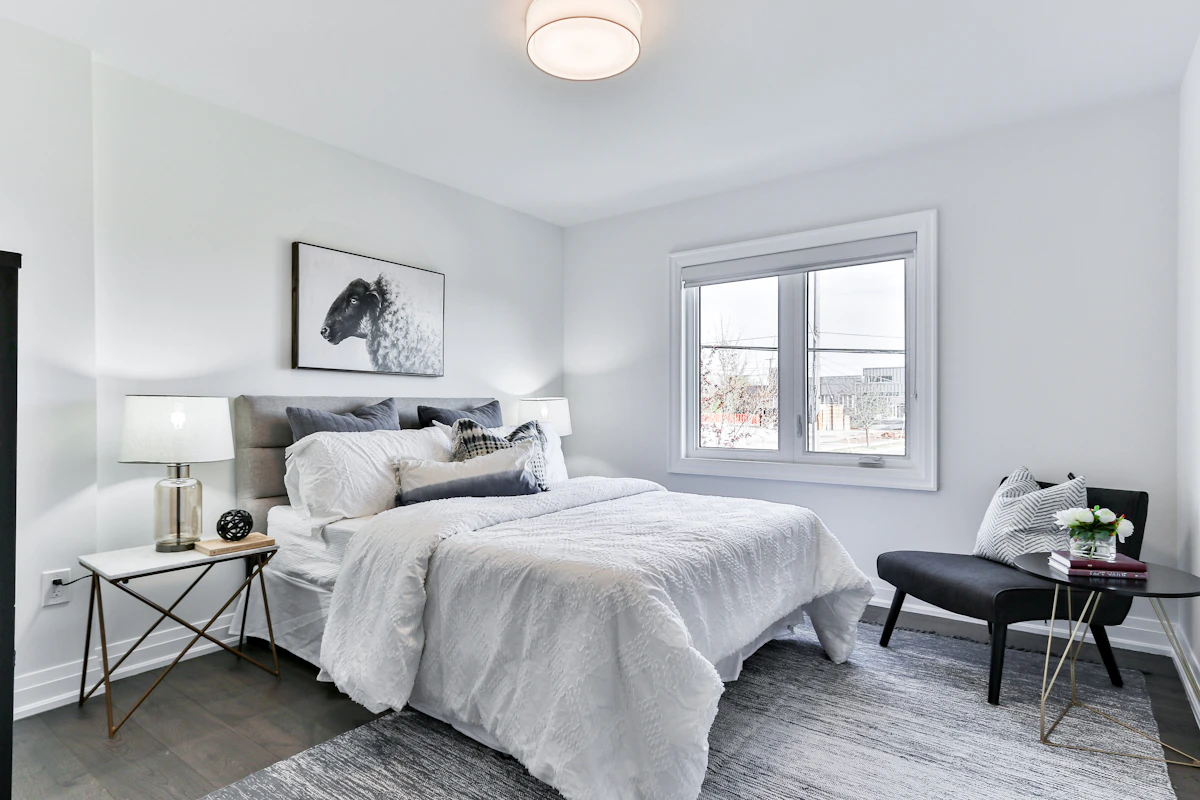
Instead of asking furniture to do everything at once, assign each task a home base. Work belongs at the desk, meals at the table, sleep in the bed. Even in a studio, these anchors create mental order and help you feel grounded.
The physical distance between anchors can be small, but the psychological distance matters. A rug under the sofa, a lamp over the desk, or a curtain around the bed can mark where one life ends and another begins. These small signals add up.

Choose transformation over stacking
Stacking functions into one tight pile usually means nothing works well. A chair crammed between a printer and a coat rack becomes a place for neither sitting nor working. It looks efficient on paper but feels frustrating in daily life.
Transforming pieces feel different because they signal change. A wall bed folds down for sleep and disappears by morning. A drop-leaf table expands for guests and shrinks for daily life. The movement itself becomes the ritual that resets the room.
Hide the evidence between scenes
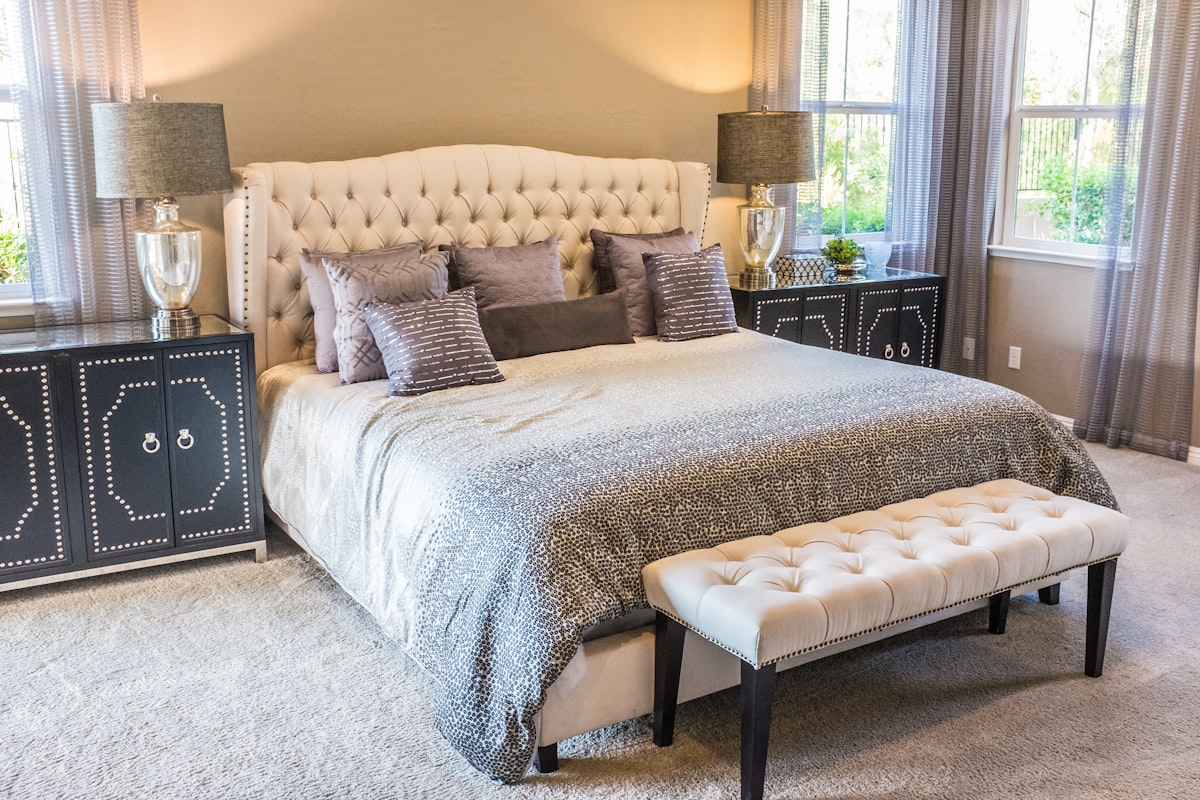
One of the fastest ways to feel at home again is to put the previous activity completely away. Close the laptop, stack the dishes, fold the work chair. Out of sight really does become out of mind when the clutter disappears.
Closed storage is the quiet hero of small spaces. Baskets, drawers, and lidded bins let you keep essentials nearby without letting them announce themselves. A tidy room gives your eyes a place to rest and your mind permission to relax.

Use light to shift the mood
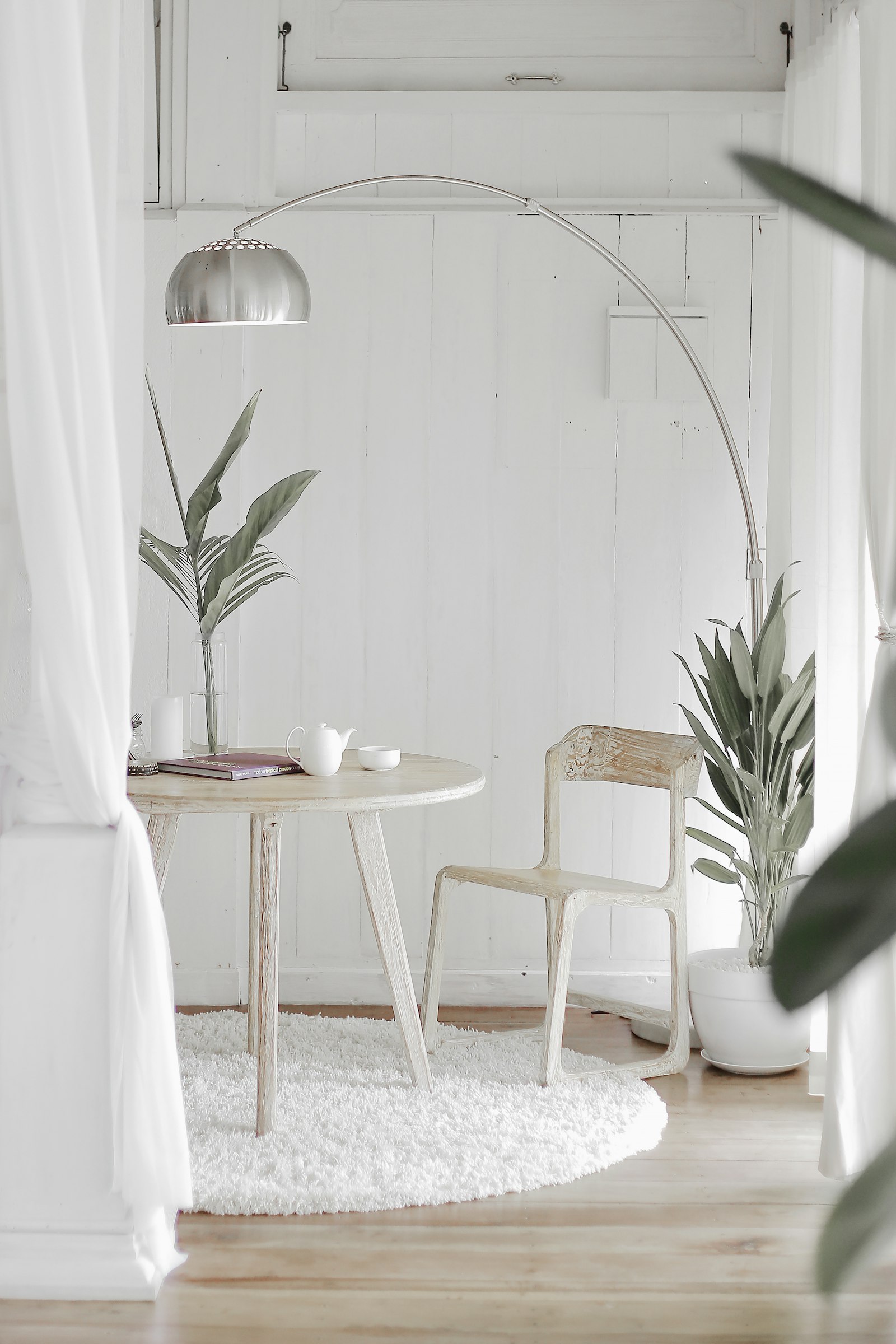
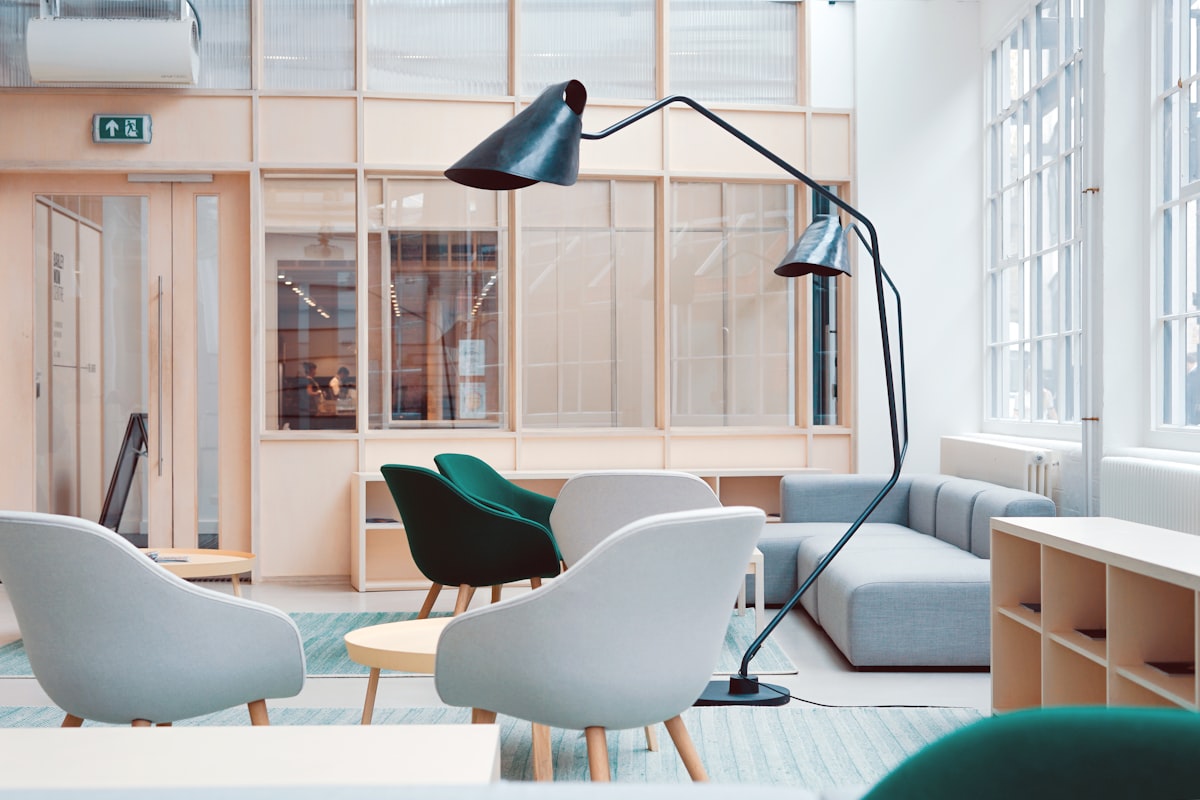
Lighting is one of the cheapest ways to divide a room without building walls. A bright task lamp tells your brain it is time to focus, while a dim floor lamp invites conversation or winding down. The same room can feel completely different under different light.
Layer your lights so each zone can stand alone. When the work light goes off and the ambient light comes on, the same room feels completely different. Light becomes the boundary you never have to build, and it costs almost nothing to change.
Comfort is not negotiable
It is tempting to buy the smallest, cheapest version of everything when space is tight. But a folding bed that hurts your back or a chair that pinches your shoulders will cost more than money over time. Your body remembers everything.
Every function in your home deserves basic comfort. If a piece cannot support real rest or real work, it is not saving space. It is stealing wellbeing. Invest where your body spends the most time, even if the footprint has to shrink.

Make the switch feel intentional
The best multifunctional spaces do not pretend to be everything at once. They change with purpose. Pulling a curtain, lighting a candle, or flipping a table becomes a small ceremony that closes one chapter and opens another. Ritual makes the transition real.
Over time, these small rituals train your nervous system to relax. Your home stops feeling like a puzzle you are constantly solving and starts feeling like a living thing that gently adapts with you. That is when a small space truly starts to feel big enough.

Related reads
Frequently asked questions
What is the biggest mistake in multifunctional small spaces?
Trying to make every piece of furniture serve every purpose at once. It is better to define clear zones and let each area have its own anchor and ritual.
How do I create boundaries in a studio apartment?
Use rugs, lighting, curtains, and furniture placement to mark where work ends and rest begins. Small visual cues create strong mental boundaries.
Is multifunctional furniture worth the cost?
It can be, if every function is genuinely comfortable. Avoid pieces that sacrifice ergonomics or quality just to save space.
What is the easiest way to reset a small space each day?
Put the previous activity completely away before starting the next one. Closed storage and a five-minute tidy routine make switching scenes effortless.