Turn the seats toward each other
A sofa pointed directly at a television creates an audience, not a gathering. When everyone faces the same direction, the room becomes about what is on the screen instead of the people sharing the space.
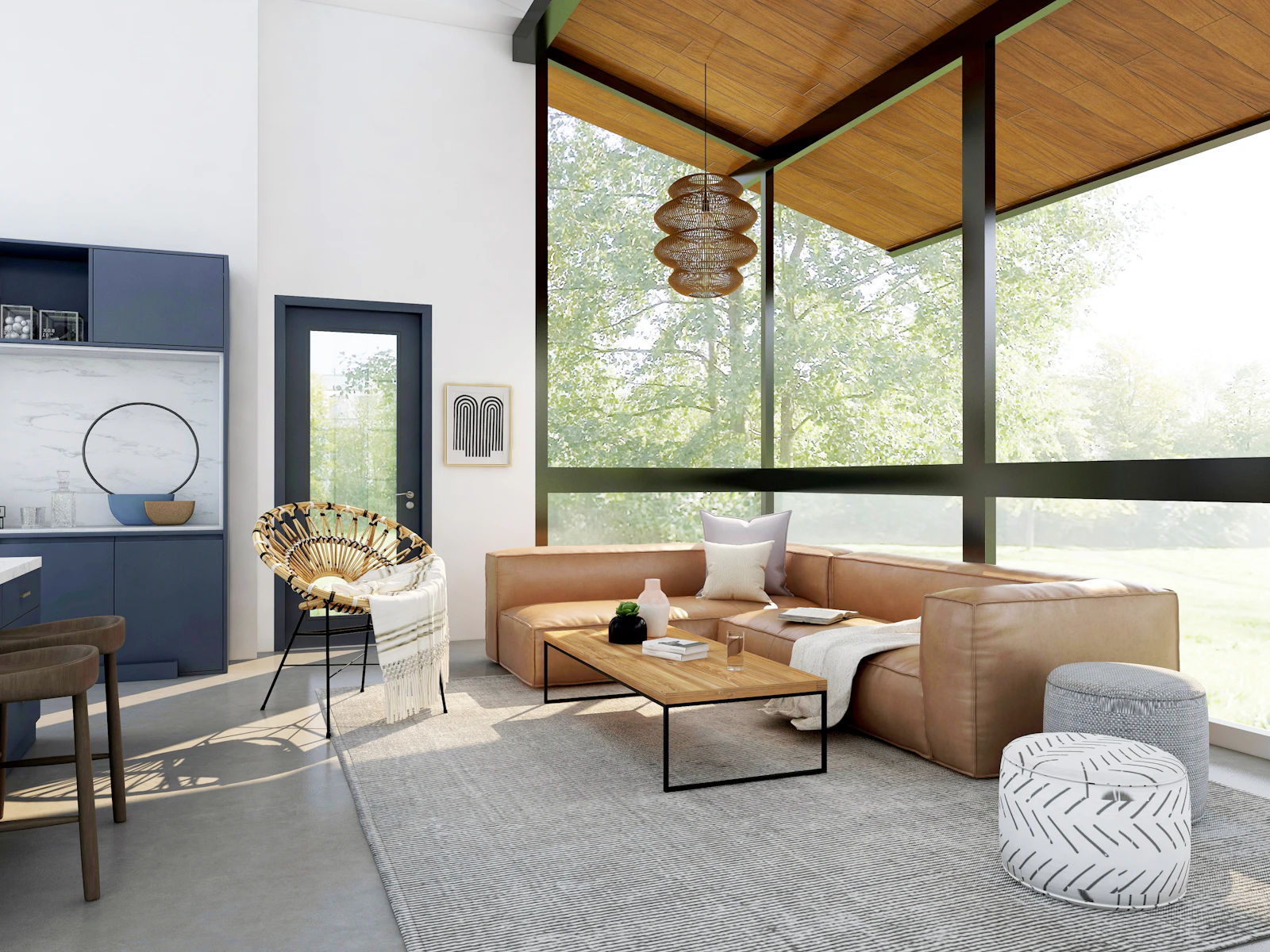
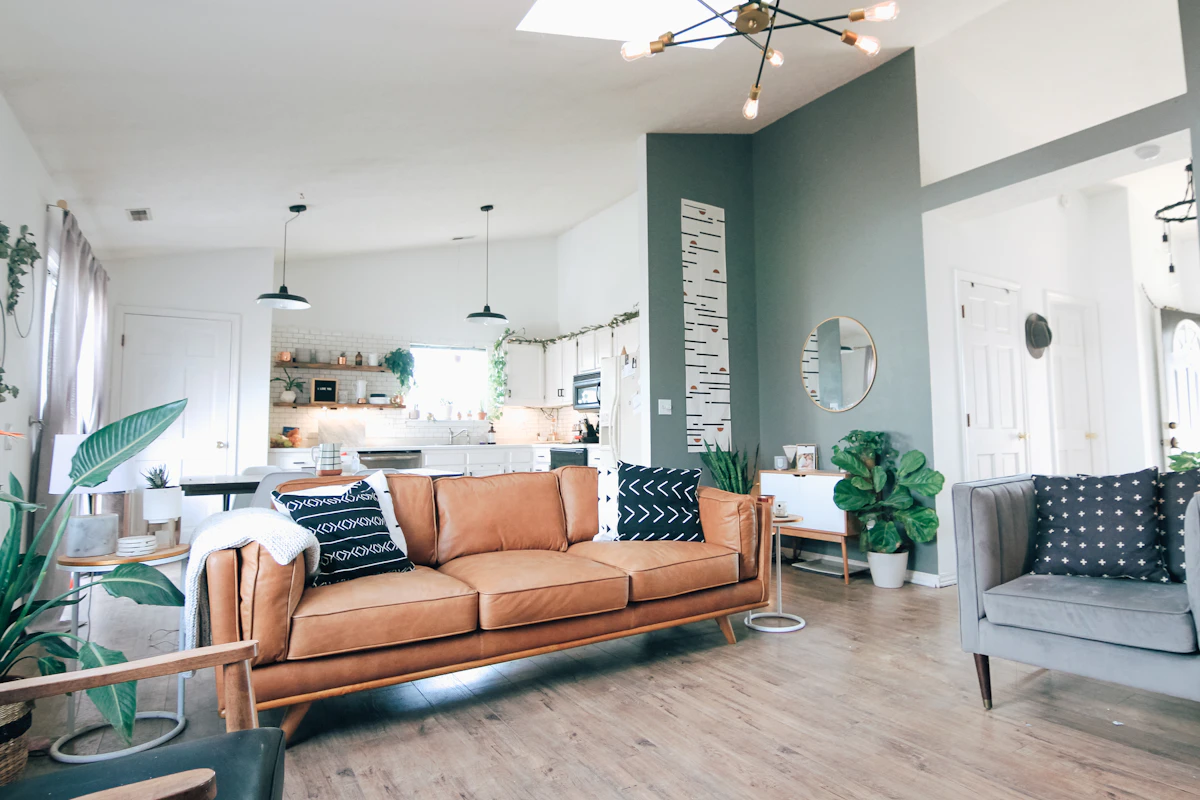
For real conversation, arrange sofas, chairs, and benches so people can see each other clearly. A U-shape or an L-shape makes eye contact easy and turns the room into a place for stories and laughter. Even a small shift, like angling two chairs to face the sofa instead of the wall, changes how people enter and use the room.

Keep the distance intimate
People talk best when they are close enough to lower their voices. In a large living room, seats spread too far apart make conversation feel like shouting across a field rather than sharing a secret. When guests have to lean forward or raise their voices, the room starts to feel like work rather than relaxation.
Aim for no more than eight feet between the front edges of seats. That distance is the sweet spot where voices stay relaxed and guests feel included without crowding personal space.
Light faces, not ceilings
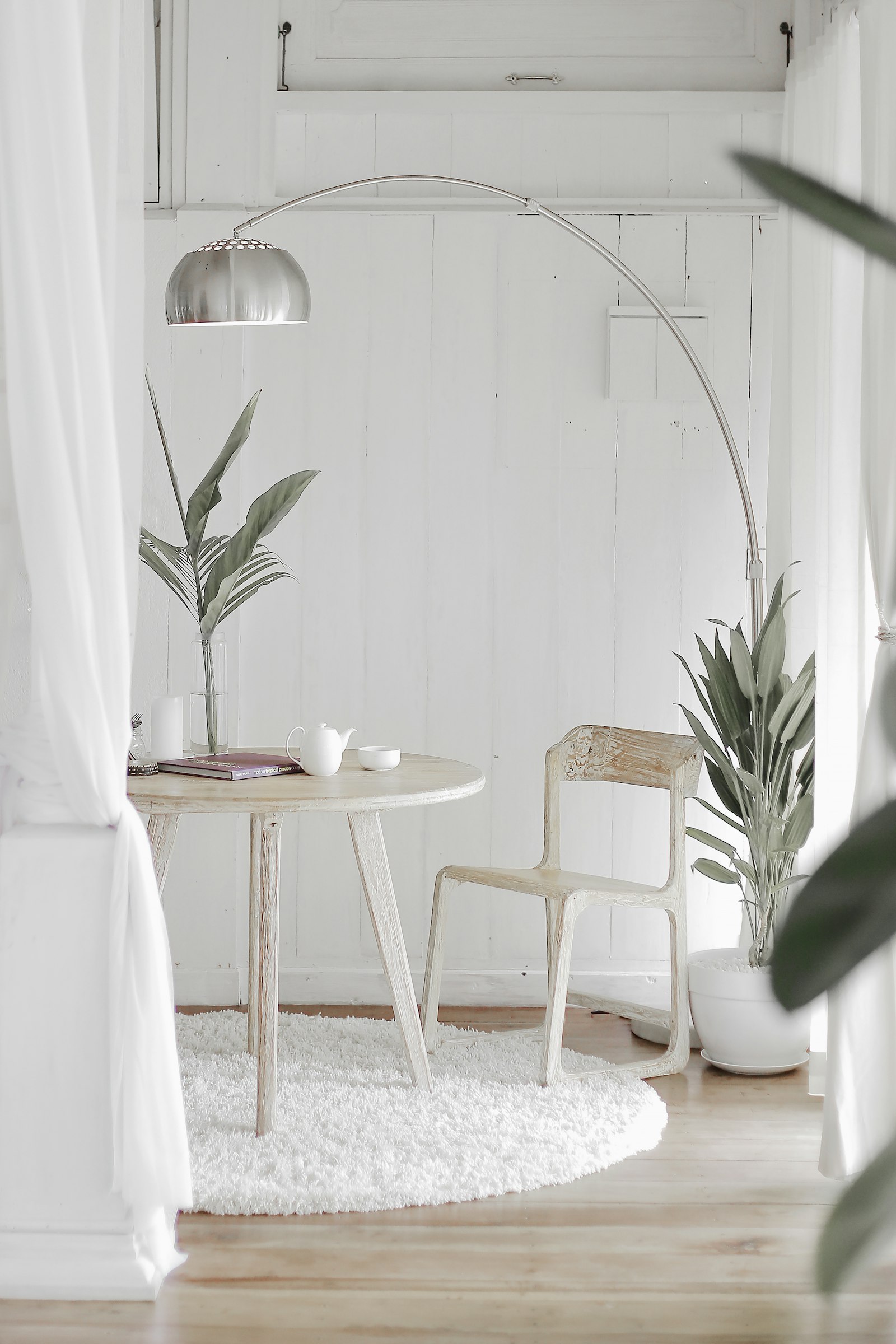
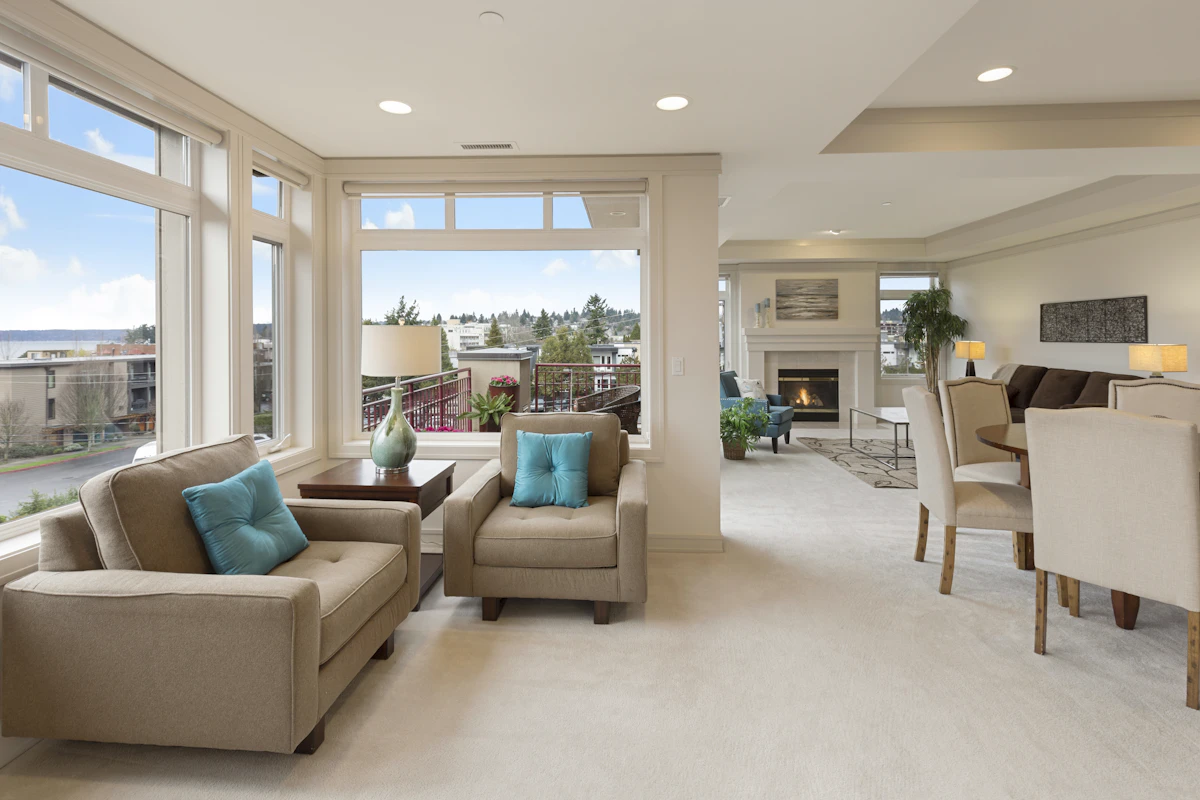
Bright overhead lighting can make a room feel exposed and clinical. Conversation needs warmth, so use table lamps, floor lamps, and candles to create soft pools of light around the seating area. Dim the overhead fixture or skip it entirely once the lamps are on.
Place light sources between chairs rather than directly behind them. When gentle light falls on faces, the room feels welcoming and everyone looks like they belong in the same shared moment. The right light makes people want to stay longer and talk more openly.

Anchor the gathering with a rug
A large rug under the seating area defines the conversation zone and adds warmth underfoot. All front legs of sofas and chairs should sit on the rug so the group feels like one connected island.
Without a rug, chairs can feel like they are floating in empty space. The rug says this is where the gathering happens and gives the room a clear, cozy center. Make sure the rug is large enough so the arrangement does not look like it is perched on a small island.
Use a coffee table as common ground
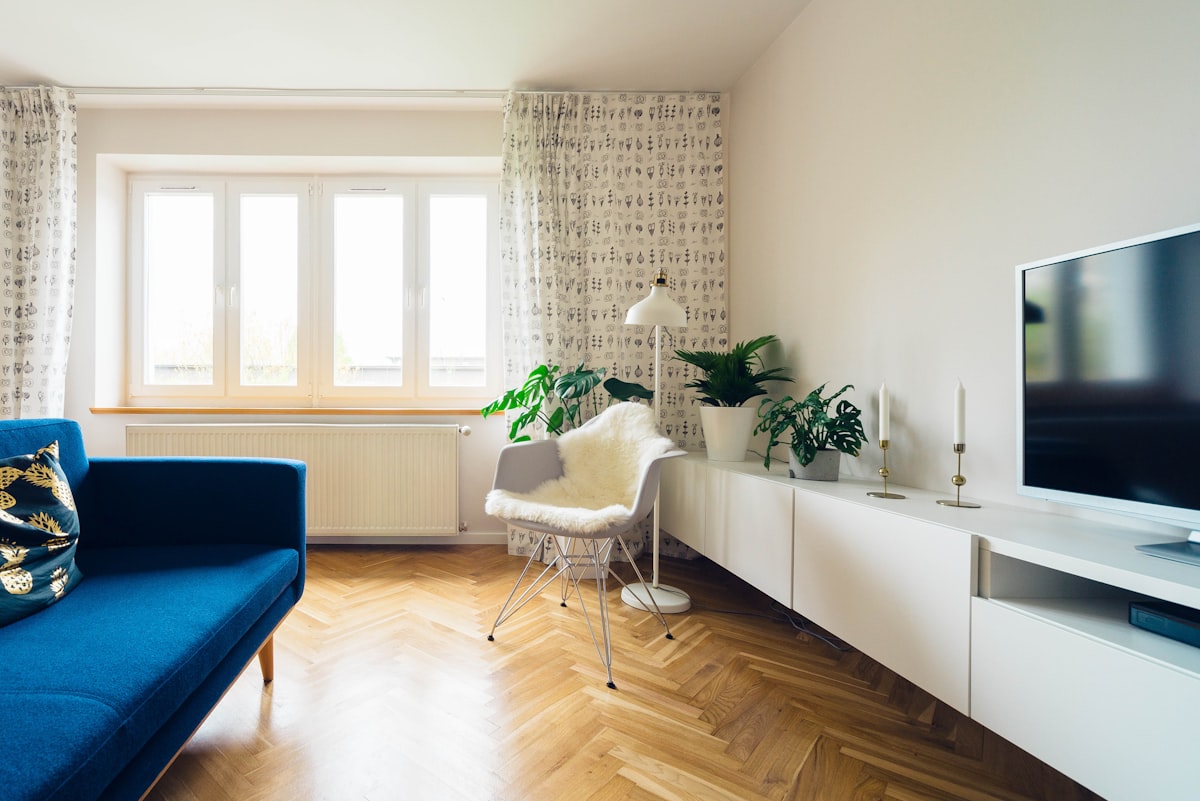
A coffee table gives guests a place to set a drink, lean a book, or rest a plate of snacks. It also acts as a shared surface that draws the seating group closer together. It is the literal center of the conversation, so its size and height matter.
Keep the table low enough to see over and leave a little open space in the center. A small stack of books, a candle, or a wooden bowl can make it feel inviting without becoming cluttered.

Soften the boundaries
Hard walls and empty corners can make a living room feel like a waiting area. Add curtains, artwork, and textiles to soften the edges and make the space feel wrapped around the people in it. Even a single tall plant in a corner can break up a hard edge and make the room feel softer.
Plants, throws, and pillows also help absorb sound and add layers of comfort. The room should feel like it is gently holding the conversation, not just containing it.

Make room to linger
The best conversations happen when people do not feel rushed to leave. Provide enough comfortable seating for everyone, plus a few small side tables so drinks and snacks are within easy reach. Small thoughtful details, like a basket of blankets, signal that guests are welcome to stay.
When a room is arranged for comfort, guests naturally settle in. The evening stretches from one topic to the next, and the living room becomes the true heart of the home.
Related reads
Frequently asked questions
What is the best seating arrangement for conversation?
A U-shape or L-shape with seats facing each other works best. Avoid pushing all seating against the walls.
How far apart should conversation seats be?
Keep front edges within eight feet so voices stay relaxed and the group feels connected.
What kind of lighting is best for talking?
Warm table lamps and floor lamps placed between seats create soft, intimate light.
Should the TV be the focal point?
Only if you watch it often. For conversation, make the seating group or fireplace the center.