Pick the Right Wall and the Right Hardware
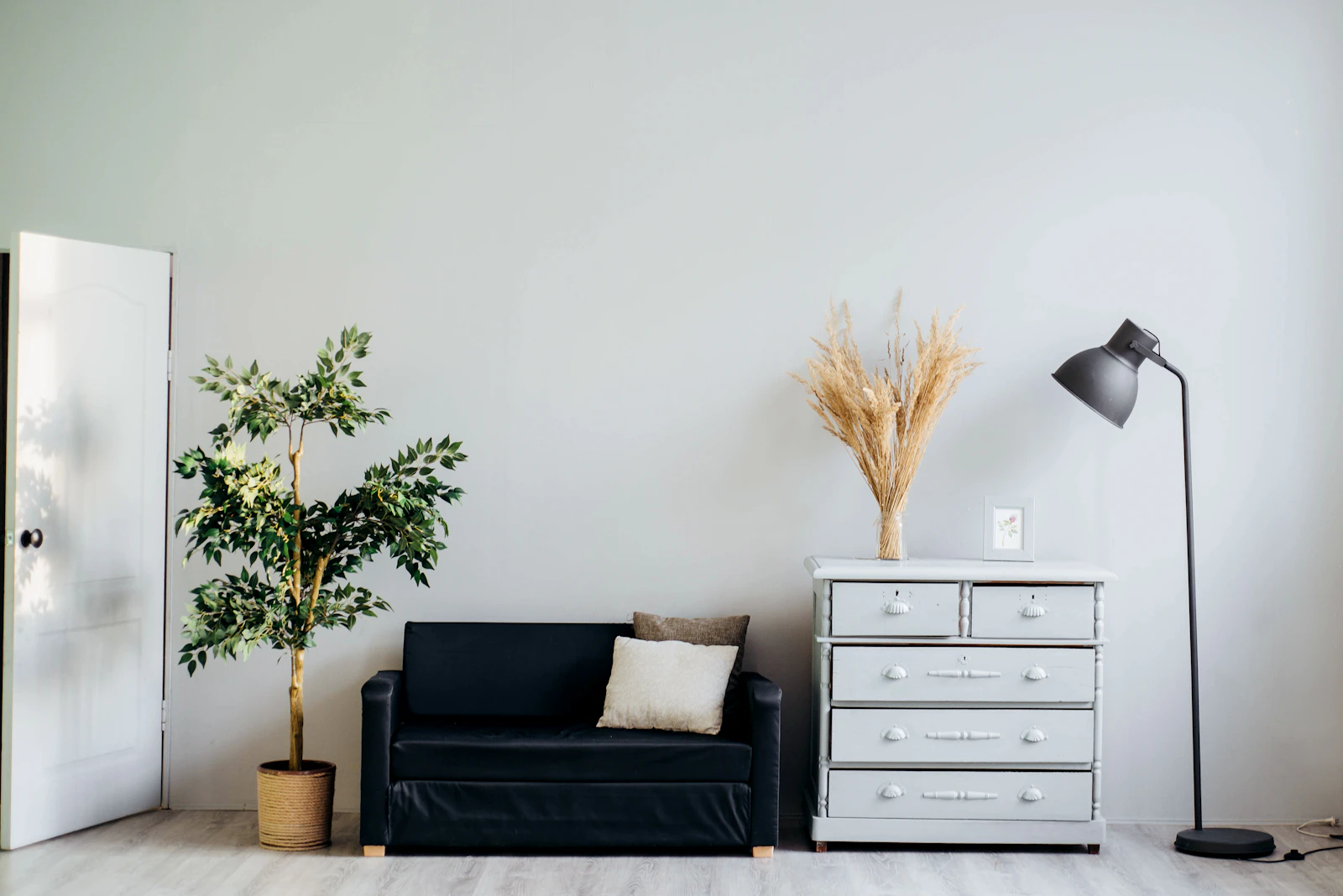
Floating shelves look simple, but they live or die by what is behind the drywall. Every shelf needs at least two fasteners driven into studs or heavy-duty wall anchors. Toggle bolts work in hollow drywall, but solid lumber blocking inside the wall is better for heavy loads.
Avoid mounting shelves on walls shared with plumbing or HVAC unless you know what is back there. A stud finder saves you from surprises. Mark your studs, measure twice, and pre-drill pilot holes to keep the wood from splitting.

Choose Your Shelf Style
The classic floating shelf is a hollow box built around a hidden metal bracket. You can also use solid wood with a routed keyhole slot or a French cleat for a cleaner look. For renters, floating shelf ledges with small visible brackets are easier to patch later.
Thicker shelves feel more substantial and can span longer distances without sagging. A two-inch thick pine or poplar shelf looks handcrafted and hides screws well. Paint or stain it to match trim, or leave it natural for contrast against painted walls.
Build a Basic Box Shelf
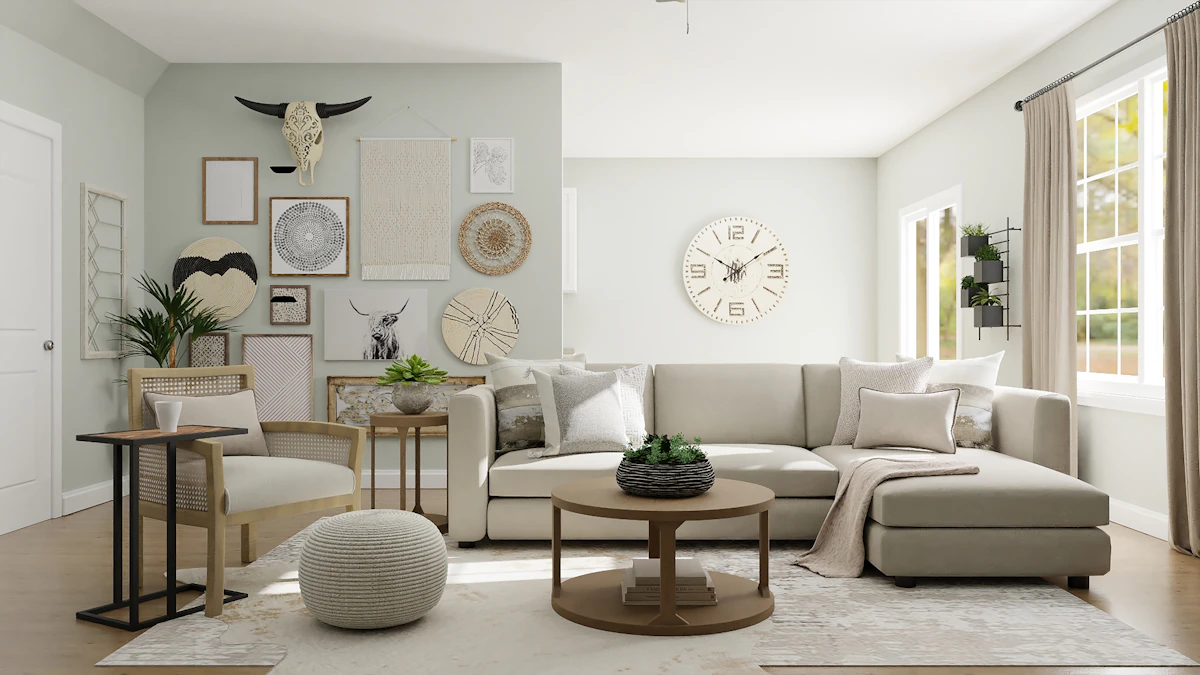
For a 24-inch shelf, cut a top, bottom, and two sides from one-by-six boards. Rip a back panel from quarter-inch plywood. Glue and brad-nail the box together, then sand the edges smooth. The front face can be a solid board for a clean look or left open if you plan to slide it over a bracket.
Stain or paint the box before mounting it. Touch-ups are harder once it is on the wall. Use wood filler on nail holes and sand again with fine grit. A quick coat of paste wax gives the shelf a soft sheen that resists dust.

Hide the Bracket for a True Floating Look
Hidden brackets are steel rods that slide into holes drilled in the back of the shelf. Mount the bracket plate to the wall first, then slide the shelf over the rods. A set screw underneath locks it in place.
Drill the shelf holes carefully using a drill press or a guide jig so they line up with the bracket rods. The holes should be slightly deeper than the rods are long. Test the fit before you finish the wood.
Style Shelves Without Overloading Them
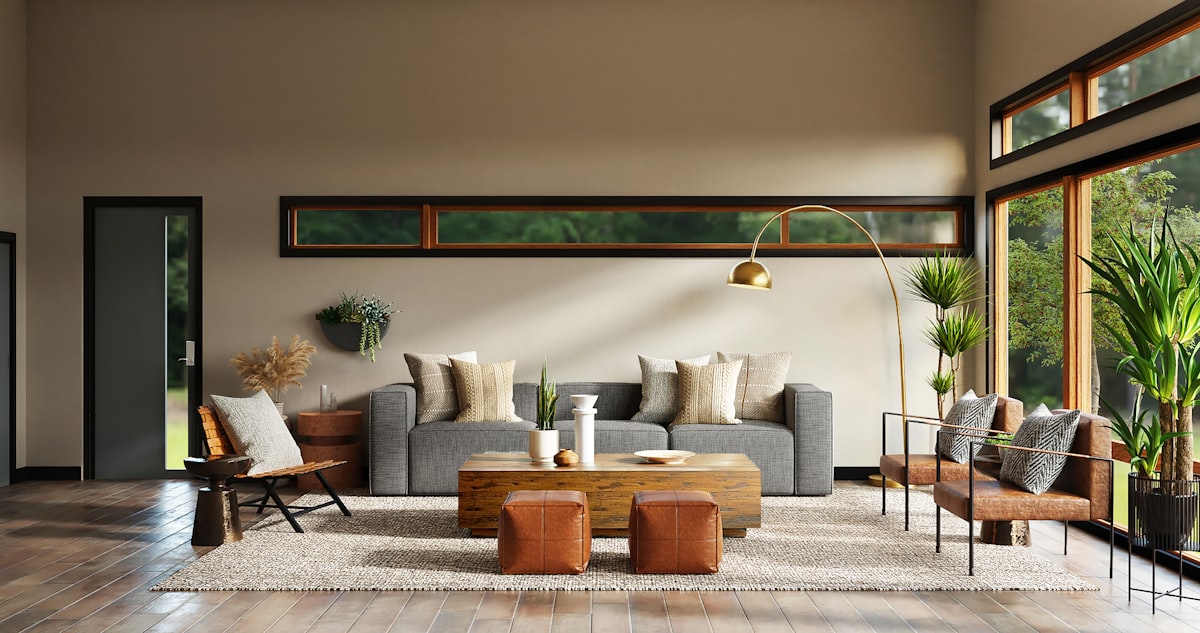
Floating shelves are display space, not storage bins. Group items in odd numbers and vary height, texture, and shape. A small plant, a stack of books, and a ceramic object is a classic trio that looks effortless.
Leave empty space between groupings so the wall can breathe. In a kitchen, display a few everyday items like wooden spoons or white bowls. In a bedroom, keep it calm with a small lamp, a framed photo, and a single trailing plant.

Plan a Gallery Wall of Shelves
A cluster of floating shelves can replace a traditional gallery wall. Use two or three shelves at different heights and stagger small frames, vases, and sculptures across them. This approach is easier to rearrange than a wall of nails.
Keep two to three inches between shelves vertically and align either the left or right edge for a clean look. Use painter's tape to map the arrangement on the wall before drilling. Step back often to check the overall balance.

Add Function to Every Room
Floating shelves work beyond the living room. In a bathroom, a narrow shelf above the sink holds toiletries. In a kitchen, open shelving keeps dishes within reach. In a home office, a long shelf above the desk clears the work surface.
Match the shelf depth to the job. Eight inches is plenty for books and decor, while twelve inches fits baskets and larger kitchenware. The right shelf in the right spot makes a room feel larger and more organized without adding furniture.

Related reads
- Small Bathroom Shelves: 8 Ideas That Add Storage Without Bulk
- Kids Bedroom Storage Ideas: 9 Systems That Grow With Them
- Kitchen Island Ideas for Small Spaces: 7 Work Zones That Fit
- Walk-In Closet Organization Ideas: 10 Layouts That Feel Boutique
- Natural Wood Home Office Ideas for Calm Focus
- Entryway Bench With Storage: 12 Ideas That Stay Tidy
Frequently asked questions
How much weight can floating shelves hold?
Properly mounted shelves in studs can hold 30 to 50 pounds; shelves on drywall anchors hold less.
What wood is best for DIY floating shelves?
Pine and poplar are affordable and easy to work with; oak and walnut are harder but more durable.
Do floating shelves need studs?
Studs are best, but heavy-duty toggle bolts or hollow-wall anchors can work for lighter loads.
How deep should floating shelves be?
Eight to ten inches works for most decor and books; twelve inches fits baskets and larger items.