
Start With the Mess, Not the Container
Before you buy a single bin or bookshelf, spend a few days quietly observing where clutter actually lands in your child's room. In most kids bedrooms, the trouble spots repeat in predictable places: pajamas piled on the floor near the bed, stuffed animals collecting in corners, and art supplies spreading across every flat surface. Those messy patterns are valuable clues that tell you exactly what kind of storage the room truly needs instead of what simply looks cutest online.
A child who dumps costumes every afternoon needs an open basket near the dress-up area, not a drawer across the room that breaks the flow of play. A kid who draws constantly needs a portable caddy that travels from desk to table to floor and back again. Storage works best when it follows the natural flow of play, rather than forcing play to follow a storage system that makes sense to adults but not to a busy five-year-old.
Take quick photos of the room at three different times of day, especially after playtime and right before bed. The worst piles usually reveal the best storage locations. This simple five-minute audit saves you from buying furniture that looks beautiful on a website but solves a problem your child does not actually have in real life. A quick audit now saves money and frustration later when you are staring at returns and unused bins.

Low Shelves Put Play Within Reach
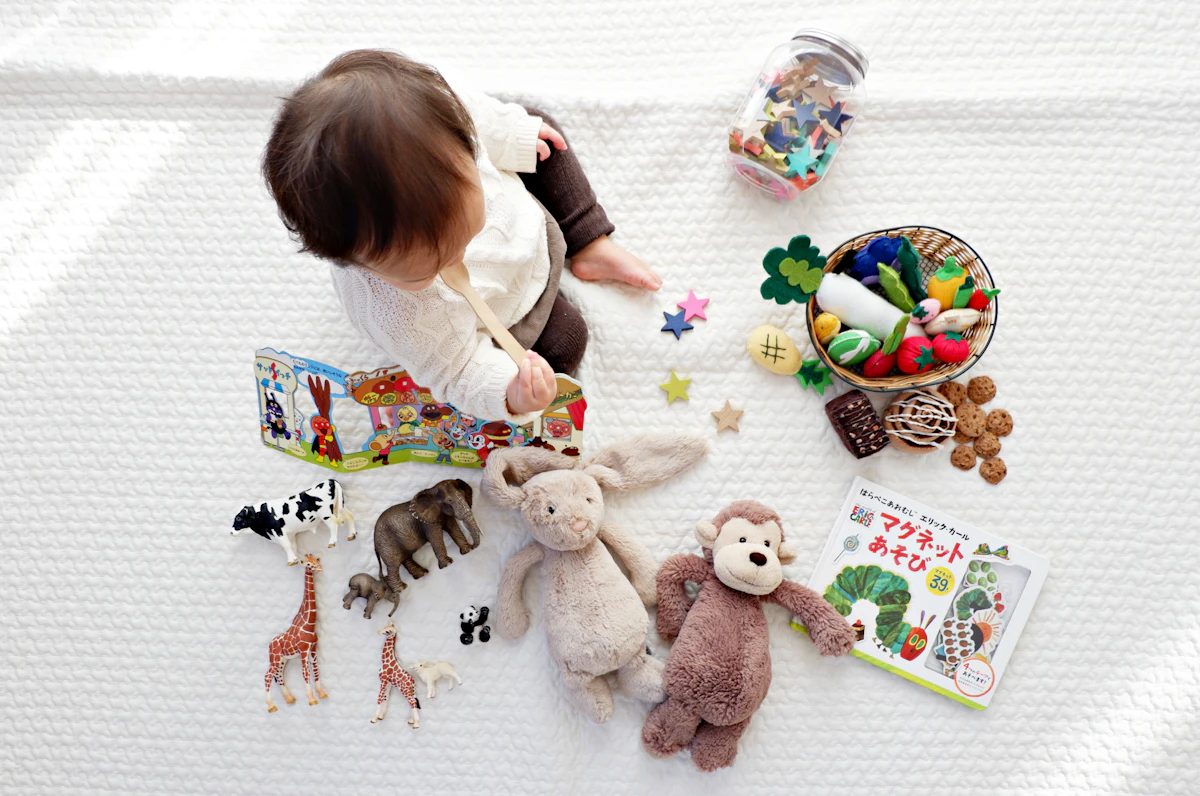
Tall bookcases may look tidy in magazine photos, but they rarely work well for children under eight years old. When toys live out of sight, they quickly live out of mind, which leads to the same few favorites being dumped while everything else collects dust on high shelves. Low open shelves at hip height or lower let kids see, grab, and put away their own things without constantly calling for help from another room.
Use shallow cubbies for action figures and vehicles, deeper bins for blocks and trains, and one long picture ledge for books displayed face-out. When children can see the cover art, they reach for books more often and naturally develop stronger reading habits. The same shelf can hold a small rotating collection so the room never feels overloaded with choices or visually chaotic.
Anchor every tall piece of furniture to the wall, even pieces that seem stable at first glance. Safety aside, low shelves encourage independence, and independence is what keeps a room tidy over time. A child who can clean up alone is far more likely to keep the space organized between weekly resets. Furniture straps are a small investment that prevent serious accidents in active bedrooms.
Beds That Hide the Bulk
In a small kids bedroom, the bed usually takes up the most real estate, so it makes sense to make that footprint work harder for storage. A captain's bed with drawers underneath stores off-season clothes, extra bedding, and backup pajamas right where they are needed most. A trundle bed gives sleepover space without a permanent second mattress blocking valuable floor area during the day.
For younger children, a platform bed with open storage underneath can hold large plastic bins for dress-up clothes, building sets, or beloved stuffed animals. Older kids may prefer a loft bed with a desk and closet underneath, turning one footprint into two usable zones and freeing up valuable wall space for other storage needs or creative display. Loft beds work especially well in shared rooms where floor space is already tight.
Avoid raising the mattress so high that making the bed becomes frustrating or unsafe for small hands. The best storage bed is the one your child will actually use every single day. Test drawers and ladder rungs with your child before committing to a style they cannot open or climb easily. A bed your child cannot operate alone will quickly become a source of daily frustration for everyone.

Closet Zones That Grow
A child's closet changes almost as fast as they do, sometimes feeling like it transforms overnight. Yesterday's onesies become tomorrow's soccer uniforms in what feels like a single weekend. Build flexibility in from the start with an adjustable rod that moves up as your child grows, plus a second lower rod for current daily outfits that they can reach and choose themselves.
Use the top shelf for out-of-season clothes and memory boxes, the hanging area for dresses and button-downs, and the floor for a low hamper and a simple shoe rack. Add a small set of drawers inside the closet for socks and underwear so the dresser can live somewhere else or disappear entirely from the main room, freeing up floor space.
Leave some blank space on purpose inside the closet. A closet packed to the brim discourages putting things away and makes every morning feel rushed and stressful. When a section has room to grow, you can rotate items in without rebuilding the whole system every school year. Growth-ready storage means you will not need to reinstall the entire closet every school year.

Baskets and Bins That Move
Fixed storage holds the big stuff, but portable storage handles the daily rhythm of life with kids. Fabric baskets on shelves, rolling carts beside the desk, and handled caddies for art supplies let children carry what they need where they need it, then return it home when play is done. Portable storage also makes it easier to clean one zone at a time instead of tackling the whole room.
Choose bins that are light enough for small hands and tough enough to be dragged across carpet or hardwood without falling apart. Label each one with a simple picture and a word. Pre-readers can still clean up independently when they recognize the image of a car, a crayon, or a ball instead of relying on text alone. Picture labels give pre-readers confidence and help them clean up without constant reminders.
Limit the number of bins so cleanup stays manageable and quick rather than overwhelming. Five clearly labeled baskets beat twenty mismatched containers every time. When everything has a clear home that a child can reach, tidying becomes a fast game rather than a chore that ends in tears. A manageable number of containers means cleanup takes five minutes instead of feeling endless.

Wall Space for Books and Art
Floors and dressers fill up fast, but walls are often the most underused real estate in a child's bedroom. Floating shelves or picture ledges at child height create a mini library that keeps beloved books off the floor and within easy reach. A slim ledge also displays art, trophies, and small collections without taking up floor space. Vertical storage frees floor space for bigger toys and makes the room feel larger overall.
Hang a cork board, magnetic panel, or clip rail at eye level so kids can curate their own rotating gallery of finished drawings and proud projects. It protects walls from tape marks and gives finished artwork a place to live before pieces move into the memory box or the recycle bin. A rotating gallery lets kids swap their favorite creations without damaging walls with tape.
Keep wall storage shallow rather than deep. Deep ledges collect dust and quickly become dumping grounds for random small toys and trinkets. A four-inch picture ledge holds a surprising number of books without inviting clutter to pile up and spill over onto the floor below. Shallow ledges encourage kids to put one book back before grabbing the next one. This small change makes the space easier to live with every day.
A System That Ages Up
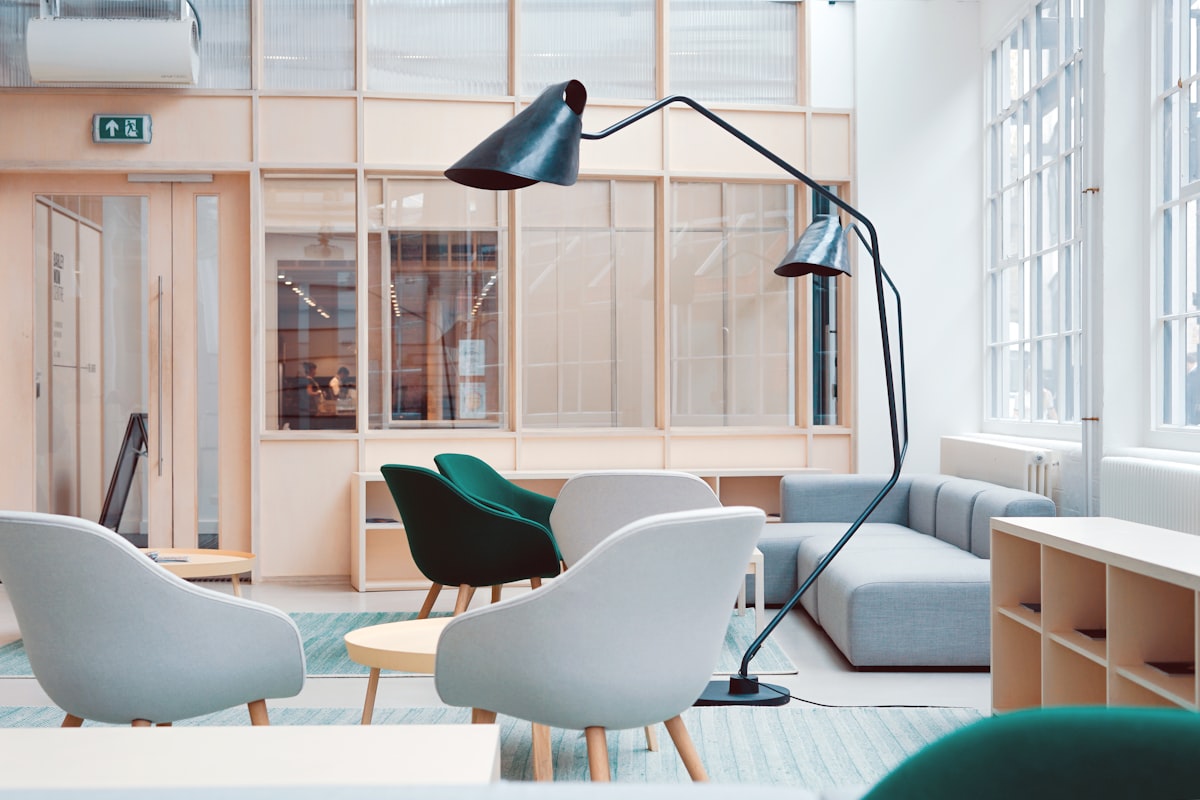
The best kids bedroom storage does not expire when your child turns ten or thirteen. Choose neutral finishes and simple shapes that still feel appropriate for a teenager. White, natural wood, and soft gray adapt easily to changing bedding, posters, and personal style over the years without looking babyish. Timeless finishes also save money because you will not need to replace storage as tastes change.
Plan for privacy as kids grow into tweens and teens. A small locker-style cabinet or lidded trunk gives older children a place to stash journals, devices, or keepsakes without sacrificing the room's style. The toy bins of today can become the sneaker storage of tomorrow with nothing more than a label swap. Teen-friendly storage respects their growing need for privacy and personal space.
Involve your child in the storage decisions from the start. A system they helped choose is one they will actually use when you are not watching. Teach them to reset the room once a week, and you build lifelong habits that outlast any single piece of furniture. Shared decision-making also gives children confidence in maintaining their own rooms. It is a simple adjustment that pays off every single morning.

Related reads
- Coastal Bedroom Ideas: Create a Light and Airy Sleep Space
- Bedroom Plants: Bring Calm and Cleaner Air to Your Sleep
- Bedside Table Ideas: Small Tables With Big Impact
- Small Space Bedroom Ideas: 11 Layouts That Sleep Better
- Bedroom Wallpaper Ideas: Pattern and Texture for Sleep
- Bedroom Makeover Ideas: Transform Your Space in a Weekend
Frequently asked questions
What storage works best for a small shared kids bedroom?
Use color-coded bins or labeled drawers so each child knows what belongs to them, and choose beds with built-in drawers to eliminate the need for extra dressers.
How do I keep a kids bedroom from getting cluttered again?
Reset the room once a week with your child, rotate toys so only a portion is out at once, and make sure every item has a labeled home that is easy to reach.
At what age can kids start using low shelves and bins?
Most toddlers can use open low shelves and picture-labeled bins by age two, and they gain independence quickly when storage is scaled to their height.
Should I buy a loft bed for storage?
A loft bed can free up floor space for a desk or dresser underneath, but only choose one if your child is old enough to climb safely and the ceiling height allows it.


