Think Vertical First
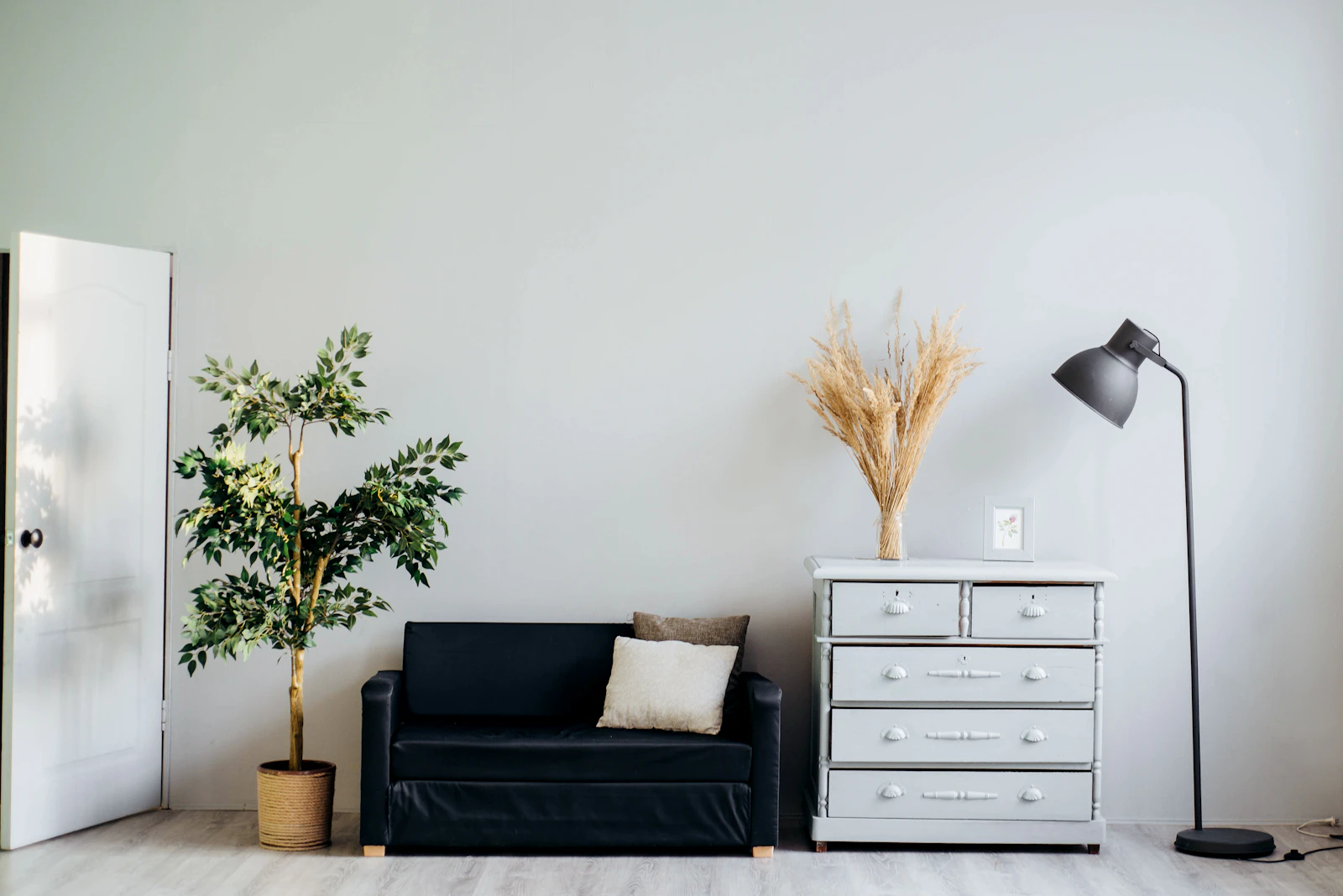
In a small bathroom, floor space is precious and the walls are usually the most underused real estate in the room. The fastest way to gain storage without adding visual or physical bulk is simply to look up and around. A single narrow shelf above the door, beside the mirror, or over the toilet can create room for everyday essentials that currently crowd the sink and countertop.
Measure your available wall height before shopping for shelves. A shelf that is too deep will crowd the sink area and bump your head, while one that is too narrow will not hold a folded hand towel. Aim for a depth between four and eight inches for most small baths, and always check what is directly underneath before drilling holes in tile.
Keep the finish consistent with your existing fixtures. Brushed metal, painted wood, or white laminate all recede visually and make the room feel larger. The goal is storage that disappears into the background, not storage that announces itself and makes the space feel tighter than it already is. Storage that blends in keeps the eye moving around the room instead of stopping on clutter.

Floating Shelves for a Clean Look
Floating shelves are the classic choice for small bathrooms because they provide storage without legs or brackets eating into the already limited floor area. Install one above the sink for daily skincare, another near the shower for shampoo, and a small corner version for soap or a candle. Corner versions also work well for candles or a small plant that softens hard surfaces.
Choose shelves with a small lip or raised edge if they will hold bottles and jars. Nothing ruins a morning routine faster than watching an expensive serum slide into the sink. For hand towels, use an open shelf wide enough to fold a towel in thirds without it hanging over the edge. A raised front lip is a simple detail that protects expensive products from accidents.
Mount shelves into studs whenever possible, or use heavy-duty wall anchors rated for at least twenty pounds. Wet bathrooms see a lot of weight from glass bottles, and a falling shelf can damage both tile and bare toes. Proper installation is part of the design. Solid mounting also keeps the shelf level over time in a humid, active bathroom. A little attention here turns daily frustration into a smooth routine.

Over-the-Toilet Units That Work
The wall above the toilet is wasted space in most bathrooms, yet it is perfectly positioned for extra storage. An over-the-toilet shelf or cabinet adds room for extra toilet paper, candles, spare hand towels, and small baskets without requiring a single additional floor tile. This often-overlooked wall turns wasted space into one of the most useful spots in the room.
If your toilet sits close to the shower, pick a unit with doors or a closed back to protect contents from moisture and steam. In a powder room, an open etagere looks lighter and gives guests easy access to supplies without the formality of a closed cabinet. Doors also protect toiletries from shower spray and keep the shelves looking neat.
Check the height of your toilet tank and the location of any flush buttons before buying. Some cabinets sit too low and make flushing awkward or block the lid from lifting fully. A unit that feels custom is one measured to the inch, not guessed from a product photo. Taking measurements before ordering saves the hassle of returning a unit that does not fit.

Corner Shelves Save the Day
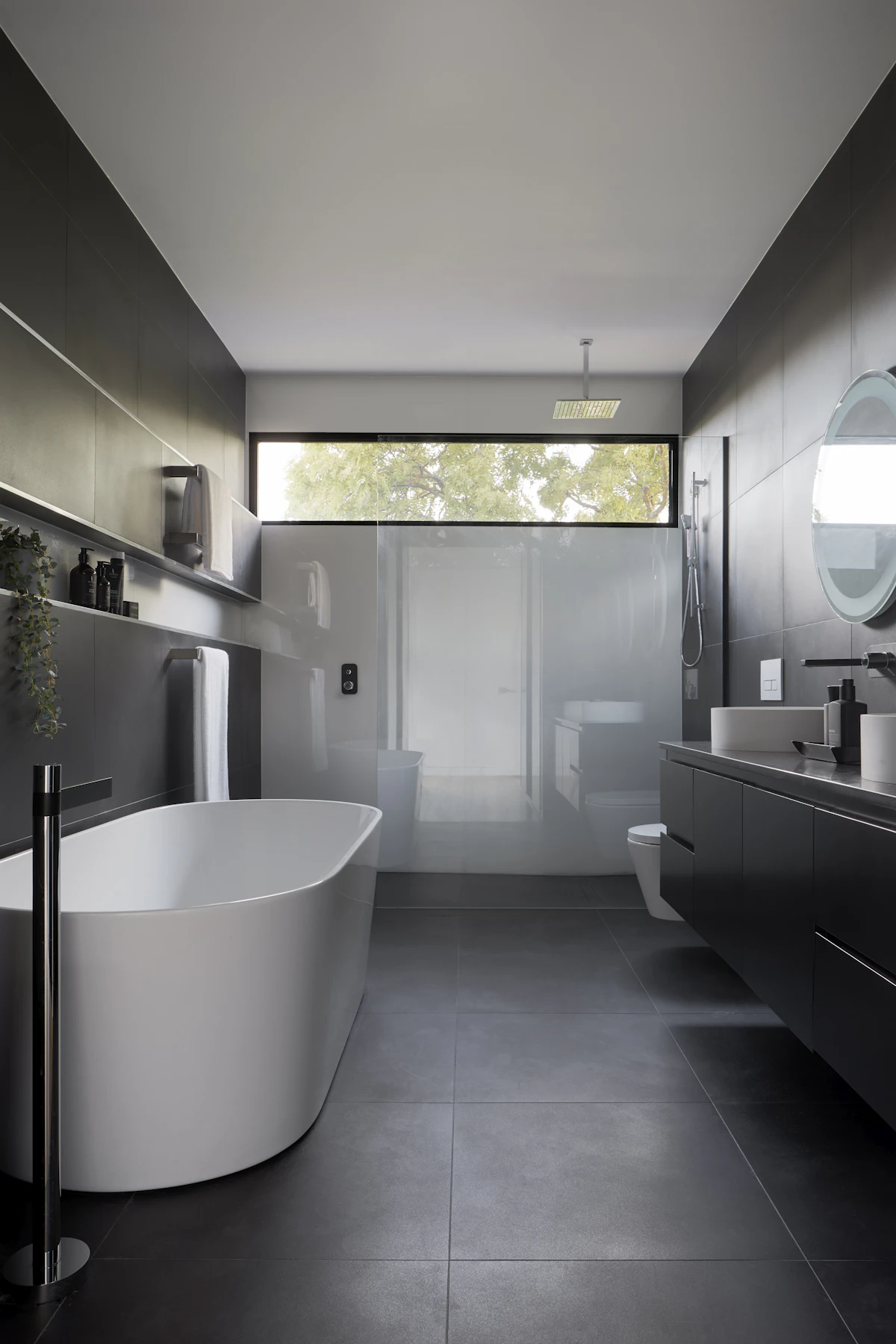
Corners are the most ignored real estate in a small bathroom, yet they are perfect for storage. A triangular shelf turns an awkward angle into a useful spot for a plant, diffuser, or stack of washcloths. Inside showers, corner caddies keep shampoo off the tub rim and within easy reach. A single corner shelf can hold more than you expect without projecting into the room.
For a built-in look, use two or three matching corner shelves stacked vertically. They draw the eye upward and make the ceiling feel higher, which visually expands the room. Keep the styling minimal so the corner does not become a catchall for random clutter. Vertical stacks also make a low ceiling feel higher by drawing the eye upward. This habit keeps the system working long after the initial setup.
Choose materials that handle humidity. Sealed wood, powder-coated metal, glass, and certain plastics all survive steam better than untreated particleboard. A corner shelf is only helpful if it lasts longer than one humid summer without warping or rusting. Durable materials mean you will not be replacing sagging or rusted shelves next year. The payoff is a room that feels calmer and more intentional.
Ladder Shelves Add Height Without Heaviness
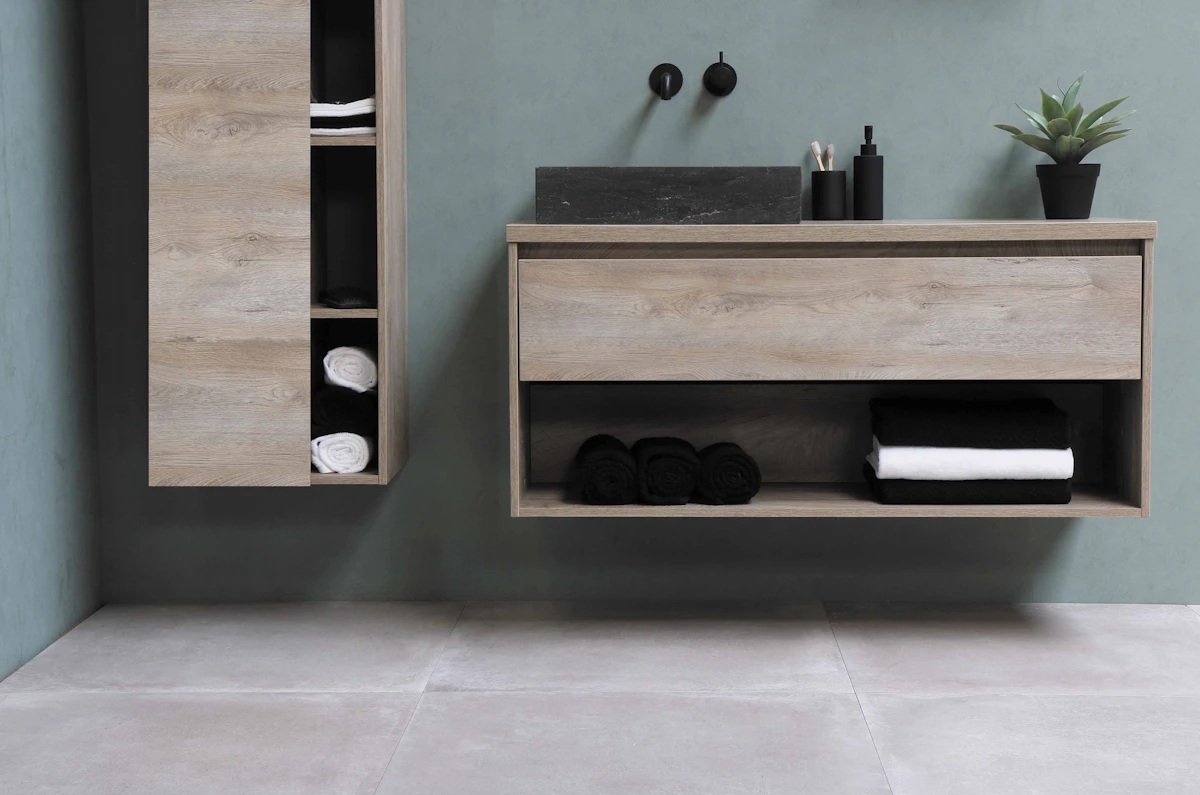
A leaning ladder shelf adds vertical storage while keeping the floor visible underneath. That open footprint makes a small bathroom feel significantly larger than a traditional cabinet would. Use the rungs for folded towels and the top shelf for a basket of extras or a small plant. The open rungs keep essentials visible while still feeling light and airy. This small change makes the space easier to live with every day.
Ladder shelves work especially well beside a pedestal sink or in a narrow water closet where a full cabinet simply would not fit. They also move easily, which makes them ideal for renters who cannot drill into tile or who may want to rearrange frequently. Renters love ladder shelves because they can move with you to the next bathroom. It is a simple adjustment that pays off every single morning.
Secure the top of the ladder to the wall with a small anchor strap, especially in households with children or pets. Leaning furniture can tip, particularly in bathrooms where floors get slippery. Safety should always come before style. A small strap is invisible but essential for homes with curious kids or pets. A little attention here turns daily frustration into a smooth routine.
Recessed Niches Hide Clutter
If you are remodeling or building new, consider a recessed niche in the shower wall or beside the vanity. Because it sits flush with the wall, it adds zero visual bulk while still giving bottles and bars a dedicated home. A niche is perfect for shampoo, razors, and the small items that normally crowd the tub edge. Recessed storage also stays cleaner because it is protected from splashes and drips.
In a half bath, a shallow recessed shelf behind the mirror or beside the light switch creates a spot for a candle and a hand soap without taking up counter space. It feels built-in and intentional, like the room was designed around the storage instead of the other way around. This built-in look adds value and feels intentional rather than improvised.
Plan the depth carefully before construction. A niche that is too deep will collect water and soap scum and become a cleaning headache, while one that is too shallow will not hold standard bottles. Four to six inches is the sweet spot for most bath products. The right depth keeps bottles upright and prevents water from pooling inside. This habit keeps the system working long after the initial setup.
Style Small Shelves Like a Spa
Once the shelves are up, resist the urge to fill every inch. Small bathrooms feel bigger when surfaces can breathe. Group items in odd numbers, roll hand towels instead of folding them flat, and add one small plant or candle for warmth and a touch of personality. Negative space is a design tool that makes even tiny bathrooms feel calmer.
Use matching containers for cotton balls, q-tips, bath salts, and other small essentials. Decanting toiletries into uniform jars instantly elevates even an inexpensive shelf into something that looks carefully designed. Clear glass or matte ceramic both photograph beautifully and stay functional. Matching containers create a quiet, unified look that instantly elevates the space. The payoff is a room that feels calmer and more intentional.
Edit monthly. Small shelves become junk magnets quickly in a busy bathroom. A five-minute reset keeps the space feeling like a retreat instead of a storage closet that happens to have a shower attached. Regular editing also helps you spot when supplies are running low before you run out. This small change makes the space easier to live with every day.
Related reads
- Bathroom Shelves: Open Storage That Keeps Essentials Close
- Slow Morning Bathroom Ideas: 10 Rituals That Ease You Into the Day
- Kitchen Pantry Ideas: 12 Small Pantries That Store More
- Over Toilet Storage: Use the Space Above Your Toilet
- Walk-In Closet Organization Ideas: 10 Layouts That Feel Boutique
- Entryway Bench With Storage: 12 Ideas That Stay Tidy
Frequently asked questions
How deep should small bathroom shelves be?
Most small bathroom shelves work best at four to eight inches deep, which holds toiletries and towels without protruding into the room.
Can I install shelves in a rental bathroom?
Yes, use adhesive floating shelves, tension rods, or a leaning ladder shelf to avoid drilling into tile or drywall that you will need to repair later.
What is the best shelf material for a humid bathroom?
Sealed wood, powder-coated metal, glass, and moisture-resistant MDF all hold up well; avoid untreated particleboard in steamy spaces.
How do I keep open bathroom shelves from looking cluttered?
Limit each shelf to a few curated items, use matching containers, roll towels, and remove anything you do not use at least once a week.