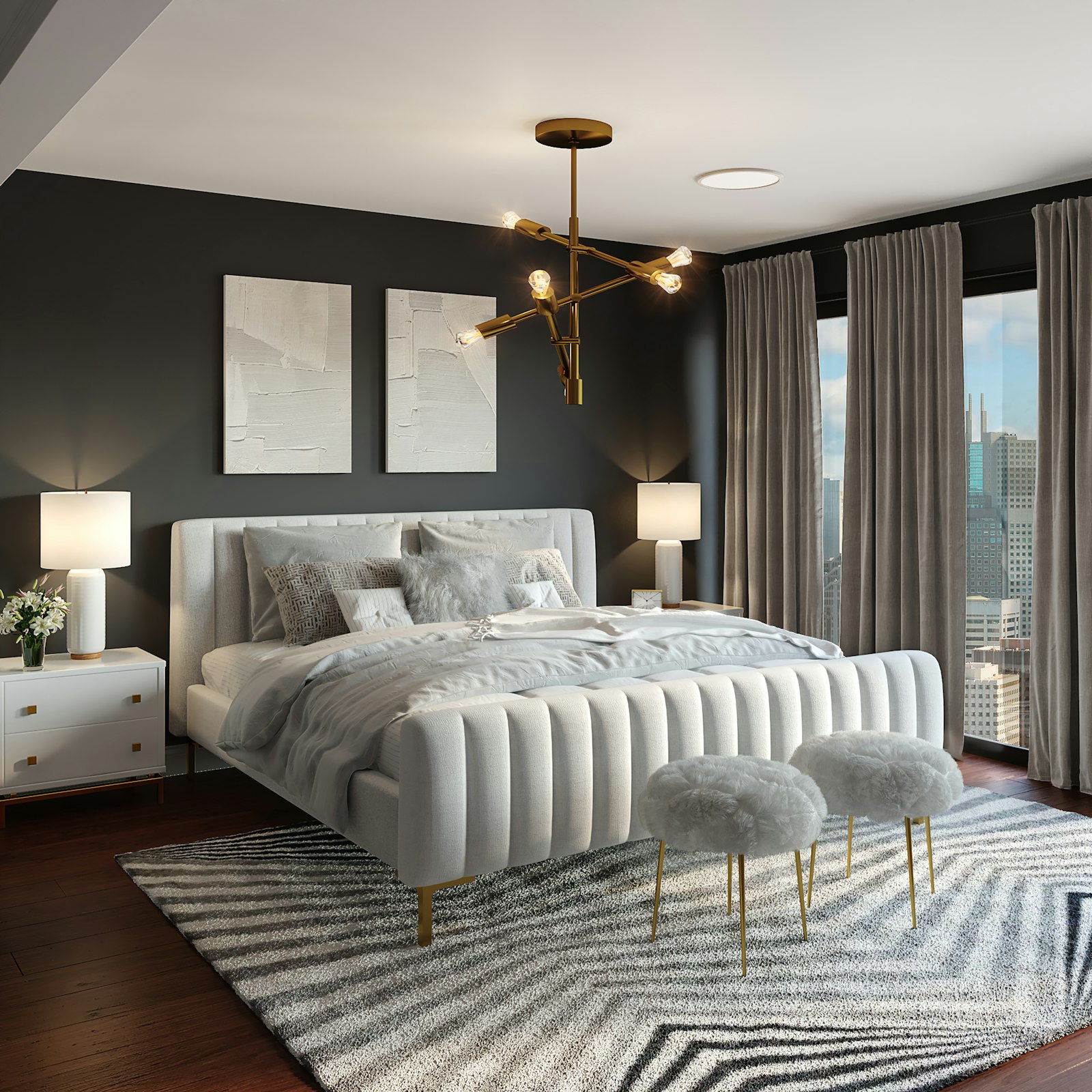
Pick a Bed That Fits the Wall
In a small bedroom, the bed should feel like it belongs against the longest wall. A platform bed with a low profile creates more visible floor space and avoids the bulky footprint of a tall frame or footboard. The lower sightline makes the ceiling appear higher and the room feel less crowded. Choose a frame with a simple headboard or none at all.
Choose a mattress size that leaves at least two feet of walking space on each side. In very tight rooms, a full bed can feel more spacious than a queen and still sleeps two comfortably. Measure the room before shopping and mark the footprint with painter's tape. Seeing the outline on the floor prevents buying something that overpowers the room.

Draw the Eye Up
Vertical interest makes a low ceiling feel higher and distracts from limited floor space. Hang a single piece of art above the headboard or install a slim floating shelf near the ceiling. The eye travels upward and the room feels taller than its measurements. Keep the arrangement narrow so it does not crowd the bed. A single tall object is more effective than many small ones.
Avoid heavy crown molding or dark ceiling colors that lower the space visually. A soft white ceiling with a simple pendant or flush-mount fixture keeps the upper half of the room airy. Draw attention to height, not width. One tall floor mirror leaning against a wall can also bounce light upward. Paint the ceiling a whisper lighter than the walls to lift it further.
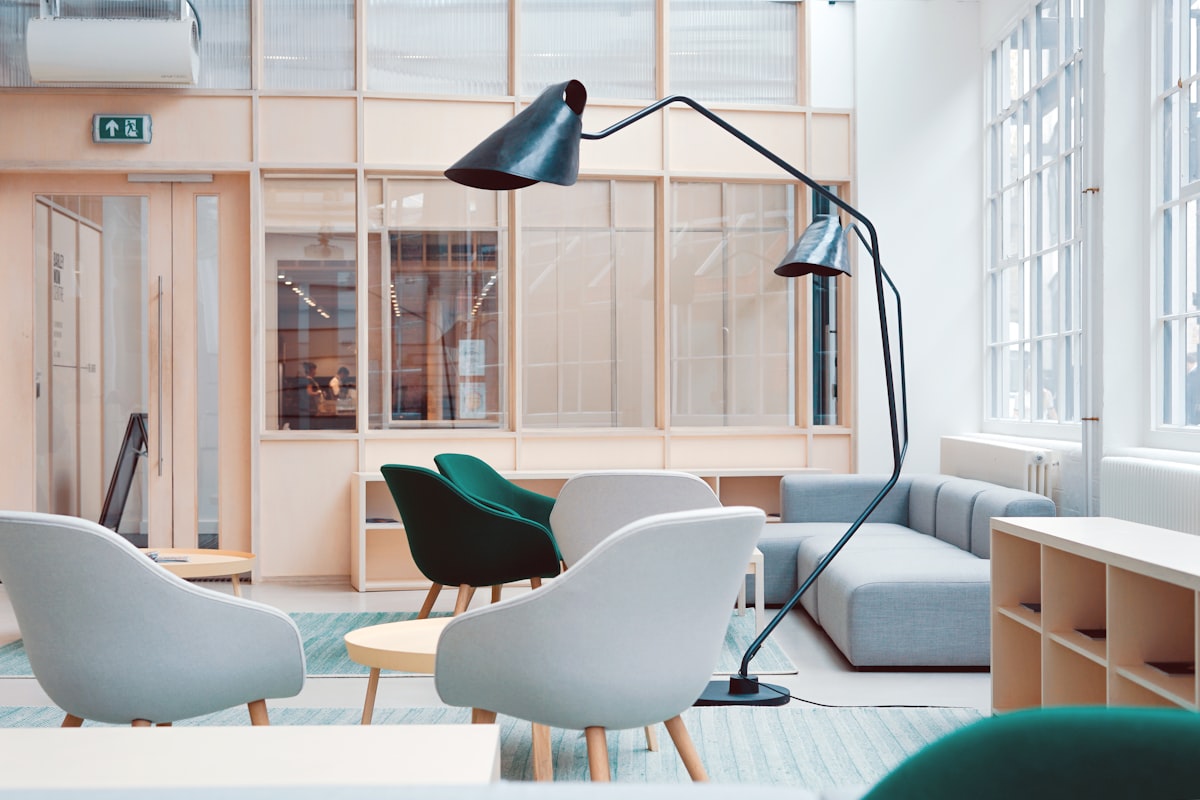
Use Vertical Storage
When floor space is limited, walls become your closet. Install floating shelves above the bed or beside a dresser to hold books, plants, and a small alarm clock. Keep the deepest shelf no wider than ten inches to avoid head bumps and to maintain a light look. Staggered heights create rhythm without bulk. Wall-mounted storage keeps essentials off the nightstand and floor.
A tall narrow bookshelf in an unused corner can store folded clothes, baskets, and extra linens. Label baskets so the system stays tidy without requiring more furniture. Choose a unit that is taller than it is wide to preserve precious floor area. Wall storage keeps essentials close without closing in the room. Use the same baskets on the shelf and in the closet for visual continuity.

Choose Furniture With Legs
Furniture that sits on visible legs creates the illusion of more floor space. A nightstand or dresser with tapered legs lets light pass underneath and makes cleaning easier. The gap between the furniture and the floor adds visual lightness that boxy pieces cannot provide. Even metal legs work as long as they are slim. A legged nightstand leaves room for a small basket underneath.
Avoid skirted bed frames or boxy storage benches that sit directly on the floor. Even a few inches of visible leg can make a small bedroom feel less crowded and lighter. Choose one or two legged pieces and keep the rest low to avoid a stilted look. The goal is air, not altitude. Mix one legged piece with a low platform bed to avoid a floating feeling.
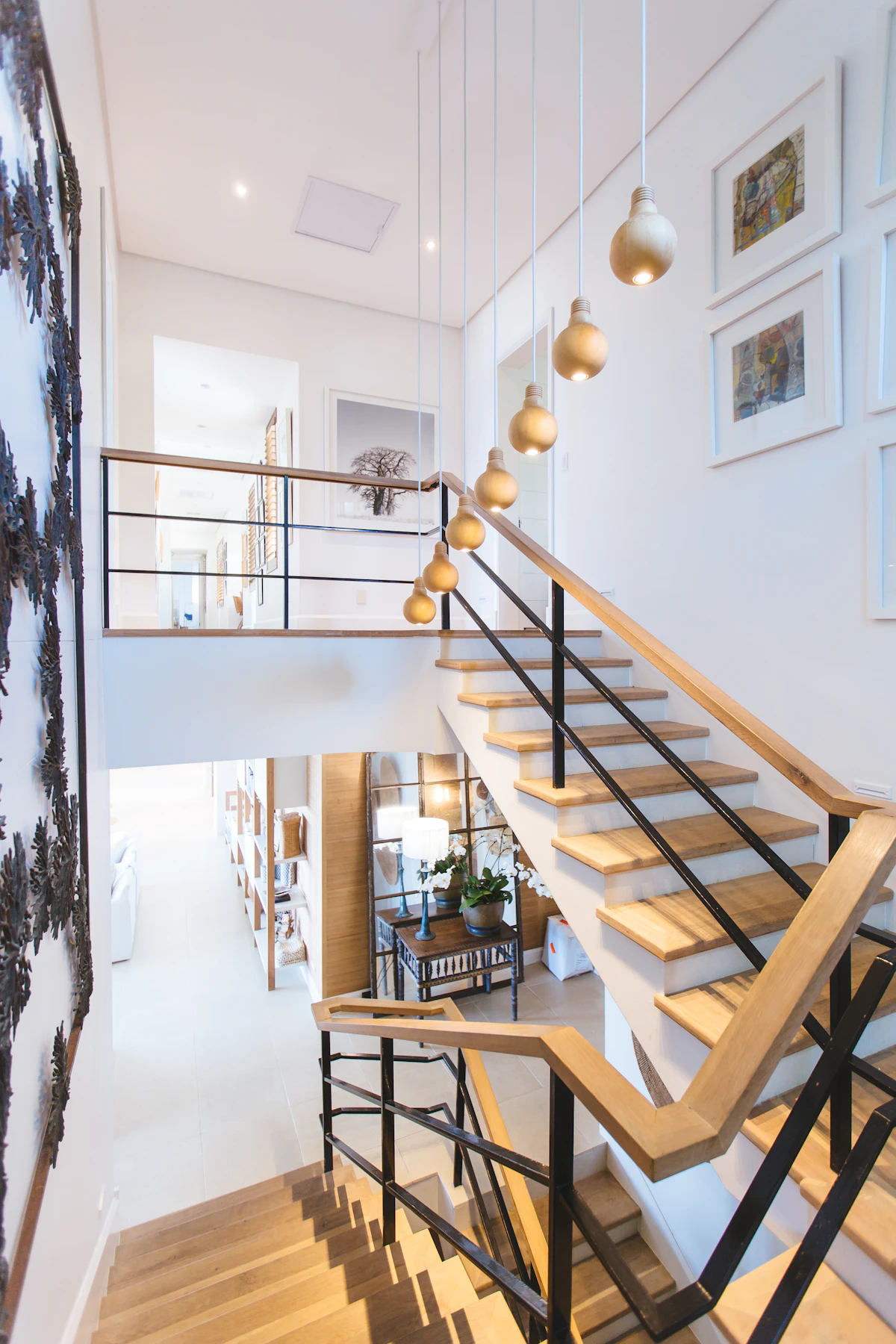
Limit the Color Palette
A small bedroom benefits from one main color and one or two accents. Soft white, warm greige, or pale sage keeps walls receding and the room from feeling chopped up. Use darker tones only in small doses, such as a charcoal throw or navy pillow. Patterns should be subtle or absent. A limited palette also makes mixing old and new furniture easier.
A unified palette prevents the room from feeling chopped up. When every surface relates to the next, the boundaries blur and the space reads as larger than it is. Paint the trim and ceiling in a related shade to avoid hard lines. Cohesion is the small bedroom's best friend. Repeat the accent color in at least two places so it feels intentional.

Layer Lighting in Three Zones
A single overhead light flattens a small room and casts harsh shadows. Layer ambient light from a ceiling fixture, task light from bedside sconces or lamps, and accent light from a small floor lamp in a corner. Each layer performs a different job and keeps the room interesting after dark. Dimmers help you adjust the mood. Three zones give the room dimension even when the ceiling is low. Sconces, lamps, and ceiling fixtures together create a balanced glow.
Wall-mounted reading sconces save nightstand space and keep surfaces clear. Choose bulbs around 2700K for a warm wind-down glow that supports better sleep. Place the switches within easy reach from bed. The right lighting can make a tiny bedroom feel like a cozy hotel room. Plug-in sconces are a great option if hardwiring is not possible. A dimmer on the overhead fixture lets you lower the whole room at once.

Hide Clutter Behind One Door
A clutter-free bedroom feels instantly larger and calmer. Store off-season clothes, extra blankets, and shoes behind one closet door or inside a storage ottoman. Keeping visual noise behind a single plane calms the room and makes the visible surfaces feel intentional. A clear floor also makes the space easier to clean. Clutter competes with sleep, so keeping it hidden matters.
Use matching slim hangers and uniform bins inside the closet so the hidden area stays organized. A tidy closet makes it easier to keep the visible bedroom serene. Spend ten minutes each week resetting the closet so things do not migrate outward. The less you see, the more spacious the room feels. A weekly reset prevents small piles from becoming overwhelming.

Related reads
- Small Bedroom Ideas That Maximize Space and Style
- Kids Bedroom Storage Ideas: 9 Systems That Grow With Them
- The Japandi Bedroom That Actually Helps You Sleep
- Moody Dark Bedroom Ideas: 7 Sleep Spaces That Feel Like a Retreat
- Coastal Bedroom Ideas: Create a Light and Airy Sleep Space
- Bedside Table Ideas: Small Tables With Big Impact
Frequently asked questions
What bed size works best in a small bedroom?
A full bed often leaves more walking room than a queen while still sleeping two. Measure carefully before buying.
How can I add storage without bulky furniture?
Use vertical shelves, under-bed bins, wall-mounted nightstands, and a storage ottoman to keep belongings accessible but hidden.
Should I use dark colors in a small bedroom?
Dark colors can work on one accent wall, but keep the rest light to avoid closing in the space.
How do I make a small bedroom feel restful?
Limit patterns, keep surfaces clear, use warm layered lighting, and choose furniture with visible legs for visual openness.