Let go of the small-space fear
Most of us grew up hearing that dark colors shrink a room. It is advice rooted in real estate logic, not in how a space actually feels to live in. A room that looks bigger is not always a room that feels better or more welcoming.
Dark walls do not make a room smaller. They make the edges disappear, which can feel like being held rather than exposed. The question is not whether the room looks spacious. It is whether it feels like yours at the end of a long day.

The cocoon effect
There is a reason we feel drawn to dimly lit restaurants and quiet hotel bars. Dark surroundings narrow our focus to the people and objects directly in front of us. The rest of the world falls away, and the moment becomes the point.
At home, that same effect becomes a kind of visual exhale. A moody living room or bedroom wraps around you, turning an ordinary evening into something that feels protected and a little bit luxurious. It is intimacy built into the walls.

Choose the right shade of dark
Not all dark colors behave the same way. Charcoal and navy feel architectural and calm. Forest green brings in nature. Deep burgundy or chocolate brown can feel rich and romantic. Each shade sets a different emotional temperature for the room.
Test your color in the actual room at different times of day. A color that looks dramatic at noon may feel flat at night. Live with a large sample for at least twenty-four hours before committing, because paint changes with the light.

Balance dark with warmth
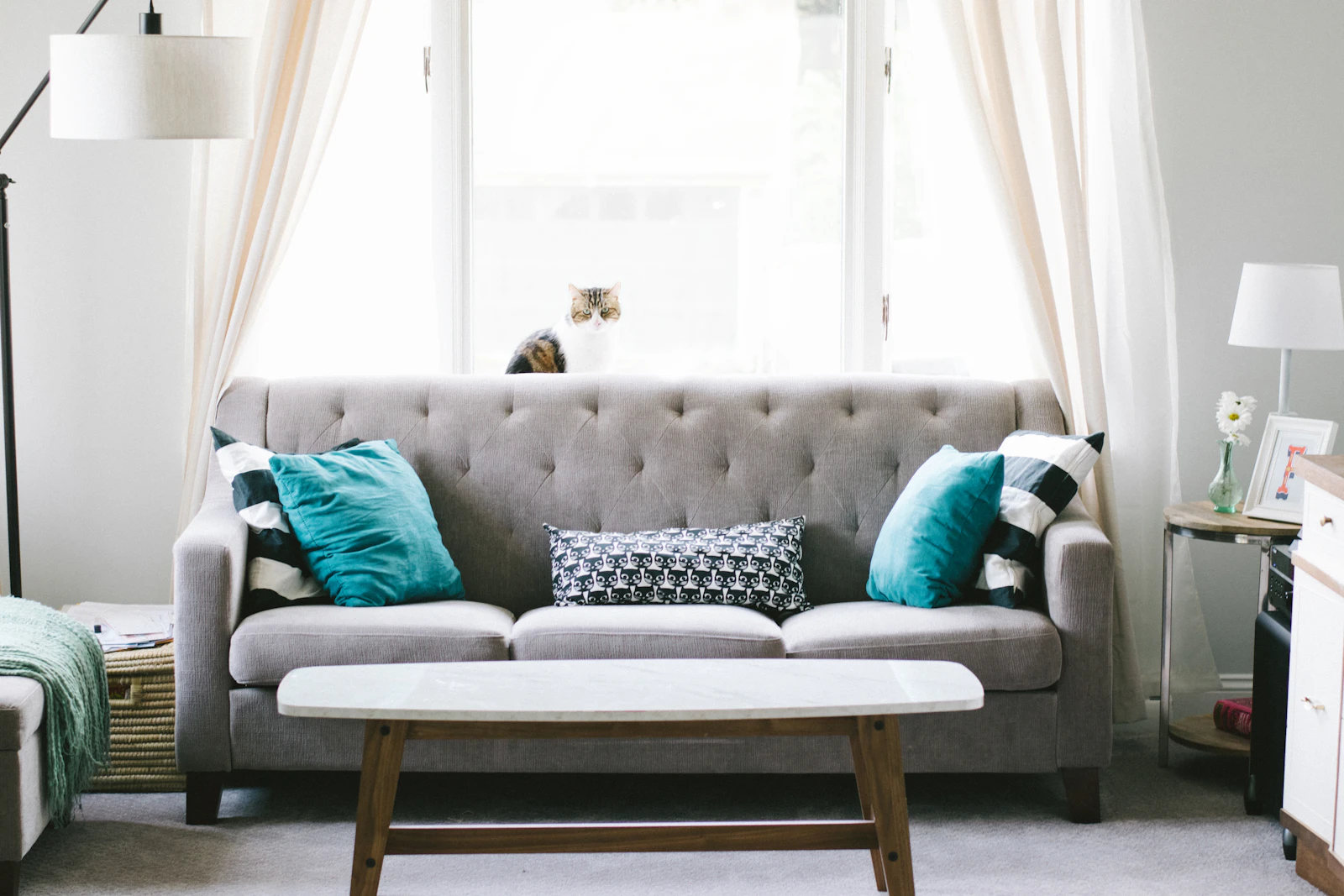
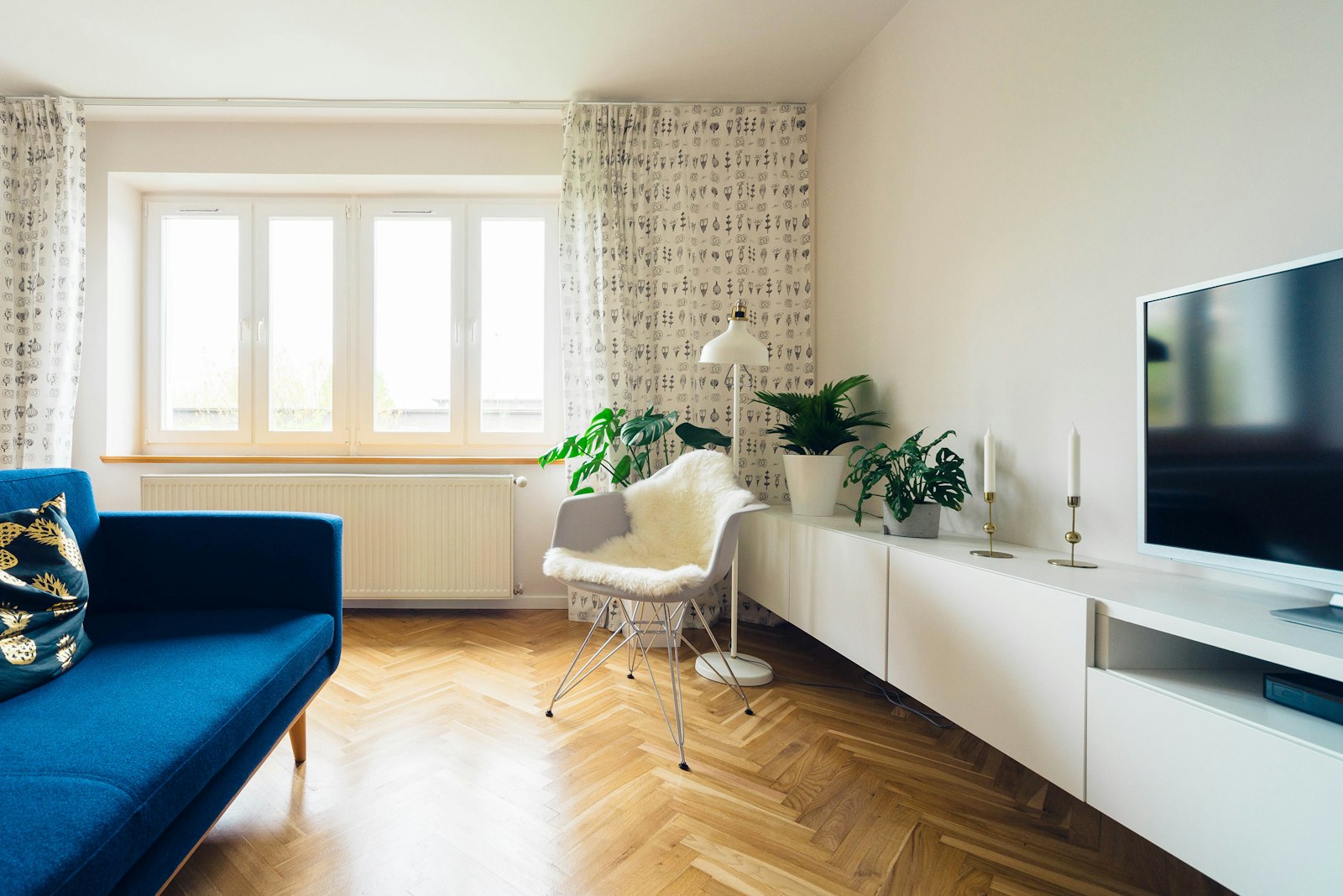
A dark room needs materials that soften it. Wood, leather, linen, and wool all absorb light differently than painted drywall and keep the space from feeling cold or flat. They add the life that dark color alone cannot provide.
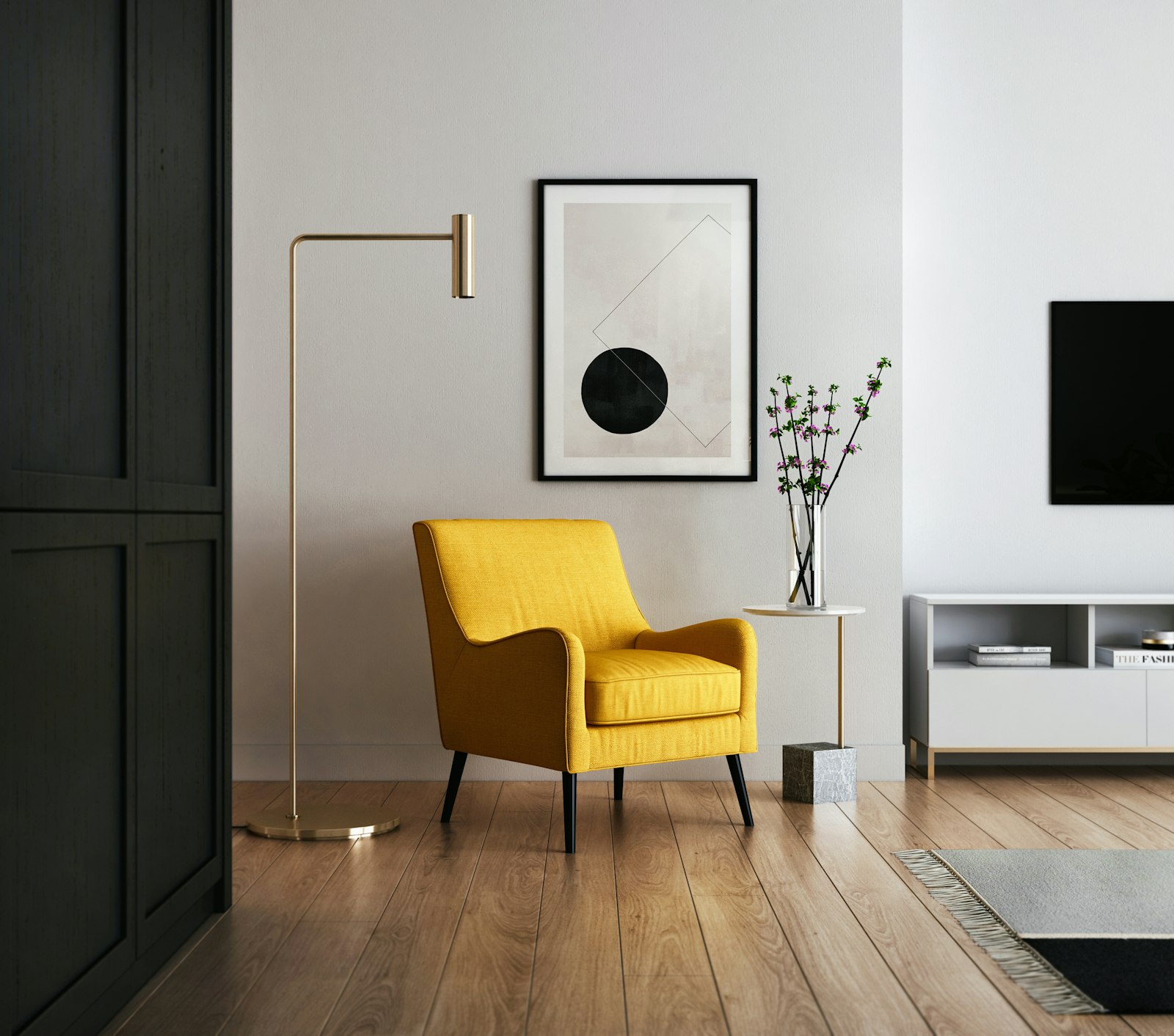
Think of the walls as a backdrop and the textures as the performance. A woven throw, a worn leather chair, or a raw wooden shelf gives the eye something gentle to land on. Without these touches, the room can feel like a stage set.
Layer the lighting
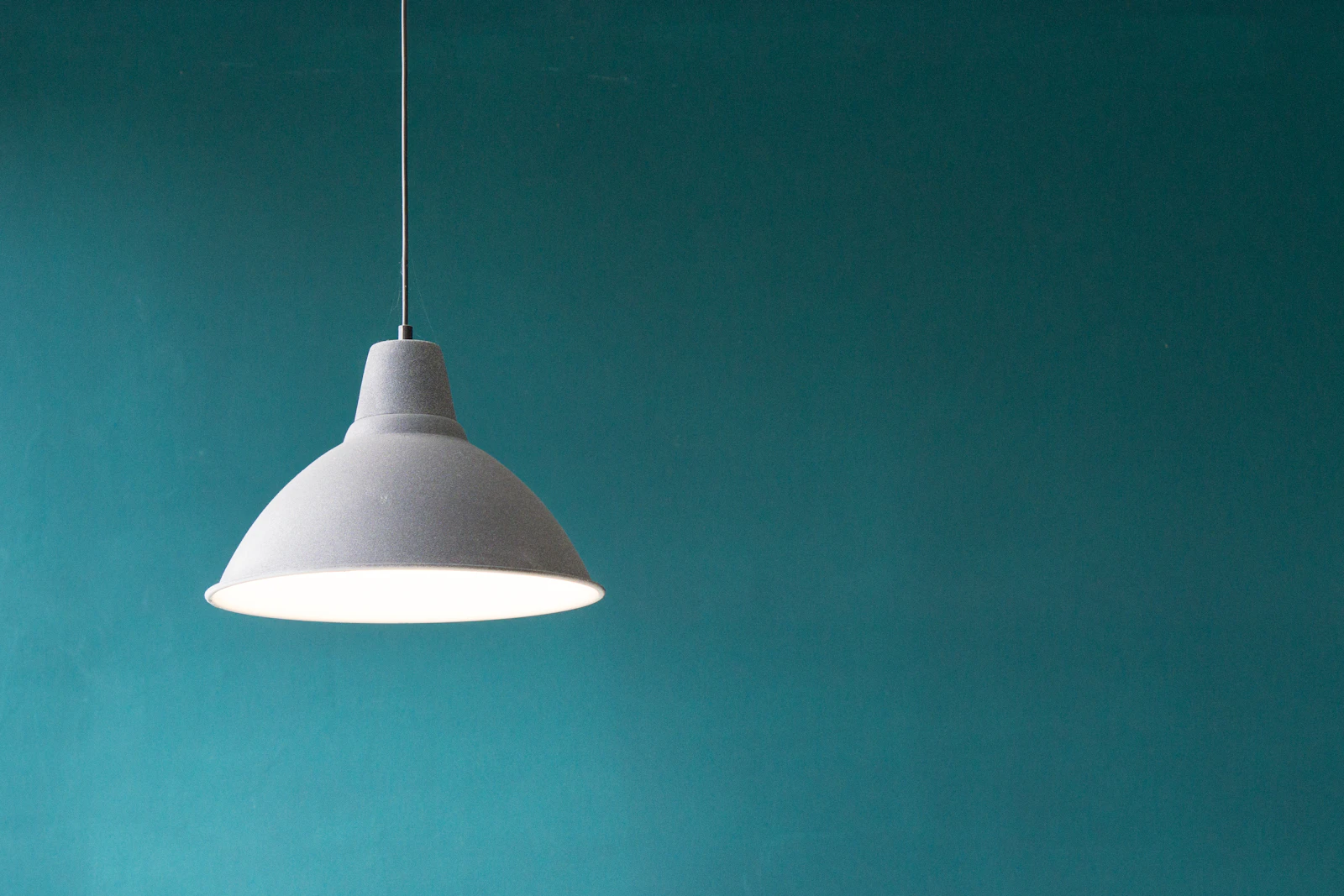
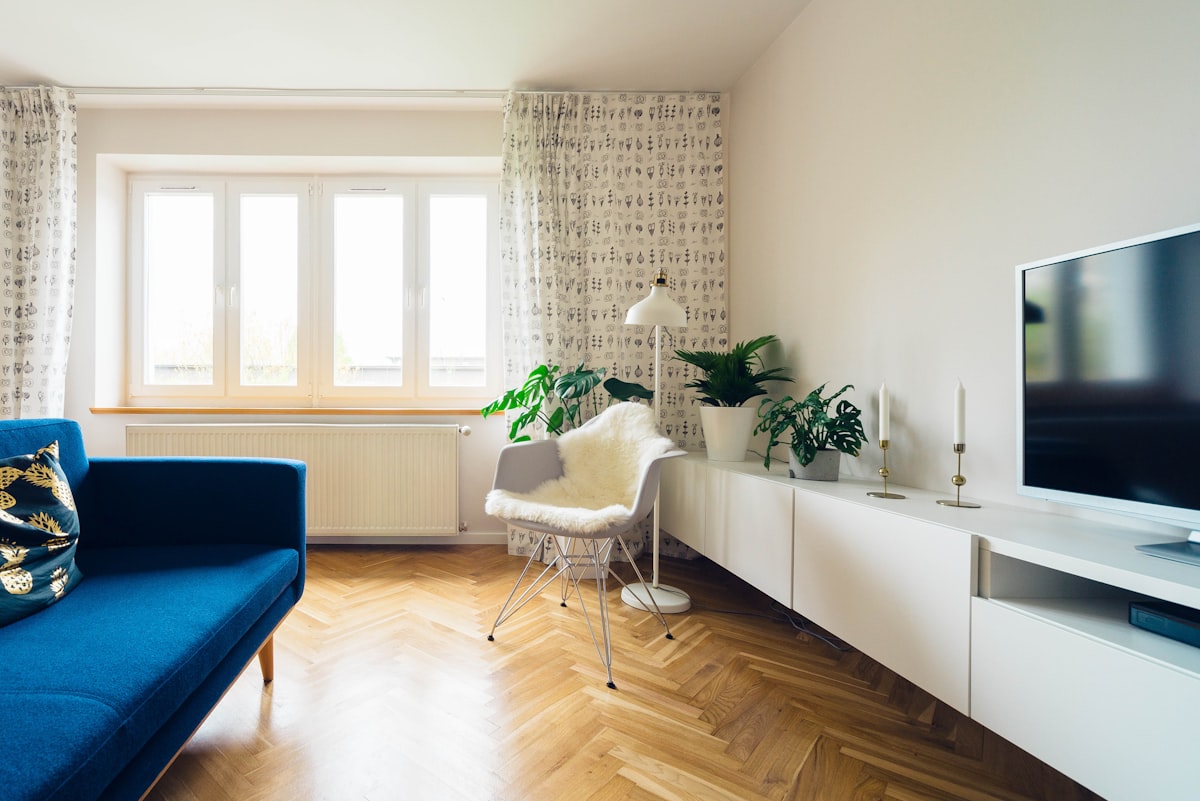
Dark walls absorb light, so one overhead fixture is usually not enough. Instead, use several small sources at different heights: table lamps, floor lamps, candles, and sconces. This creates depth and keeps the room from feeling dim or lifeless.
Warm bulbs between 2700K and 3000K keep the room from feeling clinical. The goal is a glow that flatters faces and makes the walls feel like they are leaning in to listen. Good lighting turns dark walls into an embrace.

Start with one wall
If painting the whole room feels overwhelming, begin with a single accent wall. A dark wall behind a bed, sofa, or bookshelf becomes a dramatic anchor without changing the entire space. It is the easiest way to test the waters.
This approach also lets you experiment. You can live with the color, see how light behaves on it, and decide whether to expand. Sometimes one dark wall is exactly enough to give a room the mood you have been looking for.
Live with the drama
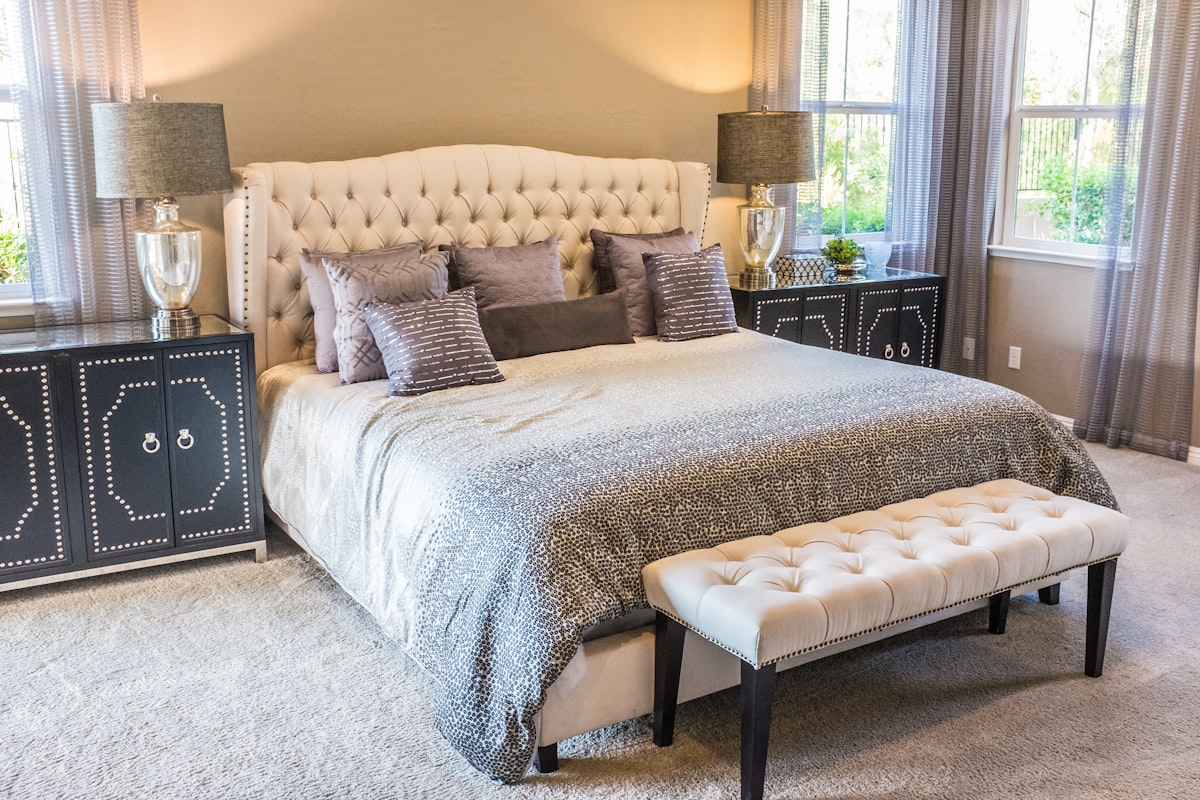
Dark walls ask for a little more confidence than white ones, but they reward it. They show off art, deepen shadows, and make ordinary evenings feel cinematic. A moody room has a sense of occasion built right in.
The key is to stop treating them as a trend and start treating them as a mood. Once the room feels like a backdrop for real life, you may find yourself wondering why you ever feared the dark in the first place.

Related reads
Frequently asked questions
Do dark walls make a room feel smaller?
They can make boundaries feel softer and closer, which many people experience as cozy rather than cramped. The effect depends on lighting and the materials you pair with them.
What colors work best for moody walls?
Charcoal, navy, forest green, deep brown, and warm burgundy are all excellent. Choose based on the mood you want and the natural light in the room.
How do I keep a dark room from feeling gloomy?
Use warm lighting, natural materials like wood and linen, and a mix of light sources. One bright overhead fixture will usually feel harsh.
Can I use dark paint in a room with little natural light?
Yes, but plan your artificial lighting carefully. Layered warm light becomes especially important when the sun is not doing the work.