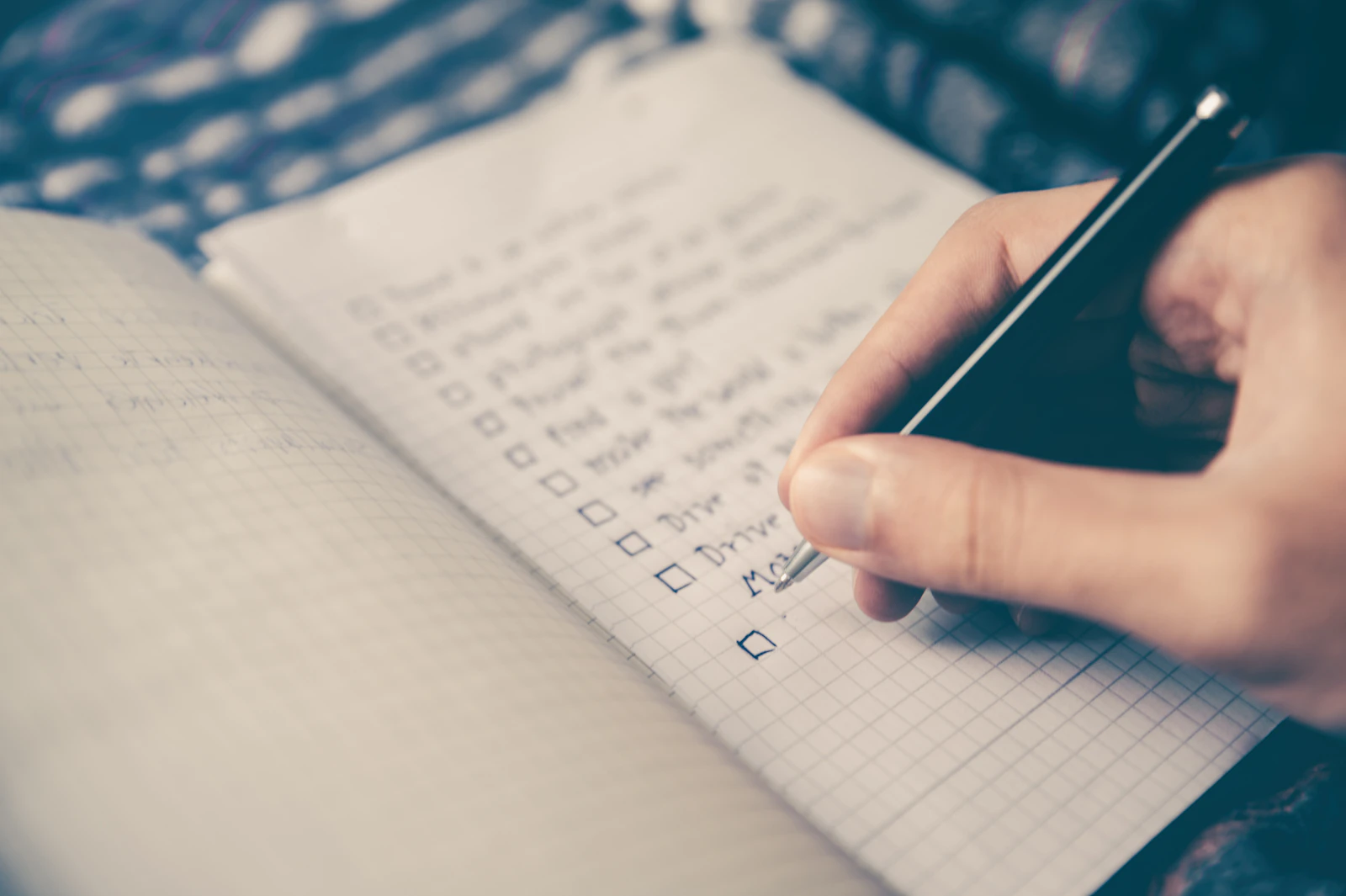
Entryway Drop Zones
The entryway is where clutter enters the house. A small console with a tray for keys, hooks for bags, and a bench for shoes stops mess before it spreads.
If space is tight, use wall-mounted hooks and a slim floating shelf. Even a tiny landing strip helps you stay organized.
Add a small basket for shoes and a mail sorter. The goal is to give every item a home the moment it comes through the door.

Kitchen Storage Hacks
Kitchens collect gadgets and containers. Drawer dividers, shelf risers, and clear bins make cabinets feel twice as big.
Use the inside of cabinet doors for spice racks or cleaning supplies. The back of the pantry door is prime real estate for small organizers.
Store items by how often you use them. Everyday dishes should be easy to reach. Special occasion pieces can go higher up.

Bedroom and Closet Storage
Closets work best with a mix of hanging space, shelves, and drawers. Add a second clothing rod to double hanging capacity for shorter items.
Under-bed storage is perfect for seasonal clothes and extra bedding. Use low bins with lids to keep dust out.
Nightstands with drawers hide chargers, books, and glasses. A small tray on top keeps nightly essentials contained.

Hidden Storage Ideas
Furniture with hidden storage is ideal for small homes. Ottomans with lids, beds with drawers, and benches with compartments hide clutter in plain sight.
A storage coffee table can hold remotes, magazines, and blankets. Choose one with a lift top or drawers for easy access.
Even decorative boxes on shelves can hide paperwork, cables, and small items that would otherwise create visual noise.

Design Notes to Remember
Every home is different, so adapt these ideas to your own space and lifestyle rather than copying them exactly.
Small changes often make the biggest difference in how a room feels day to day.
Start with what bothers you most, and build outward from there.
Good design is less about following rules and more about creating a space that supports how you live.
Take photos of your room from different angles to spot problem areas you might miss in person.
Invest in the pieces you touch and use every day, and save on decorative accents.
Natural light, texture, and a clear layout do more for a room than expensive furniture.
Edit ruthlessly. Removing one item is often more effective than adding another.
Keep a running list of ideas so you can update the room gradually instead of all at once.
Trust your instincts. If a space feels good to you, it is working.
Function should always come before decoration in the rooms you use most.
A cohesive color palette makes even mismatched pieces feel intentional.
Measure your space and your furniture before buying anything new.
Quality basics last longer and look better than trendy, disposable pieces.
Layer lighting at different heights to create depth and warmth.
Plants, books, and personal objects turn a decorated room into a lived-in home.
Do not rush the process. The best rooms evolve over time.
Ask yourself whether each item earns its place before bringing it into the room.
Comfort and beauty are not opposites. The best spaces offer both.
A room that looks good but feels bad is not well designed.
Every home is different, so adapt these ideas to your own space and lifestyle rather than copying them exactly.
Related reads
Frequently asked questions
How do I start organizing a cluttered home?
Start with one small area, sort items into keep, donate, and trash piles, and give every kept item a specific home.
What is the best storage for small spaces?
Vertical storage, under-bed bins, over-door organizers, and multi-functional furniture.
How do I maintain an organized home?
Put things back immediately, do a weekly reset, and avoid buying storage containers before decluttering.