Treat the Entry as a Landing Strip
Your entryway is the runway for your daily life. Every time you walk through the door, you are carrying keys, a bag, a coat, shoes, and the mental weight of the day. Without a place for each item, they drift into the rest of the house.
The mistake is trying to make the entry beautiful before it works. Start with function first. Once the system catches your belongings, you can add a candle, a mirror, or a small plant to make the space feel welcoming.
Give Every Item a Home
Keys need a dish or hook near the door, not a random pocket. Bags need a hook at shoulder height so you actually use it. Shoes need a cabinet or tray that is easier than kicking them off in the middle of the floor.
When each thing has a designated spot, the habit forms quickly. The brain loves a clear landing place. After a week, you will find yourself reaching for the hook without thinking, and the clutter will simply stop appearing.

A Place to Sit Changes Everything
Putting on shoes while balancing against a wall is undignified and inefficient. A small bench, stool, or even a folded chair by the door gives you a place to land while you transition from outside shoes to inside slippers.
Choose a seat with storage underneath if space is tight. The bench becomes twice as useful when it hides the shoes you wear most often, keeping the floor clear and the first three steps into your home feeling calm.

Keep the Floor Triangle Clear
The floor directly inside the door should be the clearest space in the home. If the first thing you step on is a pile of shoes or a scattered umbrella, the whole apartment feels chaotic before you have even taken off your coat.
Use a slim shoe cabinet, under-bench baskets, or a narrow rack that hugs the wall. The goal is to put things away while you are still sitting down, so the floor never becomes a dumping ground in the first place.
One Small Light Makes the Welcome Real
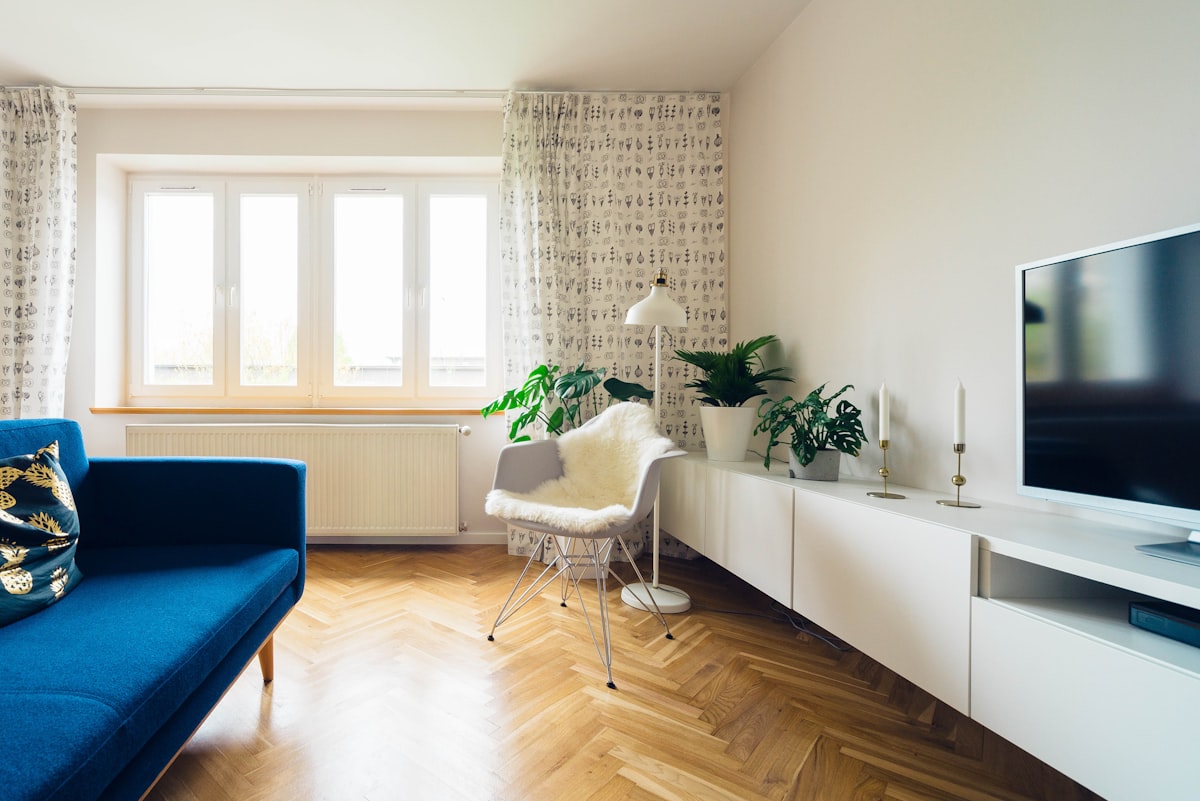
Coming home to a dark entryway feels lonely. A small table lamp, a wall sconce, or even a battery-powered puck light near the door changes the mood instantly and helps you find your keys without fumbling.
Choose a warm bulb and a fixture with a small footprint. The entry is not the place for a dramatic chandelier unless the ceiling can handle it. A gentle glow is enough to say that you are glad to be home.

A Mirror Finishes the Arrival
A mirror near the door is more than decorative. It gives you a chance to check your reflection before leaving and offers a sense of arrival when you return. It also bounces light around a narrow hallway or dark corner.
Hang it at eye level and keep the area around it simple. A small shelf below for keys and mail turns the mirror into a complete arrival station, so the last thing you do before leaving is as calm as the first thing when you return.

Build the Habit, Then the Aesthetic
A beautiful entryway with a broken system will still feel stressful. Focus on the habit first. Make it easier to put things away than to drop them, and the space will stay tidy almost by itself.
Once the habit is in place, add the aesthetic touches that make you smile. A rug that catches dirt, a scent that greets you, and a plant that thrives in low light all turn a functional entry into a daily pleasure.
Related reads
Frequently asked questions
What are the three things every entryway needs?
A place for keys, a hook for bags and coats, and a spot to sit while putting on shoes. These three elements prevent most entry clutter.
How do I keep a small entryway from looking cluttered?
Limit each category to one item per person: one hook, one pair of shoes out at a time, and one small tray for keys.
Can an entryway work without a closet?
Yes. Wall hooks, a slim console, a small bench, and a shoe cabinet can handle everything a closet does in a much smaller footprint.
What kind of light works best in an entryway?
A warm, small-scale light such as a table lamp or wall sconce works best. It should greet you softly, not light the space like an office.