The Kitchen as a Second Living Room
In many homes, the kitchen is where everyone naturally gathers. A good kitchen doesn't need to be large; it simply needs to invite people to stay, talk, and lean against the counter with a cup in hand.
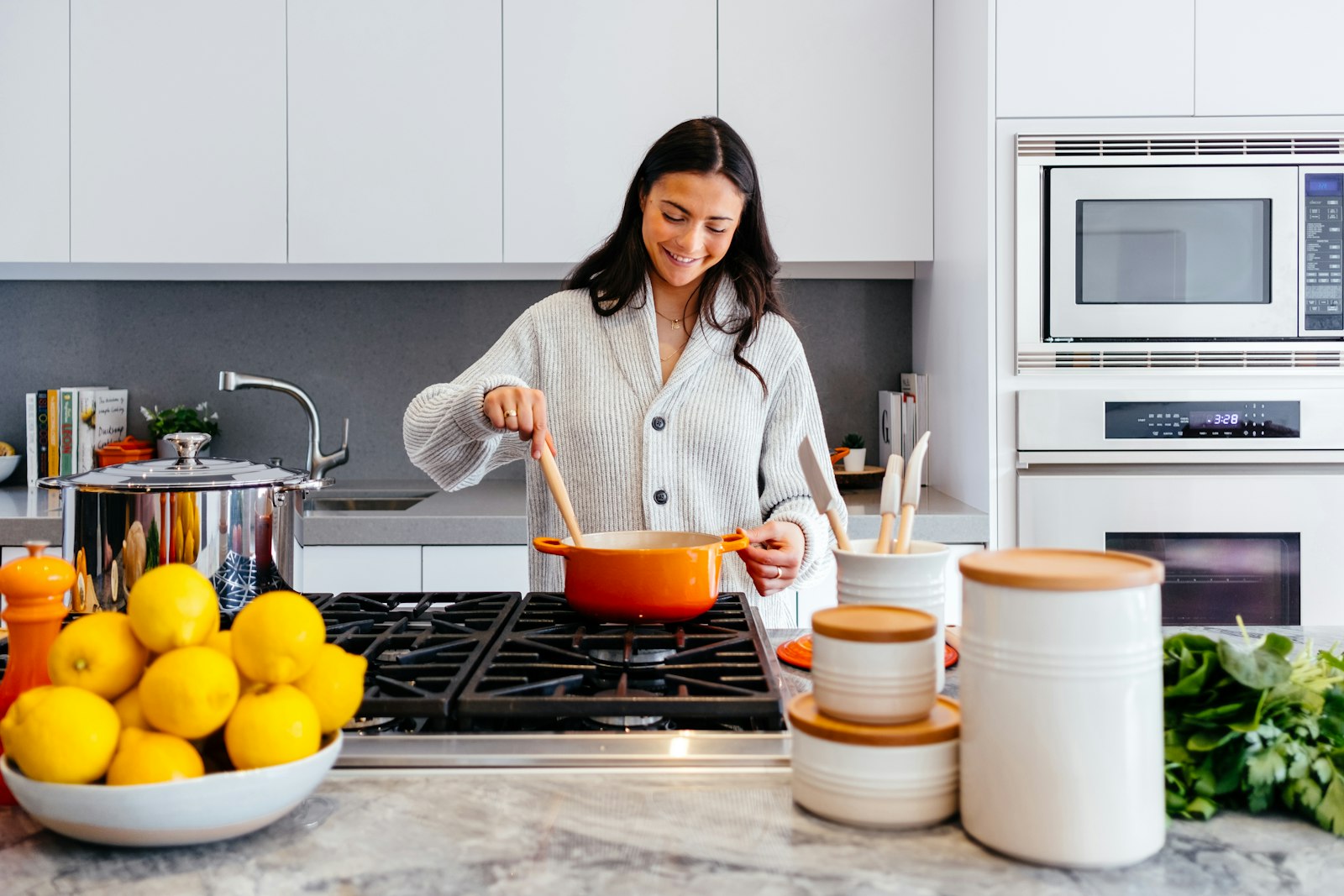
Design it with the same care you give a living room. Comfortable seating, soft light, and an open layout turn cooking from a task into a shared experience. It becomes the room where stories are told while onions are diced.

Keep What You Use Within Reach
The best kitchen storage supports the rhythm of cooking. Pots, spatulas, spices, and cutting boards should each have a fixed place so you never have to search while a pan is sizzling.
Open shelves or hanging rods keep essentials visible and close. This practical choice also turns everyday tools into a quiet, useful display. Everything has a place, and the kitchen begins to feel like a trusted partner.

Create a Place to Linger
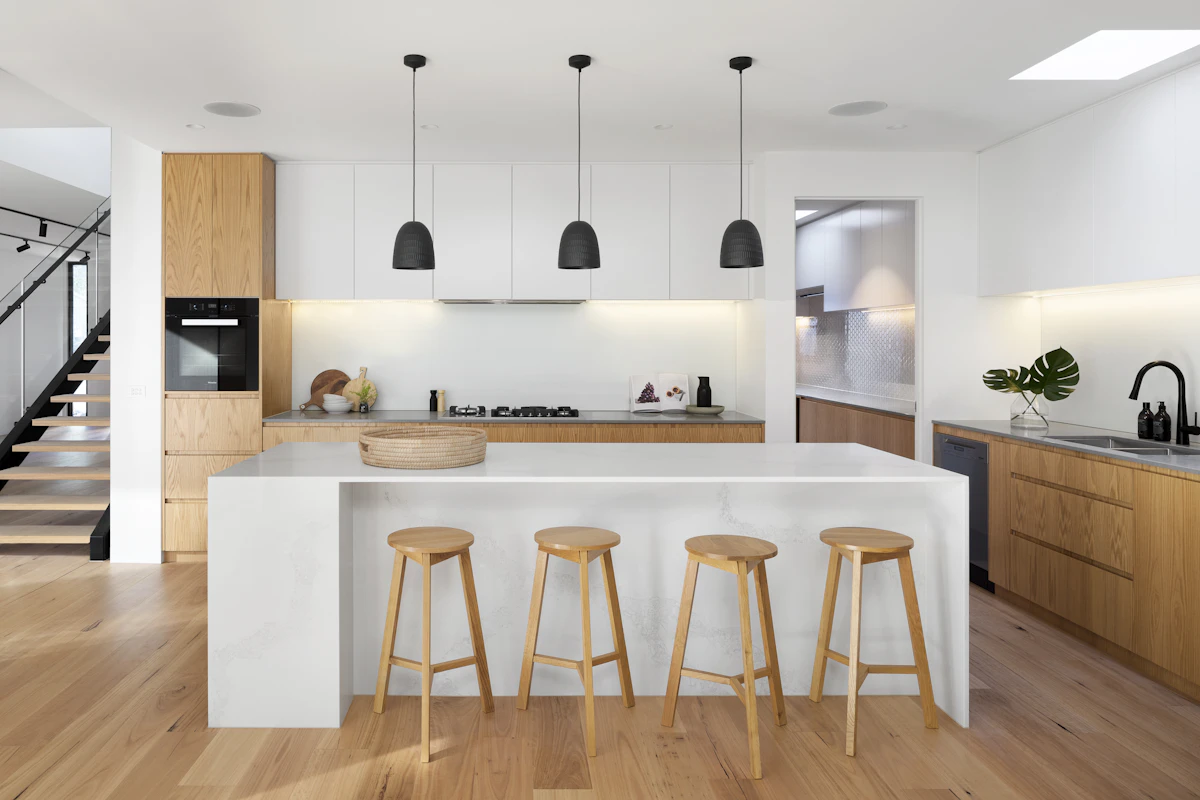
If space allows, add a small round table, a couple of bar stools, or a built-in bench. Someone can cook while someone else sits and chats, and the room fills with life.
This simple seating changes the kitchen's purpose. It becomes a place for morning coffee, homework, late-night talks, and the unhurried peeling of vegetables. Even a single stool tucked beneath a counter can transform cooking from solitary to social. The best kitchens are designed for both movement and stillness.

Let Routine Become Ritual
Slow cooking is less about recipes and more about presence. Chopping vegetables, stirring a pot, and waiting for water to boil create a rhythm that slows the mind.
When the kitchen is designed for lingering, these small actions become rituals. The smell of simmering soup and the sound of a wooden spoon against ceramic become daily anchors. You don't need hours; even fifteen minutes of mindful cooking can reset the day. The kitchen becomes a refuge from the speed of the rest of the day.

Light for Conversation and Cooking
Good kitchen lighting does two things: it helps you chop safely and sets the mood for conversation. Layer task lighting over counters with softer light around the table or island.
A pendant light above a small table can feel almost like a campfire, drawing people together. Warm bulbs make the space feel cozy even when the cooking is done. Avoid harsh overhead lights; shadows and softness make a kitchen feel more like a home. Good lighting turns ordinary meals into occasions worth savoring.
Tools That Invite You to Cook
Beautiful tools make cooking more tempting. A well-balanced knife, a heavy wooden cutting board, or a ceramic bowl you love reaching for can turn prep work into a pleasure.
Keep only what you use and love. A clutter-free counter gives you room to work and reminds you that cooking can be simple and satisfying. When your tools feel good in your hands, the process matters as much as the result. Each tool becomes part of the sensory pleasure of making a meal.
Feed Connection, Not Just Hunger
The goal of a slow kitchen is not just to make food but to make room for connection. Meals prepared slowly tend to be shared more fully and remembered more warmly.
Design your kitchen so people can gather, help, and linger. The layout, light, and seating should all say that everyone is welcome here. When the kitchen becomes the heart of the home, it feeds far more than the body. That sense of welcome is the true recipe for a happy home.
Related reads
Frequently asked questions
What is slow cooking at home?
It is the practice of preparing meals with presence, turning chopping, simmering, and waiting into calming daily rituals.
How can I make my kitchen more inviting?
Add a place to sit, warm lighting, open storage for daily tools, and a small table where people can gather.
Do I need a large kitchen for slow cooking?
No. A small kitchen with good flow, reachable tools, and a single stool can feel just as welcoming.
What lighting works best for a mindful kitchen?
Layer bright task lighting over counters with warm ambient light around seating to support both cooking and conversation.