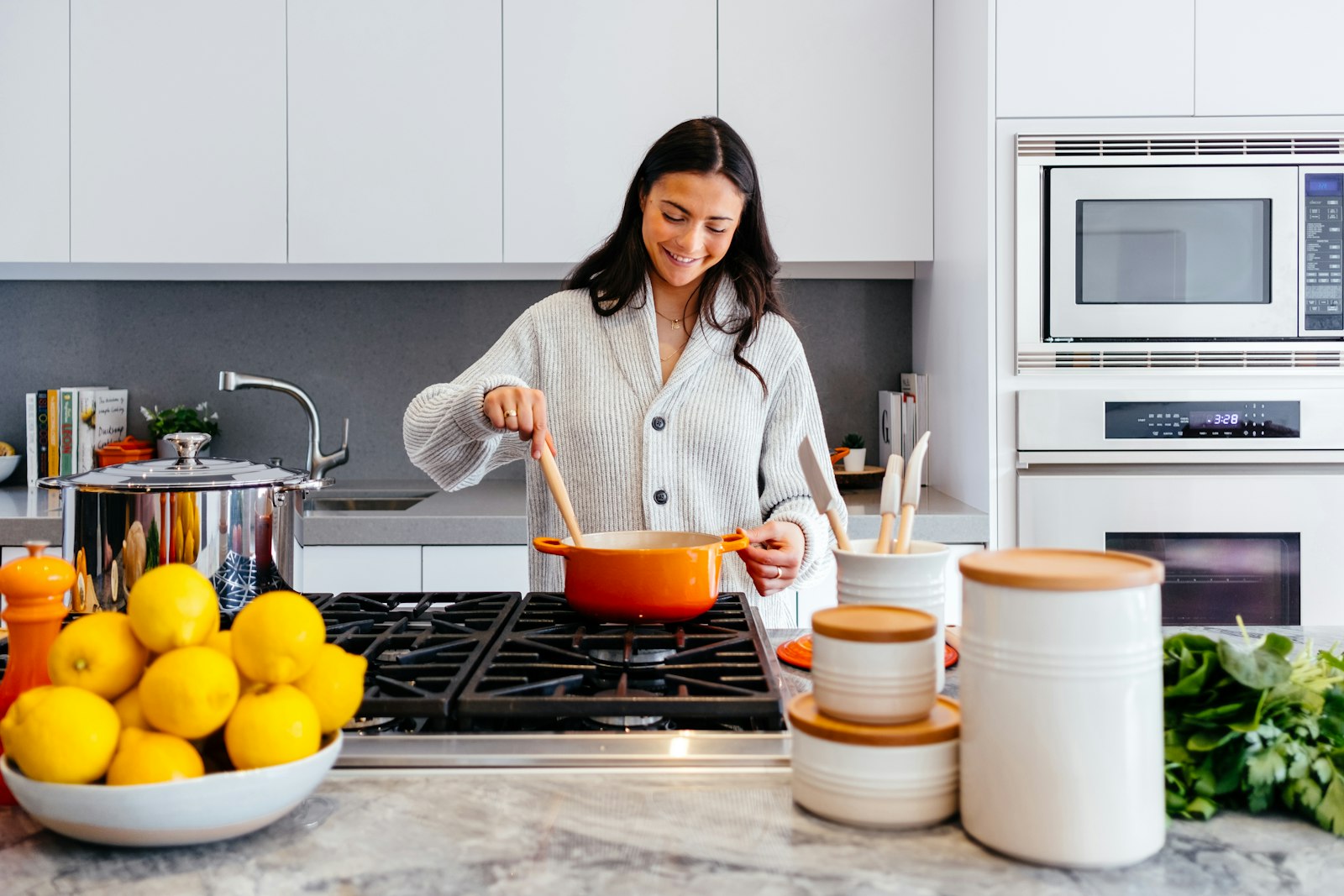
Weeknight Cooking Does Not Have to Hurry
After a long day, the kitchen can feel like another inbox waiting to be cleared before you can finally rest. But dinner does not need to be a race against the clock. A kitchen designed for slow cooking invites you to move through the evening with less pressure and more pleasure. The kitchen becomes a kinder place when it is set up for calm.
Slow cooking on weeknights is not about elaborate recipes or hours at the stove. It is about removing friction so chopping, stirring, and simmering become part of how you unwind. The right environment turns a task into a transition from work to rest and helps you reclaim the evening. A slower pace in the kitchen often leads to better meals.

Clear Counters, Clear Mind
A cluttered counter is a cluttered mind. Before you start cooking, clear the surfaces of mail, appliances you are not using, and anything that does not belong in the kitchen at all. A clean counter gives you space to work and space to think, which changes the entire cooking experience. The right tools make cooking feel less like a task and more like a ritual.
Keep only the tools and ingredients you need within reach for the meal ahead. When the visual noise drops, your focus shifts from managing chaos to enjoying the process. A clear kitchen is the first step toward a calm meal and a calmer evening overall. Good design removes the excuses we make for not cooking. A calm kitchen invites you to cook more often.
Tools You Actually Reach For
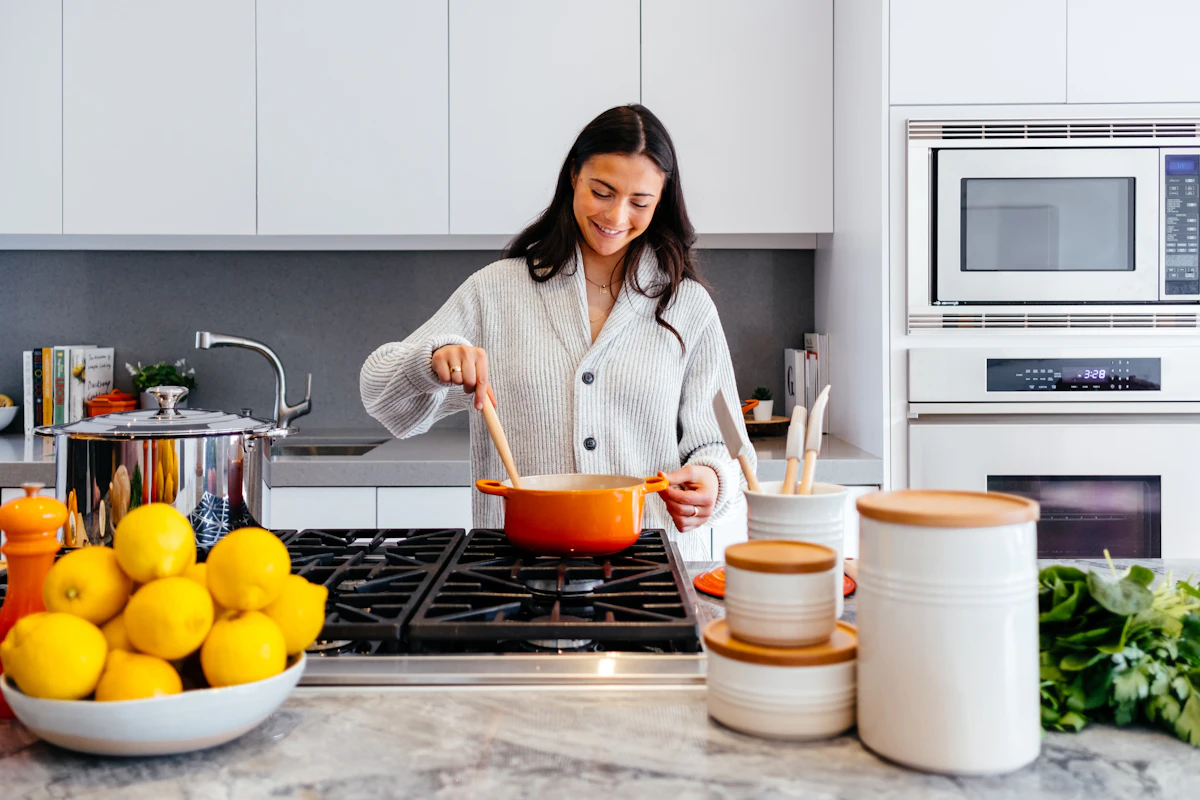
A slow-cooking kitchen keeps its best tools close at hand. One good chef knife, a heavy cutting board, a cast iron pan, and a few ceramic bowls are often enough for most weeknight meals. Quality reduces the need for quantity, and simplicity keeps the cooking process enjoyable. The senses guide the evening more than the clock does. Simplicity makes weeknight meals feel possible.
Store these favorites where you can grab them without opening three drawers or digging through clutter. The easier your tools are to reach, the more likely you are to cook something simple and satisfying instead of defaulting to takeout or a frozen dinner. Fewer choices can lead to more satisfying dinners. The right setup removes the stress from dinner. The difference is immediate.

A Spot to Chop and Think
Every kitchen needs a prep zone, a place where chopping happens without interruption or constant relocation. This might be a stretch of counter near the stove or a kitchen island where you can face the room while you work and still feel connected to family or your own thoughts. A peaceful kitchen sets the tone for the whole night. Cooking can become a way to slow down after work.
Good prep lighting helps your eyes and your mood. A small task light or under-cabinet glow makes the work easier and the space warmer. When prep feels pleasant, cooking no longer feels like a chore to rush through before collapsing on the sofa. Simple meals often taste better when the mood is right. Good tools make every step feel easier.

Let Scent Set the Pace
One of the joys of slow cooking is the aroma that fills the kitchen as ingredients transform. Garlic in oil, onions softening, herbs releasing into the air. These scents signal the body to relax and anticipate something good coming soon. Organization is the quiet ingredient behind every easy dinner. A tidy kitchen is the start of a peaceful evening. Cooking becomes a pleasure again.
Open the kitchen to the living area if you can, so the scent becomes part of the whole home. A slow-cooked meal creates atmosphere before it ever reaches the plate, turning dinner into a ritual everyone can feel rather than just a task to complete. When the kitchen feels good, the whole evening follows. Slow cooking is a mindset, not a schedule.
One Pot, Fewer Decisions
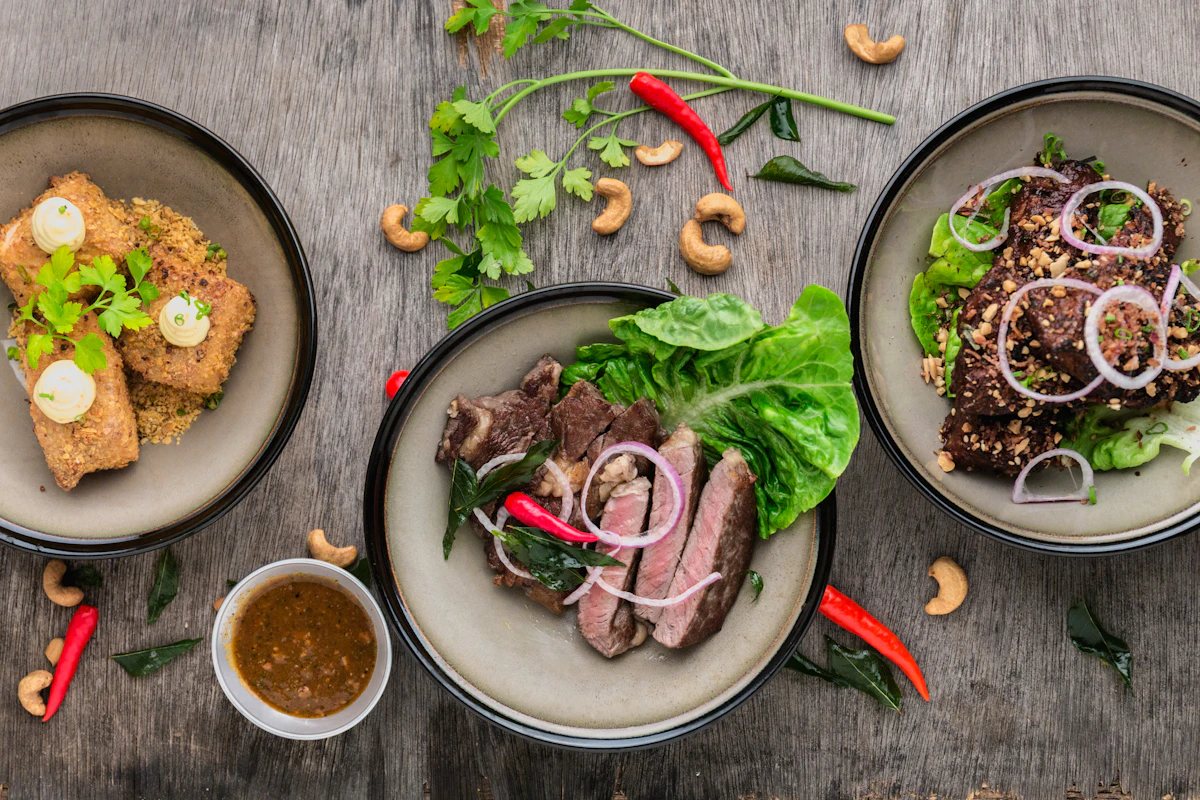
Decision fatigue is real after a busy day of choices and demands. The slow-cooking kitchen makes weeknights easier by leaning on simple methods. A single pot on the stove, a tray in the oven, or a Dutch oven with a tight lid can handle most dinners with minimal attention. The kitchen should feel like a place to arrive, not escape.
Fewer pots mean fewer decisions and less cleanup at the end of a long day. When the process is simple, you spend less energy managing the meal and more energy enjoying it with the people around the table. Simplicity becomes its own kind of luxury. Small rituals make cooking feel more human. Meals taste better too. That ease is what makes weeknight cooking sustainable.

Ending the Day in the Kitchen
The kitchen is often where the day finally slows down enough to notice. A few intentional habits, like lighting a candle, pouring a glass of water, or putting on quiet music, mark the transition from the workday to the evening at home. When the kitchen is calm, dinner becomes a pleasure. The evening slows down naturally. That ease is what makes weeknight cooking sustainable.
When the kitchen feels calm, cooking becomes a way to come back to yourself. Weeknights will always be busy, but they do not have to feel rushed. A slower kitchen helps you end the day on your own terms, one stir at a time. Less clutter means fewer decisions between you and the meal. This is the goal. That ease is what makes weeknight cooking sustainable.

Related reads
Frequently asked questions
How do I make weeknight cooking feel less rushed?
Clear the counters, keep essential tools within reach, and choose one-pot recipes. A calm setup makes the cooking process itself feel slower.
What tools do I need for a slow-cooking kitchen?
A good chef knife, a sturdy cutting board, a cast iron pan or Dutch oven, and a few ceramic bowls cover most weeknight meals.
Can slow cooking work on busy weeknights?
Yes. Slow cooking is more about mindset than time. Simple recipes with fewer steps can still feel intentional and relaxing.
How do I set a calmer mood in the kitchen?
Use warm task lighting, light a candle, play soft music, and keep surfaces tidy. Small sensory cues signal the body to slow down.