Start With the Light You Already Have
Natural light is the best office lighting when you can get it. Position your desk perpendicular to a window rather than directly facing or backing it. This gives you even daylight on your face and screen without harsh glare or silhouettes on video calls.
If your only window is behind your monitor, add a translucent shade or sheer curtain to diffuse it. Morning light from the east is gentle and energizing, while afternoon west light can be brutal in summer. A simple adjustable blind lets you control the intensity hour by hour.

Layer Three Types of Light
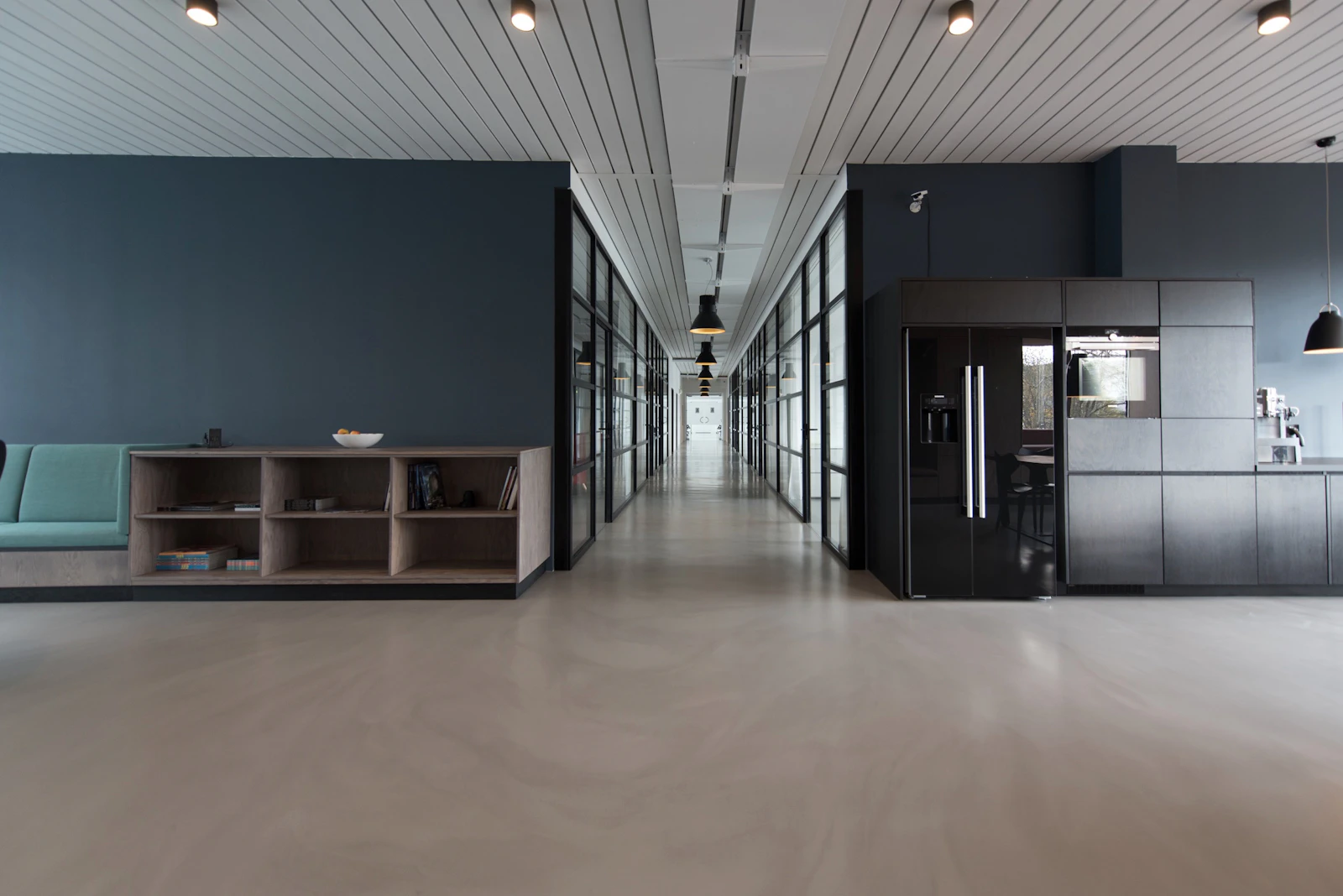
A well-lit office uses ambient, task, and accent lighting together. Ambient light fills the room from overhead or bounce sources. Task light focuses on your work surface. Accent light adds warmth and visual interest so the room does not feel like a clinic.
Overhead flush mounts or recessed lights often cast shadows because they sit directly above you. Pair them with a desk lamp to fill in the shadows on paperwork. Wall sconces or a floor lamp in a corner raise the ambient level without adding glare.
Choose a Desk Lamp That Does Real Work
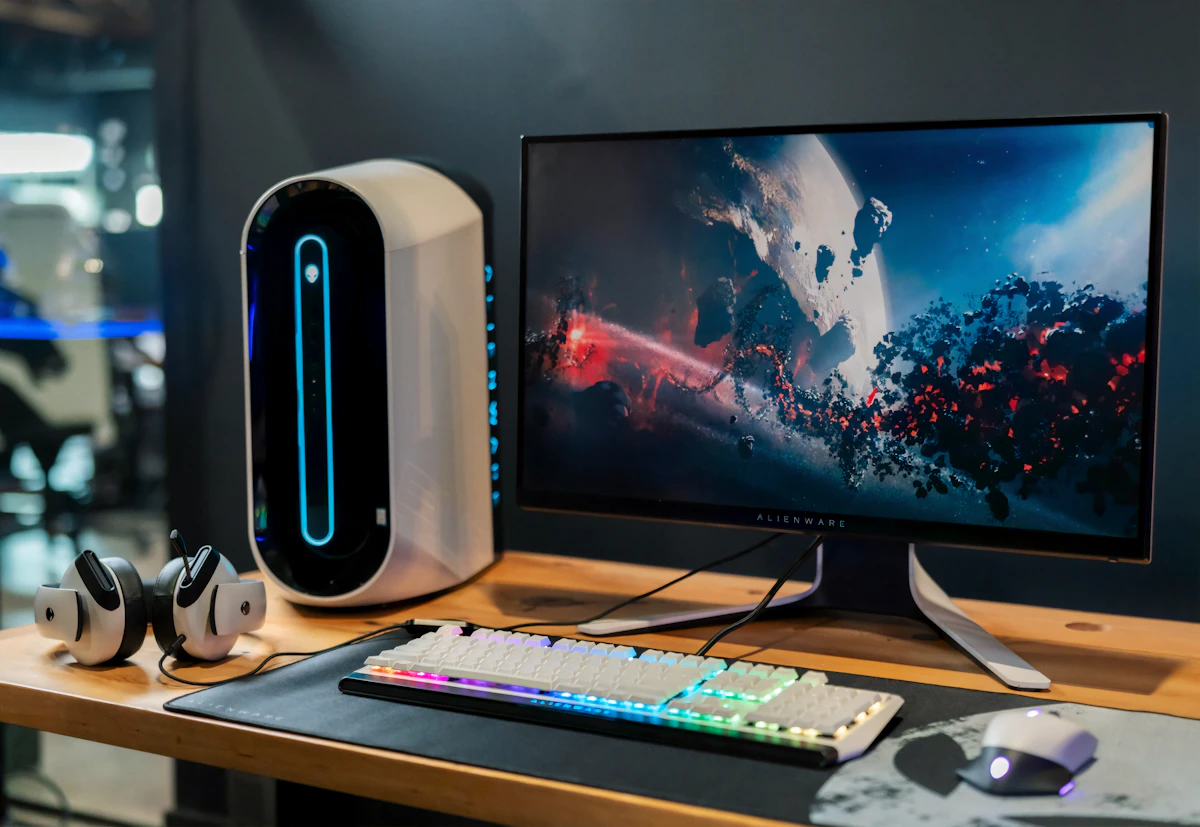
A good desk lamp has an adjustable arm, a focused beam, and a dimmer. Look for a color temperature around 4000K for daytime focus, and avoid lamps that throw light directly into your eyes. The shade should direct light downward onto documents and keyboard.
LED lamps with high color rendering help colors look accurate, which matters if you review designs or photos. Position the lamp on the opposite side of your dominant hand to prevent shadows while writing. A clamp lamp frees up valuable desk real estate.
Tame Screen Glare and Reflections
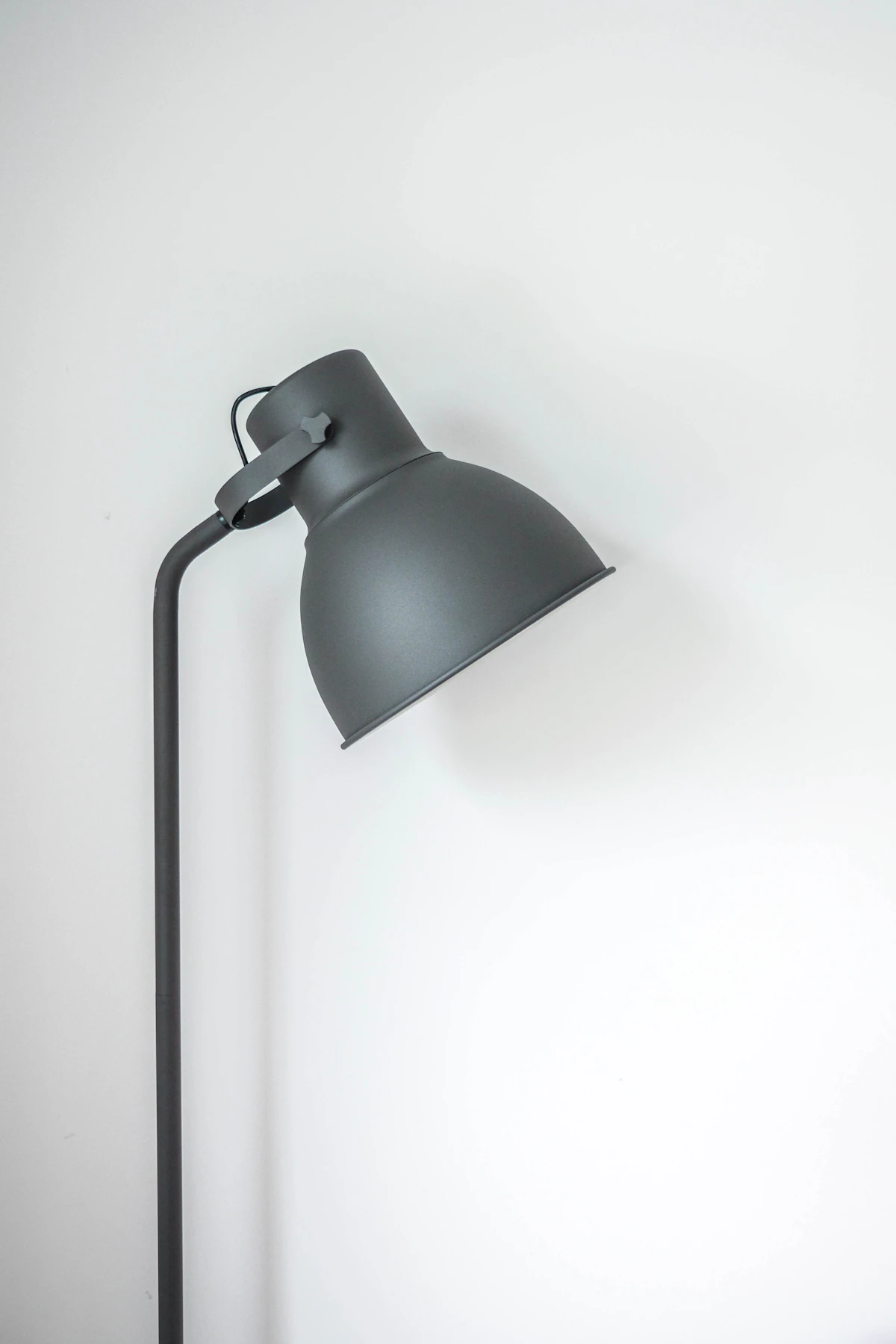
Eye strain usually comes from contrast, not brightness. If your screen is much brighter than the wall behind it, your eyes work overtime. Balance the background wall light to roughly match your monitor brightness.
A monitor light bar casts light on the desk without creating screen reflections. Bias lighting behind the monitor reduces the contrast between screen and wall. Matte screens and anti-glare films also help if you sit near bright windows.

Use Warm Light to Wind Down
Cool white light keeps you alert during the day, but it works against you in the evening. Install bulbs with adjustable color temperature or use smart bulbs that shift warmer after sunset. This protects your sleep and signals your brain that the workday is closing.
A small table lamp with a warm bulb on a side table softens the room for late emails. Avoid bright blue ceiling lights after dinner. The goal is a space that energizes at nine in the morning and calms at seven at night.
Light Your Video Calls From the Front
Bad lighting on Zoom calls makes you look tired even when you are not. A soft light source in front of you, slightly above eye level, evens out shadows and gives your face dimension. A ring light or a desk lamp bounced off a white wall both work.
Avoid sitting with a window behind you unless you add a front light. A bare overhead fixture creates harsh shadows under your eyes. A simple adjustable video light on a small tripod is worth the desk space if you meet daily.

Add Personality With Fixtures You Like
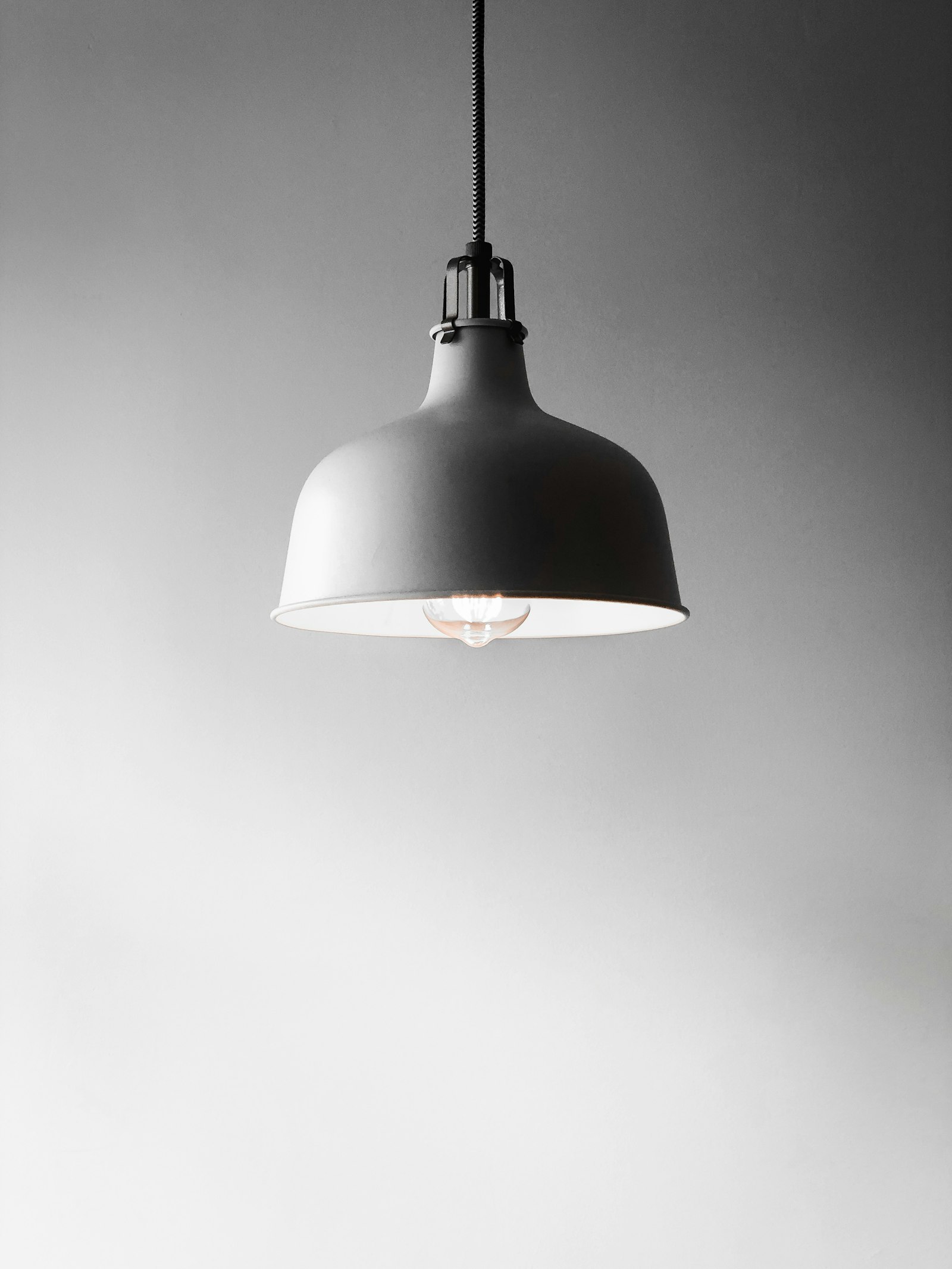
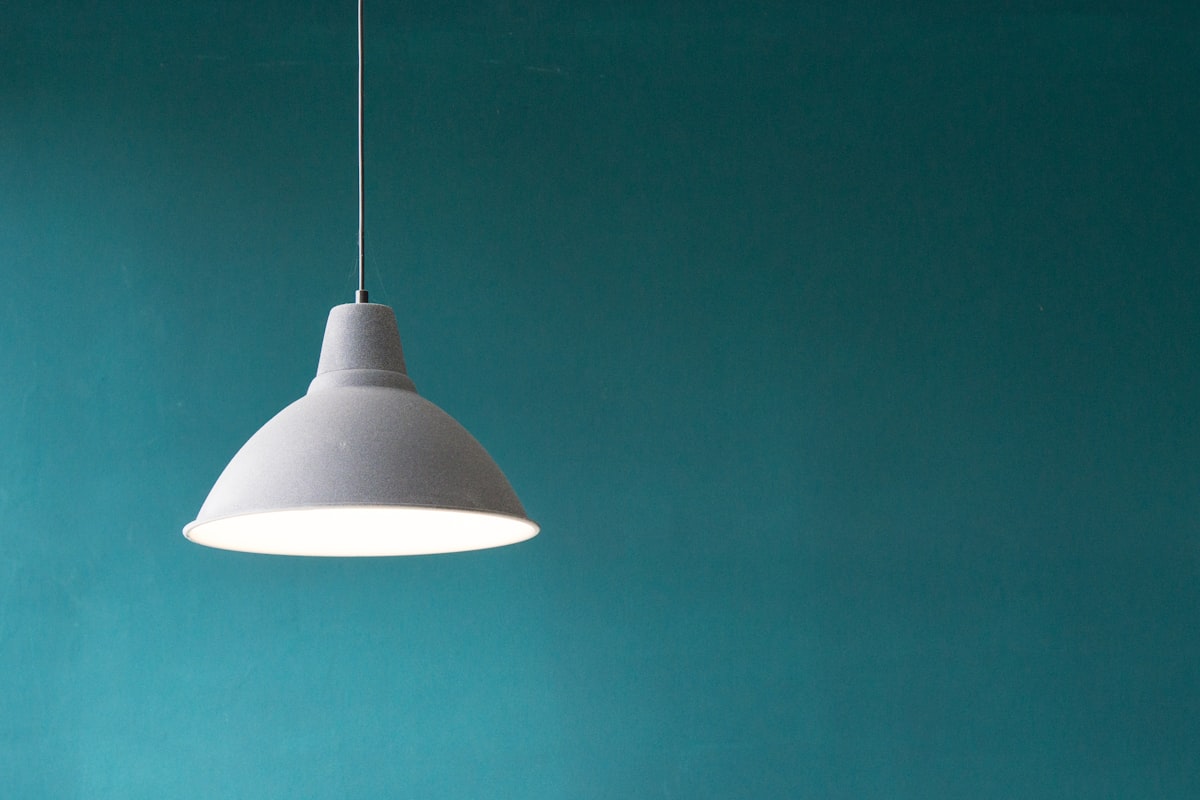
Home office lighting does not have to be utilitarian. A sculptural pendant, a vintage brass desk lamp, or a paper shade adds character that makes the room feel less like borrowed corporate space. Choose fixtures that fit your style and the rest of your home.
Mix finishes carefully. Black metal, warm brass, and natural wood all work if the overall palette feels intentional. The light fixtures in your office are objects you see for hours every day. They should be pleasant to look at even when they are off.
Related reads
- Home Office Desk Ideas: Choose a Workspace for Your Flow
- Home Office Makeover Ideas: Build a Workspace You Will Use
- Natural Wood Home Office Ideas for Calm Focus
- Soft Light Ideas: Make Your Home Feel Calm at Night
- Standing Desk Setup: Build an Ergonomic Workstation at Home
- Layered Lighting for Real Life
Frequently asked questions
What color temperature is best for a home office?
Use cool white around 4000K for daytime focus and warmer light around 2700K in the evening.
How do I reduce glare on my computer screen?
Position lights to the side, add bias lighting behind the monitor, and balance wall brightness with screen brightness.
Is a ring light or desk lamp better for video calls?
Both work if placed in front of you at eye level; a ring light is more even, while a bounced desk lamp looks softer.
Where should I place my desk relative to a window?
Place the desk perpendicular to the window for even daylight without direct glare on your screen.