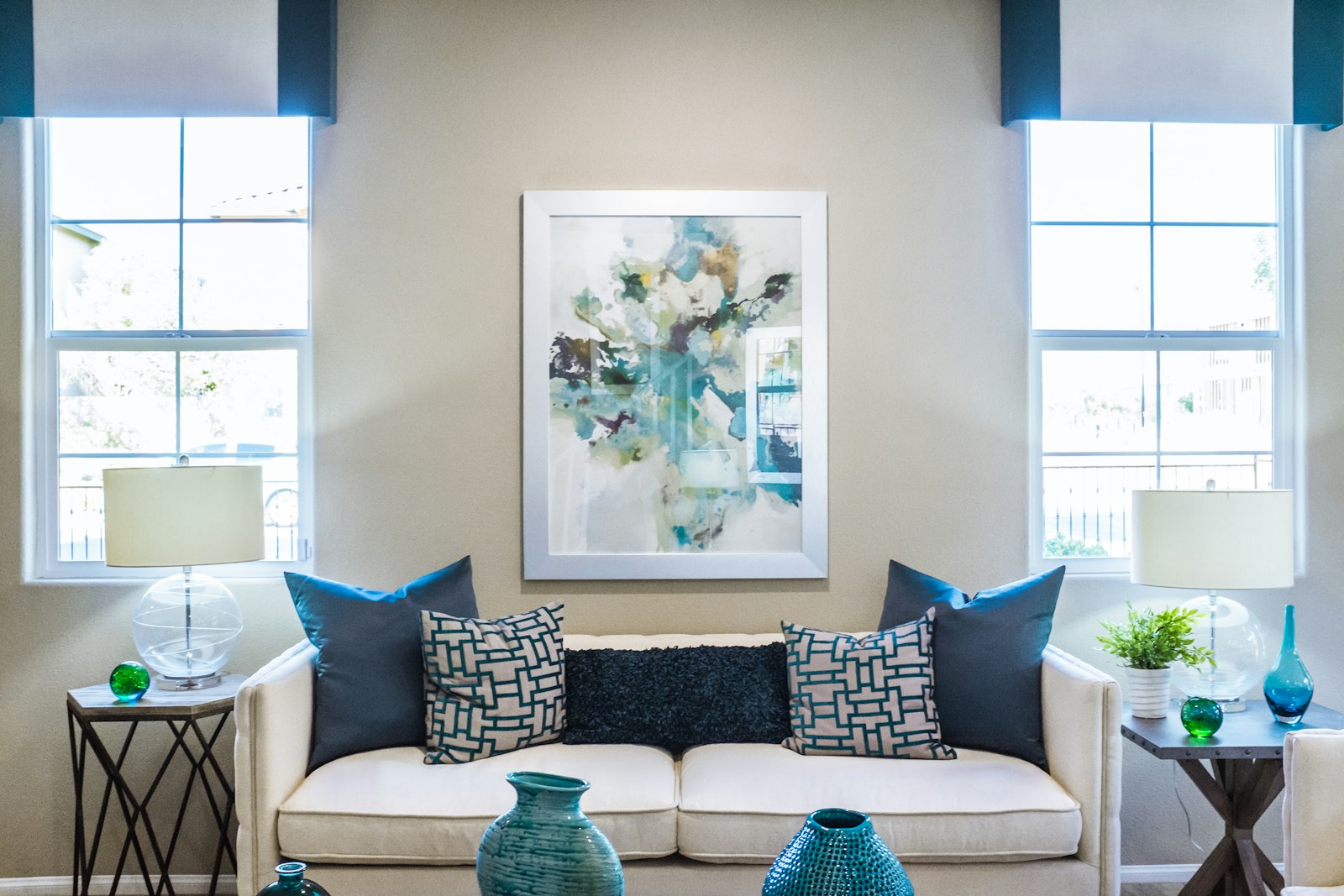
The first thirty seconds matter
The moment you open the door, your entryway sends a message. If it is crowded, dim, and cluttered, your brain registers unfinished tasks before you have even set down your bag. The stress begins before you have taken off your coat.
A gentle entryway does the opposite. It tells you that the outside world ends here and something softer begins. That small shift can change the entire rhythm of your evening and help you actually arrive home.

Visible order beats hidden chaos
A full-wall cabinet may hide mess, but it can also make the entrance feel like a storage unit. What works better is a simple system where every item has a clear, easy home. When things are visible but organized, the mind relaxes.
When keys, shoes, and bags each have a designated spot, the space stays calm without constant effort. You do not need more storage. You need the right kind of storage, placed where your habits already want to go.

A place to sit changes everything
Putting on or taking off shoes while balancing against a wall is undignified. A small bench or stool gives you a place to land the moment you walk in. It turns the entry from a task into a transition.
It does not need to be large. Even a narrow ledge or a single vintage stool will do. The point is to slow the transition from standing to settling, and to remind yourself that you are allowed to pause.

Warm light, warm welcome
Entryway lighting should never feel like a spotlight. A bright overhead fixture can make the space feel clinical and unwelcoming, especially at night. You want to feel embraced, not inspected.
Instead, choose a small sconce, a table lamp, or a pendant with a warm bulb. The light should be soft enough that you exhale when you see it. A warm glow tells your body it is safe to relax.
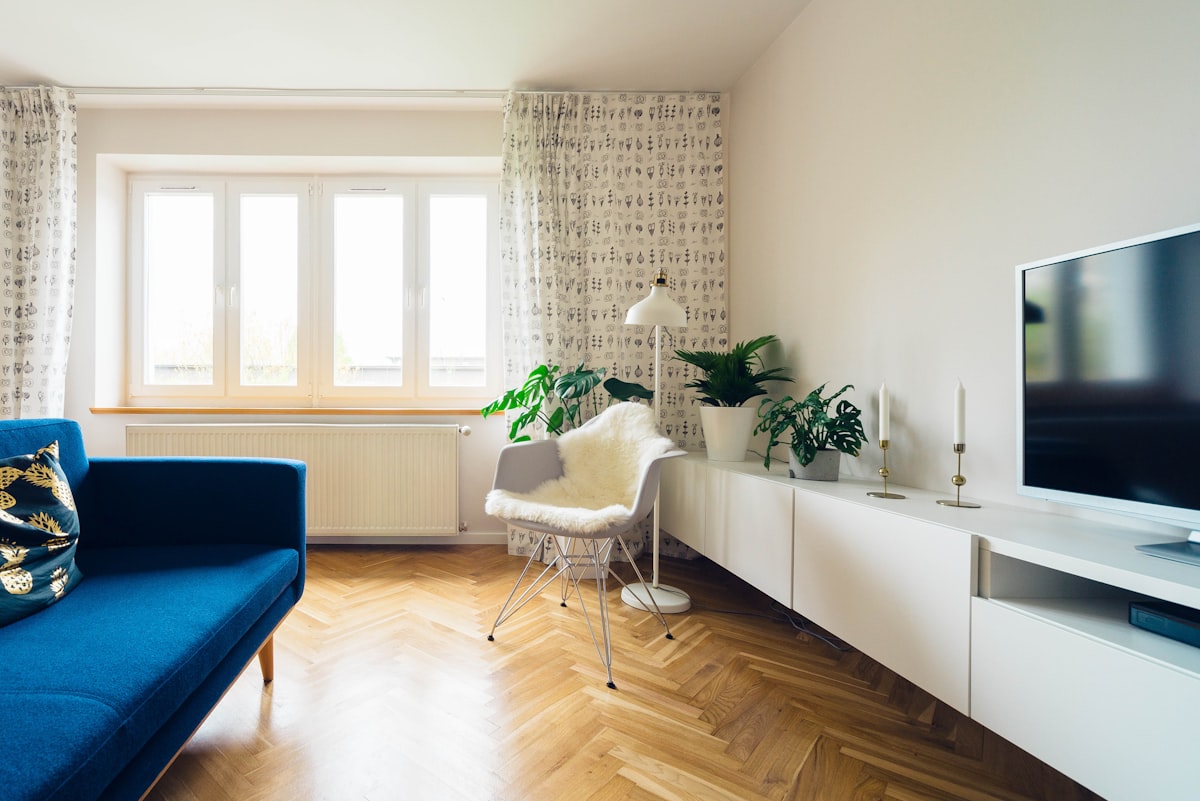
Create a small drop zone
Keys, mail, headphones, and sunglasses need a landing pad. Without one, they migrate to the kitchen table and turn every surface into a catch-all. A few well-placed hooks or a small tray can prevent that drift.
A simple tray, a small dish, or a few hooks by the door can solve the problem elegantly. The trick is keeping the zone small so it cannot become a dumping ground. Containment is the secret.
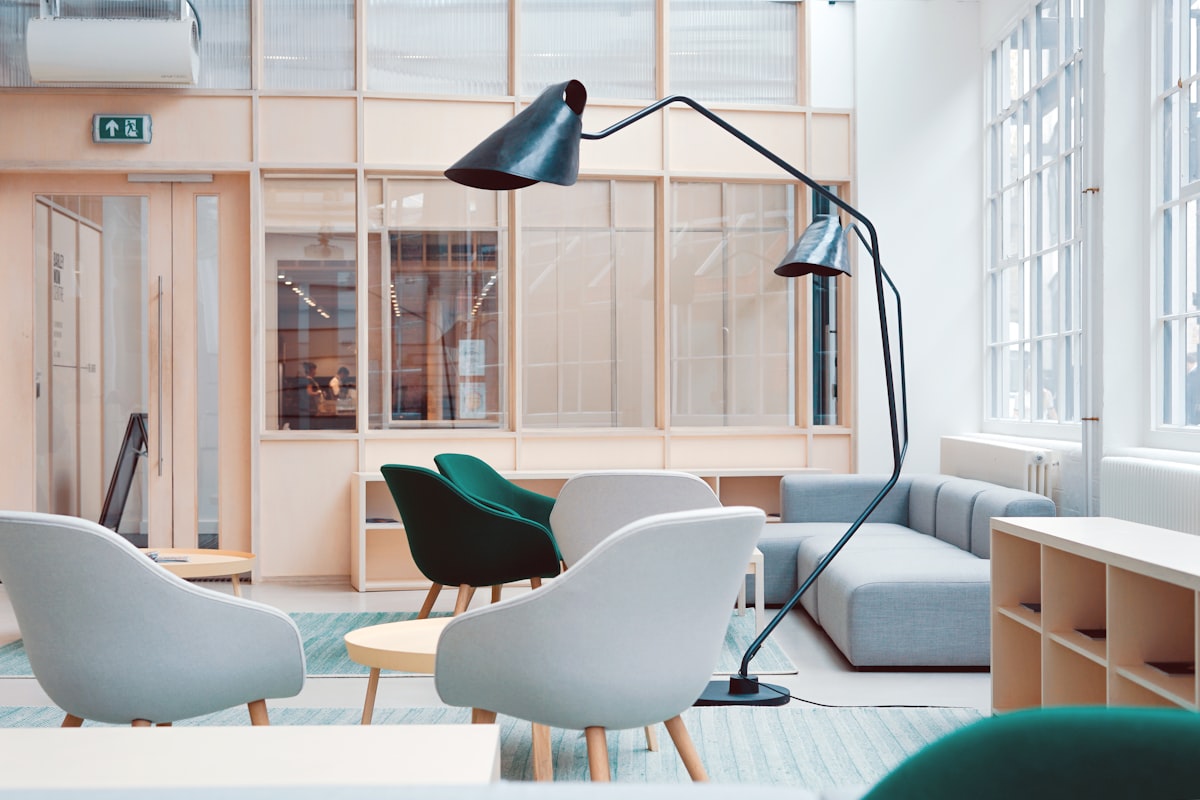
Add a personal greeting
A single piece of art, a small plant, or a favorite object can make the entryway feel intentional. It does not need to be elaborate. One good thing is enough to signal that someone lives here with care.
This is the first thing guests see and the first thing you see when you come home. Choose something that makes you pause, even for a second, and smile. That small joy is worth the effort.

Keep it alive with a quick ritual
Even the best entryway design will fail if no one uses it. Build a two-minute habit: shoes in their spot, keys in the tray, bag hung up. That is all it takes to keep the calm alive.
When everyone in the home follows the same small ritual, the entryway stays welcoming without constant reorganizing. It becomes a shared threshold that protects the rest of the house from the chaos of the outside world.

Related reads
Frequently asked questions
What are the essentials of a cozy entryway?
A place to sit, a warm light source, and a small drop zone for keys and everyday items. These three things make the arrival experience feel intentional.
How do I keep a small entryway from feeling cluttered?
Limit storage to what you actually use daily and give every item a fixed home. Edit regularly so the space never becomes a catch-all.
What kind of lighting works best in an entryway?
Soft, warm light from a sconce, table lamp, or pendant. Avoid harsh overhead lighting that makes the space feel like a corridor.
Can a tiny apartment have a real entryway?
Yes. Even a narrow ledge, a hook, and a small rug can create the feeling of an entry zone. Intention matters more than square footage.