Start With the Chair, Not the Photo
A reading nook begins with a chair you actually want to sit in, not the one that photographs best. Not the one that looks best on social media, but the one that supports your back, fits your legs, and feels right with a blanket on a slow afternoon. Real comfort is more photogenic than any styled corner. A reading corner should feel like a gentle pause in the day.
The chair sets the tone for everything else. If it is comfortable, the nook will be used. If it is only pretty, it becomes part of the background. Choose comfort first, and let the styling follow naturally rather than leading the decision. A lived-in nook tells a better story than a perfect one. The best nooks are the ones you return to again and again.

A Place for Your Current Book
A real reading corner has signs of life. A bookmark peeking from a paperback, a stack of half-finished books, or a notebook where thoughts collect. These small messes prove the space is being used and loved rather than kept pristine for show. Reading light is the difference between a nook and a decoration. Comfort matters more than how the space photographs.
Keep a small surface nearby for whatever you are reading now. A side table with a lower shelf or a narrow ledge gives books a home without requiring perfect arrangement. The best nooks feel a little lived-in, not freshly styled for a photo shoot. The best table is the one that holds your actual life. A real reading spot has signs of daily use.

Light for Reading, Not Just Atmosphere
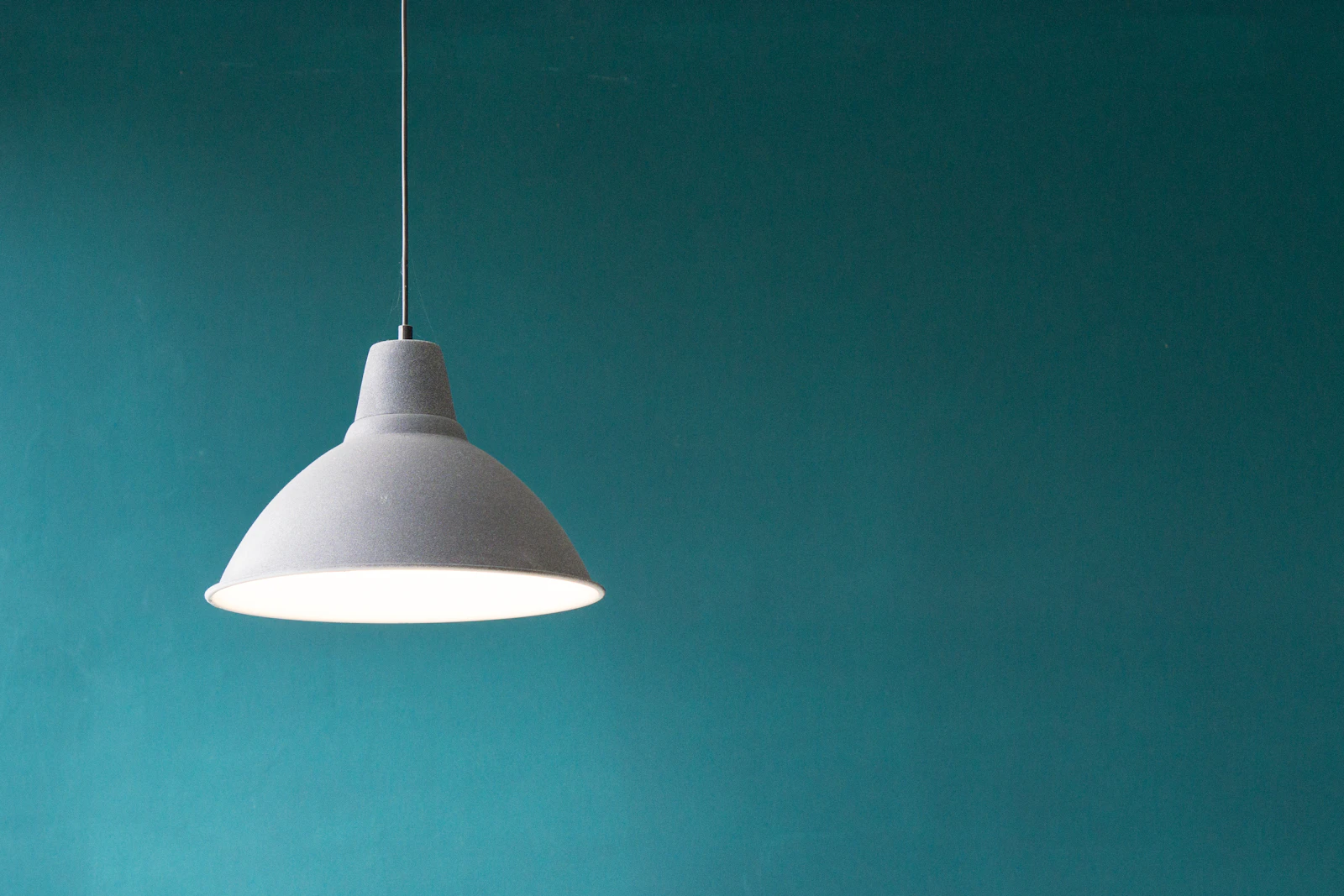
Atmospheric lighting is wonderful, but a reading nook also needs focused light for your eyes. A floor lamp or adjustable sconce that casts directly onto the page will save your eyes and extend your reading time into the evening without strain. Perfection is the enemy of cozy. Good light makes the difference between browsing and reading. That is the goal.
Place the light slightly behind or beside your shoulder so it falls across the book, not into your eyes. The right lamp turns the nook into a place you can stay for an hour, not just a moment of pretty ambiance. Texture invites you to stay longer. A table should hold your tea, not just your styling props. It is meant for real life.

Add a Table That Holds Real Life
A reading nook table is not a display stand. It holds your mug, your glasses, your phone, and the remote you swore you would not need. Choose a surface sturdy enough for real use and sized for the corner it occupies. A good reading corner feels like a gentle reminder to slow down. Texture is what makes a nook feel inviting.
A simple wooden side table or a small stool works beautifully. Leave it mostly clear so there is always room for the cup of tea that turns reading into a ritual. Function matters more than styling in a nook that gets daily use. The best nooks are the ones you use without thinking. A little mess is proof the space is loved.

Let It Get a Little Messy
A staged nook never moves. The same throw is folded the same way forever. A real nook shifts with your mood. The blanket falls, the pillow slides, the book stays open on the armrest, and that is exactly how it should be. Comfort should always win over styling. Reading nooks should feel personal, not performative. Use matters more than appearance.
These signs of use are what make the space feel yours. Do not over-style it. A reading nook should invite you in, not intimidate you with its perfection. Comfort lives in the imperfect details that show someone actually lives there. A reading nook is finished when it feels like yours. The right chair turns a corner into a destination. Comfort is the whole point.

Warmth Over Perfection
Texture matters more than polish in a reading nook. A soft throw, a worn cushion, a rug underfoot, and curtains that soften the window all make the corner feel like a place to linger rather than a display to admire from a distance. A nook is finished when it feels like part of your routine. It should feel like yours.
Layer textiles in materials you want to touch. Linen, wool, cotton, and velvet each bring their own warmth. The goal is not a magazine spread. It is a corner that wraps around you and makes you want to stay awhile. Books, blankets, and cups are the real decor. Personal touches make it real. That personal quality is what makes it worth returning to.

The Nook You Actually Visit
The ultimate test of a reading nook is whether you use it. If you walk past it every day, something is off. Maybe the light is wrong, the chair is stiff, or the location feels isolated from the rest of the house and daily life. A lived-in nook has more warmth than any styled scene. A lived-in nook is a happy nook.
Adjust until the nook becomes your default spot without any effort. Move the chair closer to the window, swap the lamp, add a footrest, or change the angle of the light. A reading nook is finished when you reach for it without thinking, when it feels as natural as pouring a morning cup of tea. That is the whole point of having one.
Related reads
Frequently asked questions
How do I make a reading nook feel real and not staged?
Start with a comfortable chair, add practical light, and allow small signs of use like books, a blanket, and a mug. Comfort comes before styling.
What kind of lighting does a reading nook need?
A floor lamp or adjustable sconce that casts focused light onto the page. Avoid relying only on ambient or overhead lighting.
Can a reading nook work in a small space?
Yes. A single chair, a small side table, and a good lamp are enough. A corner by a window or beside a bookshelf works beautifully.
How do I keep a reading nook cozy but not cluttered?
Limit it to a few essentials: a comfortable chair, a small table, a lamp, a throw, and one or two books. Let it evolve with what you are currently reading.