Minimalism gets criticized because it became too cold
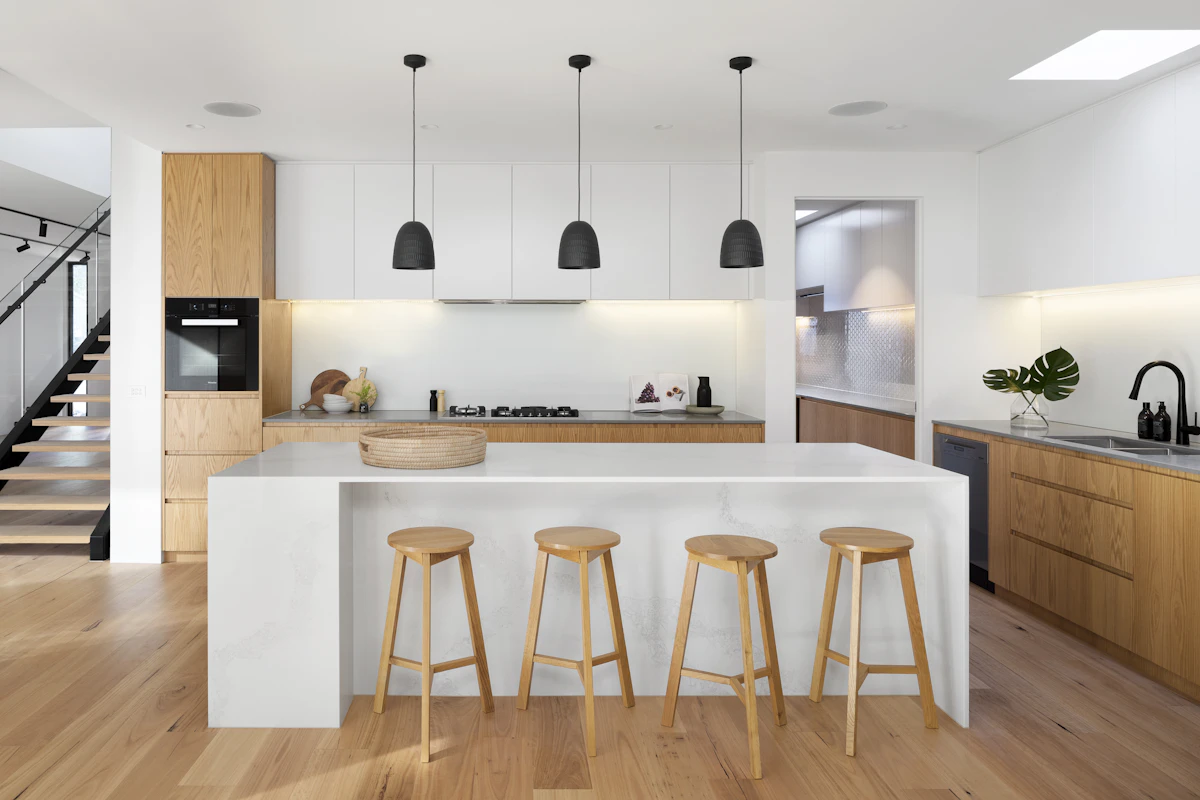
Early minimalism pursued pure white, empty walls, and no trace of life. It looked sophisticated but lived like a showroom. So warm minimalism appeared: it keeps the order of minimalism but uses materials, light, and scale to pull people back in.

Six dimensions form a warm minimalist living room
Grounded (feeling) + brewing tea (ritual) + early evening (time) + open kitchen (space) + warm minimalism (aesthetic) + terracotta, wool, amber light (senses).
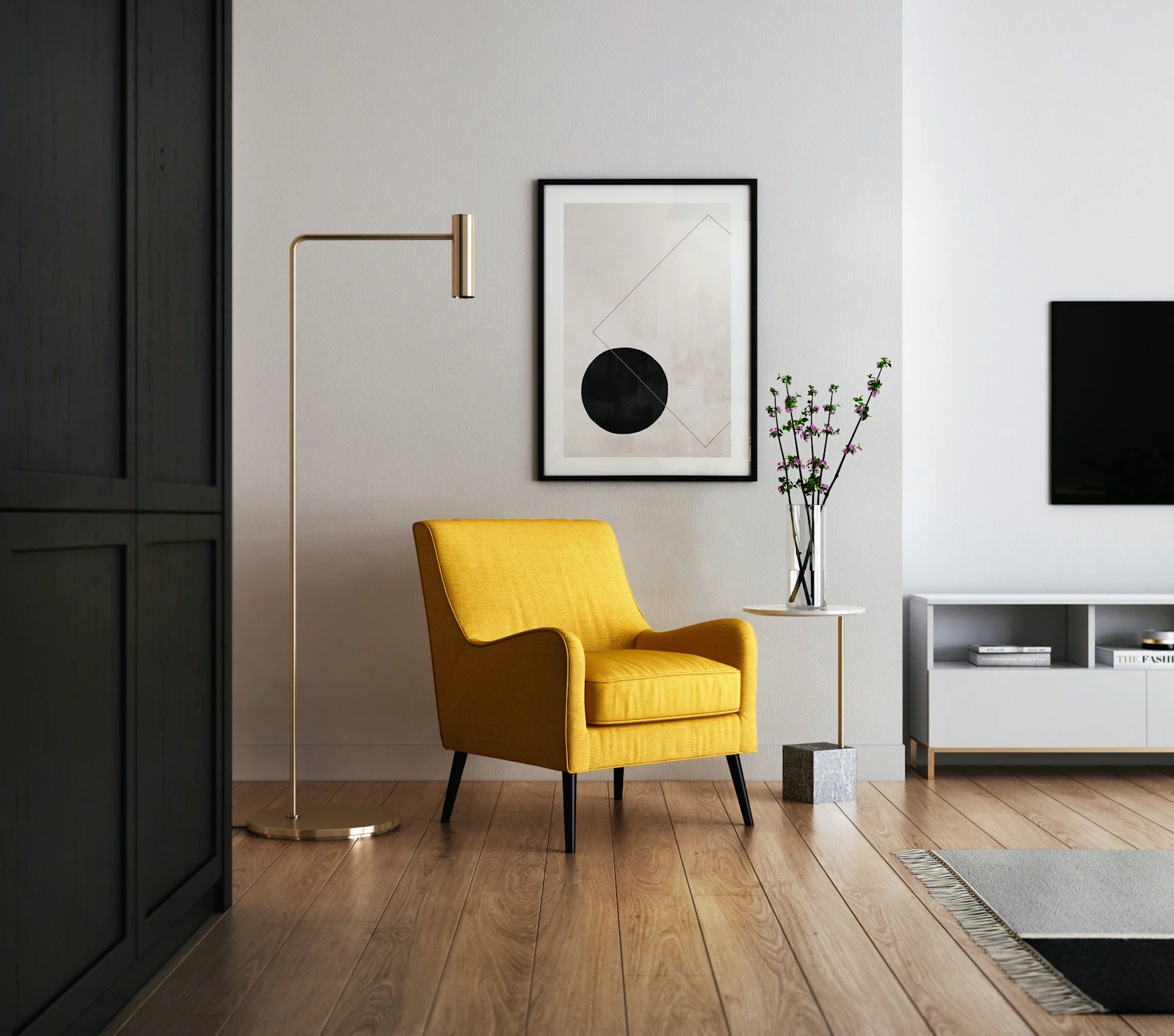
The core of this combination isn't 'less'; it's that every remaining thing must respond to a concrete life need: this sofa should be good for lounging, this cup should feel right in hand, this lamp should give just the right light in the evening.
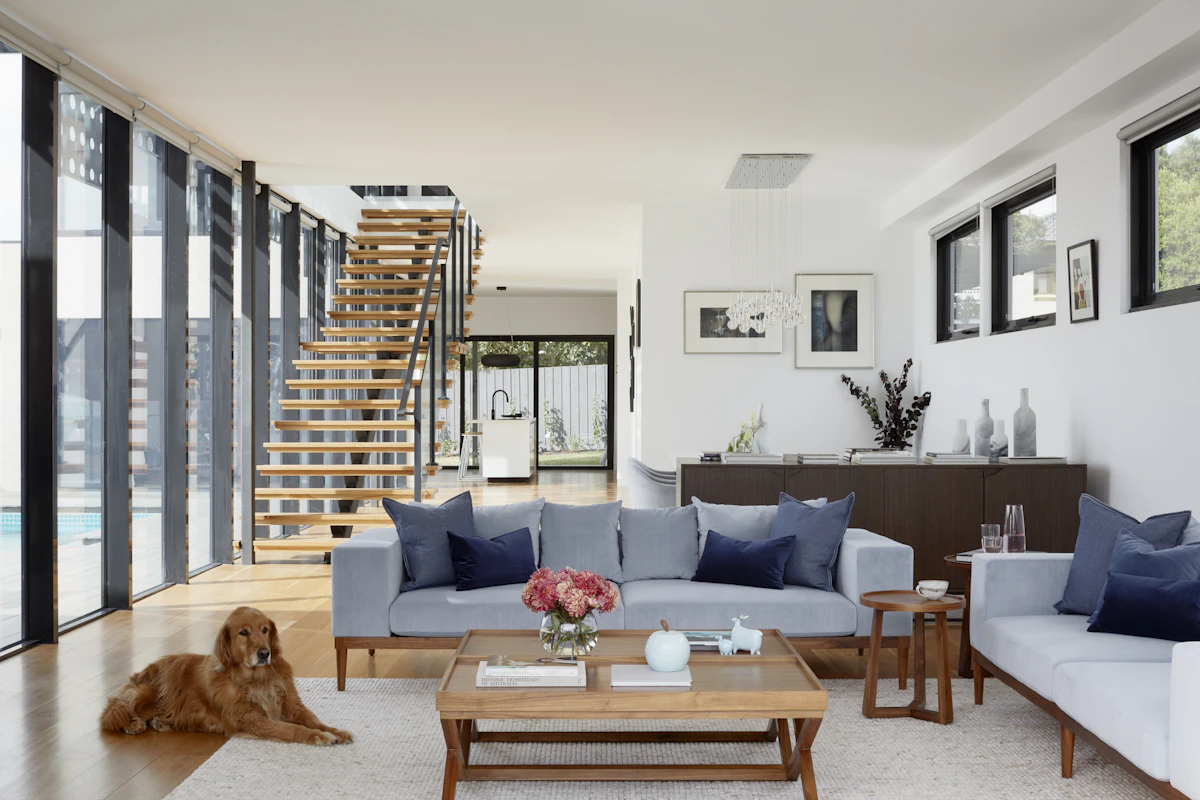
Counter-intuitive conclusion: in a warm minimalist home, the most expensive thing is 'empty space'
When objects are few, every single thing is magnified. A cheap rug, low-quality particleboard, or plastic-feeling lamps stand out painfully in a warm minimalist space.
So the true cost of this style isn't how many things you buy, but how much you're willing to pay for 'the few things that remain.'

How to decide whether something should stay
Don't ask 'is it useful?' Ask 'does it bring me closer to the life I want to live?'
An item used every day but frustrating to use should be replaced; something used only occasionally but makes you happy every time you see it is worth keeping. The decision standard of warm minimalism is relationship, not frequency.
The cost of decorating and furnishing
The easiest pitfall of warm minimalism is throwing away too much early on to 'look minimalist,' then having to buy things back later. Many people throw out an old sofa only to find the new one uncomfortable, and end up buying a more expensive one.
Another cost is time. Finding the few things that suit you is much slower than buying a lot. You need trial and error, returns, and repeated layout adjustments.
But the biggest cost may be that you first have to figure out what kind of life you truly want. Warm minimalism isn't a decorating style; it's a statement of how you live.