Introduction to First Apartment Essentials: What You Actually Need to Buy
Moving into your first apartment can be overwhelming. Focus on the essentials that make daily life easier without overspending. Whether you are starting fresh or refreshing one corner, the best results come from looking at the room from several angles at once.
This guide covers ideas across budget, layout, style, materials, and daily use. You do not need to follow every suggestion; pick the ones that fit your space and routine.
By the end, you will know how to balance comfort, function, and personality without making the room feel crowded or overdone.
Build a Cohesive Color Palette
Start with one neutral that covers 60 percent of the room. This creates a calm background for everything else.
Choose a secondary color for 30 percent of surfaces, such as upholstery, curtains, or an accent wall.
Use the boldest color in small doses on pillows, art, or accessories. The 10 percent accent keeps the palette interesting.
Test colors in the actual room at different times of day. Morning and evening light change how a color reads.

Mix Textures Without Chaos
Every room needs a mix of soft, hard, smooth, and rough textures. Without contrast, the space feels flat.
Pair opposites intentionally. A sleek leather sofa with a chunky knit throw feels balanced, not busy.
Limit busy patterns to one or two per room. Let textures do the heavy lifting in the rest of the space.
Natural materials like wood, stone, linen, and wool add warmth and make a room feel grounded.

Budget Breakdown: Splurge vs Save
Invest in the items you touch or use daily. In a first apartment essentials, that usually means the main surface, seating, or storage system.
Look for savings on accessories, decor, and trendy items. These are easy to replace later as your style evolves.
Secondhand and vintage pieces often cost less and add character. A fresh coat of paint or new hardware can transform them.
Prioritize one statement piece rather than buying many cheap items. One well-made focal point elevates the whole room.

Common Mistakes to Avoid
Buying furniture without measuring is the most expensive mistake. A piece that is too large blocks flow; one too small looks lost.
Ignoring scale and proportion makes even beautiful pieces feel wrong. A tiny rug under a large sofa is a classic example.
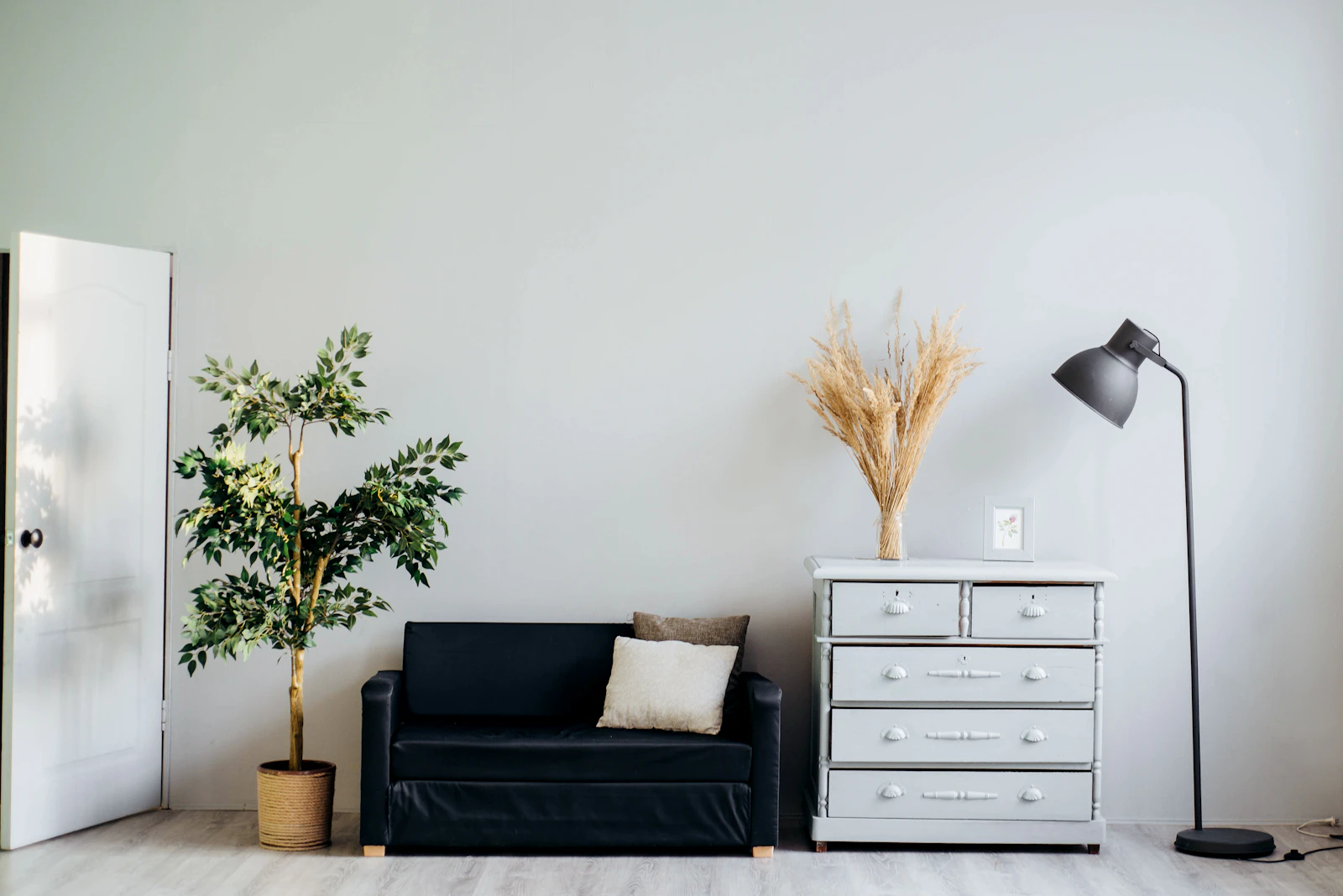
Copying a photo exactly rarely works. Your light, ceiling height, and lifestyle are different from the room in the image.
Adding too many items too fast. Live with the basics first, then add personality in layers over time.

Where to Start This Weekend
Pick the biggest pain point first. The area that frustrates you daily is where small changes will feel most rewarding.
Clear everything out that does not belong. A clean surface makes it easier to see what the room actually needs.
Make one anchor decision: a paint color, a rug, or a key piece of furniture. Everything else can follow that choice.
Set a firm budget and timeline. Scope creep is real; finishing one defined project feels better than starting three.

FAQ
Q: How do I start with first apartment essentials? A: Choose one anchor decision, such as layout, color, or budget, then build the rest of the room around it.
Q: What is the most cost-effective upgrade? A: Lighting and textiles usually give the biggest visual change for the smallest budget.
Q: How do I keep the room from feeling cluttered? A: Leave empty space on every surface, store items behind closed doors when possible, and edit decor regularly.
Related reads
- Slow Living Habits: Small Daily Rituals for a Calmer Home
- A Slow Weekend: How to Rest Without Leaving Home
- Weekend Morning Routine: Start Saturday Calm and Unhurried
- Workout Room Ideas That Fit Real Life
- Home Library Ideas: Build a Reading Space You Will Use
- Reading Nook Ideas: Create a Small Corner for Big Relaxation
Frequently asked questions
How do I start with first apartment essentials?
Choose one anchor decision, such as layout, color, or budget, then build the rest of the room around it.
What is the most cost-effective upgrade?
Lighting and textiles usually give the biggest visual change for the smallest budget.
How do I keep the room from feeling cluttered?
Leave empty space on every surface, store items behind closed doors when possible, and edit decor regularly.