Design Around One Calm Palette
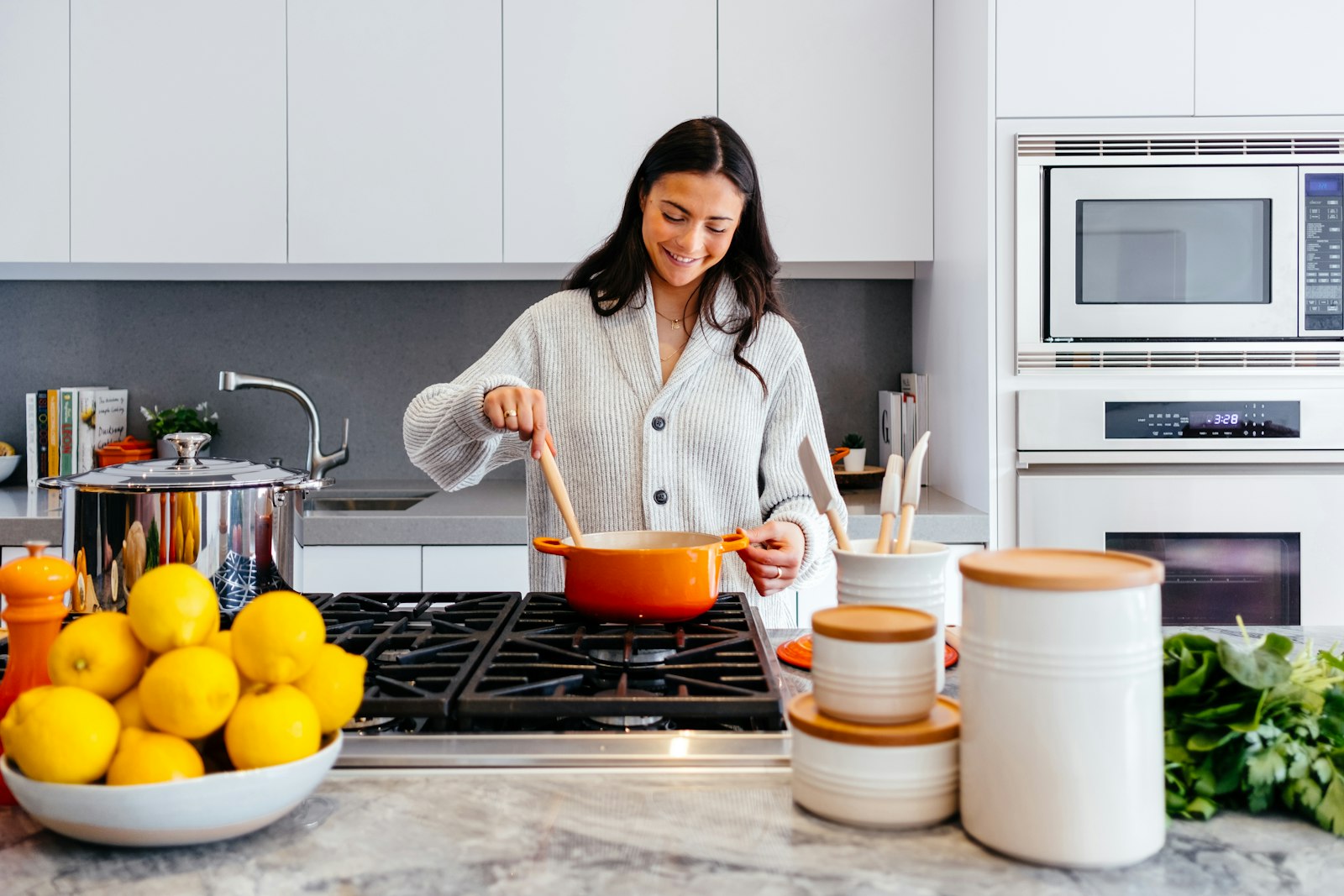
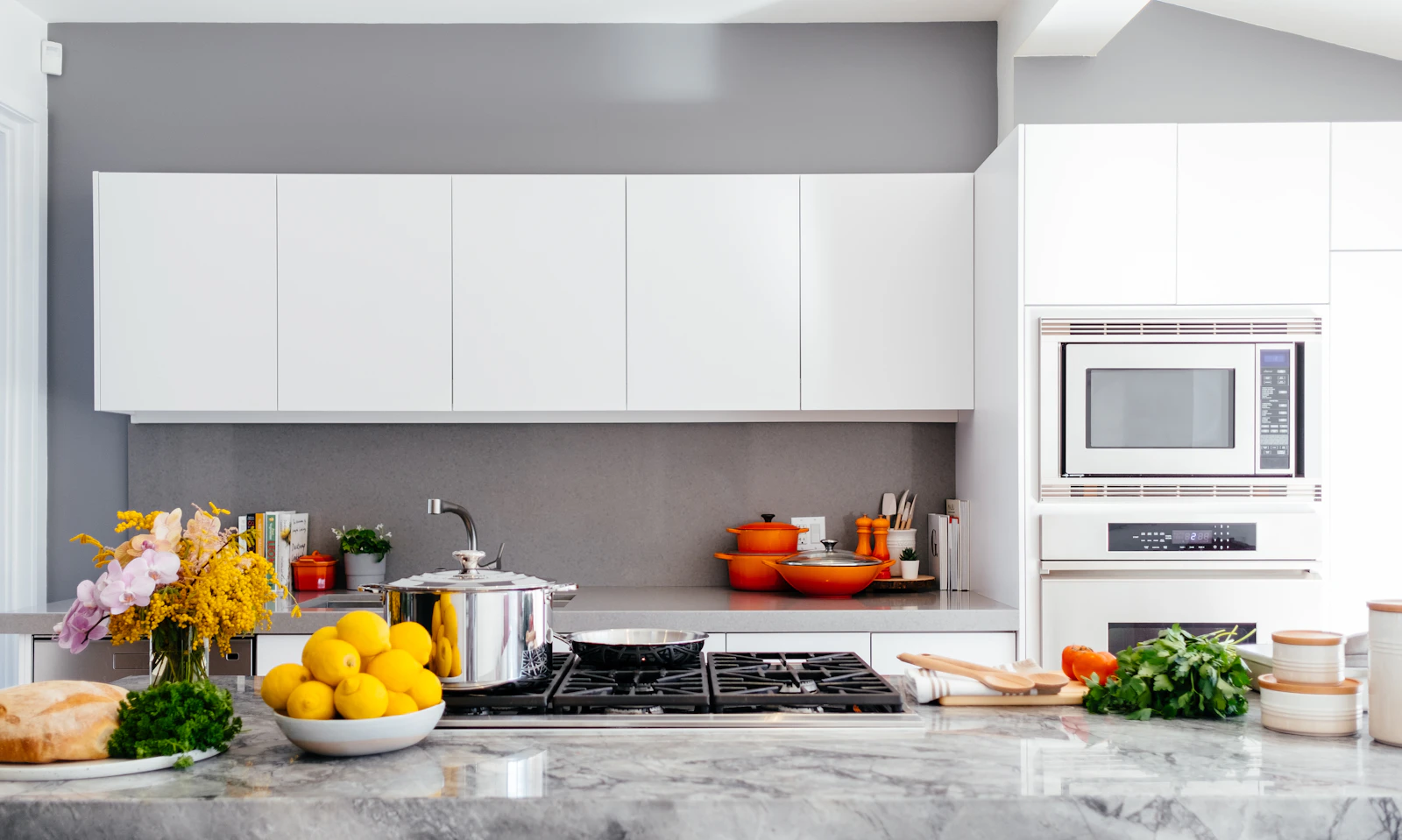
A Japandi kitchen usually rests on two or three quiet colors that feel like a single breath. Pair warm white cabinetry with pale oak shelving and a soft grey countertop so the palette stays grounded. The colors should support the materials, not compete with them. Avoid high-contrast schemes that make the room feel busy or dated. A calm palette also makes small kitchens feel larger and more intentional.
If you rent, use peel-and-stick tile in a muted tone and swap cabinet hardware for matte black pulls. In owned homes, painted cabinets in a warm greige can give you the same softness without a full renovation. Keep the backsplash simple; a handmade tile in a single shade adds texture without pattern. Small changes to the palette can shift the whole mood.

Let Cabinetry Disappear
Handle-less cabinets and integrated appliances keep the kitchen looking like a calm wooden box rather than a machine showroom. Flat-panel doors in a matte finish hide fingerprints and reflect less light, which helps the room feel settled. Choose hardware that is recessed or integrated so nothing interrupts the flat planes. The goal is visual rest. Push appliances behind cabinet panels so the room reads as a single material.
For a quick update, remove upper cabinets on one wall and replace them with floating shelves. This opens the room visually and gives you a place to display only your most beautiful dishes and glassware. Keep the shelves spare; a stack of cream plates and one ceramic pitcher is enough. Excess clutter will undo the quiet effect. Display only pieces that share a color family to avoid visual noise.

Use Wood Where Hands Touch
Wood brings warmth to every surface your hand meets. Cutting boards, knife blocks, and utensil holders in walnut or maple soften a stone or stainless-steel kitchen. A wooden countertop on the island adds a tactile focal point where you prep morning coffee or chop vegetables. The natural grain gives the kitchen a human pulse. Touch-friendly wood makes the kitchen feel less industrial and more inviting.
Choose sustainably sourced woods with a matte oil finish rather than glossy varnish. The slight imperfections and changing patina over time are part of the Japandi respect for natural materials. Reapply oil when the wood looks dry, and embrace small marks as part of the story. A well-used wooden board is more beautiful than a pristine one. Matte finishes also hide the small scratches that daily use brings.

Choose Tools That Belong on Display
In Japandi kitchens, even tools are curated. A ceramic utensil crock, a brass kettle, and a set of wooden spoons can stay on the counter because they are pleasant to look at. Everything else belongs behind closed doors, from the blender to the toaster. This approach turns storage into editing rather than hiding mess. A curated counter should feel like a still life, not a hardware store.
Group items by task and keep only what you use weekly within arm's reach. The visual quiet that follows makes cooking feel less stressful and cleaning faster. When each visible object earns its place, the kitchen starts to feel like a calm workshop. Rotate seasonal tools in and out to keep counters fresh. Store the backup gadgets in a lower cabinet near where they are used.
Create a Quiet Prep Zone
Reserve a stretch of countertop just for chopping and staging. Keep it clear of appliances, mail, and charging cables so the surface is ready when you are. A clean prep zone encourages slower, more deliberate cooking and reduces the chaos that makes kitchens feel exhausting. Make it the first surface you clear each morning. A clean counter is the fastest way to make the kitchen feel organized.
Install a single pull-out cutting board or butcher block insert if your counter is narrow. Position it between the sink and stove so the work triangle stays tight and efficient. Store knives and a small bowl nearby so the essentials are within one arm's reach. The prep zone becomes the calm heart of the kitchen. Add a small compost bowl so scraps disappear without extra trips.

Light It Like a Workshop and a Retreat
Task lighting matters, but so does atmosphere. Under-cabinet LEDs give you bright prep light, while a pendant with a linen or paper shade softens the whole room. Use a dimmer on the main fixture so you can shift from cooking mode to evening mode. The kitchen should feel usable at noon and peaceful at eight. Layered lighting also helps you age in place by reducing eye strain.
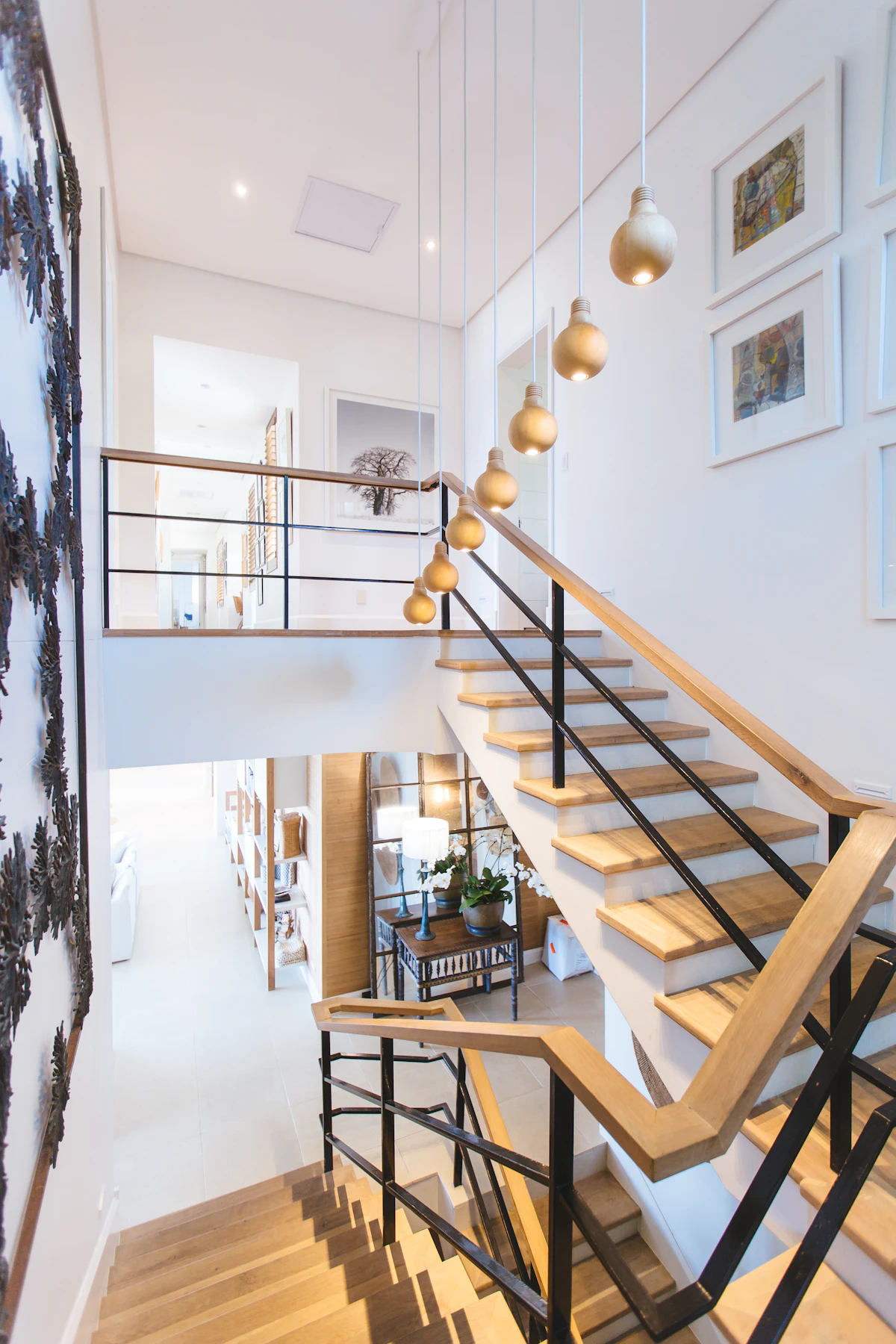
In kitchens with low ceilings, a row of small pendants over the island works better than one large fixture. Choose bulbs around 3000K for clarity without harshness. Avoid cool fluorescent tubes that flatten color and make food look unappetizing. Warm, layered light makes even a quick weeknight dinner feel more intentional. Pendants hung closer together create a cozy canopy over the island.
Add One Soft Detail
Every Japandi kitchen needs a moment of softness. It might be a linen tea towel, a small vase with a single branch, or a bowl of fresh fruit on a wooden tray. This detail signals that the kitchen is for living, not just production. Choose something you can refresh easily so it stays alive. The soft detail should be the first thing you see when you enter.
Change the detail with the season to keep the room feeling current. In winter, a dried grass arrangement; in summer, a ceramic bowl of lemons or peaches. Small rituals make the kitchen feel like home and give you a reason to pause. The softest detail often becomes the most memorable. A small seasonal ritual keeps the kitchen feeling alive and loved.

Related reads
- Warm Minimalist Kitchen Ideas for Calm Cooking
- Kitchen Island Ideas for Small Spaces: 7 Work Zones That Fit
- Kitchen Pantry Ideas: 12 Small Pantries That Store More
- A Warm Morning Coffee Corner for Winter
- White Kitchen Ideas: Bright, Clean, and Timeless
- Rental Kitchen Makeover: Style Without Permanent Changes
Frequently asked questions
Can a Japandi kitchen work in a small apartment?
Yes. Flat-panel cabinets, open shelving, and a limited palette make small kitchens feel larger and more organized.
What countertops fit Japandi style?
Matte quartz, soapstone, butcher block, and concrete in warm grey or beige tones all complement Japandi kitchens.
Should upper cabinets be removed in a Japandi kitchen?
Not necessarily, but reducing upper cabinets on one wall and adding open shelves creates visual openness. Keep everyday items minimal.
What hardware works best?
Matte black, brushed brass, or recessed handles keep the look quiet and clean. Avoid shiny chrome or ornate pulls.