Start with a Runner That Lengthens
A runner rug is one of the simplest ways to tame a narrow hallway. Choose a long, low-pile rug with a subtle stripe or linear pattern to draw the eye toward the far end of the passage. Keep it about four to six inches narrower than the hallway width so the floor shows on both sides, which creates the illusion of more space.
For color, look for runners in soft neutrals, faded blues, or warm terracotta. Busy geometric prints can make a tight hall feel even tighter. Leave a few inches of bare floor at each end so the rug does not look crammed against the walls. This small border helps the hallway feel intentional rather than improvised.
If your hallway sees heavy traffic, pick a runner with a nonslip pad underneath and a material that cleans easily. Wool blends and indoor-outdoor rugs both hold up well. A well-chosen runner softens footsteps, adds warmth, and gives guests a clear path the moment they step inside.

Add a Mirror to Bounce Light
A mirror is the oldest trick in the book for a reason. Hang one large mirror or a pair of smaller ones along the hallway to reflect window light and visually double the space. Position it opposite or beside any light source for the biggest impact.
For a narrow entryway, a round mirror with a slim frame works especially well because the curve breaks up the long straight lines. Avoid ornate, heavy frames that project into the walking path. A mirror with a built-in shelf or small hooks adds function without stealing square footage.
If you rent and cannot drill into walls, lean a tall floor mirror against one end of the hall. It will still reflect light and give the illusion of depth. Just secure it with furniture straps or anti-tip hardware if children or pets are in the house.

Use Slim Console Tables
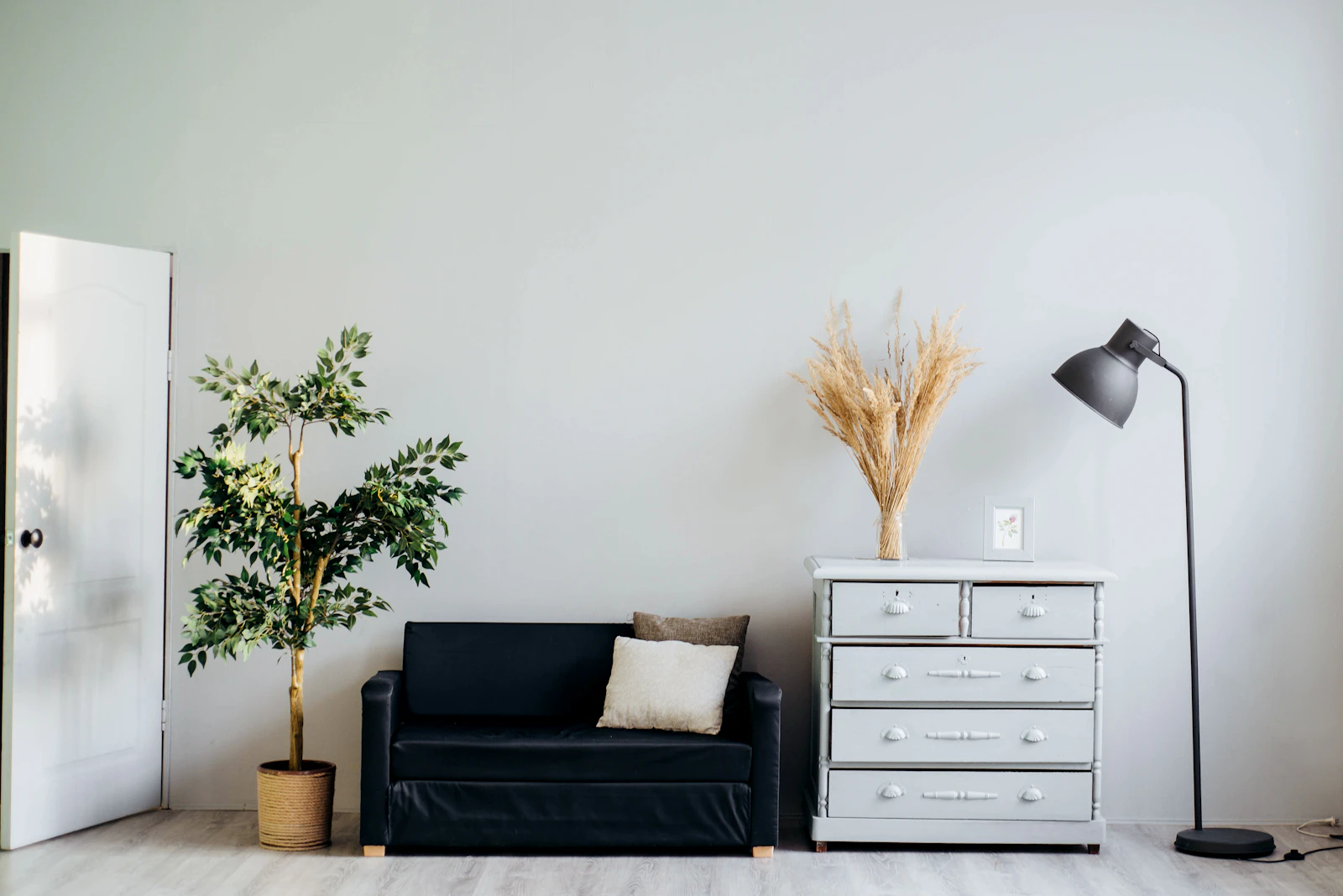
A console table that is only ten to twelve inches deep can fit against a hallway wall without blocking traffic. Use it as a landing strip for keys, mail, and a small vase of flowers. The key is to keep the surface curated so it does not become a clutter magnet.
Look for consoles with open legs rather than solid sides; the visible floor beneath helps the space feel airy. A slim drawer is even better because it hides the small items that tend to collect near the door. Choose a finish that coordinates with your door hardware or flooring.
If the hallway is very tight, consider a floating shelf instead of a freestanding table. It gives you the same display surface without legs to bump into. Install it at hip height and leave plenty of walking clearance below.

Draw the Eye Upward
When floor space is limited, look up. Vertical details like picture ledges, tall wainscoting, or a statement light fixture shift attention away from the narrow floor plan. Even a single piece of vertical art can make the ceiling feel higher and the passage feel less confined.
A slim picture ledge running the length of the hall lets you rotate art without committing to nail holes. Keep frames small to medium and leave breathing room between pieces. A row of identical frames creates rhythm, while a mix of sizes feels more relaxed and collected over time.
If the ceiling is low, paint it the same color as the walls to blur the boundary. Then add a semi-flush pendant or a small chandelier for vertical interest. The goal is to give the eye somewhere to travel besides the floor.

Keep Walls Light and Layered
Pale walls reflect light and make a narrow hallway feel wider. Whites, soft grays, warm beiges, and muted sage all work well. You do not have to stick to stark white; a tinted neutral adds personality while still bouncing light around the space.
To keep the look from feeling flat, layer in texture rather than bold color. Consider grasscloth wallpaper, board and batten, or a subtle limewash finish. These treatments add depth without visually advancing the walls toward each other.
If you want a darker moment, reserve it for the far end of the hall. Painting the end wall a deeper shade creates the illusion of a receding space. It also gives the hallway a destination rather than a tunnel effect.
Install Hooks Instead of Bulky Furniture
Coats and bags are the enemy of a narrow hallway. Instead of a bench with storage or a cabinet, mount a row of hooks along one wall. They keep essentials off the floor and take up almost no room when not in use.
Choose hooks that match your home's style, from simple black metal to warm brass or natural wood. Place them at varying heights if children use the space, or keep a straight line for a more tailored look. A hook with a small shelf above it doubles as a spot for sunglasses and wallets.
For a rental-friendly option, use adhesive hooks rated for the weight of a coat. Test them on a hidden spot first, and remove them slowly to avoid damaging paint. Even temporary hooks can bring order to a chaotic entry.
Choose the Right Lighting
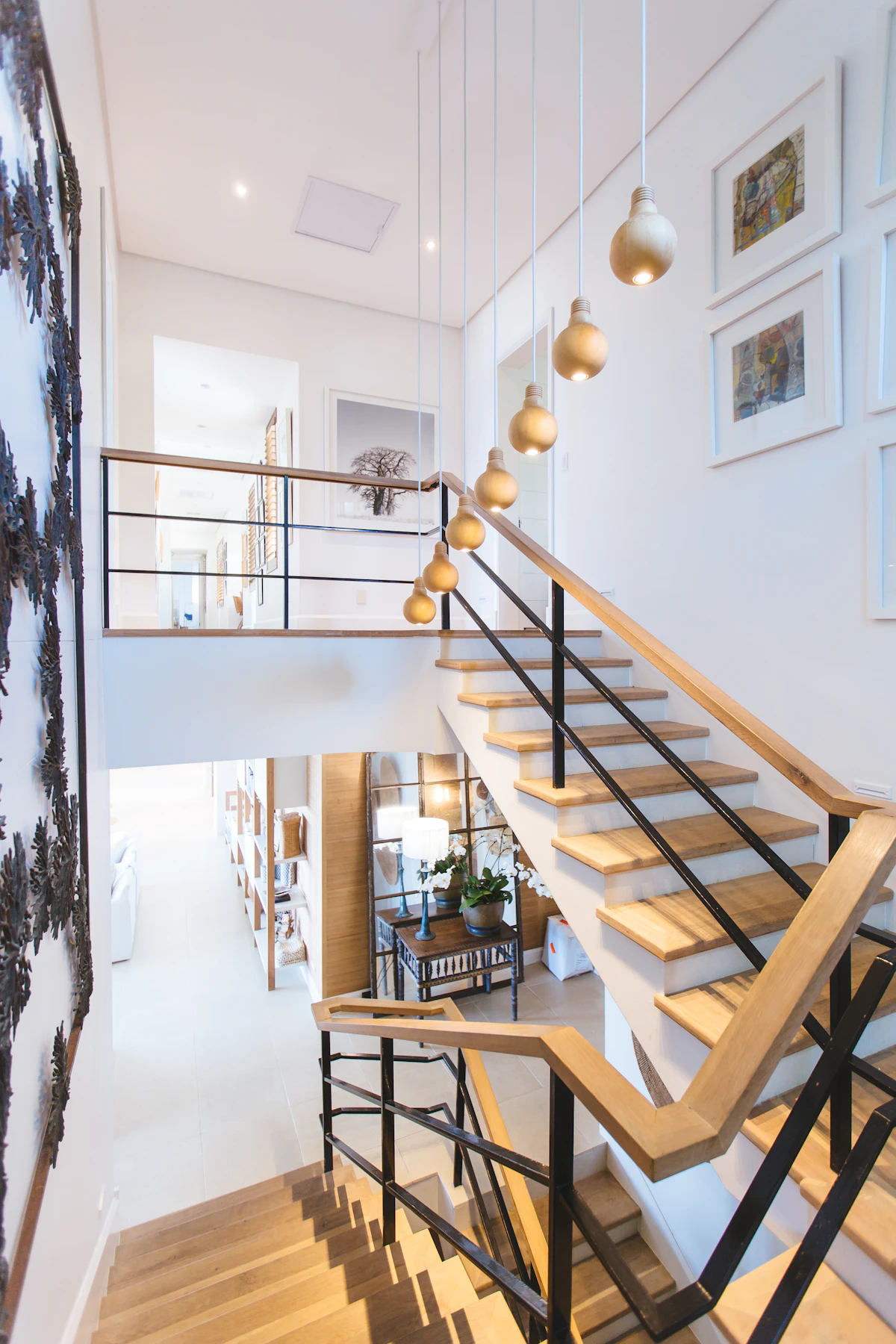
Hallways often suffer from a single dim overhead fixture. Upgrade to a flush-mount or semi-flush light with a warm color temperature to make the space feel welcoming. If wiring allows, add a dimmer so you can soften the light in the evening.
Sconces are another great option because they free up ceiling space and add a layer of light at eye level. Space them evenly along the hall, about eight feet apart, and keep the scale modest. Oversized fixtures will only emphasize how tight the passage is.
For a quick fix, plug in a narrow table lamp on a console or floating shelf. Choose one with a small footprint and a linen shade for diffused light. Good lighting turns a forgotten corridor into a space that feels considered and safe.

Related reads
Frequently asked questions
How do you make a narrow hallway look wider?
Use light wall colors, add a long runner, and hang a mirror to reflect light. These three elements work together to visually expand the space without changing the footprint.
What color should I paint a narrow hallway?
Pale neutrals like soft gray, warm beige, or muted sage reflect light best. Reserve darker colors for the far end wall to create depth.
Should I put furniture in a narrow hallway?
Only slim pieces that leave at least thirty inches of walking clearance. A console table ten to twelve inches deep or a floating shelf works better than bulky furniture.
What lighting works best in a narrow hallway?
Flush-mount or semi-flush fixtures with warm bulbs, plus sconces at eye level. Avoid oversized fixtures that crowd the space.